Reptile Shedding Support Guide: Causes of Shedding Dysfunction and Warm Water Soaking Method
Detailed explanation of the causes of shedding dysfunction in reptiles and how to address it. This guide covers warm water soaking (wet shedding) methods, humidity management for prevention, and shedding cycles by species.

Key Takeaways
Detailed explanation of the causes of shedding dysfunction in reptiles and how to address it. This guide covers warm water soaking (wet shedding) methods, humidity management for prevention, and shedding cycles by species.
Related Species
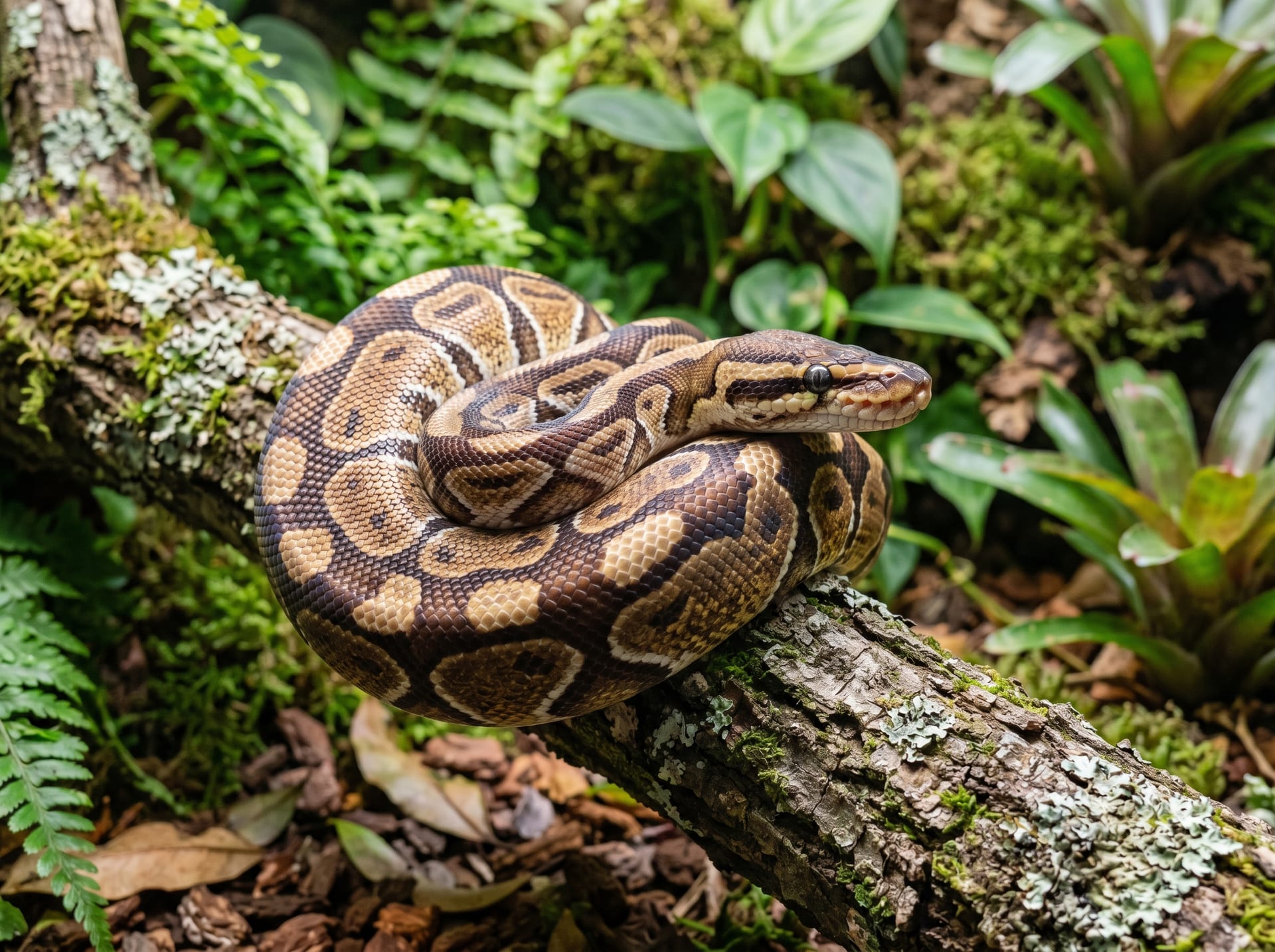
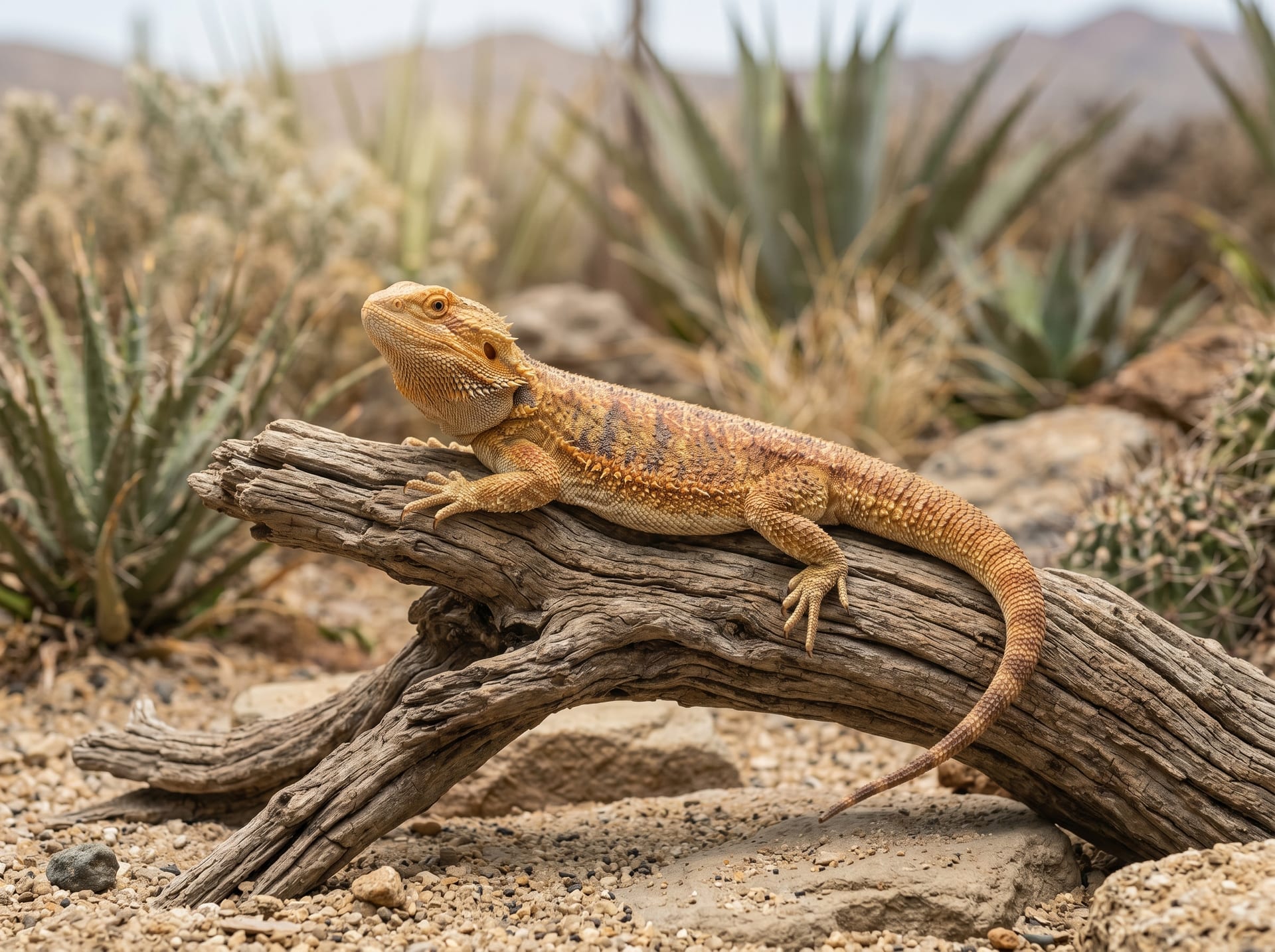
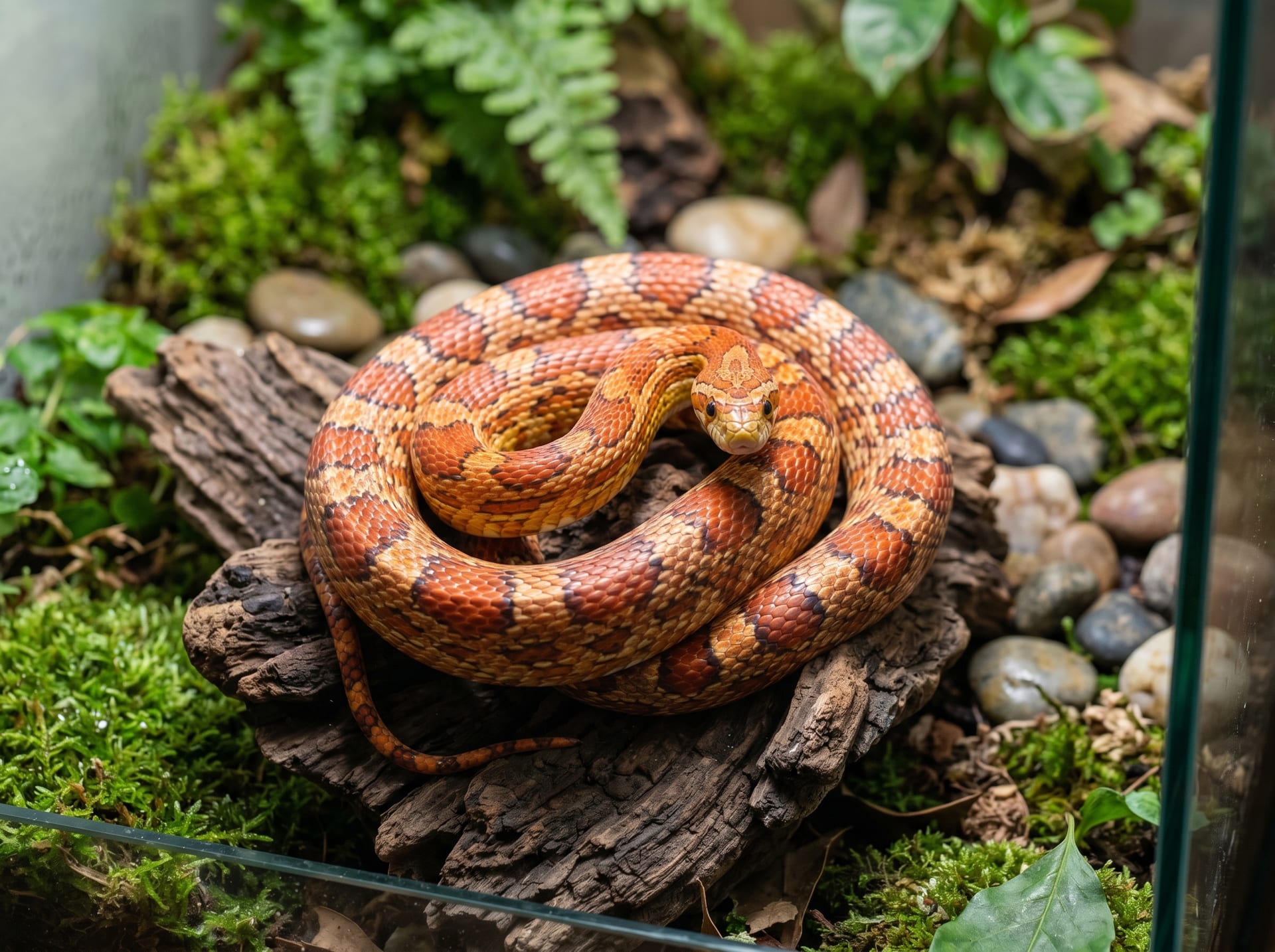
If you keep reptiles, shedding is something you'll inevitably encounter. Snakes, lizards, geckos, and similar species shed their old skin and grow larger as they mature. Healthy individuals shed completely and cleanly in one go, but under certain environmental conditions or health issues, the skin may partially remain—a condition called "shedding dysfunction." Left untreated, this can lead to necrosis and infection, which is a dangerous state. This article provides detailed explanations from the causes of shedding dysfunction to the steps for warm water soaking (wet shedding) that you can do at home, as well as preventive measures.
The Mechanism of Shedding and Shedding Cycles by Species
Reptile shedding is a process where, as a new layer forms beneath the skin, the old epidermis peels away. Unlike mammals where cells are gradually replaced, reptiles shed all at once in a complete process.
Approximate Shedding Cycles by Major Species
| Species | Shedding Frequency |
|---|---|
| Ball Python (Adult) | Once every 4–8 weeks |
| Corn Snake (Adult) | Once every 5–8 weeks |
| Leopard Gecko | Once every 2–4 weeks |
| Bearded Dragon | Hatchlings/juveniles: 1–2 months; Adults: 3–4 months |
| Green Tree Python | Once every 3–6 weeks |
Hatchlings and juveniles have shorter cycles due to rapid growth, while the intervals lengthen as they mature. Before shedding, you'll notice the eyes become cloudy white—a condition called "blue phase" or "clouding of the eye caps"—so don't miss this sign. In snakes this is particularly noticeable, with the entire body taking on a bluish tint. During this period, digestive function also decreases, so it's best practice to withhold feeding.
Main Causes of Shedding Dysfunction
Shedding dysfunction is triggered by environmental or physiological stress. Understanding the causes directly leads to prevention.
1. Insufficient Humidity This is the most common cause. In dry environments, old skin becomes stiff and doesn't shed properly. Leopard geckos and similar species are especially prone to partial shedding dysfunction if humidity doesn't increase before shedding.
2. Lack of Shelters or Friction Surfaces Reptiles shed by rubbing their bodies against rocks, driftwood, and similar objects. Without suitable protrusions in the enclosure, they have nowhere to catch their skin, and the shedding process stops partway through.
3. Malnutrition and Dehydration Calcium and vitamin deficiencies lead to poor skin condition. Dehydration also causes the skin to lose elasticity.
4. Injury or Infection Areas with scarring or skin infections (mites, ticks, etc.) are prone to skin adhesion, making shed skin more likely to remain during shedding.
5. Low Body Temperature and Poor Health Since reptiles are ectothermic, low body temperature reduces overall metabolism. Without proper basking spots, shedding timing can be disrupted or the shedding becomes incomplete.
Areas of Concern The eyes (eye caps), toes, tail tip, and vent area are particularly prone to retaining shed skin and, if left untreated, can lead to necrosis. Make it a habit to always check these areas after shedding.
How to Perform Warm Water Soaking (Wet Shedding)
If shedding dysfunction occurs, never forcefully pull at the skin. Removing dry skin can damage the underlying tissue. Instead, first use "warm water soaking" to soften the skin before attempting removal.
What You'll Need
- A container or shallow tub (deep enough that the reptile won't flip over)
- Warm water (around 30–32°C; ideally close to body temperature)
- A thermometer
- Soft gauze or cotton swabs (for finishing)
- A towel (for drying)
Steps
- Prepare the Water Measure the temperature carefully with a thermometer. Water that's too hot can cause burns, while water that's too cold can lower body temperature and be counterproductive. Strictly maintain 30–32°C.
- Gently Place the Reptile in the Water The water depth should be such that only the abdomen is slightly submerged (about one-third of the body for snakes). Be careful not to let the face touch the water.
- Soak for 15–20 Minutes During this time, if the reptile suddenly tries to escape, don't forcibly restrain it. Watch quietly and minimize stress.
- Gently Assist Once the Skin Softens Wrap gauze around your index finger, find the edge of the remaining skin, and slowly peel it from head to tail. Never pull in the opposite direction (from tail to head).
- Use Cotton Swabs for Toes and Eyes Remove any remaining skin on the toes by gently rolling a damp cotton swab around it. Eye caps are particularly delicate, so if you're unsure, don't force it—consult a reptile veterinarian.
- Gently Dry and Keep Warm After soaking, the reptile will be cold. Return it to an enclosure at the appropriate temperature to help it recover its body heat.
Important Notes
- Never leave the reptile unattended during soaking
- Consult a veterinarian before soaking a sick reptile (one that's refusing food or has injuries)
- If the skin doesn't come off in one soak, try again the next day (don't force it)
Daily Humidity Management to Prevent Shedding Dysfunction
90% of shedding dysfunction can be prevented through environmental improvements. Daily care is most important.
Humidity Guidelines by Species
- Leopard Gecko: Normally 40–60%; 70–80% before shedding
- Ball Python: 60–70% (80%+ before shedding)
- Corn Snake: 40–60%; 60–70% before shedding
- Bearded Dragon: 30–40% (relatively dry; increase humidity locally only before shedding)
Specific Methods to Increase Humidity
- Provide a Wet Shelter Commercial shelters with water-filled tops are available. This is especially effective for leopard geckos, which will naturally enter the shelter before shedding to maintain humidity.
- Use Moisture-Retaining Substrate Coco fiber, vermiculite, and forest-floor substrates are highly moisture-retaining and help maintain consistent humidity.
- Mist the Enclosure Regularly However, keeping the entire enclosure constantly wet risks mold and bacterial growth. The trick is to mist strategically during the pre-shedding period.
- Install a Digital Hygrometer Visual assessment has limitations. Use an inexpensive digital hygrometer and always verify readings with numbers.
Shelters and Friction Surfaces
By placing driftwood, cork bark, artificial rocks, and other textured surfaces in the enclosure, you allow the reptile to shed more easily on its own. Even if you see a reptile in the process of shedding, don't touch it unless there's a real emergency—just observe from a distance.
When to Consult a Veterinarian: Signs You Need to Seek Care
While most cases can be handled with home care, don't hesitate to consult a reptile specialist veterinarian in the following situations:
- Eye Caps Remain Eye skin is extremely delicate; forcing it off risks corneal damage.
- Toes Are Discolored or Swollen This may indicate the beginning of necrosis. Early intervention is crucial.
- Shedding Dysfunction Occurs Repeatedly on the Same Area This may be a sign of a skin infection or underlying condition.
- Skin Doesn't Come Off Even After Soaking If it doesn't work after 2–3 attempts, don't force it.
- Loss of Appetite or Lethargy Continues Shedding while in poor overall health carries serious risks.
Since reptile veterinarians are less common than those who treat dogs and cats, it's reassuring to identify a nearby exotic animal clinic while your reptile is healthy. Having an established veterinarian is crucial for quick response in emergencies.
Shedding is a critical process for reptiles. By maintaining appropriate humidity and creating a proper enclosure environment, you can prevent most cases of shedding dysfunction. Even if dysfunction does occur, knowing the warm water soaking procedure will allow you to respond calmly. Cherish daily observation and safely support your companion's shedding process.