Complete Guide to Elder Care for Reptiles | Disease Signs in Aged Individuals, Nutritional Management, and Practical Environmental Adjustments
Comprehensive guide to elder care for reptiles. Introduction to age-related signs in leopard geckos, ball pythons, iguanas, and tortoises; environmental adjustments, feeding, and temperature/humidity management suited to aged individuals; and the importance of regular health checkups by species.
Key Takeaways
Comprehensive guide to elder care for reptiles. Introduction to age-related signs in leopard geckos, ball pythons, iguanas, and tortoises; environmental adjustments, feeding, and temperature/humidity management suited to aged individuals; and the importance of regular health checkups by species.
Related Species
What Does Old Age Mean for Reptiles?
Reptiles age more slowly than mammals, but they certainly do age. The following table shows expected lifespans for representative species.
| Species | Lifespan |
|---|---|
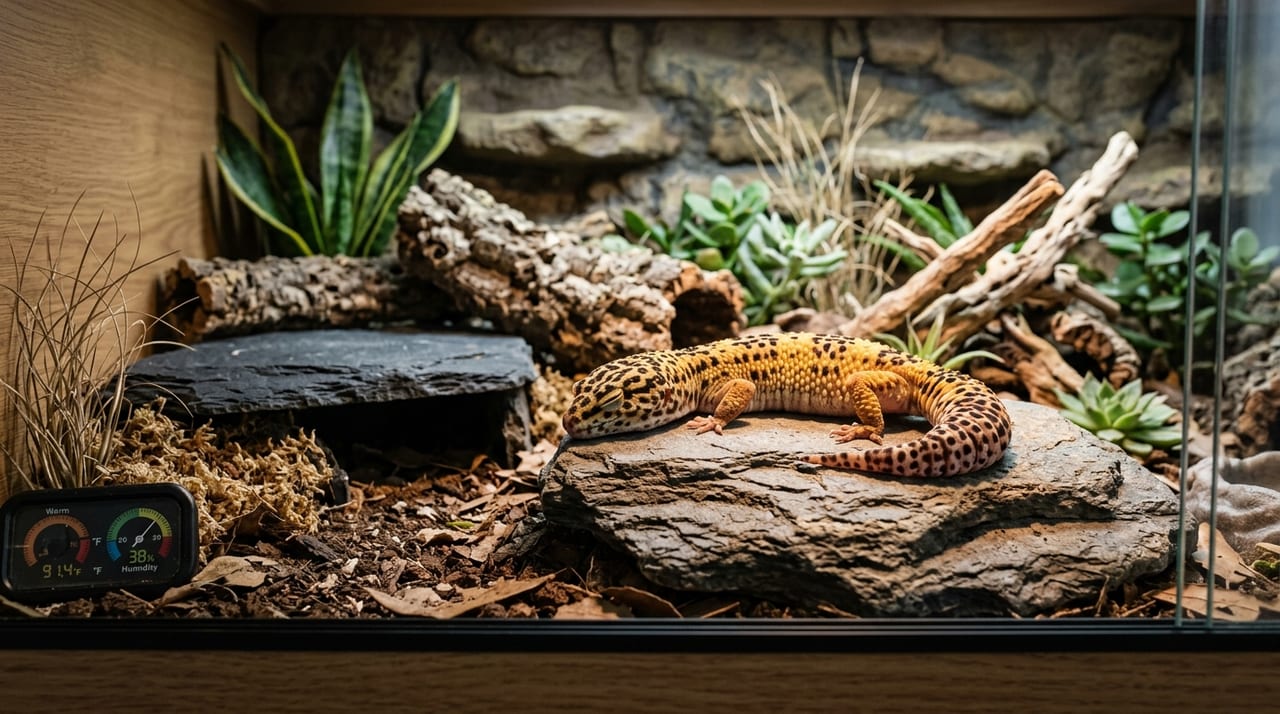
| Leopard Gecko | 15–20 years |
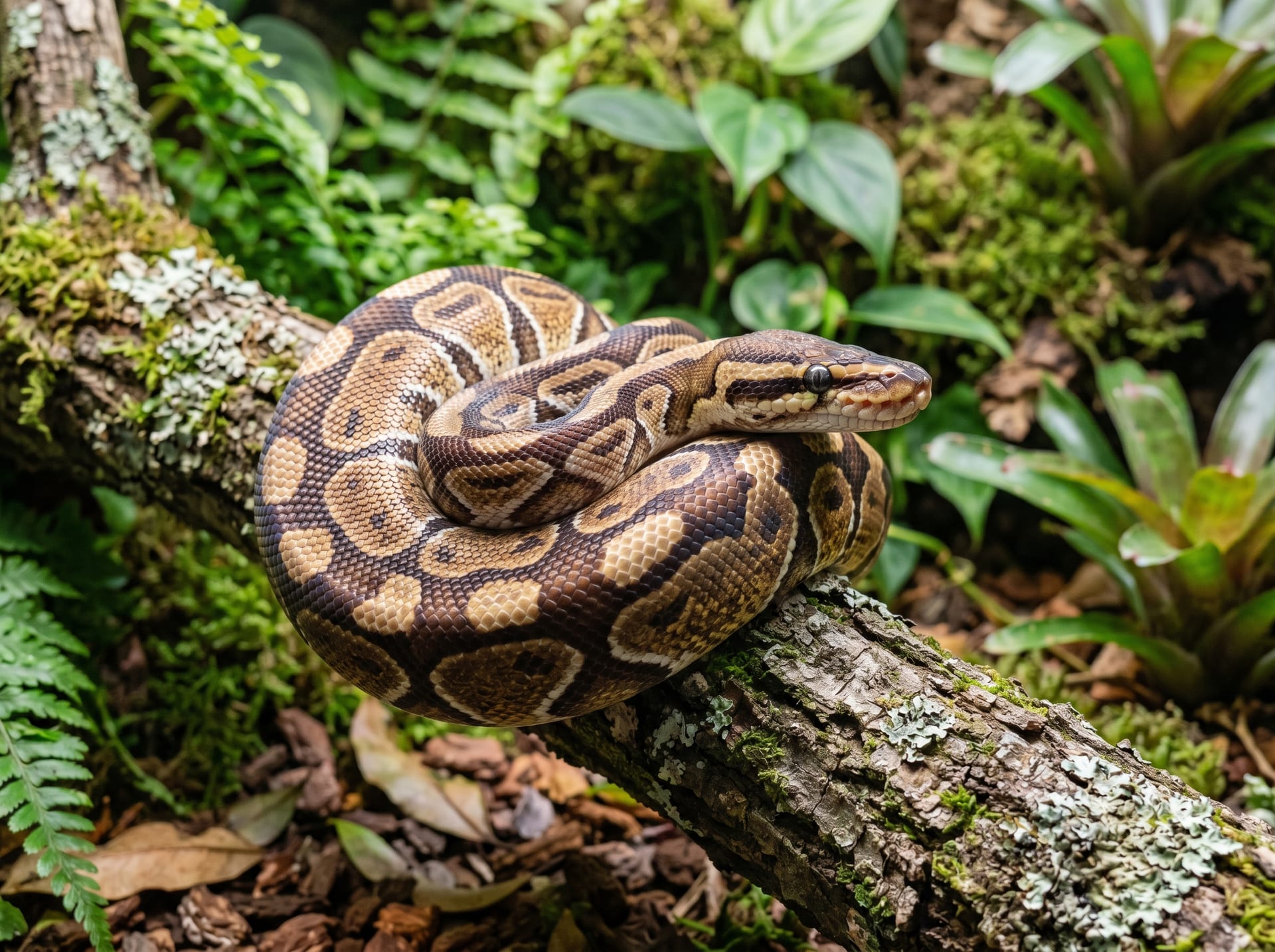
| Ball Python | 20–30 years |
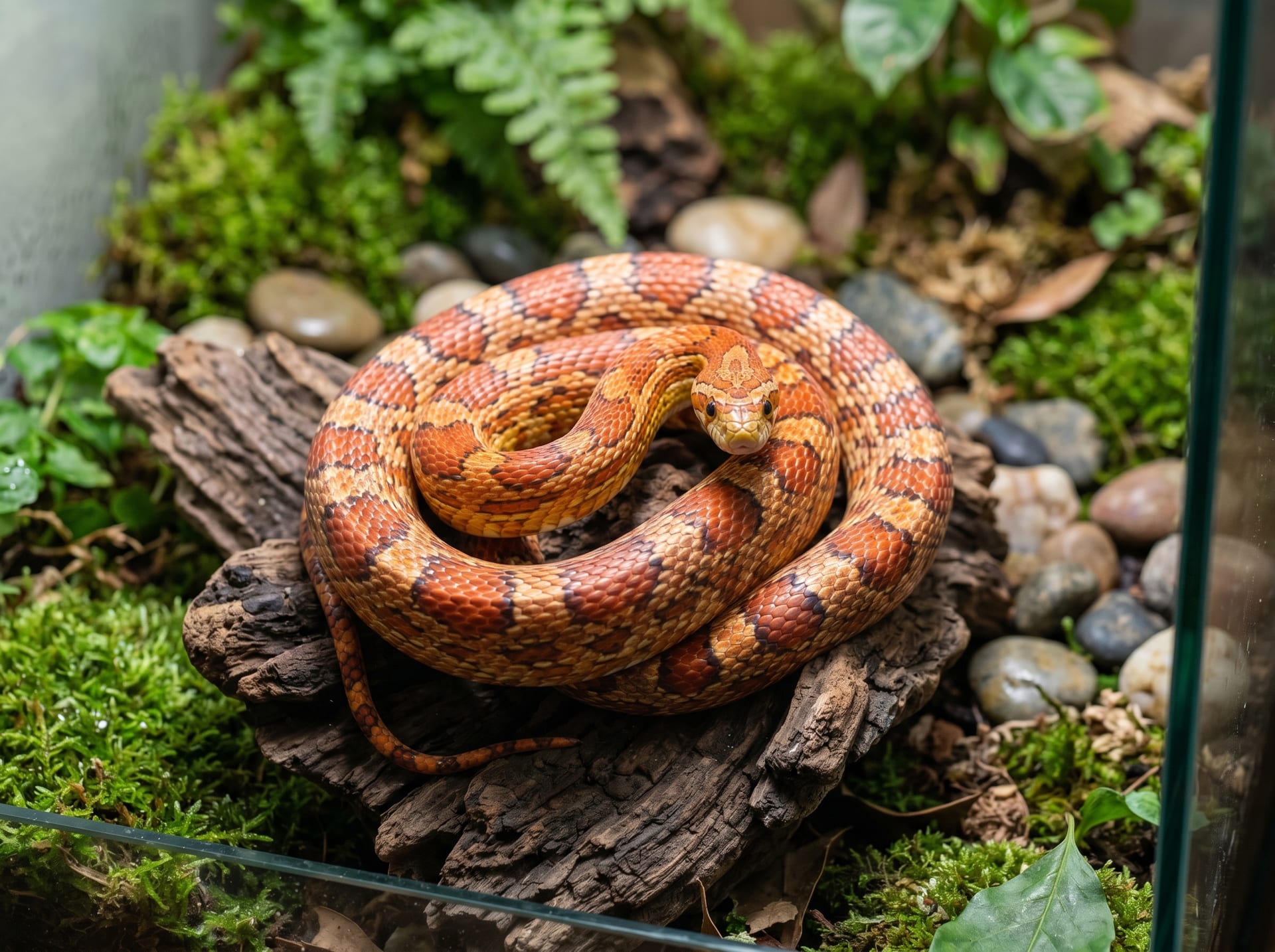
| Corn Snake | 15–20 years |
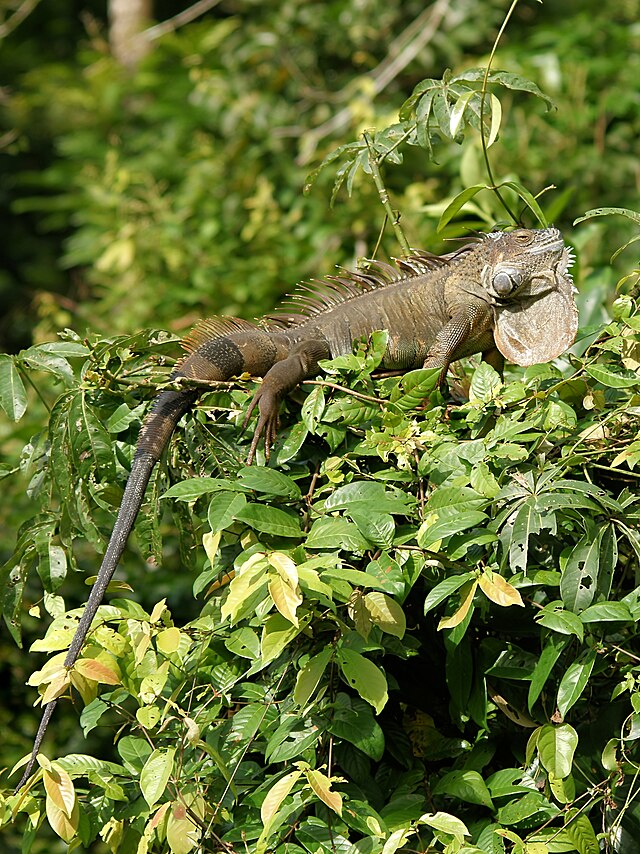
| Green Iguana | 10–15 years |
| Sulcata Tortoise | 50+ years |
These lifespans being so long, elder care becomes an unavoidable consideration.
Typical changes seen in aging reptiles include the following:
- Reduced metabolism
- Declining muscle strength
- Decreased immune function
- Sensory decline (vision, olfaction)
- Reduced digestive efficiency
In snakes, weakness in jaw muscle strength can lead to diminished feeding ability; in turtles, loss of shell luster and deeply etched growth rings can be signs of aging.
The definition of "old age" varies greatly by species. Generally, individuals exceeding 60–70% of their species' average lifespan can be considered aged. However, since individual variation is significant, it is important to evaluate calendar age together with behavior, body weight, and feeding status.
Common Diseases and Signs in Aging Individuals
Aging reptiles, due to declining immune function, are more susceptible to serious complications from infections that would otherwise resolve naturally in younger individuals. Below are representative conditions that keepers should notice early:
- Kidney Disease: Commonly seen in aged ball pythons, leopard geckos, and iguanas. In chronic renal failure, accumulation of uric acid (gout-like condition), edema, lethargy, and loss of appetite appear. When uric acid deposits in joints causing "articular gout," swelling of the toes and walking difficulty may be observed.
- Cataracts and Vision Loss: Common in aged turtles and lizards. Often discovered through behavioral changes such as failing to notice food or walking toward walls. While cataracts themselves are difficult to treat, feeding methods can be adjusted (e.g., using tweezers to bring food close to the snout) to assist feeding.
- Tumors and Liver Disease: Incidence increases in long-lived species. In aged snakes, asymmetric body shape changes from internal tumors and complete loss of appetite may be observed.
- Metabolic Bone Disease (MBD) Recurrence: Individuals with calcium or UV deficiency in their youth may show decreased bone density in old age, becoming susceptible to fractures from minor stress.
Changes in appetite are an important indicator. Gradual changes such as feeding intervals stretching to once or twice per month or reduced feeding amounts may accompany natural aging, but sudden refusal to eat or rapid weight loss likely indicates disease. Regular weight measurements (approximately weekly) create a record that makes early changes harder to miss.
Nutritional Management of Aging Individuals
In old age, metabolism declines; feeding at the same amount and frequency as younger individuals can lead to obesity. Conversely, since digestive efficiency also declines, "merely reducing quantity" risks malnutrition. Balance is critical.
- Carnivorous Species (Snakes, Lizards): Reduce feeding frequency while maintaining appropriate prey size per feeding. Aged snakes may lose interest in pre-killed prey (thawed mice). Adjust by gently moving prey with tweezers. Consider switching from large, hard-to-digest prey to slightly smaller, more easily digestible sizes.
- Omnivorous and Herbivorous Species (Turtles, Iguanas): Focus on high-fiber vegetables and greens while maintaining a balance of fruits and protein sources. In aged tortoises, constipation from dehydration is common; actively incorporate vegetables with high water content.
- Calcium and Vitamin D3 Supplementation: Continue through old age. From the perspective of maintaining bone density and preventing kidney disease, maintaining proper amounts while avoiding excessive supplementation is desirable.
- Digestive Enzyme Supplements: Some keepers consider using them. However, their efficacy in reptiles is not yet scientifically well-established; consultation with a reptile-experienced veterinarian is recommended if considering use.
Environmental Adjustments: Measures to Ensure Comfort in Aging Individuals
As individuals age, muscle strength and mobility decline; the same environmental design as in youth may become uncomfortable. The following points warrant review:
- Access to Basking Spots: Lower the placement of rocks and driftwood to make climbing easier. For lizards with weakened limbs, reduce height differences since ascending and descending becomes difficult.
- Increase Temperature Management Precision: Aged individuals may have reduced thermoregulatory capacity. Maintain temperature gradients (the difference between hot and cool sides) while ensuring the cool side does not become excessively cold. Pay particular attention to nighttime temperature drops in winter.
- Ease of Hydration: Keep water dishes shallow to reduce tipping risk. For turtles, assist whole-body hydration through regular warm soaks (once or twice weekly, approximately 30 minutes).
- Substrate Selection: For individuals showing arthritis-like changes, cushioned substrates (coconut husk mats, foam sheets) can be effective. Conversely, for aged arboreal lizards, lower branch placement to reduce fall risk.
- Stimulation and Cognitive Function: Even in older reptiles, moderate environmental changes (adding new hides, slight feeding adjustments) can promote behavioral activity. However, major layout changes cause stress, so keep changes minimal.
Regular Health Checkups and End-of-Life Care
Aging reptiles are recommended to undergo regular health checkups approximately twice yearly. Through palpation, weight measurement, radiography, and blood tests as needed, the likelihood of detecting abnormalities before symptoms appear increases significantly.
In end-of-life care, a quality-of-life-focused approach aimed at minimizing suffering while allowing peaceful existence becomes important. Even when active treatment is not feasible, maintenance of temperature, hydration, and a clean environment should continue. Regarding pain management, consultation with a veterinarian is advisable; analgesic administration becomes an option if needed.
Many individuals handled by BreederDirect are adults or fully mature. When planning for long-term care, considering elder care costs during individual selection can enrich the long-term relationship.