Lizard Species Care Difficulty Comparison | Complete Guide to Bearded Dragons, Leopard Geckos, Japanese Grass Lizards, and Green Iguanas | ブリちょく
Reptiles| ✍️ BreederDirect Editorial
Lizard Species Care Difficulty Comparison | Complete Guide to Bearded Dragons, Leopard Geckos, Japanese Grass Lizards, and Green Iguanas
A thorough comparison of care difficulty for Bearded Dragons, Leopard Geckos, Japanese Grass Lizards, and Green Iguanas from a beginner's perspective. We explain equipment costs, required skills, and failure risks in ranked format to help you choose the right lizard for you.
Key Takeaways
A thorough comparison of care difficulty for Bearded Dragons, Leopard Geckos, Japanese Grass Lizards, and Green Iguanas from a beginner's perspective. We explain equipment costs, required skills, and failure risks in ranked format to help you choose the right lizard for you.
Avoiding Mistakes When Choosing a Lizard
There are many types of lizards displayed in reptile shops, and it's not uncommon for impulse purchases based on appearance to lead to regret over differences in care difficulty. This article compares four popular lizard species in Japan—Bearded Dragons, Leopard Geckos, Japanese Grass Lizards, and Green Iguanas—across five dimensions: equipment, diet, temperament, maintenance costs, and suitability for beginners.
Difficulty Ranking (Based on This Article)
Species
Difficulty
Leopard Gecko
Perfect for Complete Beginners
Japanese Grass Lizard
Beginner Level
Bearded Dragon
Intermediate
Green Iguana
Advanced
Details for each species follow below.
Leopard Gecko (Eublepharis macularius)
Difficulty: Perfect for Complete Beginners
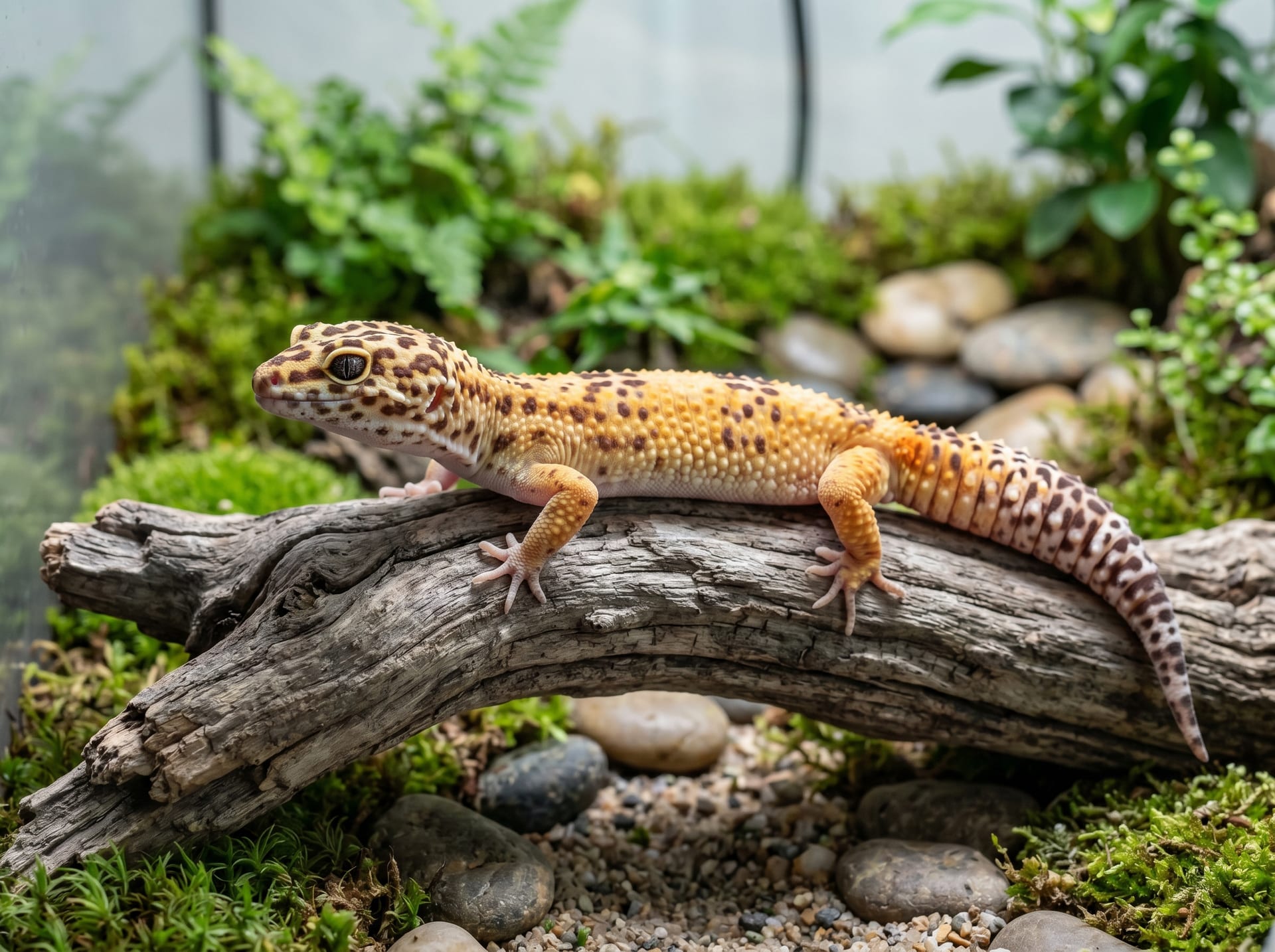
The Leopard Gecko (Eublepharis macularius) is widely kept worldwide as an introductory reptile species and is one of the most common lizards in Japan.
Equipment Cost: Approximately ¥1,500–3,000 per month
✍️
BreederDirect Editorial
The BreederDirect editorial team specializes in care information for animals, covering veterinary care and breeding to deliver beginner-friendly guides.
Find Reptiles on BreederDirect
Buy directly from verified breeders
Browse Related Listings
Find Reptiles listings related to this article on BreederDirect. Buy directly from verified breeders.
Enclosure: A 45 cm × 30 cm glass enclosure is sufficient for adults
Heat management: Can be managed with a single heat pad (23–32°C)
UVB: Not required (vitamin D3 supplied via supplements)
Diet: Live feeders such as crickets, dubia roaches, mealworms, or frozen crickets
Suitable For:
Nocturnal with minimal daytime care, making them easy to keep for people living alone or with busy schedules. Large enclosures and expensive UV lights are not required, keeping initial investment to a minimum. Morphs (color variations) are abundant, and breeding is relatively straightforward.
Important Notes:
In environments where room temperature drops below 10°C with only a heat pad, cold-related health issues may occur, requiring supplementary heating in winter. Also not recommended for those uncomfortable handling live feeders.
Japanese Grass Lizard (Takydromus tachydromoides)
Difficulty: Beginner Level
The Japanese Grass Lizard (Takydromus tachydromoides) is a native Japanese species, with many people keeping wild-caught individuals. Though small (15–25 cm total length) and easy to handle, their sensitivity to environmental changes and dependence on live feeders increases difficulty.
Equipment Cost: Approximately ¥1,000–2,500 per month
Enclosure: 60 cm × 30 cm or larger recommended
Heat management: Basking 35–40°C, cool side 22–25°C
UVB: Weak to moderate (T8 or T5 equivalent 6–10%)
Diet: Live crickets, pill bugs, aphids (difficult to transition to artificial food)
Suitable For:
Those wanting to connect with Japan's natural environment or keeping them for educational purposes. Wild-caught individuals are difficult to acclimate to artificial food, making an "observe and enjoy" style of keeping ideal.
Important Notes:
Wild-caught individuals have high parasite loads and require quarantine and medication baths. They often refuse food other than live feeders, requiring ongoing feeding costs. Winter hibernation management is also necessary, and maintaining indoor temperatures to prevent hibernation presents a challenge.
Bearded Dragon
Difficulty: Intermediate
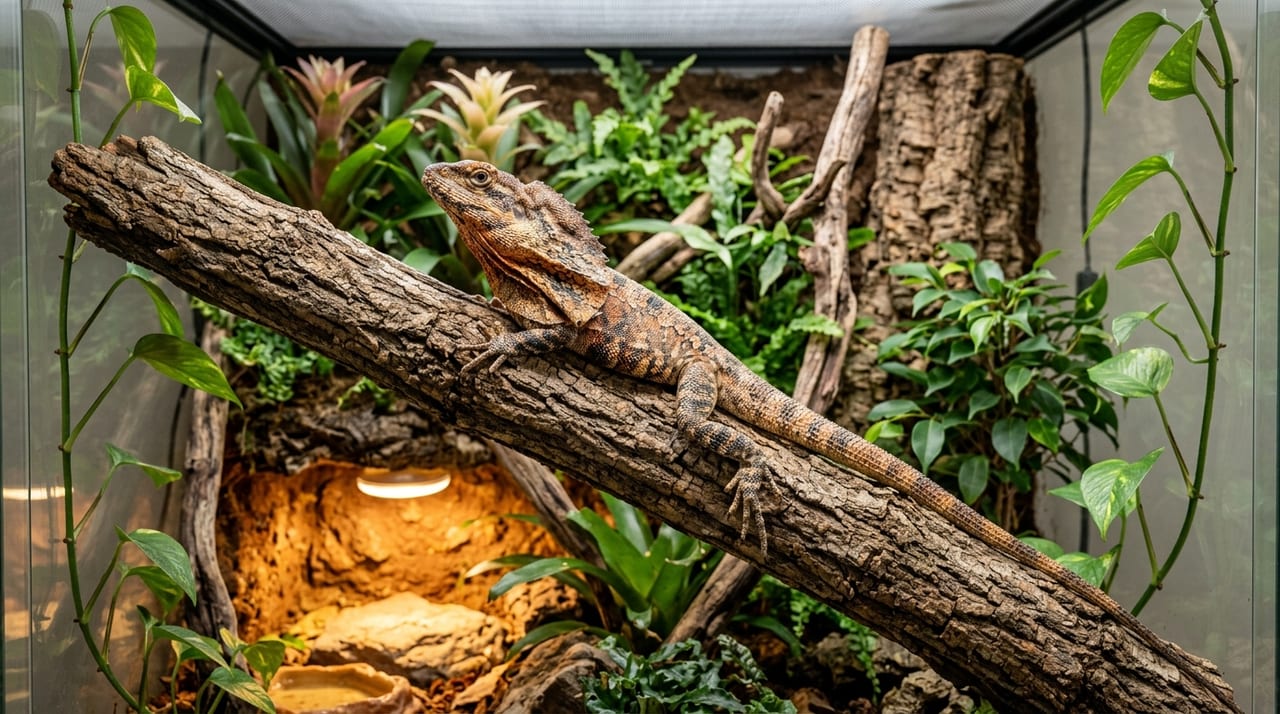
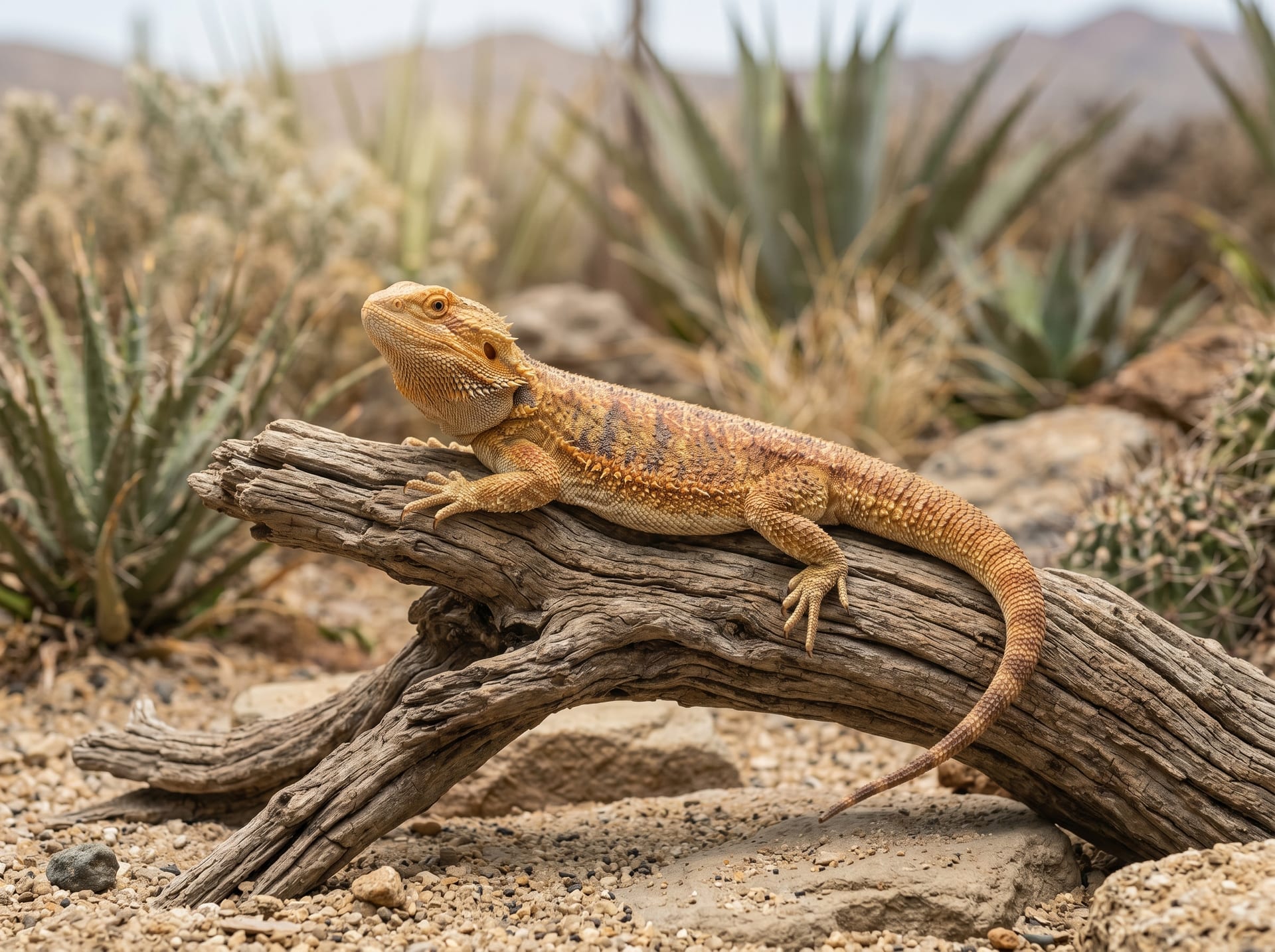
The Bearded Dragon (Pogona vitticeps), native to Australia, is one of the easiest reptile species to handle. With a friendly personality allowing pet-like interaction similar to dogs and cats, they require high equipment costs and complex dietary management.
Equipment Cost: Approximately ¥3,000–8,000 per month
Enclosure: Adults require minimum 120 cm × 60 cm
Heat management: Basking 40–45°C, cool side 26–30°C
UVB: Strong (UVI 3–4, T5 HO 12% equivalent or higher)
Diet: Adults are 70% vegetables (bok choy, mustard greens, etc.) + 30% insects such as crickets
Suitable For:
Ideal for those who enjoy handling and want to emphasize interaction with their bearded dragon. Their omnivorous diet, eating both vegetables and insects, offers the advantage of not depending solely on crickets.
Important Notes:
Juveniles lean heavily toward insects, requiring live feeders on hand. High UVB requirements and large enclosure size increase costs. Also understand that they produce substantial waste, requiring frequent cleaning.
Green Iguana
Difficulty: Advanced
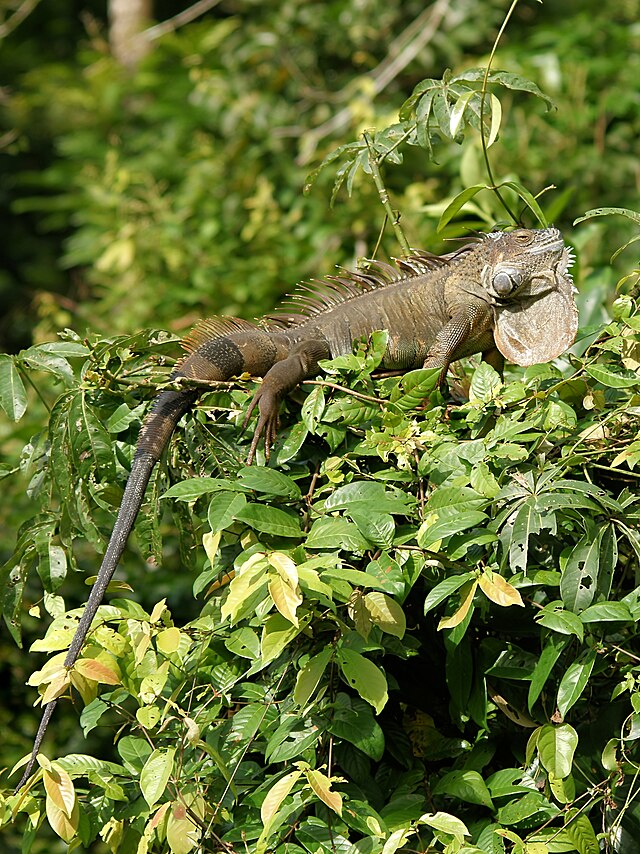
The Green Iguana (Iguana iguana), reaching 1.5–2 m in length, is a large herbivorous lizard popular for its impressive appearance, but it's an advanced species frequently released by people unable to provide proper equipment.
Equipment Cost: ¥8,000–20,000+ per month
Enclosure: Adults require height 1.5 m × width 1.8 m or larger (1.5–2× total body length)
Heat management: Basking 40–45°C, cool side 26–30°C, humidity 70–80%
Suitable For:
For intermediate to advanced keepers with sufficient space who have experience with reptile husbandry. Requires an environment where significant investment in dedicated large enclosures or converting an entire room is possible.
Important Notes:
Adult claws and tails pose injury risks, and handling non-acclimated individuals is dangerous. High humidity is often difficult to maintain, requiring careful attention to mold and bacterial growth. Abandonment or escape should be avoided at all costs.
Comprehensive Comparison of All 4 Species
Comparison
Leopard Gecko
Japanese Grass Lizard
Bearded Dragon
Green Iguana
Initial Cost
¥30,000–50,000
¥20,000–40,000
¥50,000–100,000
¥150,000+
Enclosure Size
Small (45 cm)
Medium (60 cm)
Large (120 cm)
Extra Large (180 cm+)
UVB Requirement
Not Required
Weak
Strong
Very Strong
Artificial Food
Good
Difficult
Possible
Good
Handling
Possible
Difficult
Easy
Requires Acclimation
Lifespan
10–20 years
5–10 years
10–15 years
15–20 years
Summary: Choosing the Right Lizard for You
When choosing a lizard, it's important to consider both your aesthetic preferences and the equipment and living environment you can realistically maintain.
Comfortable with live feeders or want to start with minimal space → Leopard Gecko
Want to connect with Japan's nature or for educational purposes → Japanese Grass Lizard
Enjoy handling and can tolerate some cost → Bearded Dragon
Serious reptile keeping with ample space and advanced expertise → Green Iguana
Preparing your setup and calculating maintenance costs before purchase is the first step toward long-term success.