Indian Star Tortoise Care Guide | Complete Guide to Temperature Management, UVB, Diet, and Legal Regulations
Detailed explanation of Indian Star Tortoise care methods. Introduction covering CITES regulations, temperature, humidity management, feeding, and health checks for beginners to intermediate keepers.
Key Takeaways
Detailed explanation of Indian Star Tortoise care methods. Introduction covering CITES regulations, temperature, humidity management, feeding, and health checks for beginners to intermediate keepers.
Related Species
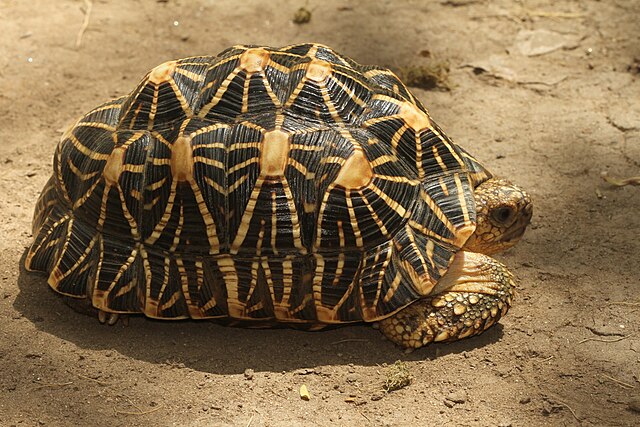
Indian Star Tortoise
The Indian Star Tortoise (Indian Star Tortoise, scientific name: Geochelone elegans) is a land tortoise native to India, Pakistan, and Sri Lanka. The name comes from the distinctive yellow star-shaped patterns that radiate across its shell, and it is highly prized as one of the most beautiful tortoises in the world.
Adult size is 15-20 cm for males and 25-30 cm for females, with females being larger. In the wild, activity increases with the onset of the monsoon (rainy season), while during the dry season they enter a semi-dormant state with minimal activity.
CITES and Legal Regulations
The Indian Star Tortoise is listed in CITES Appendix I (the most stringent regulations), and international trade in wild-caught individuals is generally prohibited. In Japan, regulations based on the Animal Welfare Act apply, and purchase and sale are only legal for captive-bred individuals obtained through authorized channels (Class 1 animal handlers).
Important Points When Purchasing:
- Always verify that a "CITES certificate" or "origin certificate (proof of the tortoise's clear origin)" is provided
- When purchasing from pet shops or breeders, verification of CITES species designation is essential
- Unauthorized sales or transfers between individuals are subject to penalties
Housing Requirements
Enclosure
| Adult Size | Minimum Enclosure Size |
|---|---|
| Female (25cm+) | 100×60cm or larger |
| Male (15-20cm) | 90×45cm or larger |
The enclosure must be large enough to create a temperature gradient. Reptile enclosures (plastic cases or wooden cages) or large plastic containers are commonly used. Glass aquariums are often unsuitable due to excessive heat loss through the sides.
Temperature Management (Critical)
Indian Star Tortoises are adapted to India's subtropical climate and are extremely sensitive to low temperatures.
| Zone | Temperature |
|---|---|
| Basking spot (basking zone) | 35-40°C |
| Cool side (cool area) | 28-30°C |
| Nighttime minimum temperature | 24°C or above (essential) |
Nighttime temperature drops are one of the leading causes of death. Maintain temperatures above 24°C at night using heating equipment (ceramic heaters, heat pads, etc.).
UVB Lighting
UVB lighting is essential for land tortoises. UVB exposure is necessary for internal synthesis of vitamin D3, and deficiency causes MBD (metabolic bone disease).
- UVB intensity: UVI 3-5 (moderate)
- Bulbs: HO-type fluorescent lamps such as ReptiSun 10.0 or Arcadia 12%
- Light duration: 12-14 hours/day
- Bulb replacement: Every 6 months (UV output decreases even if not visually apparent)
Humidity Management
Indian Star Tortoises are adapted to India's monsoon climate and require appropriate humidity levels.
- Recommended humidity: 60-80% (dry environments risk dehydration and shell deformation)
- Humidity maintenance methods: Lightly moisten substrate, provide a humid hide, light misting 1-2 times daily
However, high heat and humidity increase the risk of respiratory infections (RI), so proper ventilation is also important.
Substrate
- Coconut husk (coco chips): High moisture retention and suitable for Indian Star Tortoises
- Soil and coconut husk mix: Substrate mimicking natural environments
- Depth: 7-10cm or more (to allow digging behavior)
Sand, paper towels, and reptile mats are unsuitable.
Feeding and Diet Management
Primary Diet
- Hay (timothy, orchard grass): 50-60% of diet
- Leafy vegetables (dandelion, chicory, plantain, mulberry): 40-50%
- Wild plants (pesticide-free yard plants): Provide regularly if possible
Foods to Avoid
| Food | Reason |
|---|---|
| Fruits (small amounts okay) | High sugar content causes diarrhea and disrupts intestinal flora balance |
| Spinach/kale (not daily) | High oxalic acid inhibits calcium absorption |
| Protein foods (meat, cheese) | Unsuitable for tortoise digestive systems |
| Avocado | Toxic |
Calcium Supplementation
Dust food with oyster shell powder or tortoise-specific calcium powder 2-3 times weekly. Vitamin D3 supplementation is also needed (though self-synthesis occurs with UVB; outdoor-housed tortoises need no additional supplementation).
Feeding Frequency
- Adults: 4-5 times weekly (daily feeding is also acceptable)
- Juveniles: Daily (important during growth phase)
Hydration
Indian Star Tortoises drink more water than expected. Keep a shallow water dish available at all times, and provide warm water soaks (at approximately 30°C) for 10-15 minutes, 2-3 times weekly to promote bowel movements and prevent dehydration. Soaks should be shallow enough that the shell doesn't become fully submerged.
Health Management and Disease Prevention
Common Diseases
| Disease | Symptoms | Treatment |
|---|---|---|
| Metabolic Bone Disease (MBD) | Shell deformation, fractures, weakness | Improve UVB, strengthen calcium supplementation |
| Respiratory Infection (RI) | Nasal discharge, mouth breathing, loss of appetite | Consult reptile veterinarian |
| Parasites (flagellates, etc.) | Mucous stools, loss of appetite | Fecal examination and deworming medication |
| Dehydration | Skin tenting, lethargy | Increase soaking and hydration |
Regular Health Checks
- Monthly weight measurement (weight gain indicates healthy growth)
- Check for discharge around eyes, nose, and mouth
- Check shell firmness and for deformations
- Monitor droppings (diarrhea or undigested food indicates dietary or infection issues)
Seasonal Management
Indian Star Tortoises are extremely sensitive to low temperatures, so hibernation is not recommended. Year-round heated enclosure maintenance is the standard.
- Winter: Maintain strict temperature control and monitor for appetite loss
- Summer (outdoor keeping): Manage direct sunlight and hydration. Provide access to cool areas when temperatures exceed 30-32°C
Summary
Indian Star Tortoises are highly popular due to their beauty and rarity, but they are intermediate to advanced-level pets in terms of care difficulty, requiring careful management of temperature, humidity, UVB lighting, and diet. In particular, nighttime temperature drops can be fatal, so investment in quality heating equipment is essential. We recommend purchasing only legal captive-bred individuals with CITES certificates and establishing a relationship with a reptile veterinarian in advance.