Source: Wikimedia Commons
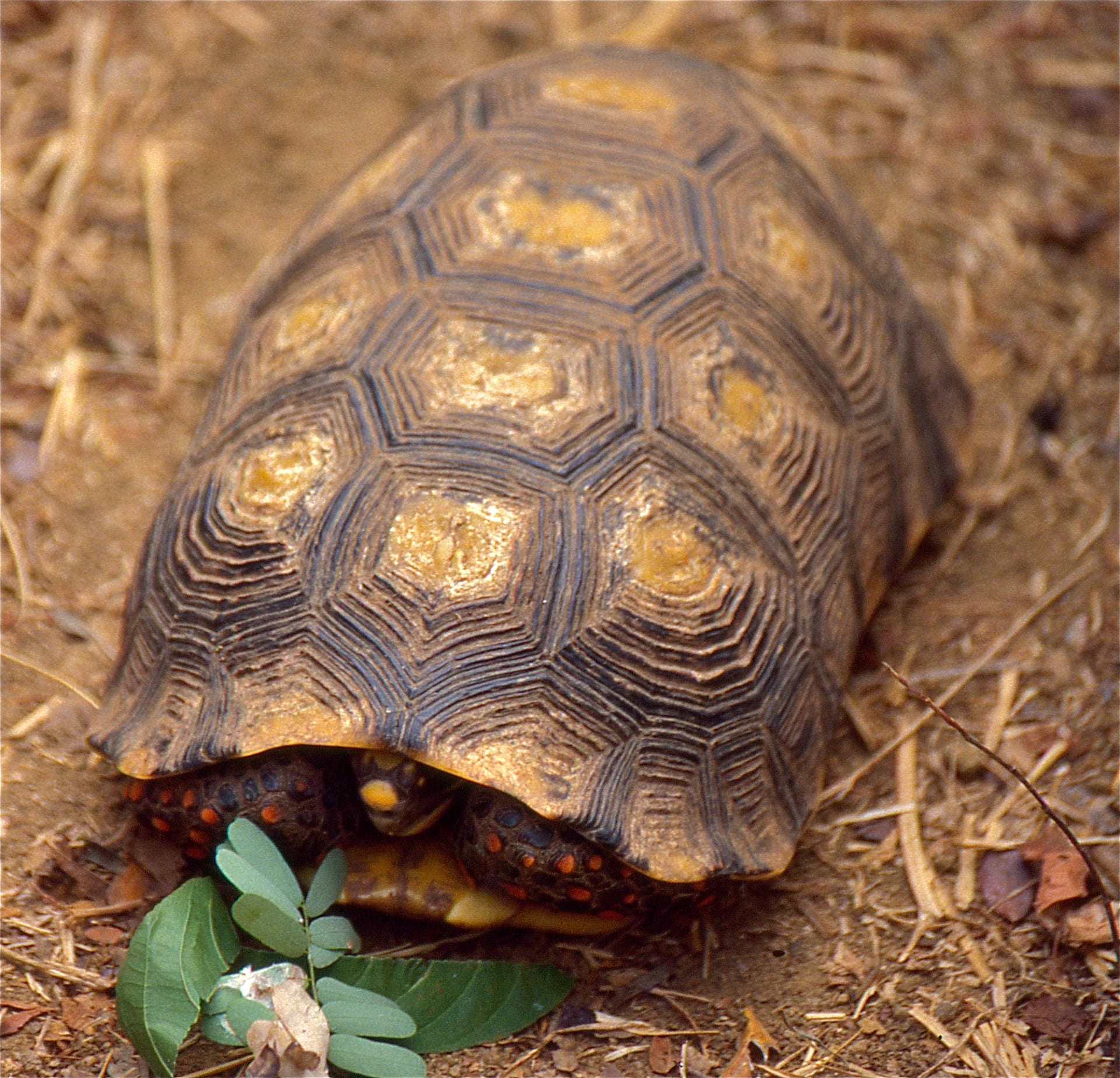
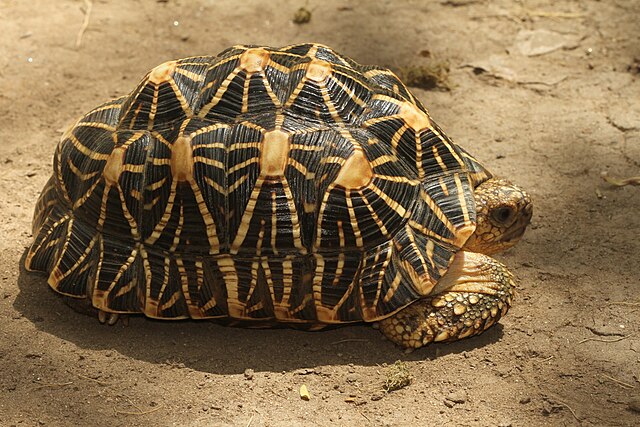
Indian Star Tortoise
IntermediateGeochelone elegans
A beautiful Indian tortoise with radial star patterns on shell. Small and manageable but needs high humidity.
Difficulty
Intermediate
Temperature
25〜32℃
Lifespan
30-50 years
Size
20-30cm
Humidity
40〜70%
Diet
Grass, Vegetables
About
The Indian star tortoise is a threatened tortoise species native to India, Pakistan and Sri Lanka where it inhabits dry areas and scrub forest. It has been listed as Vulnerable on the IUCN Red List since 2016, as the population is thought to comprise more than 10,000 individuals, but with a declining trend. It is threatened by habitat loss and poaching for the illegal wildlife trade. It was upgraded to CITES Appendix I in 2019 by full consensus among all member states, giving it the highest level of international protection from commercial trade. Conservation group TRAFFIC found 6,040 were seized globally that were intended to be sold in the pet trade. Currently they are commonly bred in many countries to be sold as pets.
Source: Wikipedia (CC BY-SA 4.0)
Lifespan of the Indian Star Tortoise
The Indian Star Tortoise lives 30-50 years.
Size of the Indian Star Tortoise
The Indian Star Tortoise grows to 20-30cm.
Basic Info
Origin
India, Pakistan and Sri Lanka where it inhabits dry areas and scrub forest
Lifespan
30-50 years
Size
20-30cm
Temperature
25〜32℃
Humidity
References & Sources
Edited & verified by: BreederDirect editorial team
The taxonomic, regulatory, and husbandry data on this page are compiled and verified against the authoritative primary sources below.
Taxonomy & Authority
Accepted name: Geochelone elegans (Schoepff, 1795)
Synonyms: Peltastes stellatus maura Gray, 1870, Peltastes stellatus seba Gray, 1870, Testudo actinodes Bell, 1828, Testudo actinodes Gray, 1831, Testudo actinoides Bell, 1828, Testudo elegans Schoepff, 1795
Authority databases: GBIF · Reptile Database
Nomenclature follows global taxonomic authority databases.
Regulations & Conservation Status
CITES Appendix IIUCN VU · Vulnerable
Upgraded to Appendix I in 2019 (CoP18). International commercial trade is prohibited in principle.
Sources: CITES Checklist (Geochelone elegans Appendix I; moved from Appendix II to Appendix I at CoP18 2019) / IUCN Red List
Regulations may change. Always verify the latest information with the relevant authorities.
Indian Star Tortoise Listings
Loading latest listingsFind listings for this species