Tortoise Diet and Nutrition Guide: How to Feed Vegetables, Fruits, and Supplements Correctly
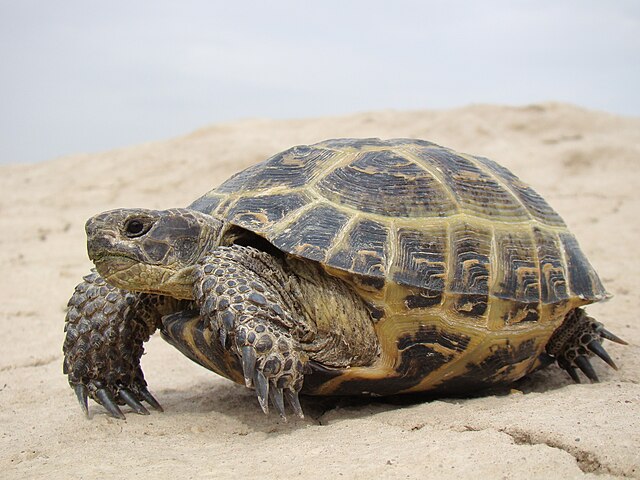
This guide explains proper diet and nutrition management for popular tortoise species including Hermann's tortoise, Russian tortoise, and Leopard tortoise. We also introduce vegetables, fruits, and wild plants that are safe to feed, as well as how to use calcium and vitamin D3 supplements.
Key Takeaways
This guide explains proper diet and nutrition management for popular tortoise species including Hermann's tortoise, Russian tortoise, and Leopard tortoise. We also introduce vegetables, fruits, and wild plants that are safe to feed, as well as how to use calcium and vitamin D3 supplements.
Related Species
The Importance of Providing Proper Diet for Tortoises
Tortoises are completely herbivorous reptiles that eat various wild grasses, shrub leaves, flowers, cacti, and other plants in nature. In captivity, the nutritional balance of their diet directly impacts their long-term health. Calcium deficiency in particular can cause shell deformities (metabolic bone disease / MBD), hind limb paralysis, and poor growth. Tortoises can live over 50 years with proper care and nutrition management, making them long-lived creatures. For this reason, daily food management should be central to their care.
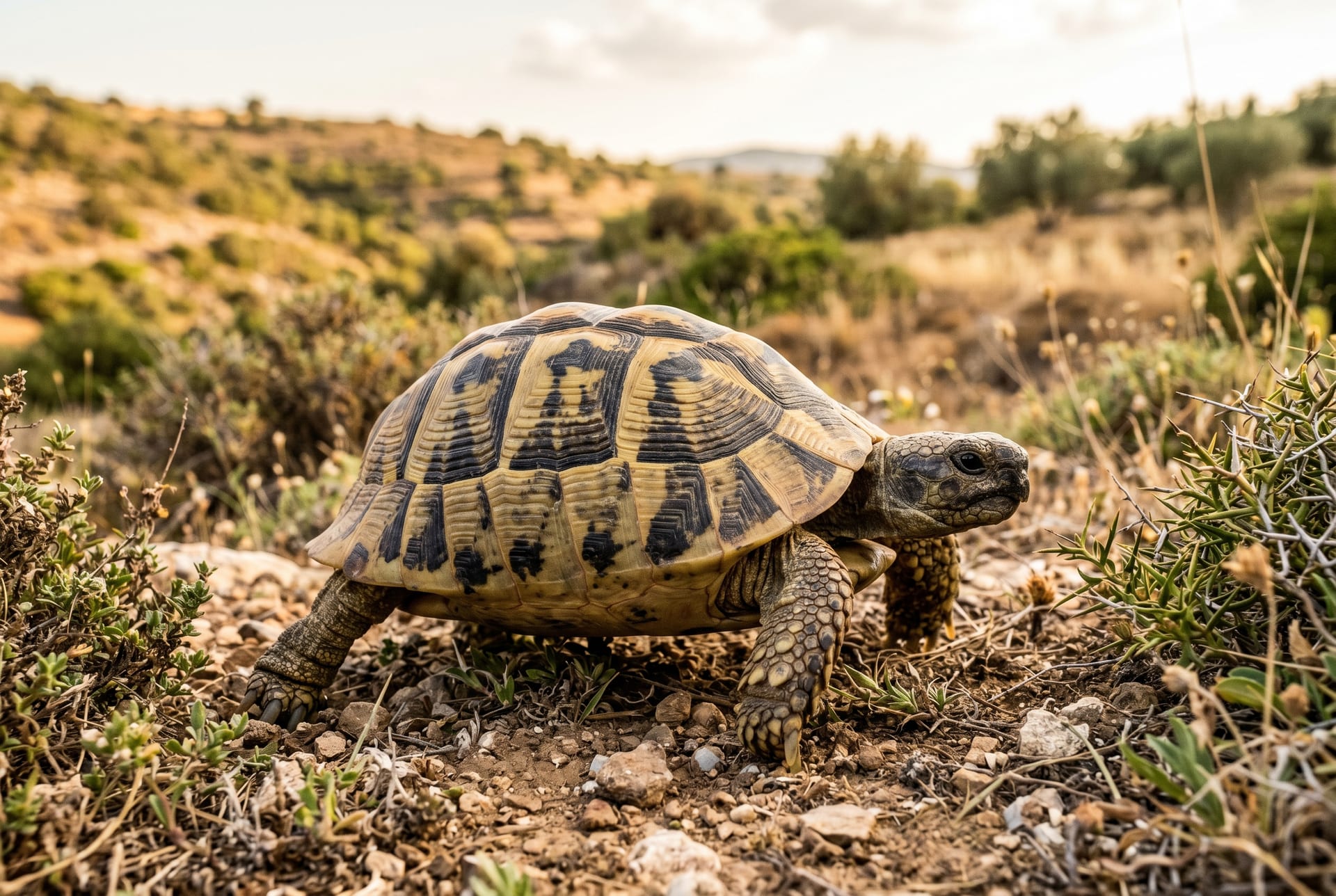
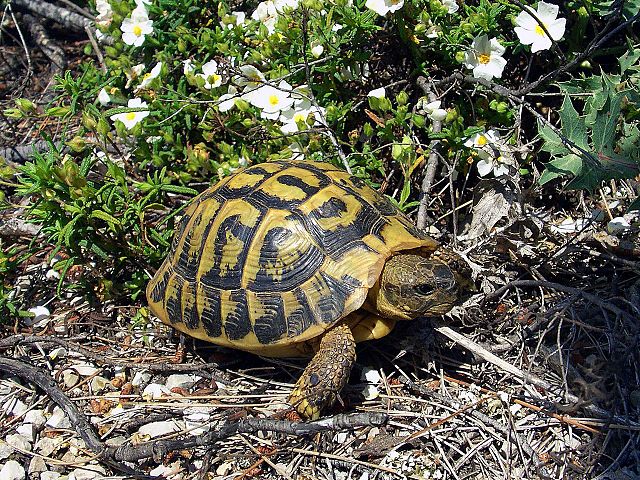
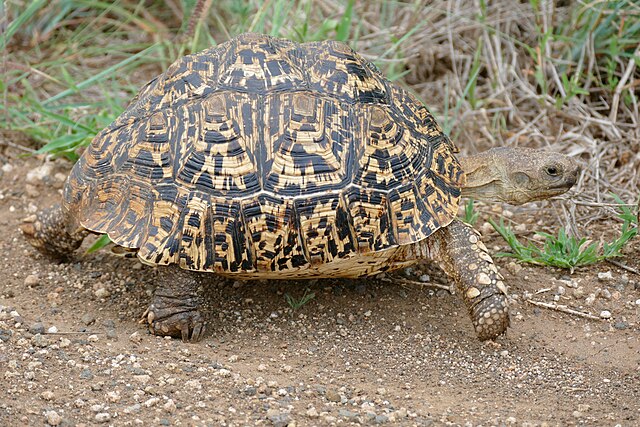
Understanding the origin and feeding habits of the species you keep is the first step toward proper diet management. Leopard tortoises from African arid savannas and Hermann's tortoises from Mediterranean coastal regions have very different plant preferences and water requirements. This guide covers the basic nutrition management principles common to the major species kept in captivity.
Main Diet: Vegetables and Wild Plants High in Fiber
The staple diet for tortoises should consist of plants rich in fiber and low in protein and sugar. A diet high in protein strains the kidneys and contributes to "pyramiding," a condition where the shell develops pyramid-like raised sections.
Vegetables and wild plants to actively feed:
- Komatsuna and bok choy: Rich in calcium and vitamin K, these are excellent staple foods that can be given daily.
- Dandelion leaves and flowers: A wild plant with excellent nutritional balance. When harvesting from gardens or parks, choose areas without herbicide use.
- Endive and escarole: These have a bitter taste but high palatability and are rich in fiber.
- Plantain, chickweed, and clover: Native wild plants are the closest to natural foods. They can be grown year-round on balconies or in indoor planters for continuous supply.
- Kale and mizuna: These are nutrient-dense but contain goitrogens (thyroid-suppressing substances), so limit to 2–3 times per week.
Foods to avoid or restrict:
- Spinach: High in oxalic acid, which significantly impairs calcium absorption.
- Lettuce: High water content with low nutritional value. Iceberg lettuce should especially be avoided.
- Onions, garlic, and chives: Contain toxic compounds and harm the digestive system even in small amounts.
- Legumes and grains: Unnecessarily high in protein and should not be fed.
How to Feed Fruits
Fruits are high in sugar and should only be given as occasional treats in small amounts. A safe guideline is to keep them below 10% of the total diet, with a limit of around 2 times per week. Overfeeding can disrupt gut flora and cause digestive upset or diarrhea.
Fruits that can be fed (in small amounts):
- Strawberries, melon, and apples (pesticide-free preferred)
- Tomato (technically a vegetable but watch sugar content)
- Papaya (rich in digestive enzymes and gentle on the body)
Fruits to avoid:
- Grapes and raisins: Sugar and certain compounds may harm the kidneys.
- Citrus fruits: Highly acidic and irritate the digestive system.
- Avocado: Toxic not only to mammals and birds but also to reptiles.
Species from desert and semi-arid regions (Russian tortoises, Leopard tortoises, and Greek tortoises) eat little to no fruit in nature, so in captivity fruits should be minimized. Conversely, rainforest and island species such as Aldabra giant tortoises actively eat fallen fruit and can be given more.
Calcium and Vitamin D3 Supplementation
The most overlooked yet most important aspect of tortoise care is calcium and vitamin D3 supplementation. Deficiency in these two nutrients leads to metabolic bone disease (MBD), resulting in shell deformities, fractures, and neurological symptoms.
Calcium supplementation: Sprinkle calcium carbonate powder (cuttlebone powder or commercial tortoise calcium supplements) over food. The basic frequency is 2–3 times per week, but daily supplementation is recommended for juveniles and females before and after egg-laying. Placing whole cuttlebones in the enclosure allows individuals to self-regulate by gnawing on them as needed.
Vitamin D3 supplementation: Vitamin D3 is an essential vitamin that helps intestinal calcium absorption and is synthesized in the skin when exposed to ultraviolet (UVB) radiation. If outdoor housing or strong UVB lamps (such as ReptiSun 10.0 or Arcadia T5 12%) are used, D3 supplementation about once per week is sufficient. For indoor environments with insufficient UVB, increase to 2–3 times per week. However, D3 is fat-soluble, and excessive intake can cause calcification of soft tissues. Take care not to oversupplement.
While combination supplements containing both calcium and D3 are available on the market, managing them separately allows for easier adjustment of dosage, so separate supplementation is recommended for beginners.
Hydration and Warm Baths
Tortoises obtain water through their diet and by drinking directly. Always provide a clean shallow water dish (no deeper than one-third of shell height). Change the water daily and ensure it doesn't become contaminated with feces or food remnants.
Warm baths 1–2 times per week promote defecation and help prevent dehydration.
- Water temperature: 35–37°C lukewarm water (about body temperature)
- Depth: One-third to one-half of shell height (deep enough so the nose stays above water)
- Duration: 15–20 minutes
Warm baths are beneficial even for desert species, and during winter they increase activity and appetite after bathing. Always allow the tortoise to dry off in a warm place after bathing. Leaving a wet tortoise in a cool environment increases the risk of respiratory disease.
Adjusting Diet Management by Growth Stage and Season
Tortoise dietary needs change with growth stage and season.
Juveniles (up to ~3 years old): During the skeletal and shell formation period, increase the frequency of calcium and D3 supplementation compared to adults. Ideally feed daily even if intake is small, and remove uneaten food before it spoils.
Adults: Focus on stable nutrition management. Obesity from overeating increases the risk of prolapse, so portion control is especially important for males.
Winter and brumation: Hibernating species such as Hermann's and Russian tortoises experience decreased appetite as temperatures drop. Forcing food can cause spoilage in the intestines, so during brumation transition keep feeding minimal or fasted.
Summer: Higher metabolism and appetite occur during warm months. Increase water-rich wild plants (dandelion and chickweed) and watch for dehydration.
Proper diet management directly impacts a tortoise's lifespan. Use daily feeding as an opportunity to observe changes in appetite, fecal condition, and shell texture—daily monitoring is the best way to maintain health.