Tortoise Enclosure & Garden Care Guide | Proper Housing by Species
A guide to tortoise housing by species. Covers indoor enclosure setup, outdoor garden care, and escape prevention strategies.
Key Takeaways
A guide to tortoise housing by species. Covers indoor enclosure setup, outdoor garden care, and escape prevention strategies.
Tortoises boast an impressive lifespan of over 30 years, allowing them to build deep trust with their owners. Many enthusiasts are captivated by their slow, deliberate movements and individual personality differences—unlike dogs and cats—and in recent years, more lovers have been adopting them directly from breeders.
However, the most critical aspect of tortoise care is "creating an environment suited to the species." Even among tortoises, temperature and humidity requirements vary greatly depending on their native climate. In unsuitable conditions, they are prone to illness, and in severe cases, it can be life-threatening. This article provides detailed guidance—from the characteristics of popular species to indoor enclosure setup and outdoor garden care tips—in a way beginners can implement.
✍️
BreederDirect Editorial
The BreederDirect editorial team specializes in care information for animals, covering veterinary care and breeding to deliver beginner-friendly guides.
Find Reptiles on BreederDirect
Buy directly from verified breeders
Browse Related Listings
Find Reptiles listings related to this article on BreederDirect. Buy directly from verified breeders.
Related Tools
Related Articles
Browse by Category
🪸Coral
🐠Marine Fish
🐟Tropical Fish
🐡Goldfish
🐟Medaka
🦎Reptiles
Share
Popular Tortoise Species and Their Ideal Care Environments
Before acquiring a tortoise, carefully consider which species suits your situation. Species vary significantly in size, temperature-humidity management, and lifespan.
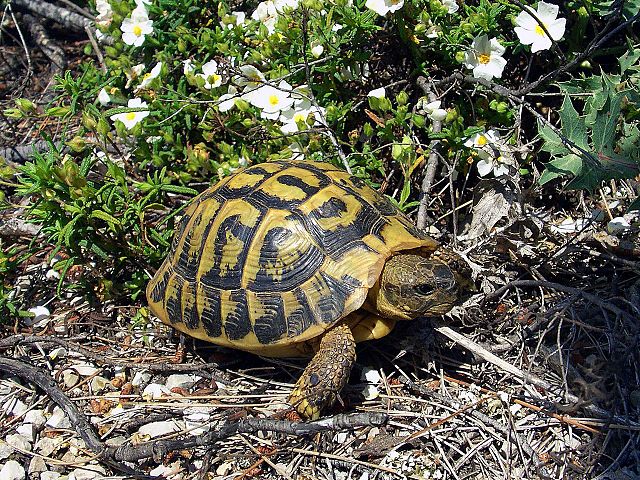
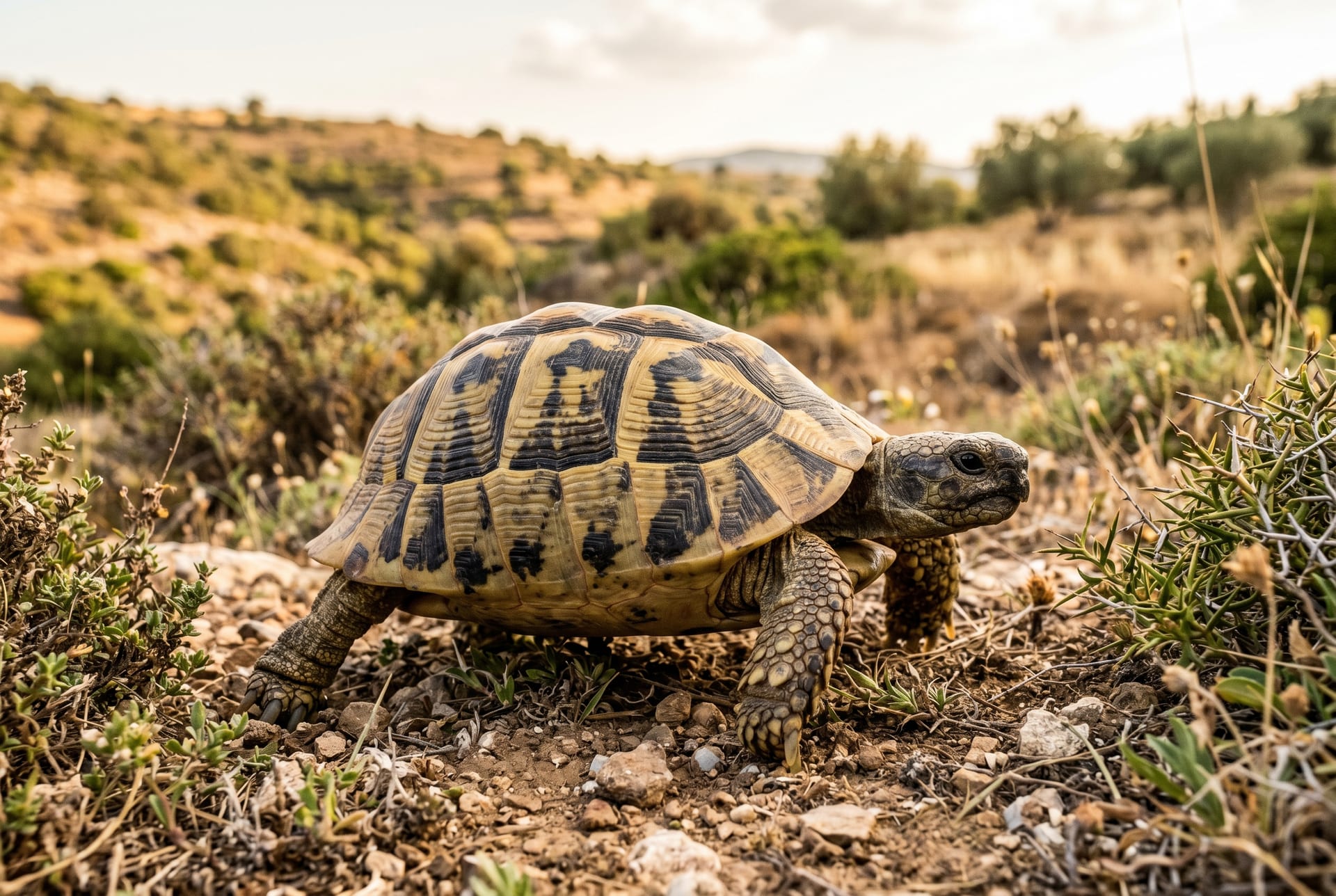
Hermann's Tortoise
Adult Size: 20–25 cm
Temperature: Daytime 25–30°C, basking spot around 32°C
Humidity: 40–60%
Difficulty: ★☆☆ (Beginner-friendly)
A flagship arid-region tortoise native to Mediterranean coasts. Known for a calm temperament and easy habituation to humans, it's the most popular starter species. High humidity can trigger respiratory infections, so ensure good airflow in the enclosure.
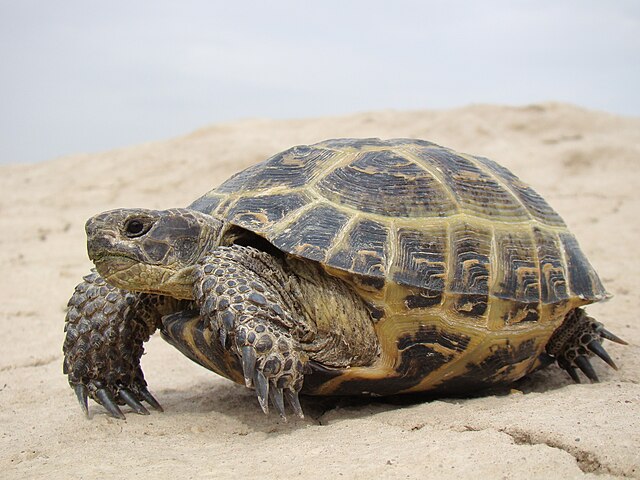
Russian Tortoise (Horsfield's Tortoise)
Adult Size: 15–22 cm (relatively small)
Temperature: Daytime 22–28°C, basking spot around 30°C
Humidity: 40–50%
Difficulty: ★★☆ (Requires some attention)
Native to Central Asia, this species has thick limbs and enjoys digging. They naturally brumate, and proper hibernation management promotes longevity and health. Their small size makes space requirements manageable, making them popular with solo keepers.
Greek Tortoise
Adult Size: 20–30 cm
Temperature: Daytime 25–30°C, basking spot around 32°C
Humidity: 50–70%
Difficulty: ★★☆
While resembling Hermann's tortoises in appearance, Greek tortoises prefer slightly higher humidity. Multiple subspecies exist, and care requirements may vary by origin, so confirm with your breeder at purchase.
Setting Up an Indoor Enclosure
Recommended Enclosure Size
Tortoises are more active than many assume. Cramped conditions cause stress and immune suppression. Use these minimum enclosure size guidelines:
Length: 5–8 times the shell length
Width: 3–5 times the shell length
Example: A Hermann's tortoise with a 20 cm shell needs at least 100 cm × 60 cm
Ideally, prepare a larger enclosure from the start to accommodate future growth.
Essential Equipment and Functions
Equipment
Function
Selection Tips
Basking Lamp
Creates hotspot (30–35°C)
Raises body temperature and aids digestion
UVB Light
Aids vitamin D3 synthesis
Requires replacement every 6–12 months
Water Dish
Hydration & bathing
Shallow and wide (not drowning depth)
Shelter
Hiding place & refuge
Choose size that fits the entire body
Substrate
Moisture retention, footing, digging satisfaction
Coconut husk, red lava soil, soil mix, etc.
UVB light emits invisible ultraviolet radiation, so it may still appear to glow even after degradation. Record usage time and follow manufacturer replacement schedules.
Outdoor Garden Care Tips
During spring through autumn when the climate is suitable, outdoor care offers the most ideal environment for tortoises. Natural sunlight contains wavelengths that artificial light cannot replicate, significantly promoting bone and shell health.
Wide open space allows unrestricted movement and adequate exercise
Tortoises can forage on wild plants (dandelions, plantain, etc.) growing in the yard
Walking on soil naturally wears down nails
Precautions for Outdoor Care
Escape prevention is paramount. Despite their appearance, tortoises are powerful diggers and frequently burrow under fences. Fencing must be buried at least 30 cm below ground—this is non-negotiable.
Predator Protection: Crows, cats, weasels, and other predators pose threats; cover the top with wire mesh
Shade Provision: Always ensure a cool, shaded area away from direct sunlight (prevent heat stress)
Temperature Management: Bring tortoises indoors at night or when temperatures drop below 15°C
Water Supply: Outdoor water evaporates quickly; provide fresh water frequently
Diet and Nutrition Management
Tortoises are herbivorous, feeding primarily on fiber-rich plants.
Foods to Offer
Staples (Daily): Komatsuna (Japanese mustard greens), dandelion leaves, plantain, mulberry leaves, bok choy
Occasional Foods (Several times weekly): Squash, carrot, okra, green beans
Foods to Avoid
Cabbage & Broccoli: Contain goitrogens that impair thyroid function
Spinach: Oxalates inhibit calcium absorption
Excessive Fruit: High sugar content disrupts gut flora (small amounts acceptable)
Animal Protein: Can cause organ disease
Calcium Supplementation
Calcium is essential for shell and bone health. Dust food with calcium powder 3–4 times weekly. Limit vitamin D3-containing supplements to 1–2 times weekly to avoid overdose.
BreederDirect's Trust & Safety Framework
BreederDirect connects you directly with breeders of domestically-bred tortoises.
Unlike pet shops, buying directly from breeders offers significant advantages. You can learn detailed information about the hatching environment, parental lineage, feeding history, and health status—making it easier to prepare an ideal home. Moreover, having a breeder to consult with when questions arise provides peace of mind, especially for beginners.
A tortoise is a partner you'll share decades with once acquired. Choosing a healthy individual from a trustworthy breeder is the foundation of long-term success. Through BreederDirect, find the perfect tortoise for you.