Day Gecko Care Guide: Temperature, Humidity, Enclosure Setup, and Species-Specific Characteristics
A comprehensive guide to caring for Day Geckos (Phelsuma genus), known as living jewels from Madagascar. We've compiled easy-to-understand information about popular species like the Giant Day Gecko and Standing Day Gecko, including their characteristics, terrarium design, and feeding strategies.

Key Takeaways
A comprehensive guide to caring for Day Geckos (Phelsuma genus), known as living jewels from Madagascar. We've compiled easy-to-understand information about popular species like the Giant Day Gecko and Standing Day Gecko, including their characteristics, terrarium design, and feeding strategies.
Related Species
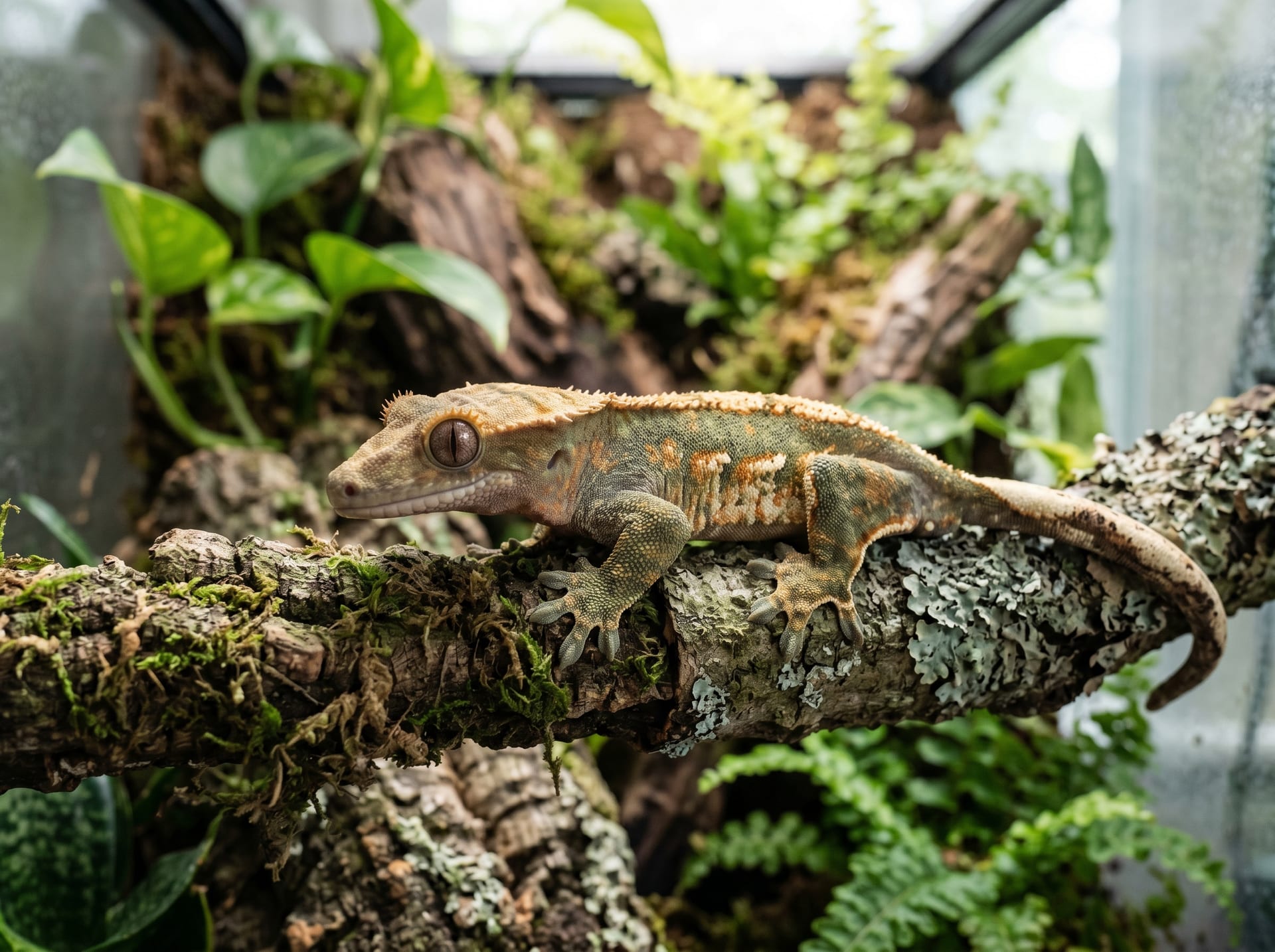
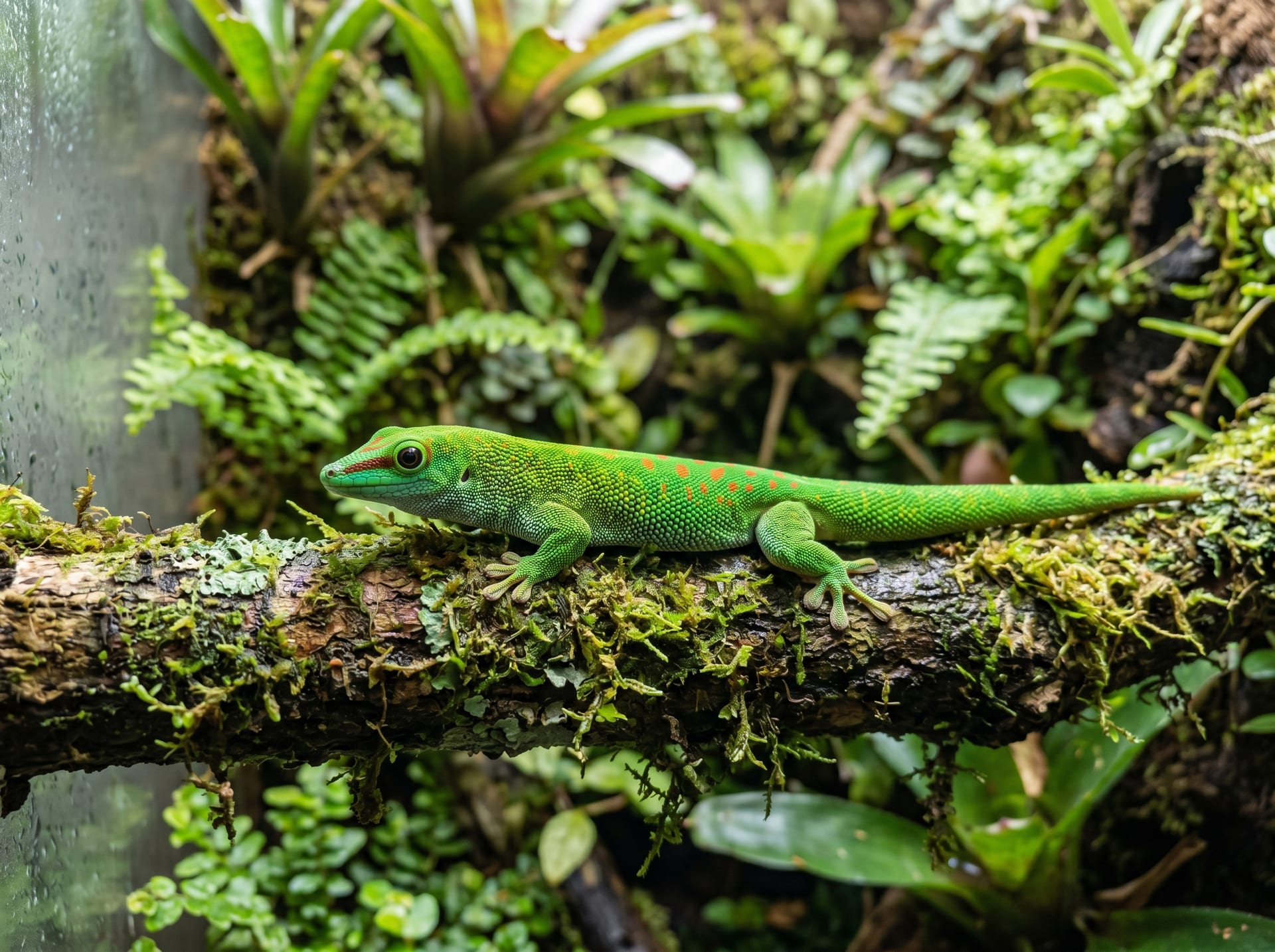
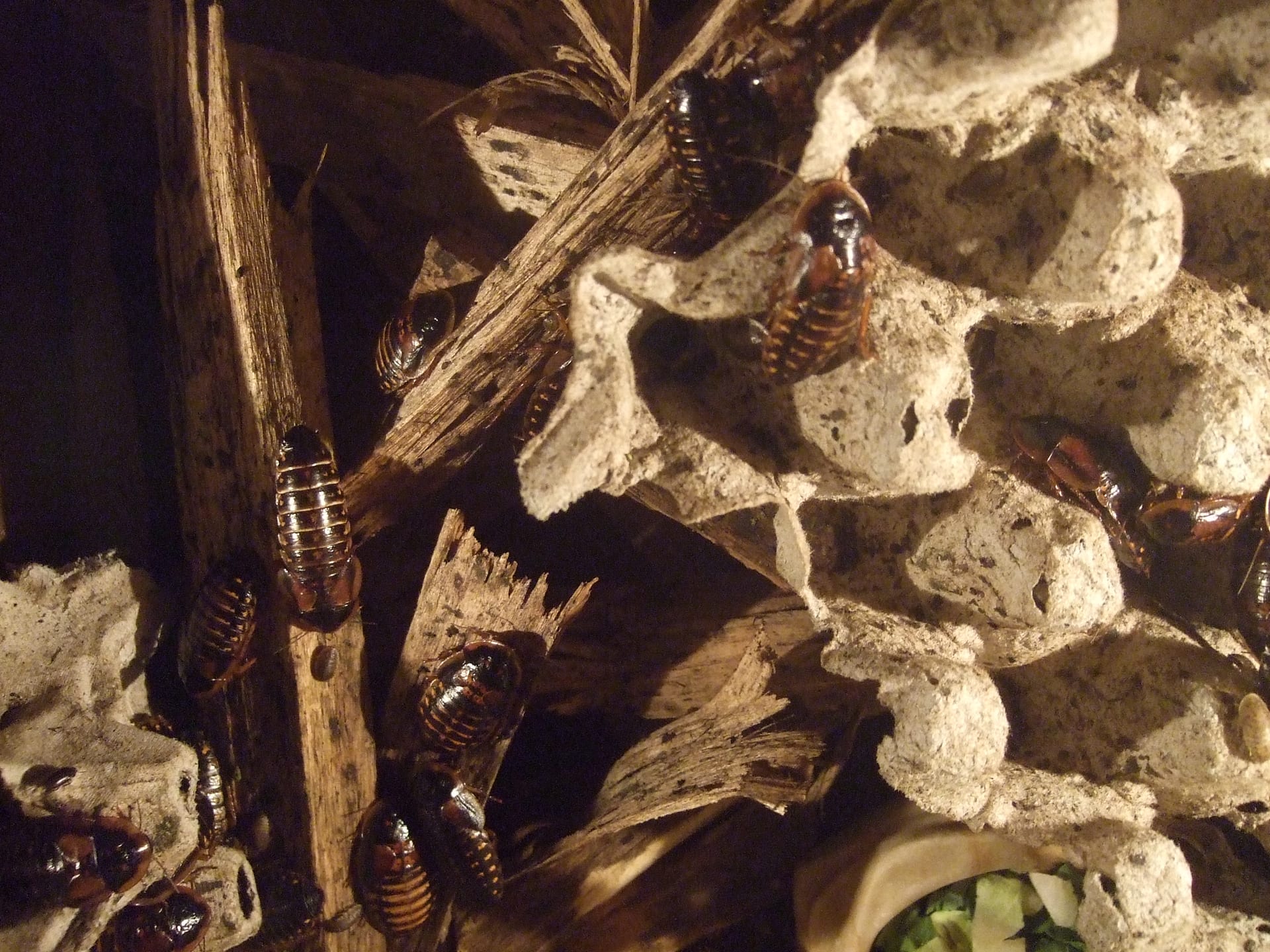
Often called "living jewels," Day Geckos (Phelsuma genus) are highly prized by reptile enthusiasts for their brilliant emerald-green coloration and remarkable daytime activity—a rare trait among geckos. While most gecko species are nocturnal, Day Geckos are diurnal and remain active under natural light or UVB lamps, offering one of the few opportunities to observe gecko behavior during daylight hours. This article provides a detailed overview of Day Geckos' primary species, enclosure setup, feeding, and health management.
Day Gecko Species Overview
The Phelsuma genus comprises over 80 described species, the majority native to Madagascar. Below are the most commonly available species in captive breeding:
Giant Day Gecko (P. grandis) Reaching 25–30 cm in total length, this is the largest species in the genus. Its brilliant emerald-green coloration with striking red spotting makes it the most popular beginner species. Its larger size gives it impressive presence and high aesthetic value.
Standing Day Gecko (P. standingi) Measuring 20–28 cm in length, it is characterized by a gradient from gray-blue to green coloration that becomes increasingly muted with maturity. Alongside the Giant Day Gecko, it is considered beginner-friendly.
Madagascar Giant Day Gecko (P. madagascariensis) Measuring 22–28 cm, this species features distinctive lateral stripes. Subspecific variation by locality offers diverse coloration options, making them highly collectible.
Gold Dust Day Gecko (P. laticauda) A small species measuring 10–12 cm in length, notable for its introduction to Hawaii. Relatively common in the pet trade. Its compact size makes it suitable for space-limited setups.
Neon Day Gecko (P. klemmeri) Despite its diminutive size of 8–10 cm, this striking species exhibits vibrant blue, yellow, and green coloration. It is relatively delicate and better suited for intermediate to advanced keepers.
Enclosure and Environmental Design
Day Geckos are highly arboreal and prefer vertical space. Therefore, tall vertical terrariums are ideal.
Enclosure Size Guidelines (Giant species):
- 45 cm W × 45 cm D × 60 cm H minimum (single specimen)
- 60 cm W × 45 cm D × 90 cm H minimum ideal for pairs or groups
Plant Integration: Include cork bark, driftwood, and abundant foliage plants such as Pothos, Ficus, and Dracaena. Plants help maintain humidity levels. Always verify that plants are safe for your geckos before use. Day Geckos prefer tight spaces between branches; creating multiple hiding spots reduces stress.
Substrate: Use moisture-retentive materials such as coconut husk, forest floor bedding, or terrarium-specific soil.
Temperature, Humidity, and Lighting Management
Temperature Management:
- Basking spot (daytime): 32–35°C
- Enclosure overall (daytime): 26–30°C
- Nighttime: 22–24°C (acceptable; temperature drops promote metabolic balance)
Establishing a temperature gradient is essential. Place a basking lamp at one end of the enclosure while maintaining a cooler zone at the other end.
Humidity Management: Day Geckos prefer high-humidity environments (60–80%). Mist the enclosure twice daily to create water droplets on the walls. Most individuals do not drink from water dishes but instead lap droplets from the enclosure surfaces. Regular misting is essential for proper hydration.
Lighting and Ultraviolet Radiation: Day Geckos are diurnal and require UVB (ultraviolet B) radiation for optimal health. Use 5.0 or 10.0 UVB bulbs with 10–12 hours of daily photoperiod. Inadequate UVB exposure increases the risk of calcium metabolism disorders (metabolic bone disease). Use a timer to maintain a consistent light-dark cycle.
Feeding Strategy and Methods
Day Geckos are omnivorous, consuming both insects and fruits or nectar.
Insects:
- Crickets (appropriately sized to fit within the gecko's head width) are the most readily available staple food
- Dubia roaches, mealworms, and silkworms are also suitable options
- Dusting insects with calcium and vitamin powder before feeding is essential
Fruits and Nectar-Based Foods:
- Ripe mango, papaya, and banana
- Commercial Day Gecko or Crested Gecko Diet (CGD) fruit-flavored formulations
- Diluted pollen and honey
Feeding Frequency:
- Adults: 2–3 times per week
- Juveniles and subadults: Daily to every other day
Day Geckos respond to movement; live insects are preferable. They can be conditioned to accept tong-feeding.
Handling and Important Precautions
Most Day Geckos are nervous and excessive handling causes stress. They readily exhibit autotomy (tail shedding as a defense response), so avoid forceful handling. While tails regenerate, they never fully restore their original form.
Conditioning to handling requires patience and time. Only handle a gecko if it voluntarily crawls onto your open palm; release it immediately if it shows signs of distress. Some individuals may never tolerate handling.
Acquiring a Healthy Specimen from a Breeder
Day Geckos are rarely available through pet stores and are typically obtained through specialized reptile breeders. Through BreederDirect, you can purchase directly from experienced breeders with proven breeding records, gaining direct access to information about the individual's rearing environment and health status. If you are new to Day Gecko keeping, we encourage you to consult with your breeder for detailed care guidance before bringing home your gecko. You will surely be captivated by their vibrant colors and unique behaviors for years to come.