Bearded Dragon Feeding Complete Guide | Age-Specific Diet, Vegetables, Insects, and Supplements
Complete guide to bearded dragon feeding by age. Covers the transition from insect-focused diet in juveniles to 50% vegetables and 50% insects in adults, lists of safe vegetables and insects, prohibited foods, and complete knowledge on using calcium and vitamin D3 supplements.

Key Takeaways
Complete guide to bearded dragon feeding by age. Covers the transition from insect-focused diet in juveniles to 50% vegetables and 50% insects in adults, lists of safe vegetables and insects, prohibited foods, and complete knowledge on using calcium and vitamin D3 supplements.
Related Species
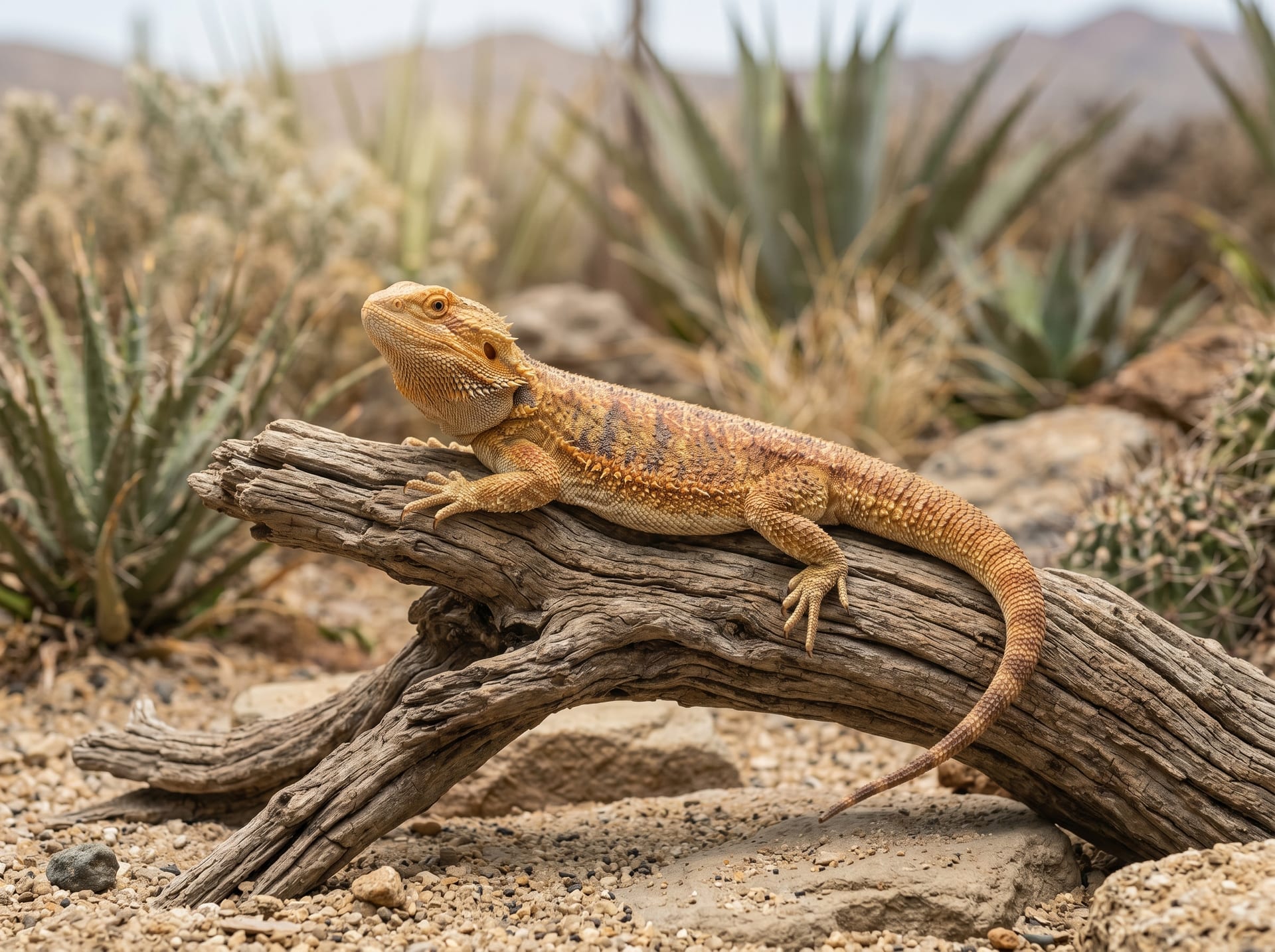
The bearded dragon (Pogona vitticeps) is an omnivorous reptile whose nutritional requirements change dramatically with age. Based on my experience raising hundreds of dragons as a breeder, I've compiled comprehensive feeding knowledge for maintaining health from juvenile to adulthood.
Age-Related Dietary Changes | Think of Juveniles and Adults as Different Species
Bearded dragon diet changes dramatically across growth stages. Without understanding this, adults develop obesity, malnutrition, and metabolic bone disease (MBD).
Juvenile (0–6 months): 70% insects, 30% vegetables
From hatching through 6 months of age is the rapid growth period. Protein demand is extremely high, making insects the dietary staple. Feed 2–3 times daily, offering 10–20 insects no larger than the dragon's head per feeding. Leave vegetables available in the enclosure at all times; let them eat as much as they will.
Sub-adult (6–12 months): 50% insects, 50% vegetables
Growth rate slows and the importance of plant-based food increases. Reduce feeding to 1–2 times daily and deliberately increase vegetable variety. Dragons not acclimated to vegetables during this period often refuse them as adults.
Adult (12+ months): 50% vegetables, 50% insects
Complete omnivorous balance. Feed vegetables and insects equally. Feeding frequency can be once daily or every other day. Excess protein increases risk of gout and kidney disease, so avoid overfeeding insects.
Safe Vegetables and Leafy Greens | Types Suitable as Daily Staples
Select vegetables by nutritional value and calcium-to-phosphorus ratio (Ca:P). A ratio of 2:1 or higher is ideal.
Leafy greens safe to feed daily
- Bok choy: Excellent Ca:P ratio and high moisture content. Best staple vegetable for value
- Mustard greens: High calcium and rich in vitamin K. Excellent nutritional density
- Endive: Aids hydration and dragons readily eat it
- Turnip greens: Good nutrient balance and readily available
Vegetables safe 2–3 times weekly
- Squash (peeled): Vitamin A source. Contains sugar, so not a staple
- Grated carrot: Rich in beta-carotene. Use as a small topping only
- Bell peppers (red, yellow): High in vitamin C. Use as a feeding incentive
- Okra: Mucilage aids digestion
Fruits (as treats, a few times monthly maximum)
- Strawberries, mango, melon in small amounts. High sugar content; do not use as staple
Safe Feeding Insects | Balancing Nutrition and Availability
Primary feeder insects
- Two-spotted crickets and European house crickets: Most popular staple feeders. Easy to obtain and simple to gut-load. Drawbacks include noise and odor
- Dubia roaches (Argentine black and white roach): Excellent protein and fat balance. Silent, odorless, and difficult to escape, making care easier. Especially recommended for breeders
- Silkworms (domesticated silkmoth larvae): High protein and low fat—an excellent insect. Superior digestibility; ideal for post-illness recovery and juvenile colony establishment. Higher cost
Supplementary insects (1–2 times weekly)
- Mealworms: High fat content; use supplementarily only, not as staple. Offer to adults in small amounts
- Waxworms (greater wax moth larvae): High-fat, high-calorie. Effective during anorexia or post-breeding recovery, but do not use regularly
- Black soldier fly larvae (BSFL): Excellent Ca:P ratio with high calcium content. An emerging quality feeder
Importance of gut-loading
Gut-load insects 24–48 hours before feeding by providing them with high-nutrition food (bok choy, carrot, or commercial gut-load products). Empty insects provide virtually no nutritional value. Many breeders neglect this, causing malnutrition in their dragons.
Prohibited Foods | These Can Cause Fatalities
Absolutely prohibited vegetables and plants
- Spinach: Rich in oxalic acid, which inhibits calcium absorption. Regular feeding causes MBD and kidney stones
- Avocado: Contains persin toxin. Even small amounts may cause organ damage
- Onions, garlic, chives, leeks: Thiosulfates destroy red blood cells
- Rhubarb: High in calcium oxalate; highly toxic
- Iceberg lettuce: Excessive moisture causes diarrhea; nutritionally empty
- Broccoli, cabbage: Goitrogens inhibit thyroid function. Small amounts are acceptable but never as staple
Prohibited insects and other items
- Fireflies: Luciferin is highly toxic. Even small amounts can be fatal
- Wild-caught insects: High risk of pesticides, parasites, and pathogens. Always use captive-bred specimens
- Pinky mice (juvenile mice): High in fat and protein; overloads kidneys and liver
Using Calcium and Vitamin D3 Supplements
MBD (metabolic bone disease) is the most common cause of death in bearded dragons. Along with proper UVB lighting, supplement management is essential for maintaining health.
Calcium (without vitamin D3)
- Dust insects before feeding. Juveniles: every feeding. Sub-adults: 4–5 times weekly. Adults: 3–4 times weekly
- Why choose D3-free: In environments with adequate UVB lighting, vitamin D3 self-synthesizes naturally. Using D3-supplemented products at every feeding creates overdose risk
Calcium (with vitamin D3)
- Even with UVB lighting, use D3-supplemented calcium 1–2 times weekly
- If UVB insufficiency is suspected (completely indoor care), increase to 3 times weekly
Multivitamin supplements
- Feed 1–2 times weekly, dusted on food. Excess vitamin A inhibits vitamin D3 function, so avoid overdosing
- Use reptile-specific products such as Reptile Life Herping or Repti-Cal
Dusting method
Place insects and supplement together in a small zip-lock bag and gently shake to coat lightly. Thick coating reduces feeding response.
Feeding Frequency, Portion Sizes, and Hydration
Feeding frequency (age summary)
| Age | Feedings per day | Insects per feeding | Vegetables |
|---|---|---|---|
| 0–3 months | 2–3 times | 20–30 | Always available |
| 3–6 months | 2 times | 15–20 | Always available |
| 6–12 months | 1–2 times | 10–15 | Daily replacement |
| 12+ months | Once daily–every other day | 5–10 | Daily replacement |
Feed during morning hours (1–2 hours after lights turn on). Digestion requires UVB and body heat, making evening feeding a cause of digestive upset.
Hydration methods
Bearded dragons rarely drink from water bowls. Combine these methods to provide adequate water:
- Warm soaking (2–3 times weekly): Soak in 95–100°F lukewarm water for 15–20 minutes. Promotes shedding, defecation, and hydration
- Water from vegetables: Moisture-rich greens like bok choy are the primary water source
- Syringe feeding (as needed): During suspected dehydration or juvenile colony establishment, dispense a few drops directly near the mouth with a syringe
- Misting (1–2 times weekly): Some dragons drink when misted directly on the face
Summary
The two most important aspects of bearded dragon feeding are "age-appropriate dietary balance" and "calcium management." Feed juveniles plenty of insects to promote growth, then gradually increase vegetables to 50% of the adult diet. This gradual transition prevents anorexia.
Never use wild-caught insects; use only captive-bred insects from gut-loaded sources. This is the minimum standard breeders must maintain. Proper feeding management produces healthy individuals with lifespans approaching 20 years.