Kingsnake and Milksnake Care Guide | Complete Guide to Hardy, Beginner-Friendly Pet Snakes
Comprehensive guide to caring for kingsnakes and milksnakes. Learn the characteristics of popular subspecies like California kingsnakes and Sinaloan milksnakes, proper temperature management, feeding techniques, and breeding methods. This complete guide is useful for beginners and aspiring breeders alike.
Key Takeaways
Comprehensive guide to caring for kingsnakes and milksnakes. Learn the characteristics of popular subspecies like California kingsnakes and Sinaloan milksnakes, proper temperature management, feeding techniques, and breeding methods. This complete guide is useful for beginners and aspiring breeders alike.
Related Species
What Are Kingsnakes and Milksnakes?
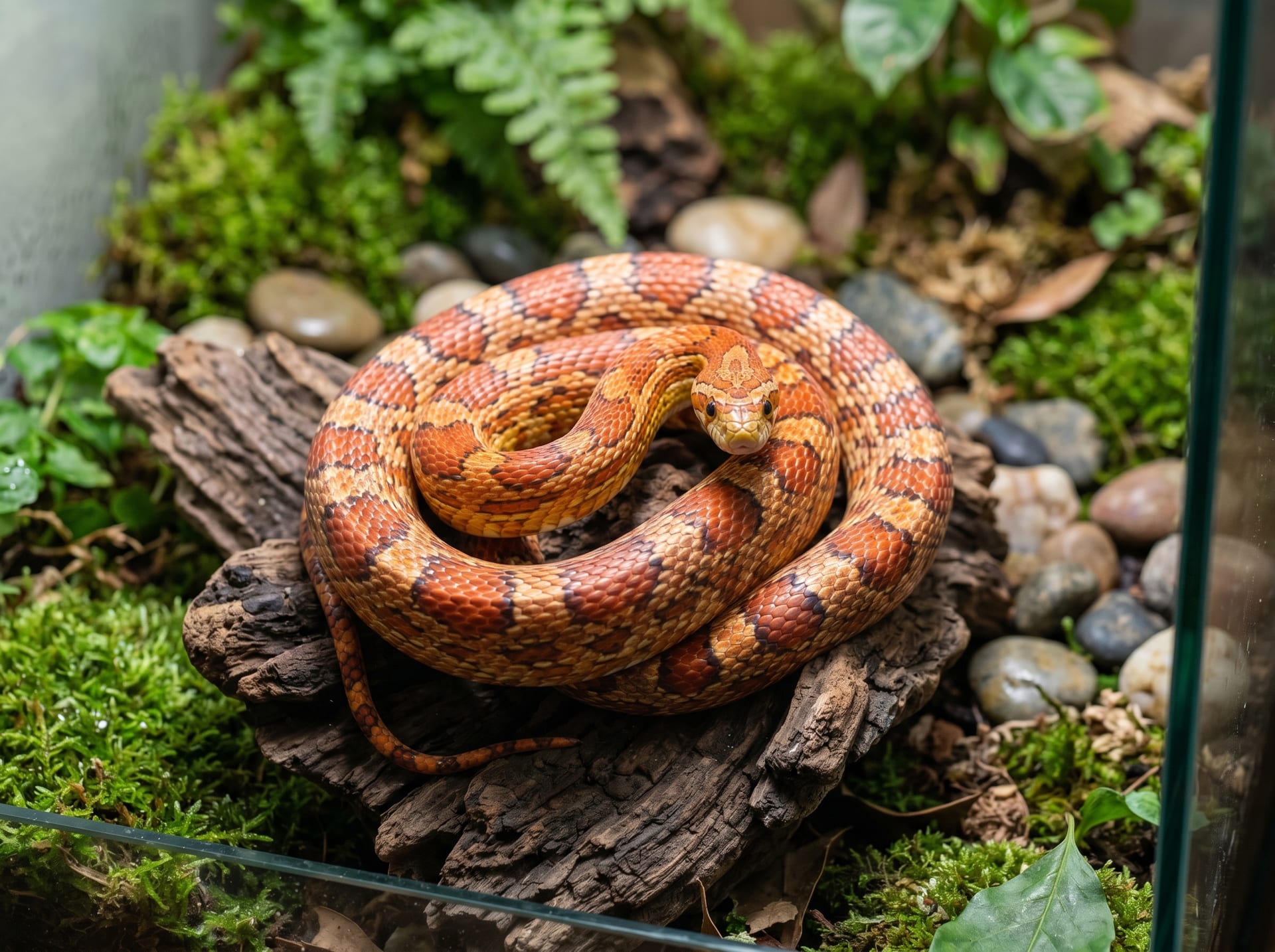
The kingsnake genus (Lampropeltis spp.) are non-venomous snakes from the Colubridae family distributed primarily throughout North America. The name "king" derives from their ability to prey on other snakes, including venomous species—they are known to combat rattlesnakes and moccasins while possessing immunity to their venom.
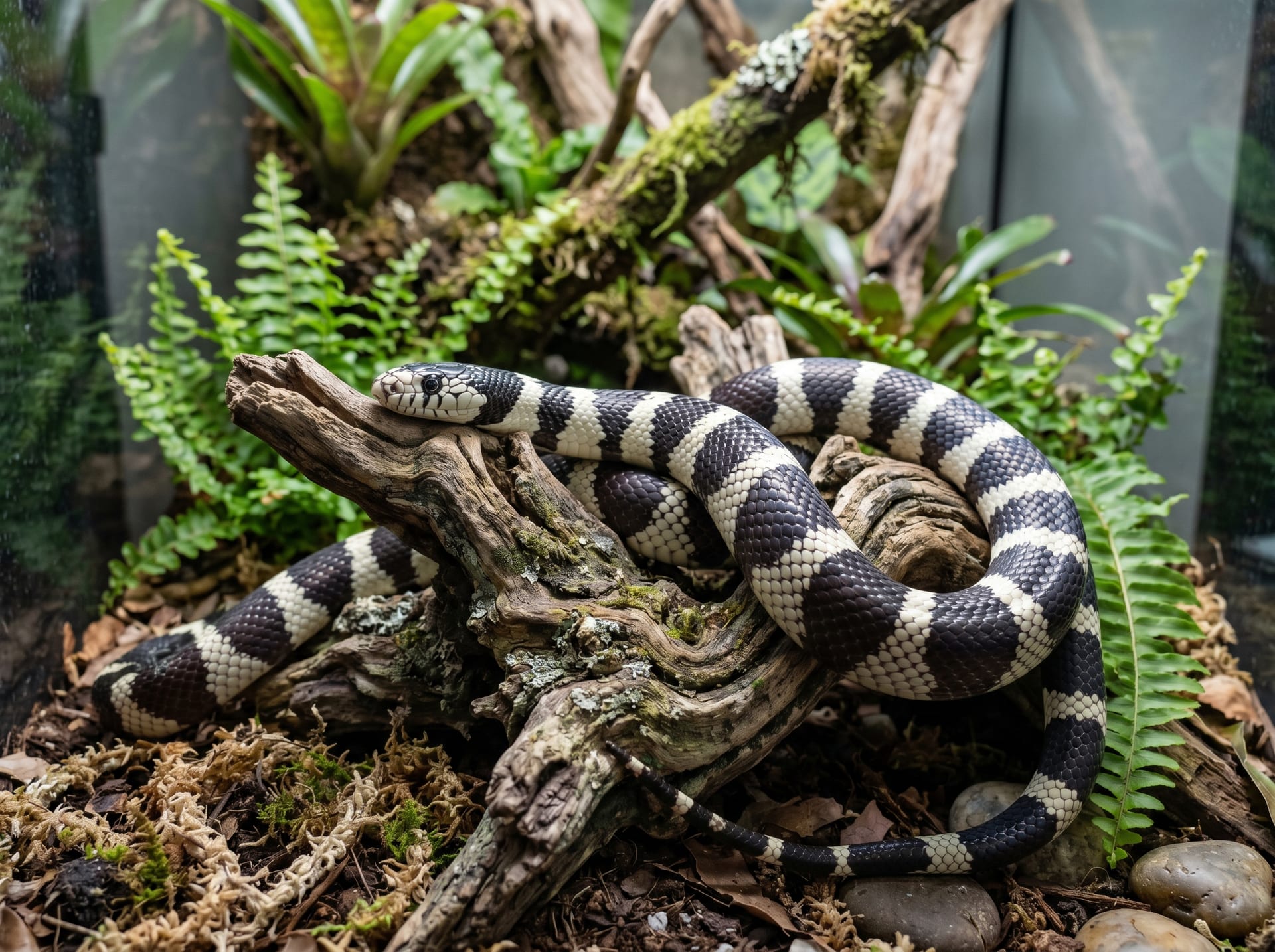
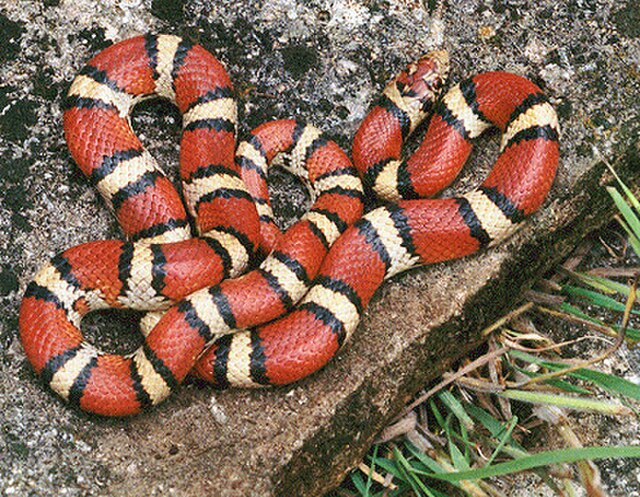
In Japan, the California kingsnake (L. californiae) is the most widely available, typically displaying black and white striping or banding patterns. The milksnake (L. triangulum complex) is popular for its vibrant red, black, and white or red, black, and yellow banding that mimics the venomous coral snake, creating a beautiful appearance.
Representative species and subspecies:
| Scientific Name | Common Name | Total Length | Characteristics |
|---|---|---|---|
| L. californiae | California kingsnake | 90–120 cm | Easiest to keep. Diverse morphs available |
| L. getula | Common kingsnake | 100–180 cm | Large. Hardy and long-lived |
| L. triangulum sinaloae | Sinaloan milksnake | 100–150 cm | Beautiful vibrant red banding |
| L. triangulum hondurensis | Honduran milksnake | 120–180 cm | Large with deep red coloration |
| L. pyromelana | Arizona mountain kingsnake | 60–90 cm | Mountain habitat. Prefers cooler temps |
| L. mexicana | Mexican kingsnake | 60–90 cm | Small and easy to handle |
Equipment Needed for Captive Care
Enclosure Selection and Sizing
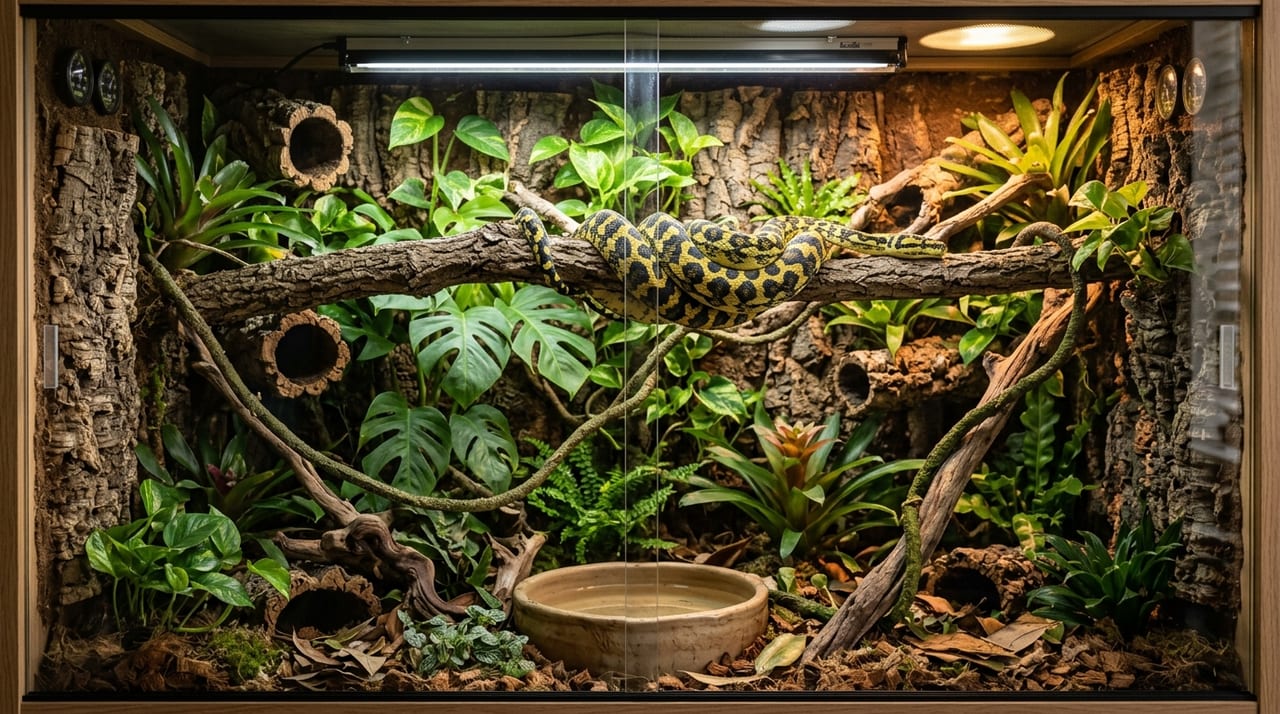
Kingsnakes and milksnakes are active and curious snakes. Like corn snakes, they require appropriately sized enclosures.
Recommended enclosure sizes:
- Hatchlings (≤50 cm): 30×30 cm minimum
- Juveniles (50–100 cm): 60×30 cm minimum
- Adults (≥100 cm): 90×45 cm minimum
Important note: Kingsnakes and milksnakes are ophiophagous (snake-eaters), so cohabitation and multi-snake housing must be strictly avoided. Even same-species individuals may cannibalize each other. Front-opening glass or acrylic enclosures are easiest to work with, and secure locking mechanisms on the lid are essential.
Temperature and Humidity Management
Temperature settings:
- Hot spot: 32–35°C
- Cool side: 22–26°C
- Night: 18–22°C
Install an under-tank heat pad covering approximately one-third of the enclosure, controlled by a thermostat. Mountain-dwelling species like the Arizona mountain kingsnake prefer slightly cooler temperatures (hot spot 28–30°C).
Humidity:
- Normal conditions: 30–50% (dry to moderate)
- Pre-shedding: 50–60%
California kingsnakes prefer relatively dry conditions. Excess humidity can cause skin diseases, so ensure good enclosure ventilation.
Substrate
Recommended substrates:
- Aspen shavings: Most popular and easy to manage
- Paper towels (hatchlings): Easy to keep clean and monitor health
- Coconut husk chips: Good moisture retention around shedding
Avoid conifer-based substrates (pine shavings) due to concerns about respiratory issues from volatile compounds.
Shelter and Environmental Enrichment
Kingsnakes are active and benefit from shelters (hides) along with climbing branches and driftwood for enrichment. However, avoid overly complex environments that make cleaning difficult—strike a balance.
Feeding
Food Types and Frequency
In the wild, kingsnakes and milksnakes primarily eat small mammals, lizards, snakes, and bird eggs. In captivity, frozen mice and rats are the standard diet.
Feeding frequency:
- Hatchlings (≤50 g): Once every 5–7 days, pinky mice
- Juveniles: Once weekly, fuzzy to hopper mice
- Adults: Once every 7–14 days, adult mice to small rats
Food size should be approximately equal to or slightly smaller than the thickest part of the snake's body.
Thawing and Feeding Methods
Thaw frozen mice in 40°C water until completely warmed through to the center before offering with tongs. Microwave thawing is prohibited (internal burning reduces nutritional value and causes digestive issues).
Kingsnakes are enthusiastic feeders with relatively few refusal issues, but they may not eat during pre-shedding, after environmental changes, or during cooling periods. When these causes are identified, adjust the environment and wait for normal feeding to resume.
Caution: Post-Feeding Handling
Avoid handling for 24–48 hours after feeding. Touching a snake during digestion can cause regurgitation. Additionally, wash your hands thoroughly before handling (especially after handling other snakes) to reduce the risk of the snake mistaking food odors and striking.
Handling
Kingsnakes and milksnakes have individual temperaments; nervous individuals may bite. Hatchlings and recently imported snakes are especially defensive. Although they are non-venomous, use a hook for gradual approach and acclimate the snake slowly.
When handling:
- Avoid facing the snake; support the ventral surface from the side
- Start with 5–10 minute sessions and gradually extend duration
- Avoid handling during pre-shedding (when eyes are milky white)
- Never handle within 24–48 hours of feeding
Acclimated individuals become very docile and can be safely handled by children.
Breeding
Kingsnakes and milksnakes breed relatively easily, with California kingsnakes being popular as beginner breeding species.
Breeding Age and Individual Preparation
- Males: 18–24 months old, 80 cm or longer, 200 g or heavier
- Females: 24–36 months old, 80 cm or longer, 350 g or heavier (adequate weight is critical)
Increase the female's weight substantially starting in autumn before breeding. Since weight drops significantly during egg-laying, pre-breeding nutrition is key to success.
Cooling Period (Winter Temperature Management)
Cooling schedule:
- Late October: Stop feeding and allow 2 weeks for intestinal clearance
- November–January: Gradually lower temperature to 12–15°C
- February–March: Gradually return to normal temperature
- March–April: Resume feeding, then begin pairing
Continue providing water during cooling. Shortening the light cycle (8 hours or less) enhances effectiveness. If weight loss exceeds 10%, halt cooling.
Mountain species like Arizona mountain kingsnakes may require longer, cooler periods (10–12°C for 3–4 months).
Pairing
After cooling, return to normal temperatures and resume feeding. After 2–3 feeding cycles, introduce the male to the female's enclosure. After confirming mating, separate them. Repeat pairing every 1–2 weeks for higher success rates.
Mating confirmation signs:
- Male aligns his body along the female's back
- Tail intertwining and cloacal alignment are visible
Egg Laying and Incubation
Females lay eggs 4–6 weeks after mating. Provide a laying box (container filled with moistened vermiculite or sphagnum moss) in the enclosure.
Typical clutch data:
- California kingsnakes: 5–12 eggs
- Milksnakes: 6–15 eggs (varies by species and subspecies)
After laying, move eggs to an incubator. Do not rotate the eggs (mark the top with a pen for safety).
Incubation settings:
- Temperature: 27–29°C
- Humidity: 80–90% (using perlite)
- Incubation period: 55–70 days
If an incubator is unavailable, maintain eggs in a temperature-stable room. Large temperature fluctuations reduce hatch rates, so select the most stable location possible.
Hatchling Management
Do not feed hatchlings immediately after hatching. Wait for the first shed (1–2 weeks later), then begin feeding with SS to S-sized pinky mice.
California kingsnake hatchling characteristics:
- Extremely active immediately after hatching with strong escape tendencies
- Many individuals are nervous, though become docile with acclimation
- Food refusal is rare; most hatchlings readily accept frozen pinky mice from the start
Morphs (Color Variations)
California kingsnakes have numerous established morphs.
Major California kingsnake morphs:
- Albino: Most widespread morph. Loss of black pigment transforms black-and-white banding to white-and-orange banding
- Lavender: Soft coloration with blue tones
- High Yellow: Morph with strong yellow coloration
- Apache: Irregular, disrupted banding patterns
- Striped: Vertical stripes instead of typical banding
- Aberrant: Partial banding collapse creating unique patterns
Milksnakes have numerous lines developed through albino and subspecific crosses.
Health Management and Precautions
Mouth rot (stomatitis): Develops from post-feeding wounds or environmental stress. Signs include pus around the mouth. Seek veterinary care promptly.
Respiratory infections: Caused by excess humidity or low temperatures. Signs include mouth breathing, nasal discharge, and wheezing. Adjust temperature and humidity, and consult a veterinarian.
Mites: Common in imported individuals. Tiny red to black spots visible between scales and around eyes indicate infestation. Move the individual to a separate container and treat with warm soaks (30°C, 15 minutes) repeated regularly along with complete substrate changes.
Caution: Cohabitation strictly prohibited: Kingsnakes and milksnakes may prey on other individuals. Multi-snake housing of any kind—beyond short-term pairing—must be absolutely avoided.
Conclusion
Kingsnakes and milksnakes stand alongside corn snakes as the premier beginner reptiles. They are hardy, rarely refuse food, and when properly managed, live long lives (many exceed 15–20 years) while offering rewarding breeding opportunities. Provided you follow the strict no-cohabitation rule, care is relatively straightforward. When purchasing from a breeder, selecting captive-bred (CB) individuals already eating frozen mice ensures a smooth start to keeping these rewarding snakes.