Hognose Snake Care & Breeding Guide | Complete Knowledge for Beginner Snakes with Adorable Playing Dead Behavior
Comprehensive guide to hognose snake care and breeding. Explains the reason behind distinctive behaviors like playing dead and hissing threats, proper temperature and humidity management, feeding techniques, and breeding methods—a complete resource useful for both beginners and aspiring breeders.
Key Takeaways
Comprehensive guide to hognose snake care and breeding. Explains the reason behind distinctive behaviors like playing dead and hissing threats, proper temperature and humidity management, feeding techniques, and breeding methods—a complete resource useful for both beginners and aspiring breeders.
Related Species
What Kind of Snake Is the Hognose Snake?
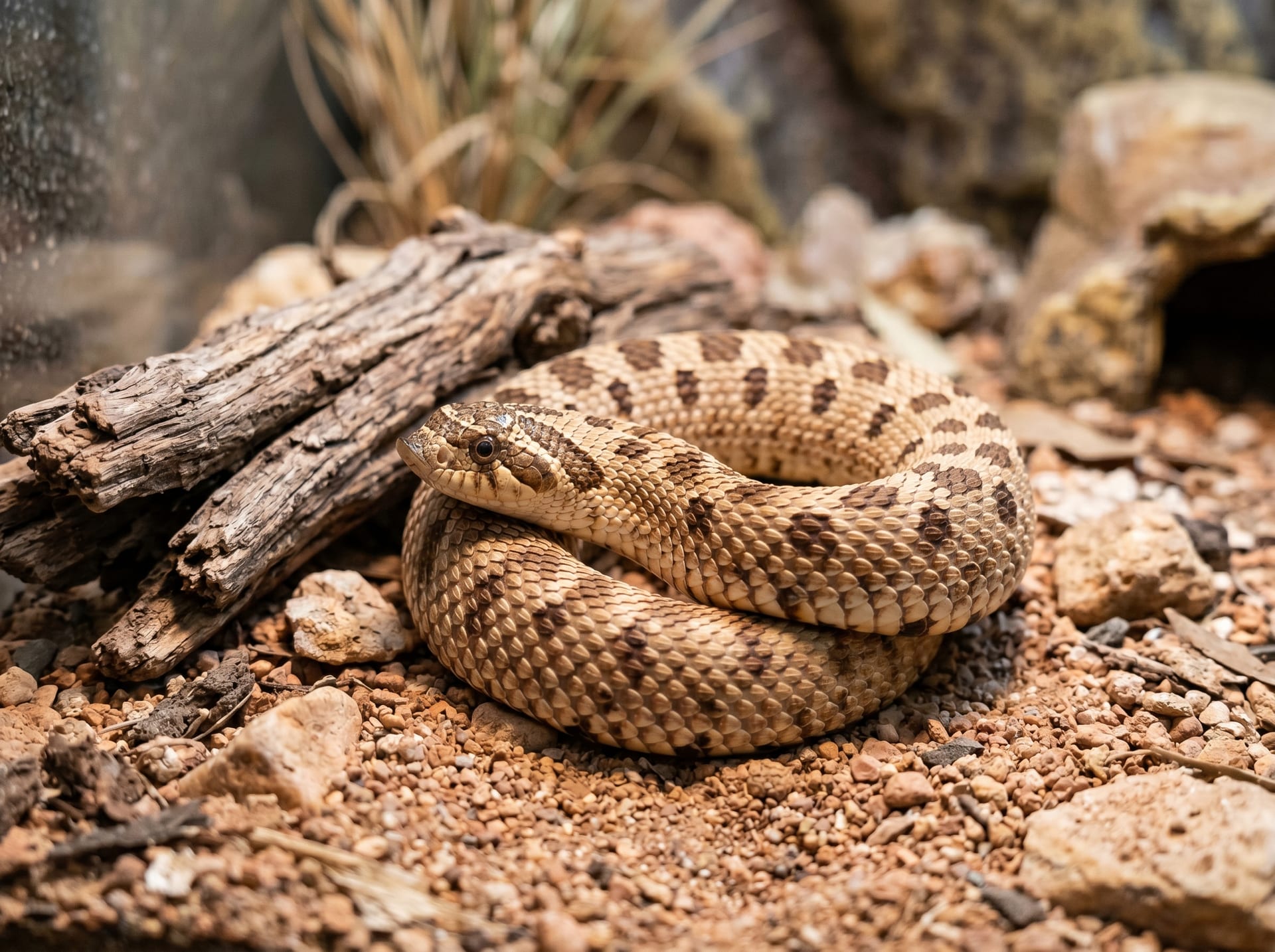
The hognose snake (Western Hognose Snake / Heterodon nasicus) is a small to medium-sized snake native to North America. In Japan, it's affectionately called "hognose," and in recent years it has become one of the most popular species amid the reptile boom.
Its defining characteristic is its remarkably distinctive defensive behavior. When threatened, it flattens its neck to appear cobra-like and lets out a loud "hiss," but this is largely bluff. If that doesn't work, it flips over, opens its mouth, sticks out its tongue, and plays dead (thanatosis)—a special trick that delights many fans. This endearing behavior has captivated numerous enthusiasts.
Basic Information:
- Total length: Males 40–60 cm, females 60–90 cm
- Lifespan: 10–15 years (with proper care)
- Native range: North America (southern Canada to northern Mexico)
- Venom: Possesses weak rear-fang venom (Duvernoy's gland venom), but poses virtually no threat to humans
- CITES: Not listed (no special permit required for import or keeping in Japan)
Equipment Required for Care
Choosing a Cage and Size
Hognose snakes are not active wanderers; they are terrestrial snakes that prefer crawling along the ground. A cage that prioritizes floor area over height is appropriate.
Recommended Sizes:
- Baby (40 cm or under): 30×30 cm minimum
- Young to Adult (males): 45×30 cm minimum
- Adult (females): 60×40 cm minimum
Glass or acrylic cages designed for reptiles are standard. Front-opening enclosures are particularly convenient for feeding and cleaning. Many keepers also use DIY plastic containers; this works fine as long as ventilation is adequate and escape is prevented. Hognose snakes are surprisingly good escapists, so choose a lid that locks securely.
Temperature and Humidity Management
Temperature Settings:
- Basking spot: 32–35°C
- Cool side: 22–26°C
- Nighttime: 20–24°C
The basic setup is to place an under-tank heater (floor pad) on 1/3 to 1/2 of the cage and control it with a thermostat. A basking lamp can be added, but it's not essential for hognose snakes. Always measure temperature with an infrared thermometer and use a digital thermometer as backup.
Humidity Management:
- Normal conditions: 30–50% (prefers dry environments)
- Before shedding: Raise to 50–60%
Hognose snakes inhabit dry grasslands and sandy areas, so they dislike high humidity like Japan's rainy season. Substrate that remains constantly wet causes skin diseases (scale rot), so be careful.
Substrate Selection
Hognose snakes enjoy digging behavior (burrowing). Substrate that allows adequate depth (5–10 cm) is ideal.
Recommended Substrates:
- Aspen shavings (broadleaf wood shavings): Most popular. Suitable for digging and offers good visibility
- Sand-type substrates (corn sand, reptile-grade sand): Recreates a natural environment
- Coconut husk fiber (husk chips): High moisture retention, effective before and after shedding
Coniferous wood shavings (pine shavings, etc.) contain volatile compounds that can affect the skin and respiratory system, making them unsuitable for hognose snakes.
Shelter
A hide is essential. Placing one on the warm side and one on the cool side of the enclosure allows for thermoregulation while keeping the snake secure. The ideal size allows the snake's body to fit snugly—too large and it becomes anxious.
Feeding: Addressing the Major Challenge of Hunger Strikes
The most difficult aspect of hognose snake care is feeding. In the wild, they primarily eat toads, so they are known for refusing frozen mice.
Establishing Feeding in Babies
Individuals purchased from breeders are usually already acclimated to frozen pinky mice, though rarely, wild-caught individuals may continue refusing food.
Techniques for Overcoming Refusal:
- Scenting: Rubbing toad or lizard scent on frozen mice. In Japan, some use reptile food extract.
- Japanese toad scent: With permission, collect a wild toad, rub it on a mouse (then always release the toad).
- Brain spiking: Splitting the head of a frozen pinky mouse to expose brain scent. Often effective.
- Temporary live feeding: Using live pinky mice to introduce the snake to the scent. Carry risk of bite wounds, so must transition to frozen once accustomed.
Feeding Frequency and Size
- Baby (50 g or under): Once every 3–5 days, pinky mice (SS to S)
- Young (50–200 g): Once every 5–7 days, pinky or fuzzy mice
- Adult: Once every 7–10 days, hopper to adult mice
The prey size should match the thickest part of the snake's body. Males are smaller than females, so sizing appropriately is important.
Thawing Method
Never thaw frozen mice in a microwave. Thaw in 40°C water and confirm the center is completely warm before offering with tongs.
Handling Tips
Hognose snakes may startle with their cobra pose or playing dead, but they are basically docile snakes. However, avoid handling for 24–48 hours after feeding (causes digestive problems or regurgitation).
Unaccustomed individuals should start with short sessions (5–10 minutes) and gradually increase duration. Even if the snake assumes a cobra pose, remaining calm will cause it to settle down. Bites are extremely rare, but if bitten, wash the wound with running water (though toxicity is low, allergic reactions may occur).
Breeding Method
Hognose snakes breed relatively easily and are popular among breeders.
Breeding Age
- Males: 18–24 months post-hatch, 100g or more body weight
- Females: 24–36 months post-hatch, 250g or more body weight
Female body weight is key to breeding success. Insufficient weight risks severe weakening after egg-laying.
Cooling (Winter Dormancy Period)
A cooling period simulates a natural breeding cycle.
Example Cooling Schedule:
- October–November: Gradually reduce feeding and lower cage temperature 1–2°C per week
- Late November–January: Cool side 15–18°C, warm side 20–22°C (provide water constantly)
- February–March: Gradually raise temperature and resume feeding
- March–April: Begin pairing
Stop feeding entirely during cooling (food rots without proper digestion). If body weight drops more than 10%, consider stopping cooling.
Pairing
Two to three weeks after normal body temperature returns and feeding resumes, begin pairing. Place the male in the female's enclosure; separate after mating is confirmed. Multiple pairings at 1–2 week intervals increases reliability.
Egg-Laying and Egg Management
Females lay eggs approximately 4–8 weeks after mating. Provide a damp vermiculite-filled container with air holes in the lid as a laying site.
Typical Clutch Sizes:
- First clutch: 5–10 eggs
- Mature females: 10–25 eggs
Once eggs are laid, remove them to an incubator. Do not rotate the eggs (reversal risks embryo death).
Incubation Settings:
- Temperature: 27–29°C
- Humidity: 80–90% (place in dampened perlite or vermiculite container)
- Incubation period: 55–65 days
Hatchling Care
Hatchlings should not be fed immediately after hatching; wait for the first shed (first shed occurs 7–10 days post-hatch). Begin feeding SS-sized pinky mice after shedding. Hatchlings readily refuse food, so apply brain spiking or scenting from the start.
Morphs (Varieties)
Hognose snake morph development has rapidly accelerated in recent years.
Major Morphs:
- Albino (Red-eyed Albino): Most widespread morph. Lacks black pigment, displaying yellow to orange coloring
- Anaconda: Large blotches arranged down the center of the body
- Rhino: Snout markedly curves upward
- Extreme Red: Displays strong red coloration
- Super Anaconda: Homozygous anaconda, nearly solid coloration
The number of domestic breeders is increasing, and captive-bred (CB) individuals are now available in Japan.
Common Health Problems
Respiratory Infection: Often develops from excess cage humidity or low temperature. Symptoms include mouth breathing, wheezing sounds, and nasal discharge. Review temperature and humidity; if no improvement, consult a reptile specialist veterinarian.
Scale Rot: Caused by high humidity and unsanitary substrate. Belly scales become discolored or necrotic. Replace substrate with a dry option and consult a veterinarian.
Cryptosporidium (Crypto): Protozoan infection. Main symptoms include chronic weight loss and vomiting. Treatment is difficult, and infection risk spreads to other snakes, so selecting healthy individuals from trusted breeders at purchase is important.
Summary
The hognose snake is a delightful reptile combining unique behavior and abundant morphs, rewarding both care and breeding efforts. Once you overcome feeding refusals, temperature and humidity management are relatively straightforward, and small males especially require minimal space. When purchasing from a breeder, selecting a CB individual confirmed to accept frozen mice greatly reduces feeding stress.