Complete Guide to Outdoor Tortoise Care | Sunbathing, Garden Keeping, and Hibernation Management Tips
Detailed explanation of outdoor tortoise care methods. This guide introduces natural sunbathing and UV benefits, safe outdoor area design for garden keeping, predator and escape prevention, seasonal management and hibernation preparation in easy-to-understand language for beginners.
Key Takeaways
Detailed explanation of outdoor tortoise care methods. This guide introduces natural sunbathing and UV benefits, safe outdoor area design for garden keeping, predator and escape prevention, seasonal management and hibernation preparation in easy-to-understand language for beginners.
Related Species
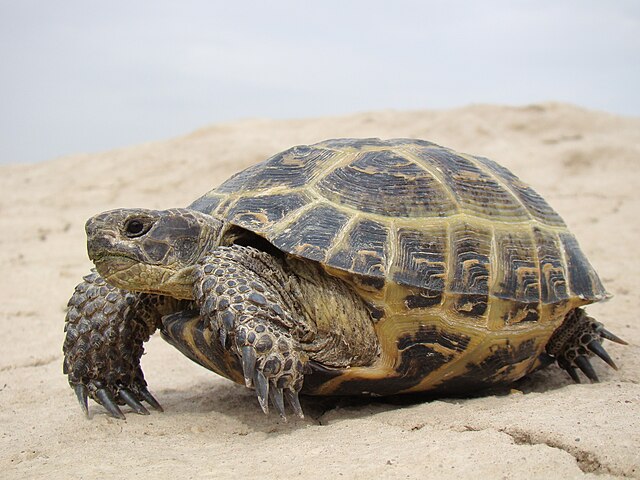
Benefits of Outdoor Tortoise Care
In the wild, tortoises regulate their body temperature autonomously by combining behaviors such as basking in sunlight, seeking shade, and burrowing into soil. In indoor care, we substitute with artificial UVB lamps and heaters, but there are aspects where we cannot match the benefits that natural sunlight and fresh air provide.
The greatest benefit of outdoor care is UVB supply from real sunlight. UVB in natural sunlight maximally activates vitamin D3 synthesis and calcium metabolism, and is most effective in preventing metabolic bone disease (MBD). Especially for growing individuals, basking outdoors strongly supports healthy skeletal development.
Additionally, moving freely in a large space leads to increased activity and maintenance of muscle and stamina. Contact with natural soil and grass, as well as exploratory behavior, also contribute to stress relief and immune maintenance. Behaviors such as digging in soil, pushing through grass, and moving by choosing between sun and shade are natural habits that are difficult to replicate in a cage, and become an experience unique to outdoor care.
Outdoor Area Design and Required Equipment
Fencing and Escape Prevention
Despite appearances, tortoises have a high ability to escape, sometimes digging into the ground to burrow or pushing open soft metal mesh to get away. Fencing must be buried 20-30 cm into the ground, and the height above ground should be at least twice the individual's carapace height (usually 40-60 cm or more).
Concrete blocks and metal lattice (welded wire mesh) are materials that balance durability and safety well. Wood has a risk of rot, so periodic replacement is necessary.
Shaded Areas and Shelters
Direct sunlight alone poses a risk of heat-related illness (heatstroke). Be sure to provide both an area with direct sunlight and a shelter that remains shaded at all times. Wooden huts and hideouts lined with wood chips are ideal, with freedom to move in and out on their own.
Place a water container (a shallow tray) near the shelter at all times so they can freely drink water. Tortoises also regulate their warmed body temperature through water soaking.
Predator Protection
The most important safety measure in outdoor care is predator protection. The main threats are as follows.
- Crows
- Hawks
- Cats
- Raccoons
- Palm civets
By covering the top with metal nets or lattice, you can prevent both flying birds and climbing mammals.
The basic rule is to always bring them indoors or into a locked shelter at night. At night, temperatures drop and the risk of damage from nocturnal mammals increases.
Substrate and Hygiene Management
Use soil or similar material that can be dug through and maintain good drainage to prevent muddy, unsanitary conditions during rain. Daily water changes in water containers and keeping them clean to prevent algae and dirt accumulation are also essential.
When using a garden as an outdoor care space, be careful not to place tortoises in areas where herbicides, insecticides, or chemical fertilizers have been applied. Some ornamental plants can be toxic, so when considering new plantings, it's safer to confirm with a reptile specialist shop or veterinary clinic before introducing plants to the garden.
Seasonal Outdoor Care
Spring and Early Summer (April-June)
Begin outdoor care for tortoises once minimum temperatures consistently exceed 15 degrees. In Japan, mid-May onwards is the guideline; during periods of sudden temperature changes, bring them indoors as the weather forecast indicates.
During this period, feeding increases and activity becomes more active. Seasonal wild plants (dandelions, clover, plantain, etc.) can be provided, promoting natural foraging behavior.
For tortoises newly begun on outdoor care, rather than suddenly placing them outside for long periods, gradually acclimate them starting with short times to minimize stress from environmental change. Initially, do not take your eyes off them, and it's reassuring to confirm their use of the shelter and drinking behavior.
Summer (July-September)
In areas where daytime highs exceed 35 degrees, leaving them in the full sun during 10 AM-2 PM is dangerous. Confirm adequate shading in the shelter and make timely decisions to bring them indoors.
Increase hydration and support moisture and electrolyte replenishment through weekly warm water soaking 1-2 times per week.
During severe weather such as heavy rain, strong winds, and lightning, keep them indoors rather than forcing them outside. To prepare for sudden weather changes, develop a habit of checking the weather forecast regularly for safety.
Autumn (October-November)
End outdoor care once temperatures begin falling below 15 degrees. From this point, transition to indoor care, and if planning hibernation, begin fasting from October to empty the digestive tract.
Winter (December-March)
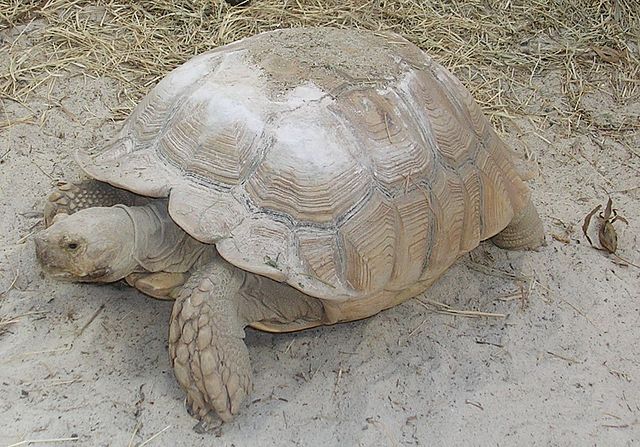
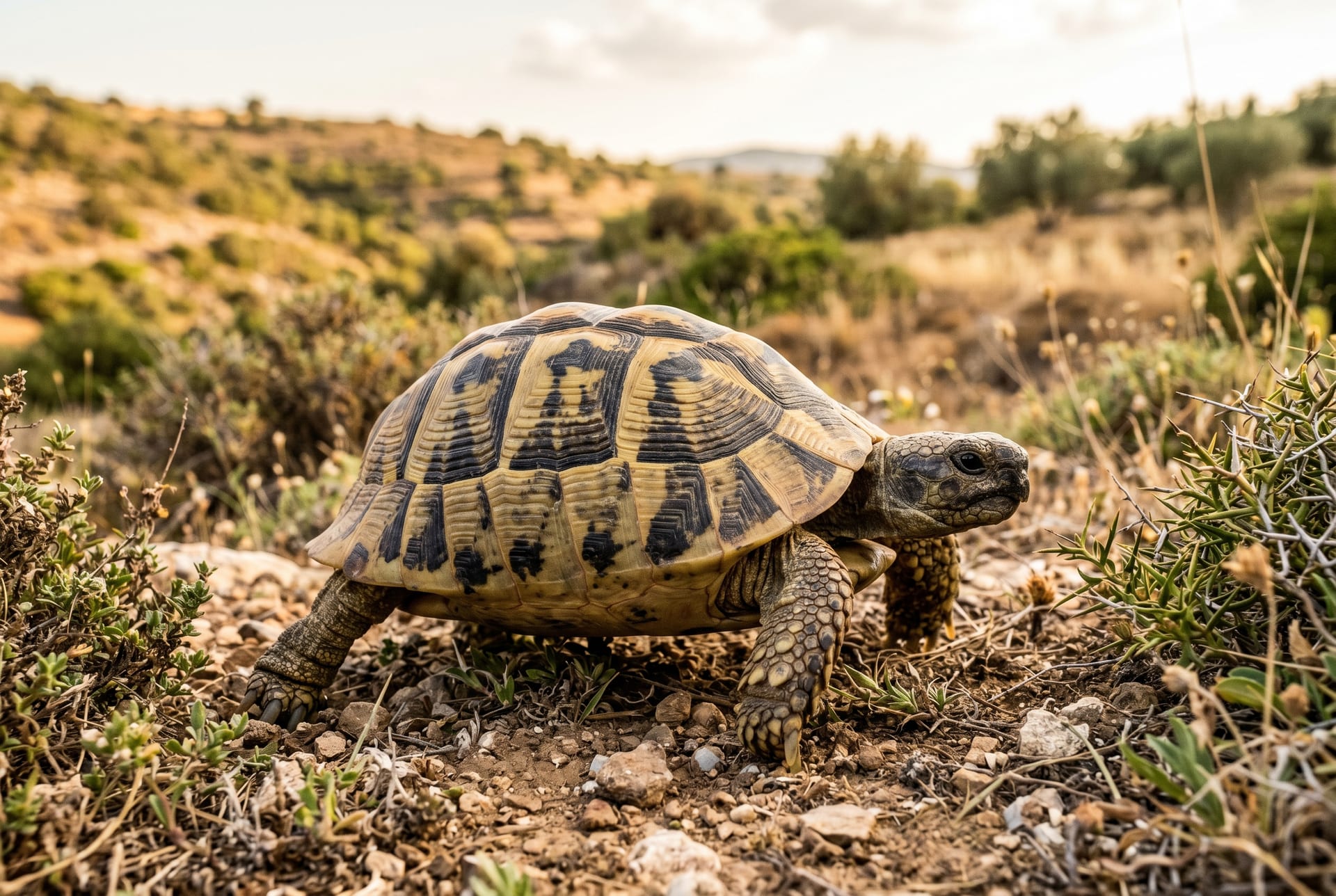
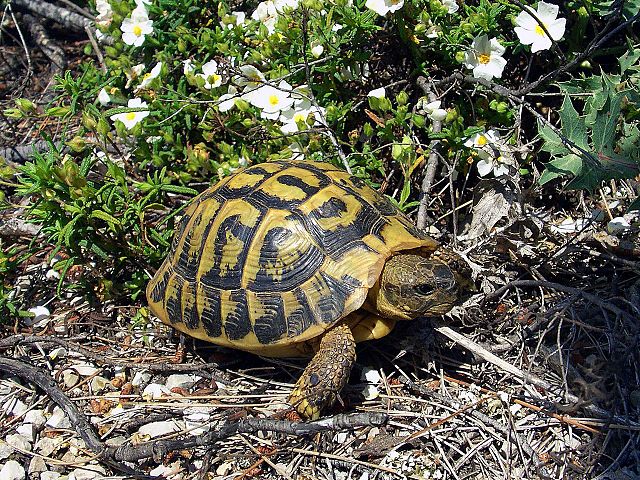
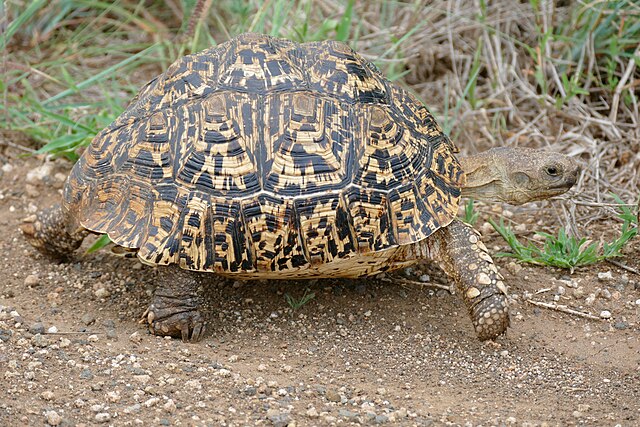
Regarding Hibernation: This varies greatly depending on species. Mediterranean and Middle Eastern species such as Hermann's tortoises, Greek tortoises, and Russian tortoises have the ability to hibernate (brumation), and in some cases hibernation under appropriate conditions is necessary for health maintenance. In contrast, African tropical species such as African spurred tortoises and leopard tortoises cannot hibernate and must winter indoors in a warm environment.
If hibernation is to occur, the following process is basic.
- Begin fasting from October
- Empty the digestive tract
- Transfer to hibernation container (soil, sphagnum moss, etc.)
- Manage in a cold, dark place around 5 degrees
- Gradually return to room temperature in March-April
During hibernation, check temperature approximately once a month, and consult a veterinarian if any abnormal movement is observed.
Health Checks During Outdoor Care and Common Precautions
During outdoor care, it is important to observe the tortoise's condition more frequently than in indoor care. If the following signs are observed, pay attention as they may indicate illness or unsuitable environment:
- Sudden loss of appetite or significant change in feeding amount
- Discoloration, softness, cracks, or damage to the carapace
- Discharge from eyes or nose, abnormal sounds during breathing
- Changes in fecal condition or frequency of defecation
- Sluggish movement or refusal to leave shaded areas
When noticing such changes, it is recommended to stop forcing outdoor care, bring them indoors, and consult a veterinary clinic experienced in reptile care.
Keeping records of daily temperature, feeding contents, and health condition is useful for establishing seasonal management plans and noticing health changes early. If care is shared among family members, sharing records makes it less likely to miss changes.
Summary
While outdoor tortoise care offers significant benefits of real sunlight, ample space, and natural foraging, it requires management of risks from escape, predators, and temperature fluctuations. By accurately understanding hibernation requirements for each species and combining safe fence design, flexible seasonal management, and daily health checks, you can create an environment where tortoises can live a long life close to their natural ecology.