Japanese Rat Snake Care Guide | Basic Care, Temperature, Feeding, and Hibernation Management for Japan's Native Snake Species
A comprehensive guide to caring for the Japanese rat snake, the largest native snake on mainland Japan. Covers cage size, temperature settings, feeding intervals, shedding management, and hibernation (overwintering) procedures, from legal status to important notes on collection restrictions—a practical guide to safely keeping the Japanese rat snake.
Key Takeaways
A comprehensive guide to caring for the Japanese rat snake, the largest native snake on mainland Japan. Covers cage size, temperature settings, feeding intervals, shedding management, and hibernation (overwintering) procedures, from legal status to important notes on collection restrictions—a practical guide to safely keeping the Japanese rat snake.
Related Species
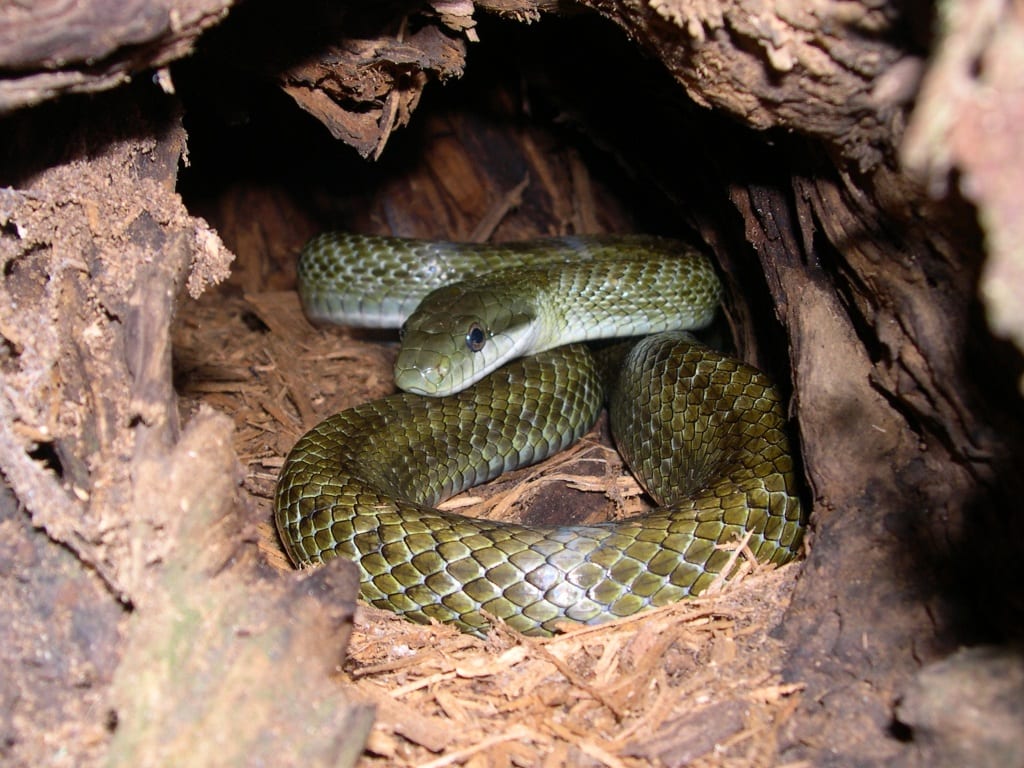
The Japanese rat snake (Japanese rat snake, scientific name: Elaphe climacophora) is the largest native snake species on mainland Japan, widely inhabiting the area from Hokkaido to Kyushu. It grows to approximately 1.5–2 m in length and is characterized by beautiful olive-green scales. Captive-bred specimens are readily available domestically, and with proper environmental setup, this species can be kept for over 10–15 years. This guide covers everything from environmental setup to daily care for Japanese rat snake ownership.
Legal Considerations and How to Obtain Before Keeping
The Japanese rat snake is not covered under the Wildlife Protection and Management Law, and reptiles are not included in the protected animals under this law, so keeping the species is not legally problematic. However, capture in the wild may be restricted by local prefectural ordinances. If collecting wild individuals yourself, always check your local ordinances.
It is recommended to obtain captive-bred specimens from domestic breeders. Captive-bred Japanese rat snake are often already conditioned to artificial food (frozen mice), have lower parasite risk compared to wild-caught specimens, and tend to acclimate to owners more quickly. On BreederDirect, you can purchase captive-bred specimens directly from breeders and verify their history and health status beforehand.
Proper Cage and Layout
As adult Japanese rat snake reach 1.5–2 m in length, a cage 120–150 cm wide is ultimately necessary. Begin with a 60–90 cm cage for juveniles and expand as the snake grows.
Cage Material and Shape
- Wooden enclosures: High heat retention and front-opening doors reduce stress from reaching in from above
- Acrylic enclosures: Easy to observe and clean, though heat retention is slightly lower
- Glass tanks (modified): Cost-effective, but an escape-proof mesh cover is essential
Layout Basics
Since Japanese rat snake prefer three-dimensional behavior such as climbing, installing thick branches or climbing wood helps reduce stress. Place one to two shelters (hiding spots) sized so the snake can just fit inside. Common substrates include wood chips, coconut husk mat, and pet sheets. Pet sheets are convenient if prioritizing ease of cleaning.
Temperature and Humidity Management
Temperature Settings
Although Japanese rat snake are ectothermic, they are adapted to Japan's climate, so room temperature management alone allows seasonal care.
- Summer (May–October): Aim for room temperature of 20–28℃. Direct sunlight and temperatures exceeding 35℃ are strictly prohibited
- Spring and autumn: Can be stably maintained at approximately 18–25℃
- Winter (overwintering/hibernation): Details provided below
If creating a warm spot, place a far-infrared heater or heat panel on one side to create a temperature gradient, with the warm side at 33–35℃ and the cool side around 20℃.
Humidity
Ideal humidity is 50–70%. Before shedding, increase humidity to 60–70% to prevent incomplete sheds. Always provide clean water in the water bowl; choose a size large enough for the snake to fully submerge, which helps with both humidity management and shedding support.
Feeding Management
Prey Type and Size
The primary diet consists of thawed frozen mice. Choose mice approximately the same size as the snake's thickest body section, or slightly smaller. Progress from pink mice to fuzzy mice to adult mice as the snake grows.
Live mice pose a risk of bites and injury, so thawed frozen mice are recommended. Thaw mice slowly in the refrigerator and warm them with lukewarm water just before feeding, bringing them close to body temperature (around 37–40℃) to improve feeding response.
Feeding Frequency
| Stage | Feeding Frequency | Mouse Size |
|---|---|---|
| Hatchling–Juvenile | Once every 5–7 days | Pink–fuzzy mice |
| Subadult | Once every 7–10 days | Hopper–adult mice |
| Adult | Once every 10–14 days | Adult mice |
Refusal to eat may occur before shedding or hibernation. Do not force-feed; observe and wait until the next feeding opportunity.
Hibernation (Overwintering) Management
The Japanese rat snake is a native Japanese species with hibernation ability. Hibernating (brumation) during the cold period around December to March promotes breeding, supports longevity, and maintains natural cycles.
Preparing for Hibernation
- From October to November, gradually reduce feeding and cease feeding by late November
- For two weeks after ceasing feeding, maintain normal temperatures to ensure complete digestion
- Confirm complete bowel evacuation before transferring to hibernation conditions
Hibernation Care
- Temperature: Keep at 5–12℃ (a cool dark place, or vegetable drawer in a refrigerator)
- Water: Provide a water bowl and change it regularly
- Light: A dark environment is preferable
- Duration: Aim for 2–3 months; do not extend unnecessarily
Keeping without hibernation is also possible. If maintaining temperatures above 20℃, the snake can remain active year-round; however, if breeding is the goal, allowing a cold period increases success rates.
Common Health Issues
Incomplete Shedding
Incomplete shedding, caused by low humidity or illness, leaves old skin on the eyes and tail tip. Soak the snake in lukewarm water (30–35℃) for 10–15 minutes and gently remove the softened old skin.
Mouth Rot (Stomatitis)
If pus appears around the mouth or anorexia persists, mouth rot may be suspected. Consult a veterinarian experienced with reptiles promptly.
Mite Infestation
Wild-caught and exhibition-sourced individuals may harbor mites. Perform warm soaks and specialized mite removal, then thoroughly clean and disinfect the enclosure and all equipment.
Handling
When acclimated, the Japanese rat snake is relatively docile and well-suited to handling. However, observe the following precautions.
Acclimation:
- Leave the snake undisturbed in its enclosure for two weeks after acquisition (prioritize environmental adjustment)
- Begin with short sessions of 5–10 minutes
- Approach from the front and lift gently; do not grab suddenly from behind
- Acclimated individuals can tolerate 30 minutes to one hour of handling
Important Notes:
- Do not handle for 24–48 hours after feeding (to avoid interfering with digestion and regurgitation)
- Avoid stress during shedding cycles (when the eyes are cloudy)
- Bites may occur but are non-venomous; if bleeding occurs, cleaning and disinfection suffice
Shedding Care
Japanese rat snake shed regularly as they grow (juveniles shed approximately once monthly; adults shed every 2–3 months).
Pre-Shedding Signs:
- Eyes turn cloudy (appearing like cataracts)
- Body color dulls
- Appetite decreases or refusal to feed
- Increased time spent in isolation
Treating Incomplete Shedding:
Before shedding, increase humidity and provide a water container for full-body soaking. If incomplete shedding occurs, immerse the snake in lukewarm water at 30–35℃ for 15–20 minutes, soften remaining skin, and gently remove it with a cotton swab or finger.
Summary
The Japanese rat snake is a hardy native snake adapted to Japan's climate and can be kept by beginners with proper environmental setup. By acquiring captive-bred specimens from reputable breeders and practicing appropriate cage sizing, feeding, and hibernation management, the Japanese rat snake can become a healthy long-term companion.