A Beginner's Guide to Keeping Reptiles | Essential Knowledge for New Keepers
Essential knowledge before starting to keep reptiles. We explain how to confirm breeding permissions, the basics of temperature and humidity management, how to choose species for beginners, and the flow of daily care.
Key Takeaways
Essential knowledge before starting to keep reptiles. We explain how to confirm breeding permissions, the basics of temperature and humidity management, how to choose species for beginners, and the flow of daily care.
Related Species
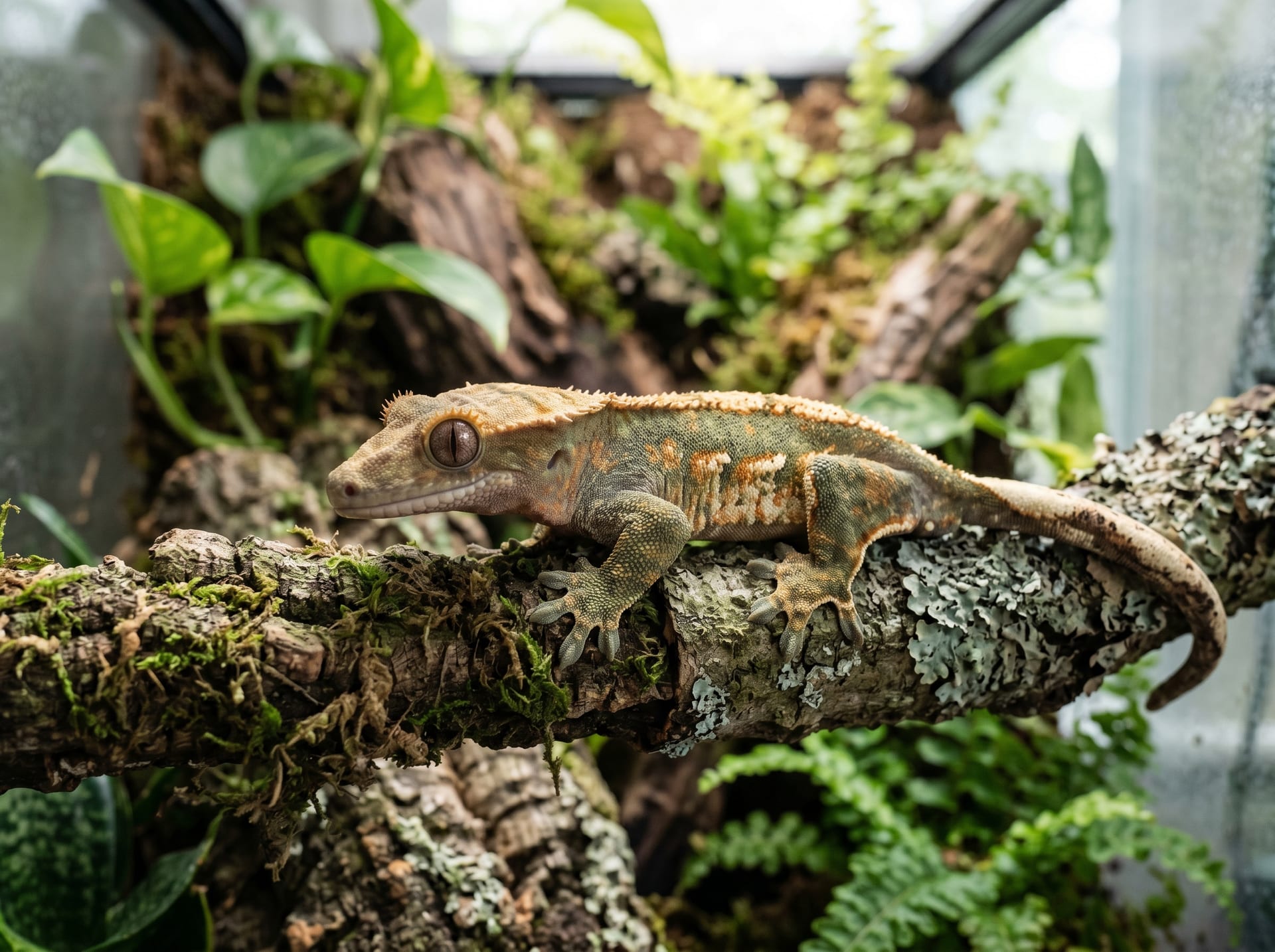
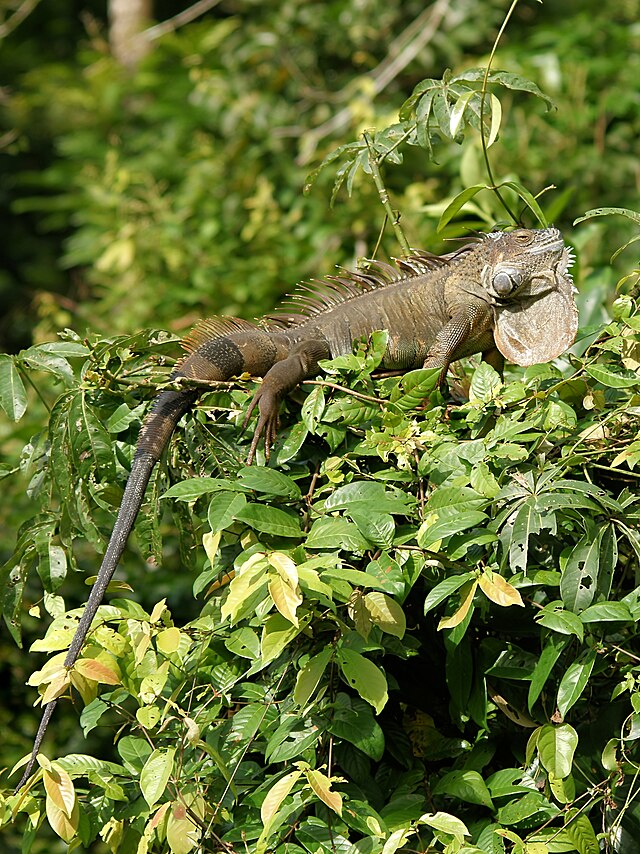
Reptiles have seen a sharp rise in popularity as pets in recent years due to their mysterious appearance and distinctive charm. Unlike dogs and cats, they have unique ecology, and the basic style of keeping them is to enjoy observing them. Because of this, they are easy to keep even in quiet environments, making them popular with people living alone and those with allergies. However, keeping reptiles is not simply a matter of putting them in a cage. Temperature, humidity, and lighting management require different environmental settings depending on the species. In this article, we will explain in an easy-to-understand way, for beginners who want to start keeping reptiles, from basic knowledge to necessary equipment to daily care.
Basic Principles of Reptile Keeping
The major difference between reptiles and mammals and birds is that they are ectothermic (cold-blooded) animals. Since they cannot maintain a constant body temperature on their own, their body temperature is influenced by the temperature of their external environment. In captivity, the most important aspect of health management is for the keeper to intentionally create a temperature gradient.
Also, many reptiles are inherently solitary animals. Even of the same species, keeping multiple individuals can result in territorial disputes and stress. Unlike dogs and cats that enjoy interaction, the basic style of keeping reptiles is to enjoy observing them, and as a rule, excessive handling should be avoided.
By keeping them in a way that respects their natural instincts as living creatures, reptiles can live long and healthy lives. The first step in keeping reptiles is to have the mindset of treasuring their natural state.
Species Recommended for Beginners
There are hundreds or more reptile species that can be kept, but for beginners, we recommend starting with species that have low care difficulty and abundant information available.
Lizards
- Leopard Gecko (Leo): A representative beginner species for reptile keeping. Can be kept in a space-saving enclosure and tames easily. Being nocturnal, UV lighting during the day is not necessary, keeping management costs low. Morphs are extremely diverse with high collectibility.
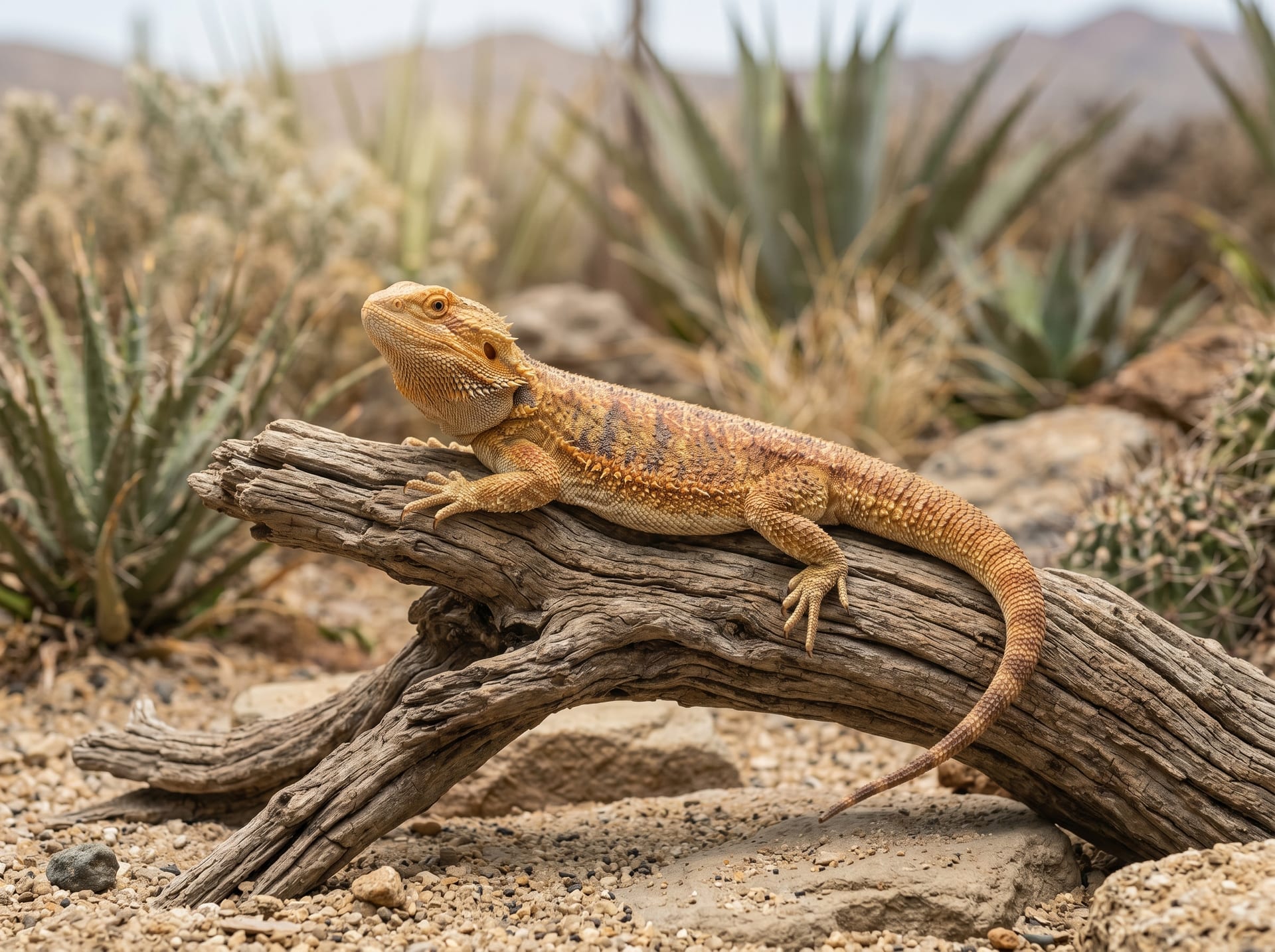
- Bearded Dragon: Being diurnal, you can observe them moving about actively. They tame easily and are relatively easy to handle. Being omnivorous, eating both vegetables and insects, feeding management is also easy.
- Crested Gecko: They dislike high temperatures, so summer temperature management requires attention, but many regions allow room-temperature keeping. They transition easily to artificial foods and can be kept without insects.
Snakes
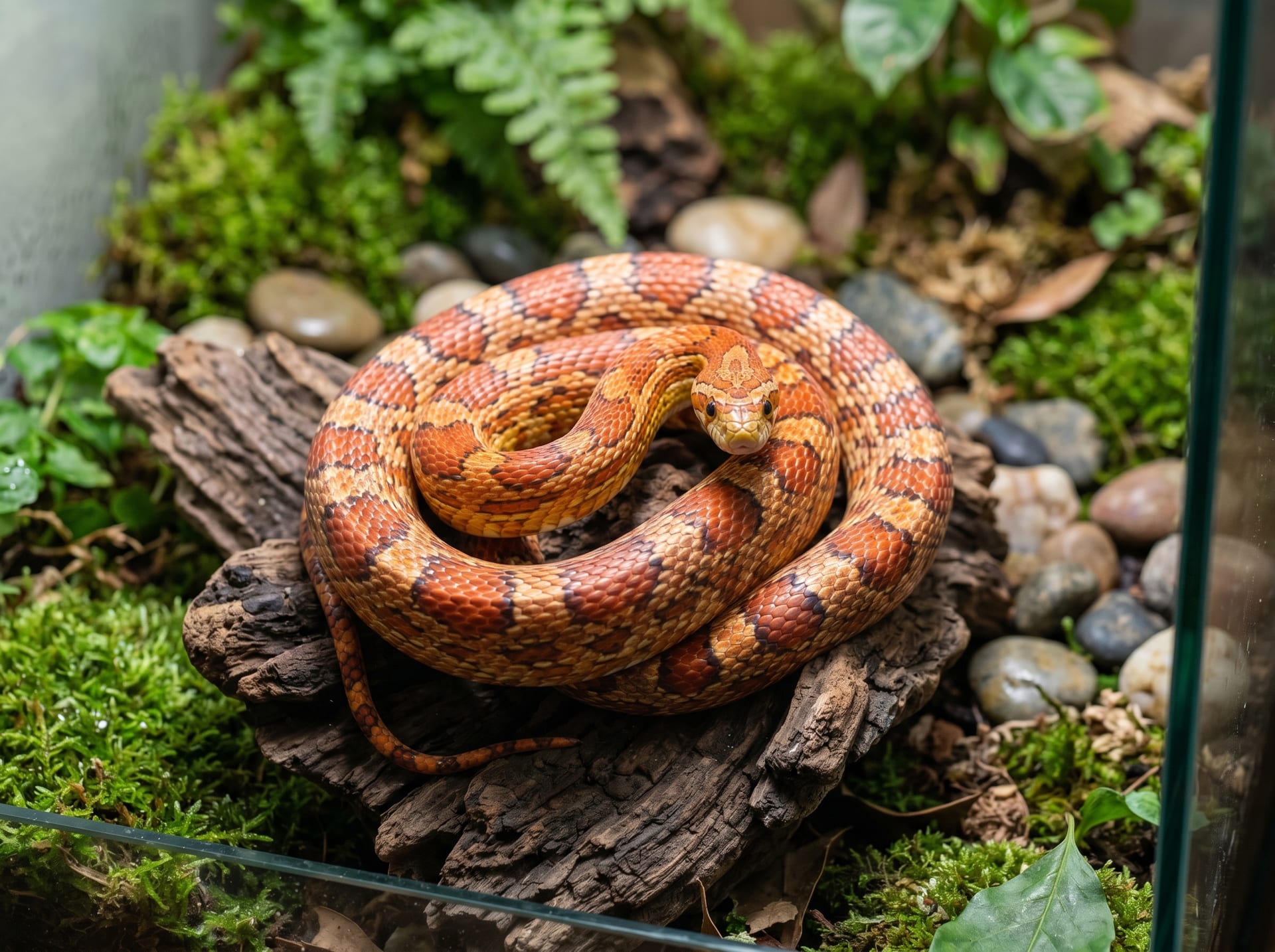
- Corn Snake: Docile with little biting, ideal for snake beginners. Feeding management is simple since they eat frozen mice. Their slender build requires vigilance against escapes, but they are easy to handle once acclimated.
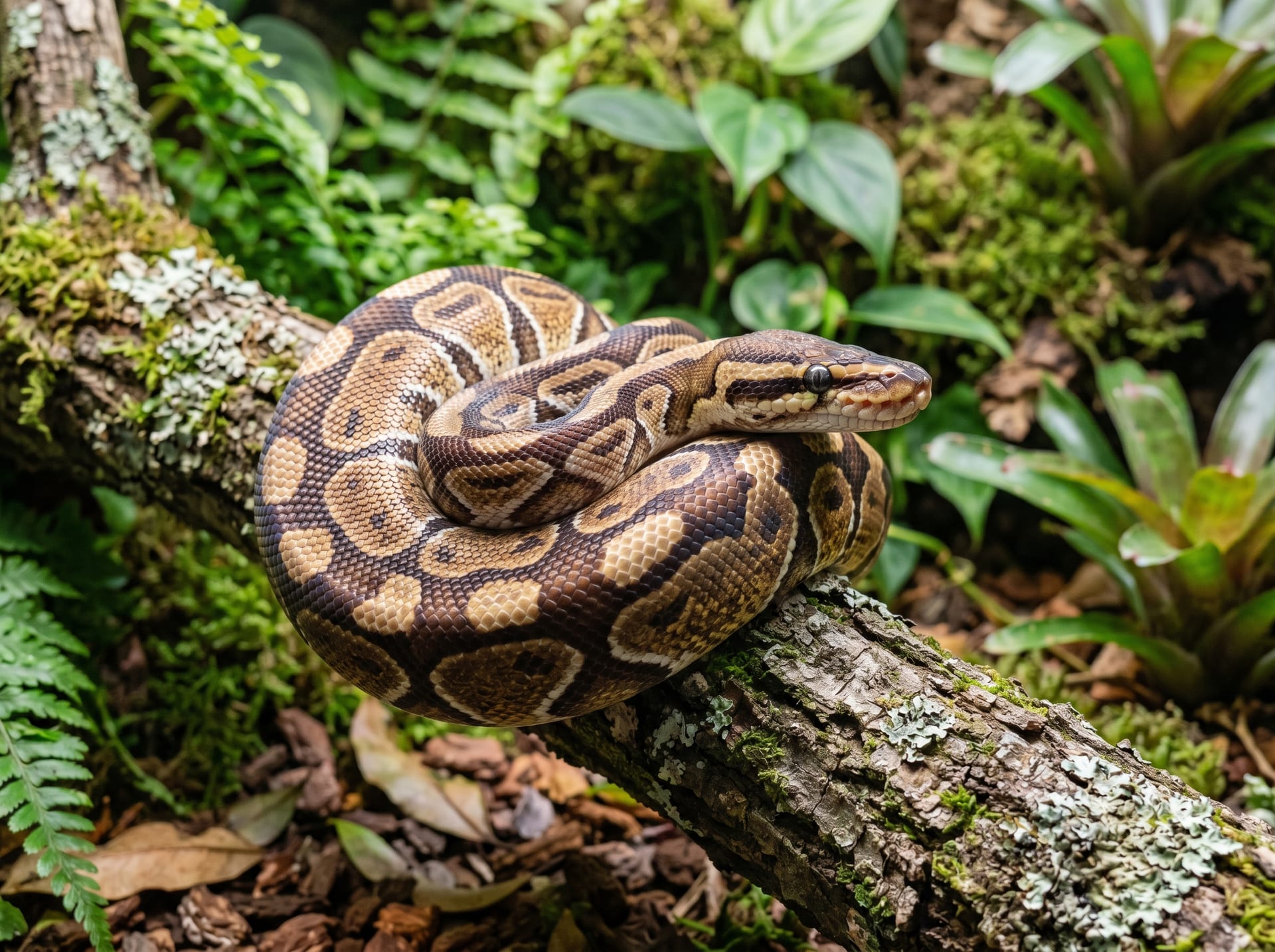
- Ball Python: Slow-moving and easy to handle, with extremely diverse morphs. They are prone to refusing food, so understanding this aspect is important.
Basic Equipment Needed for Keeping
Specialized equipment is essential for keeping reptiles. Setting up according to the species' characteristics is the key to maintaining health.
Enclosure
Select an enclosure that matches the species' size and activity level. Glass enclosures offer good visibility and heat retention, acrylic is lightweight, and wood (reptile-specific) excels at heat retention. Ensuring adequate ventilation is also important, as excessive sealing can cause moisture buildup and disease.
Temperature and Heat Management
- Heat Pad: Placed on the enclosure floor to create a warm basking spot that heats from the belly up
- Heat Lamp/Ceramic Heater: Warms the entire space. Used with a thermostat for automatic temperature control
- Thermometer/Hygrometer: Placed in two locations—the warm and cool sides of the enclosure—to monitor the temperature gradient
For detailed temperature settings for each species, also refer to the Reptile Temperature Management Guide.
Lighting
UVB lighting is essential for diurnal species (such as Bearded Dragons, Chameleons, Green Iguanas). Ultraviolet light aids in vitamin D3 production and promotes calcium absorption. Deficiency can lead to metabolic bone disease such as rickets. Nocturnal species like Leopard Geckos don't need UVB, but weak lighting to create a day-night cycle is recommended.
Other Essentials
- Hides: Hiding places are essential for stress reduction. Ceramic wet hides are also useful for maintaining humidity
- Water Dish: Provide fresh, clean water daily. Some species also use it for bathing
- Substrate (Bedding): Choose one suitable for your species. Select something that minimizes accidental ingestion and is easy to keep clean
Daily Care and Health Management
Daily Tasks
- Water Change: Replace with fresh water daily
- Waste Removal: Remove feces immediately and keep the enclosure clean
- Temperature/Humidity Check: Measure twice daily (morning and evening) to maintain proper ranges
Feeding
Feeding frequency varies by species, age, and season. Juveniles typically eat daily to every other day, while adults usually eat 2-3 times a week. Remove any leftover food to prevent sanitation issues. For insect-eating species, dusting prey with calcium powder or vitamin supplements is essential.
Handling
Once acclimated, gradually practice having them climb into your hand. Start with short sessions of 5-10 minutes, and return them immediately if they show signs of distress. Develop your observational skills to identify their condition—for example, avoid handling during shedding or digestion.
Legal Regulations and Precautions
Legal knowledge is also essential for keeping reptiles.
Species designated as specified animals (such as crocodilians and large pythons) have been prohibited for new private pet ownership since June 2020 following legislative reforms (permission from prefectural governors is only granted for exhibition or research purposes at facilities like zoos; individuals acquired before the reform can continue with proper procedures). Keeping such species without permission is a violation of the Animal Protection and Management Law.
Also, many species are regulated in international trade under the Convention on International Trade in Endangered Species (CITES), and acquiring them without proper documentation (such as import permits) is illegal. Before purchasing, always confirm that the individual was obtained through legal channels.
Captive-bred individuals (CB) bred domestically are superior to wild-caught individuals (WC) in terms of environmental adaptation and typically have more stable health, making them especially recommended for beginners.
BreederDirect's Safety and Security Features
BreederDirect is a platform that directly connects domestic breeders and buyers. Since there are no intermediaries, you can ask the breeder directly about the individual's rearing environment and care methods. The ability to exchange concrete information such as "What does this individual eat?" and "What temperature was it kept at?" is an advantage unique to direct breeder sales.
The reptile category features a wide range of species, from beginner-friendly types like Leopard Geckos and Bearded Dragons to rare morphs and advanced species. You can select the individual right for you while receiving advice from experienced breeders. Also, be sure to refer to How to Choose Before Purchasing.
Reptile keeping is a hobby that can be enjoyed long-term and deeply if you have the proper knowledge and equipment. Start with easy-to-keep species and gradually build your experience while carefully observing your individual's behavior.