Reptile Purchase Guide | Pre-Purchase Checklist · Health Check · In-Person Explanation · Preparing to Bring Them Home
A 12-item checklist before bringing home a reptile. Compares four purchase sources, species for beginners, six-point health checks, morph risks, legal requirements for first-class animal handler registration and in-person explanation, shipping, and setting up the environment after bringing them home—all in one article.
Key Takeaways
A 12-item checklist before bringing home a reptile. Compares four purchase sources, species for beginners, six-point health checks, morph risks, legal requirements for first-class animal handler registration and in-person explanation, shipping, and setting up the environment after bringing them home—all in one article.
Related Species
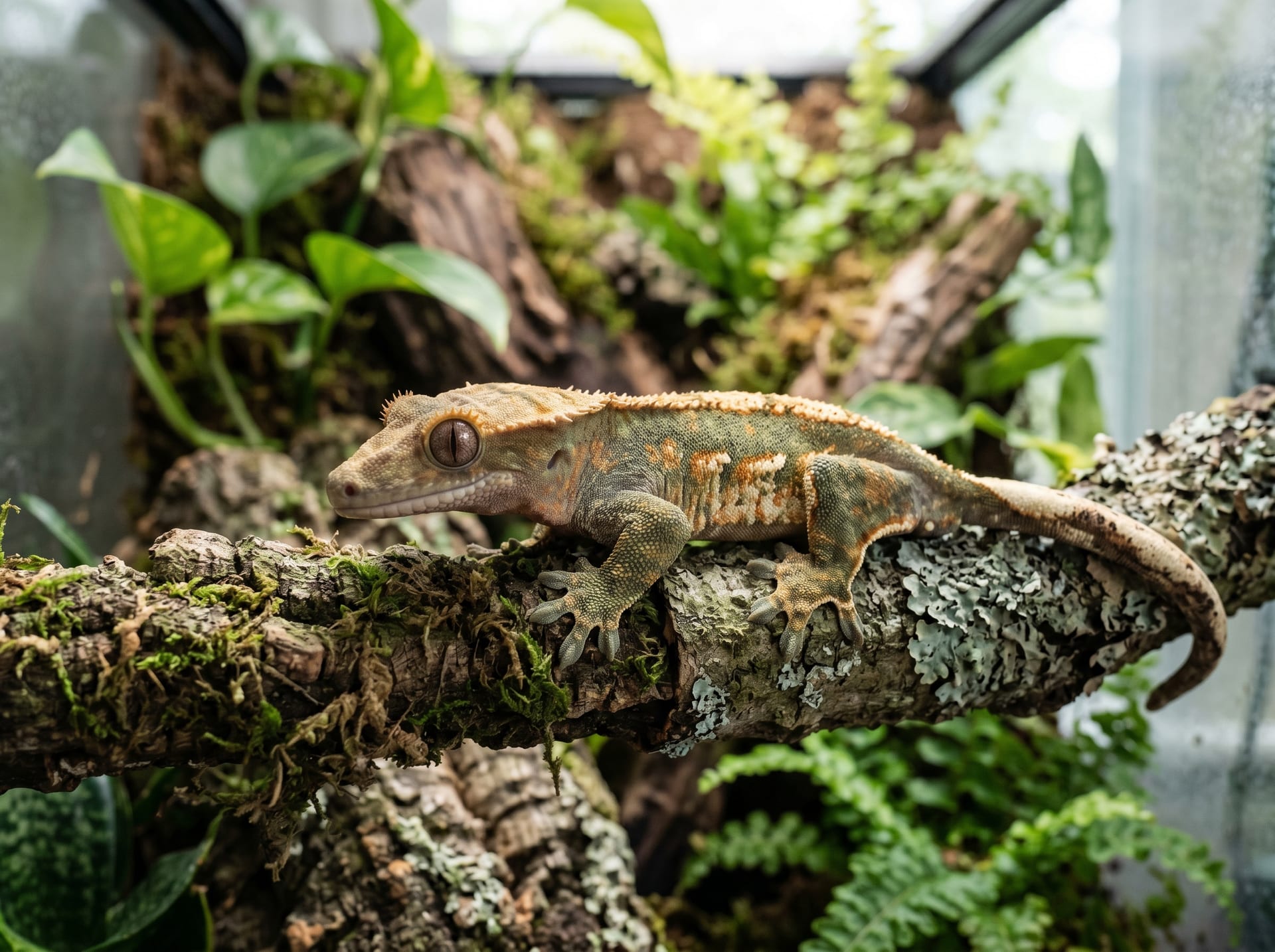
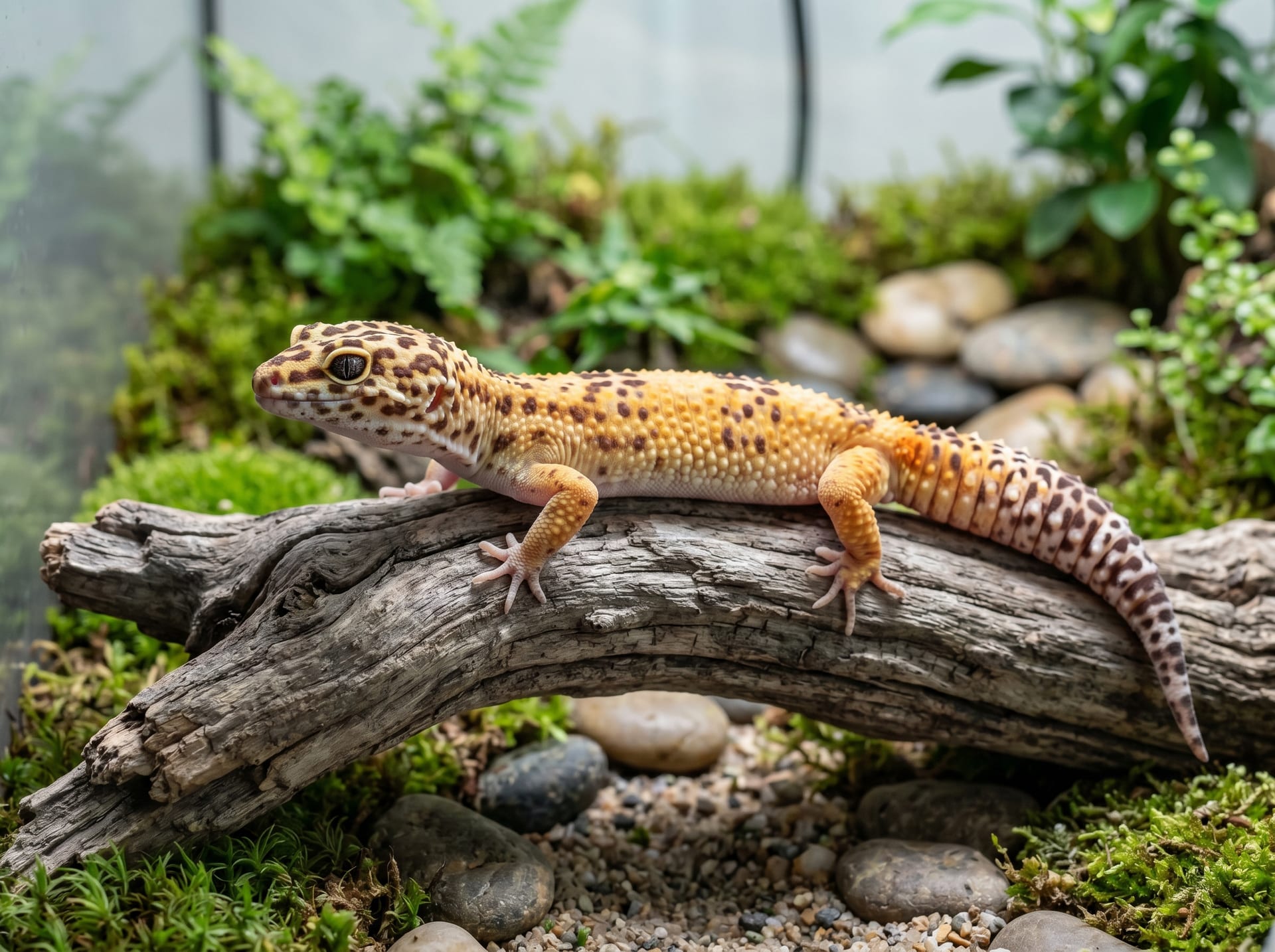
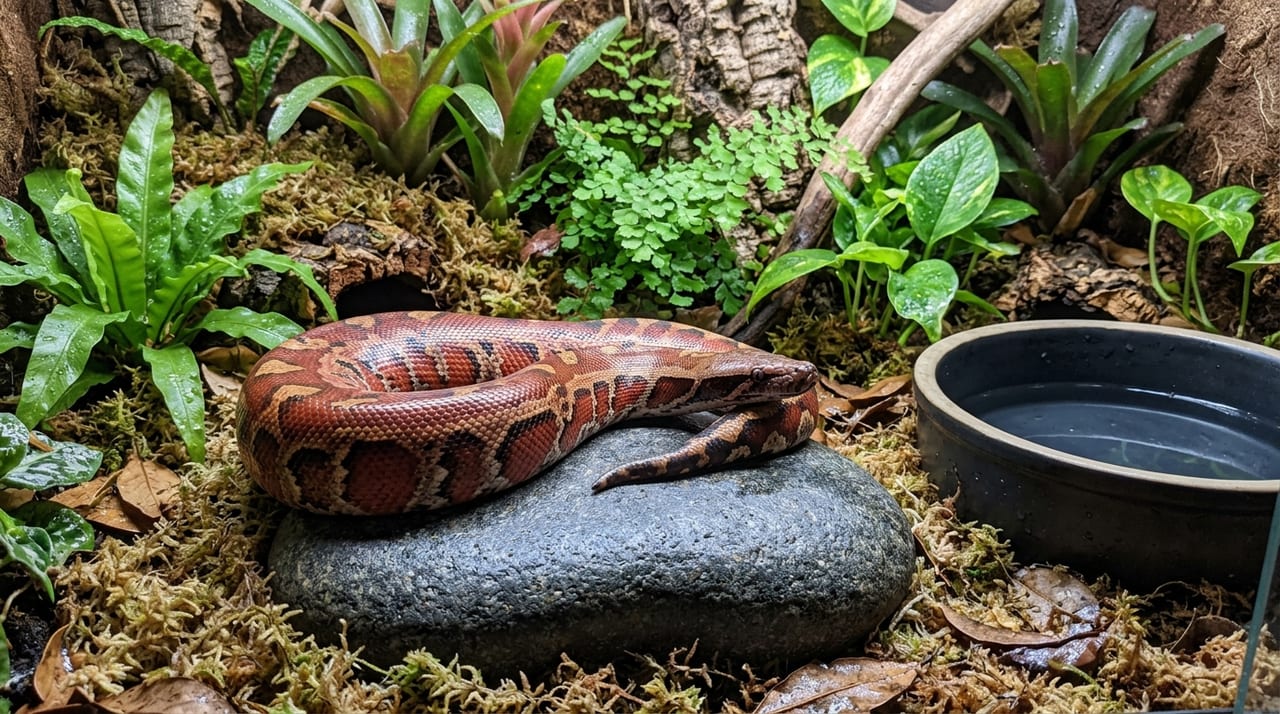
When bringing home a reptile, you can reduce failures by sequentially addressing the choice of purchase source, health checks, morphing selection, legal in-person explanation, shipping, and environment setup after bringing them home. This article is compiled as a pre-purchase checklist for everyone from first-time reptile buyers to those who want to select morphs through breeder direct sales.
Conclusion
- Reptiles are covered animals under the Animal Welfare and Management Act. Selling them requires registration as a first-class animal handler (sales category). Before delivery, in-person confirmation and explanation at the business premises are mandatory. Video calls do not meet these requirements.
- There are four purchase sources: breeder direct sales, reptile specialty shops, events (expos), and general pet shops. Information about parent animals and rearing environments is easiest to obtain from breeder direct sales.
- Health checks cover six points: eyes, body type, skin, mouth, excretion, and feeding habits. Because reptiles hide illness, always ask about the date of last feeding and excretion records.
- Payment is made directly between the breeder and buyer. BreederDirect does not hold payment; we recommend payment after in-person confirmation.
Pre-Purchase Checklist
- Seller's first-class animal handler registration number, category ("sales"), and validity period
- Date and time for in-person explanation and physical confirmation (mandatory)
- Species and individual's date of birth (or CB/WC classification; if imported, source of origin)
- Morph name and known health risks associated with that morph
- Date of last feeding, type of food, and recent excretion status
- Condition of eyes, body type, skin, mouth, and cloaca
- Information about parent animals (photos or the animals themselves, if possible)
- Actual measured values for rearing environment (temperature gradient, humidity, UV light)
- Warranty conditions (period and coverage for DOA and initial defects)
- Delivery method (in-person or shipping), packaging, temperature control, and time specification
- Payment method and timing (payment after in-person confirmation recommended)
- Confirmation that it does not fall under designated animals, the Invasive Species Act, or CITES
Choosing a Purchase Source
| Purchase Source | Strengths | Notes |
|---|---|---|
| Breeder direct sales | Information about parent animals, rearing environment, and generation can be obtained directly. Easier to get advice after purchase | Scheduling for visits and in-person explanations is necessary. Travel may be required if distant |
| Reptile specialty shop | Knowledgeable staff, ability to compare multiple animals in person | Few shops in some regions |
| Event (expo) | See many breeders' animals in one day. Receive in-person explanations on site | Venues are crowded and difficult to observe carefully. Don't decide on impulse |
| General pet shop | Convenient to purchase nearby | Staff may lack specialist knowledge, and information about rearing environment may be limited |
Regardless of purchase source, first-class animal handler registration and in-person explanation are common legal requirements. At BreederDirect, we verify the registration certificate, registration number, and validity period for sellers who handle reptiles.
Species Suitable for Beginners
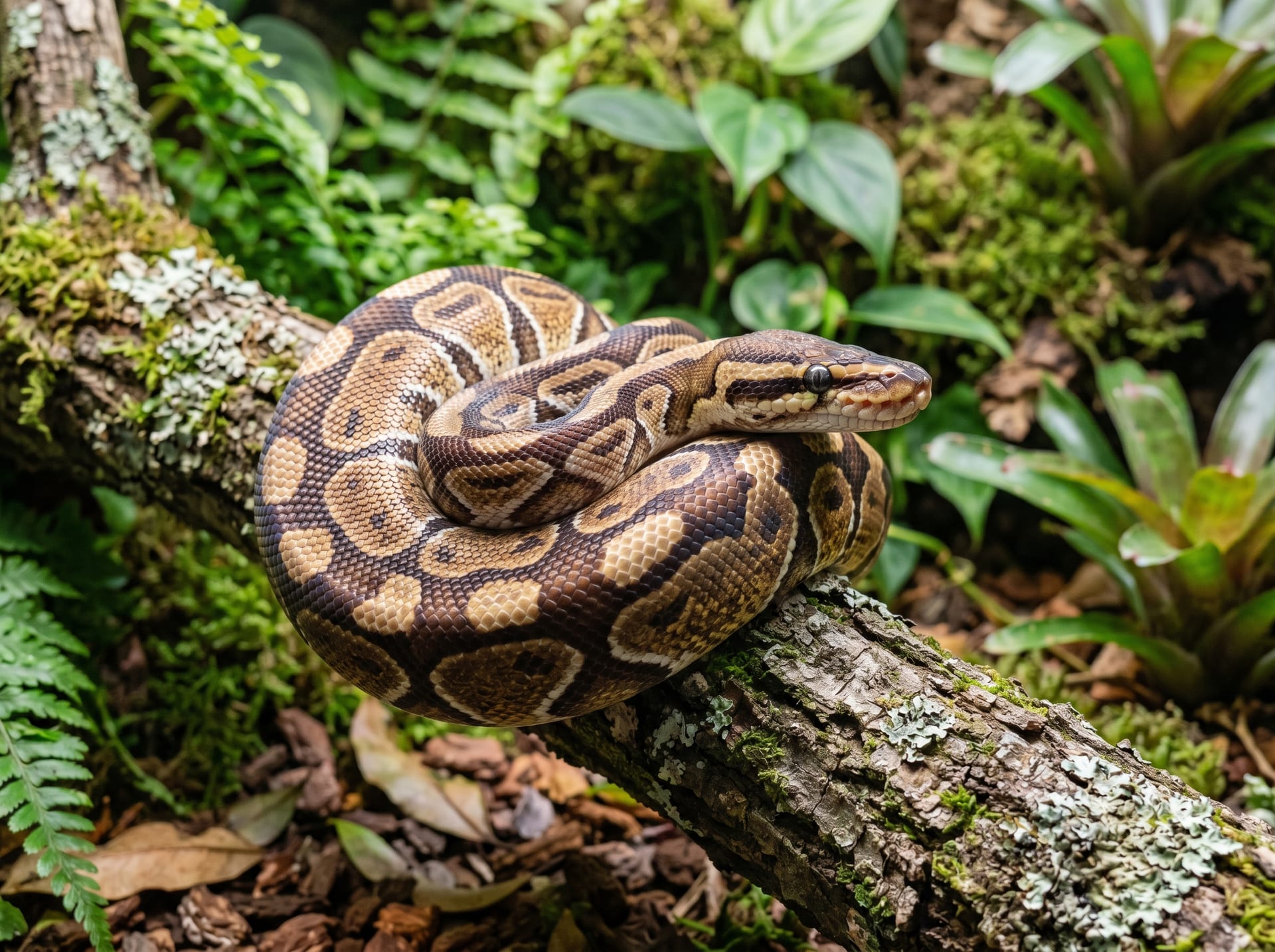
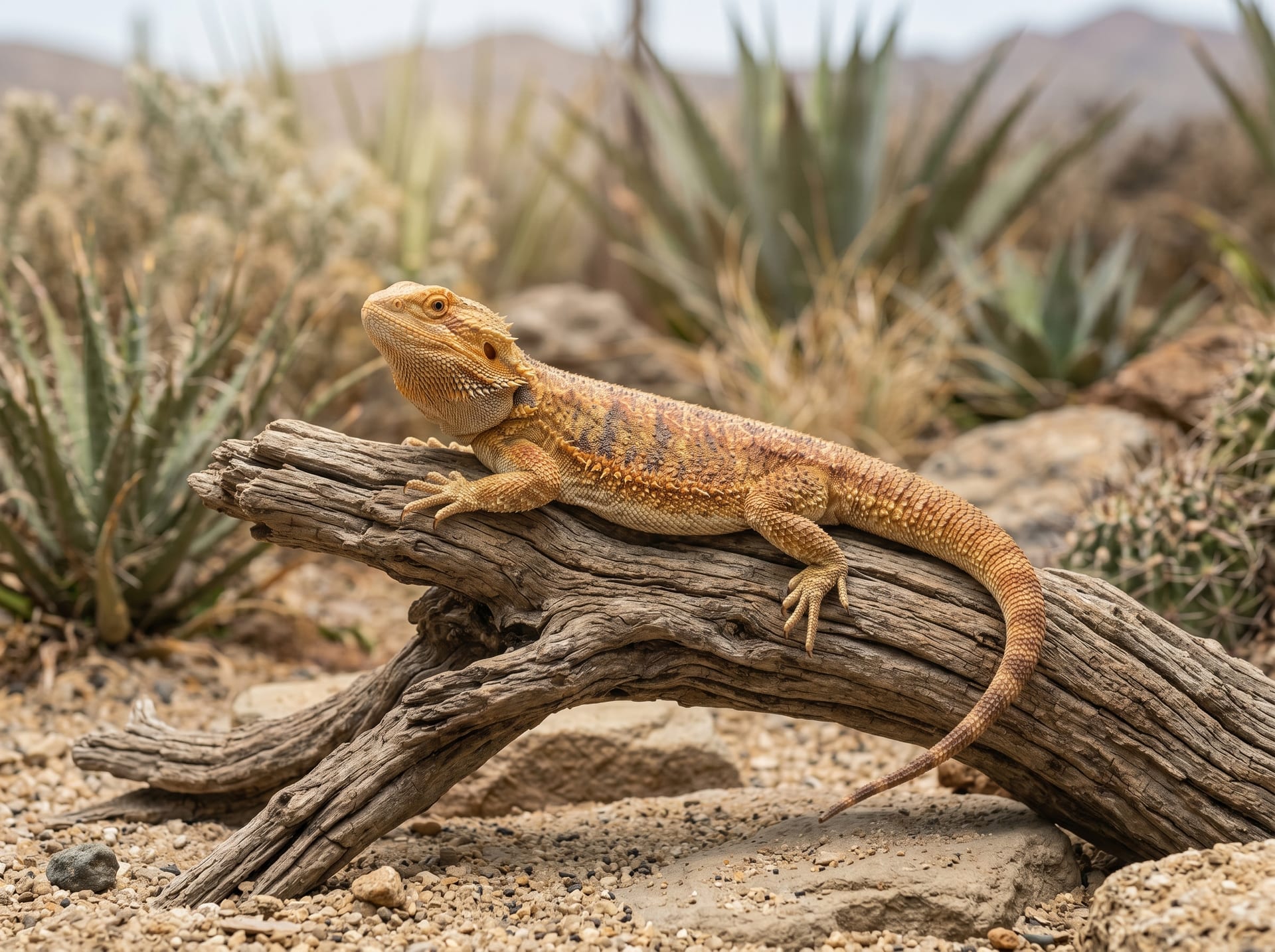
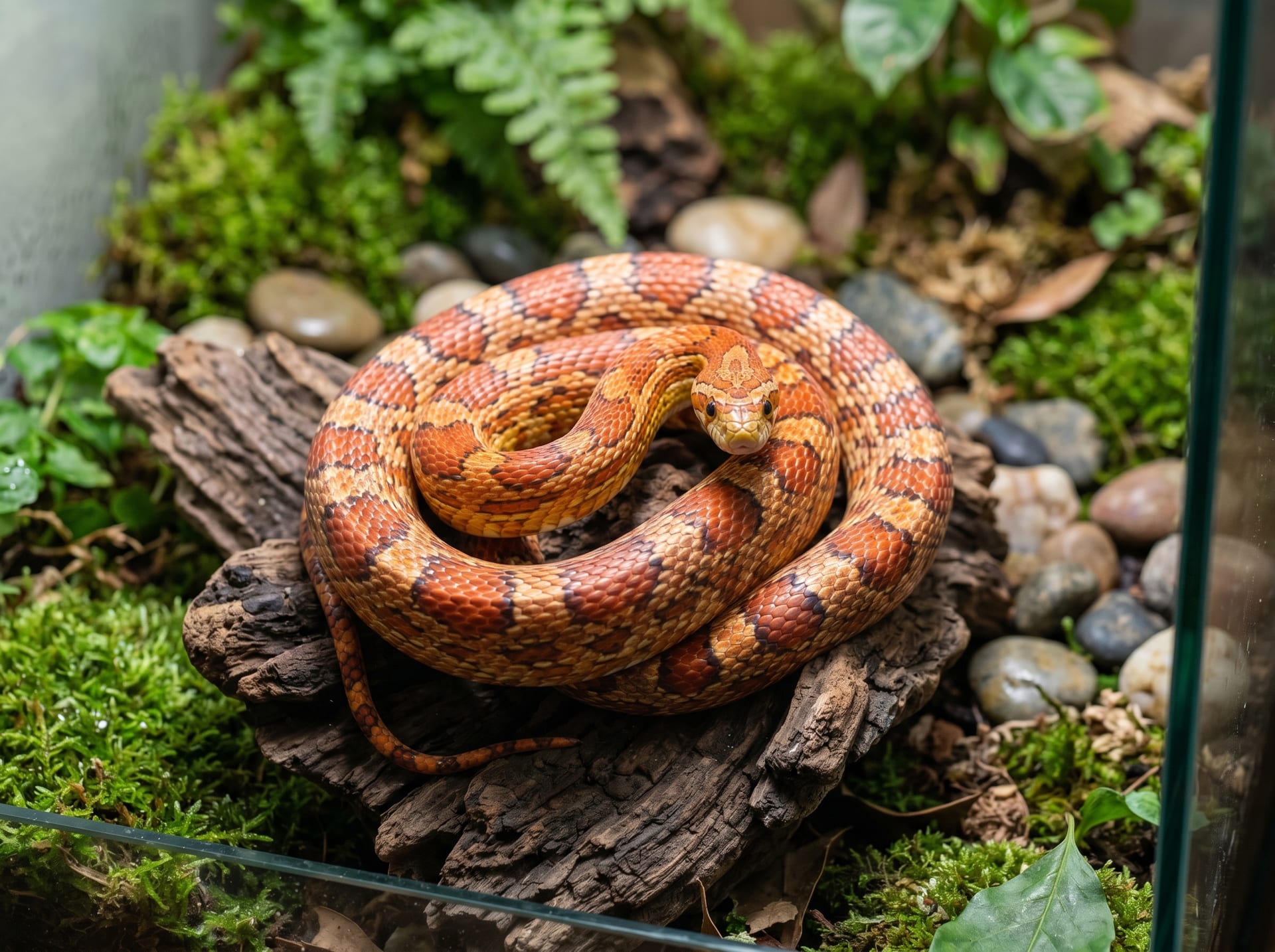
Leopard geckos, corn snakes, bearded dragons, crested geckos, and ball pythons are standard choices. Leopard geckos can be kept in a 30cm-standard enclosure and artificial food can be used. Bearded dragons require a 60cm or larger cage and UV lighting; ball pythons require winter temperature management and response to feeding refusal. Choose based on available space, food availability, and daily care time.
Six-Point Health Check
- Eyes: Clearly open and not sunken. If often closed, possible dehydration or illness
- Body type: Spine and pelvis should not be protruding. Tail base thickness is a good indicator of nutritional status
- Skin: No retained shed skin, mites, wounds, or swelling
- Mouth: Half-open mouth or mucus suggests possible mouth rot (stomatitis)
- Excretion: No diarrhea or bloody stool (ask about recent records)
- Feeding habits: What, how much, and when it last ate
Reptiles hide illness. Judge based on care records as well as appearance.
Choosing a Morph
Normal (wild-type) is the hardiest and most affordable, making it best for first-time keepers. Basic morphs (high yellow, albino, etc.) are stable and reasonably priced; combo morphs and new morphs are expensive. Some morphs have known health risks (such as wobble syndrome in ball python spiders, neurological disorders in leopard gecko enigmas, etc.). Before purchasing, research morph-specific risks and confirm that the seller can explain them.
Legal Requirements
- Sellers must be registered as a first-class animal handler (sales category). Verify the registration number, category, and validity period.
- Selling mammals, birds, or reptiles requires in-person explanation and physical confirmation at the business premises (amended in 2019). Purchase based on photos and descriptions alone is not permitted.
- Designated animals such as crocodilians, large pythons, and some boas have been prohibited for new private ownership as pets since June 2020.
- Invasive species under the Invasive Species Act and species listed in CITES Appendices have separate regulations regarding possession, transfer, and import.
Confirming Shipping
If receiving by shipping, the standard approach is to place the animal in a cloth bag or plastic container, then pack it in a Styrofoam box with cushioning material. For winter, confirm heat packs are included; for summer, ice packs are included; that a reptile-capable shipping carrier is used; that delivery is specified for morning; and that the seller will delay shipping on extremely hot or cold days. In-person explanation is completed beforehand, and then the animal is shipped.
Setting Up the Environment After Bringing Them Home
Assemble the enclosure before arrival and measure the temperature gradient (hot spot and cool spot) with a thermometer. Prepare multiple shelters, avoid handling for 2–3 days after arrival, and begin feeding after 3–5 days. If the animal doesn't eat for a week, review temperature settings; if not improved, consult the seller. Start handling after 2 weeks once acclimated, beginning with short periods. For temperature and humidity management, see Reptile Temperature and Humidity Management Guide.
BreederDirect Process
On BreederDirect, message the seller from the listing page with questions, set a date and time for in-person explanation and physical confirmation, and then conduct the contract, payment, and delivery directly between seller and buyer. We do not hold payment; payment after in-person confirmation is recommended. After the transaction, the seller submits a completion application. If you have issues, we provide support based on message records.
Related pages: How to Identify Trustworthy Sellers / Transaction Safety Guide / In-Person Explanation Guide / Benefits of Purchasing Reptiles from Breeders