Why Is Excretion Monitoring Important?
Reptiles are animals whose health problems are difficult to assess based on appearance alone. While reduced appetite, changes in activity level, and weight loss are important health indicators, abnormalities in excretion often appear before these changes become evident. By developing a habit of observing excretion during daily care, early detection and prompt treatment of illness become possible.
Especially for lizards, snakes, and turtles, which often resist regular health examinations, monitoring excretion as a home-monitoring tool is extremely effective.
Basic Structure of Normal Excretion
Unlike mammals, reptile excretion consists of 2–3 components that are discharged as follows:
- Feces (solid or semi-solid digestive residue): the digestive product of food consumed.
- Uric acid (urate): a nitrogen metabolic product equivalent to mammalian urine. Reptiles often excrete uric acid in solid or semi-solid form (to conserve water). White to cream-colored paste-like or solid masses.
- Liquid urine (aqueous portion): Depending on the species, small amounts of liquid urine may also be discharged simultaneously.
Characteristics of Normal Excretion (by Species)
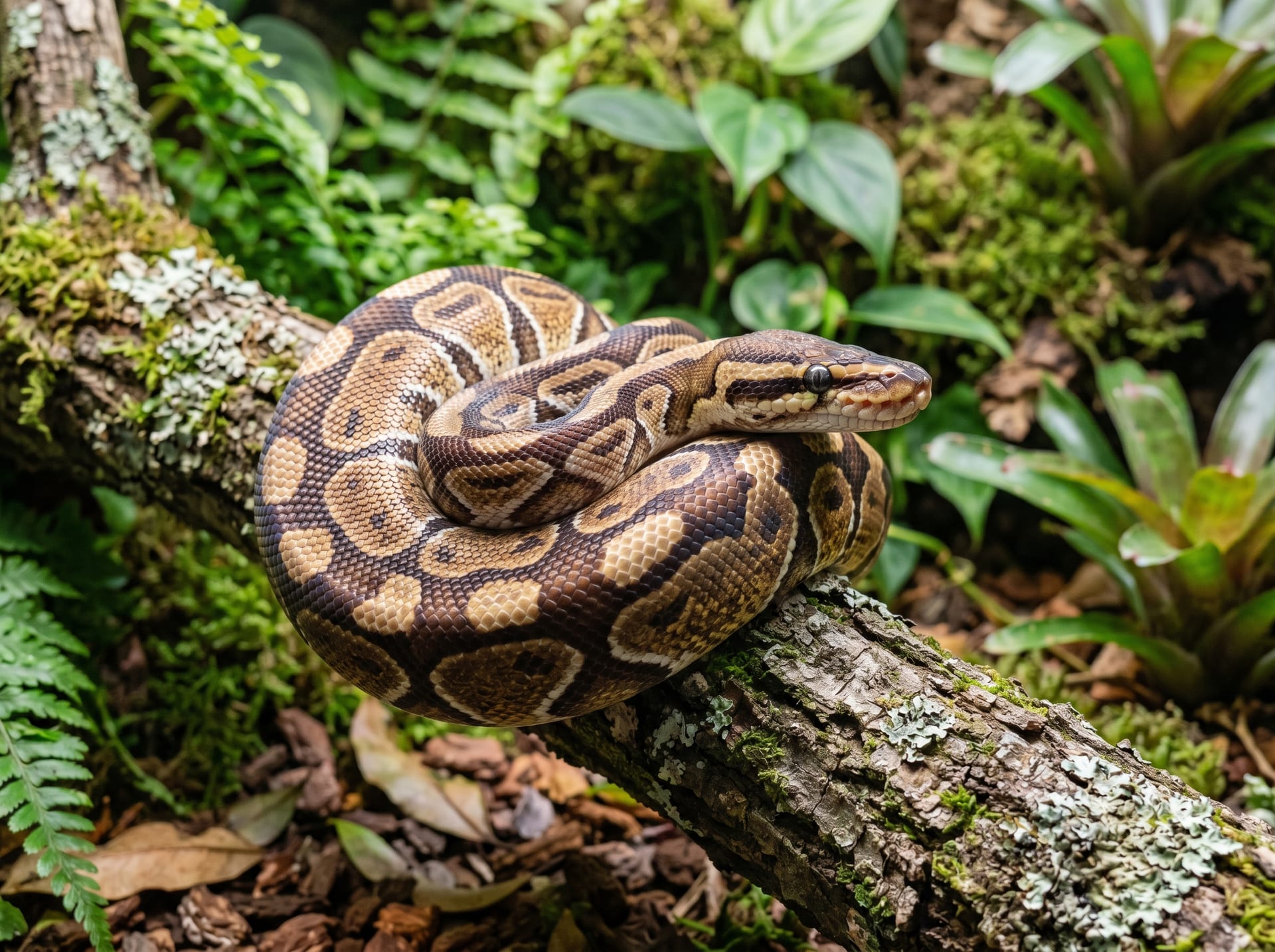
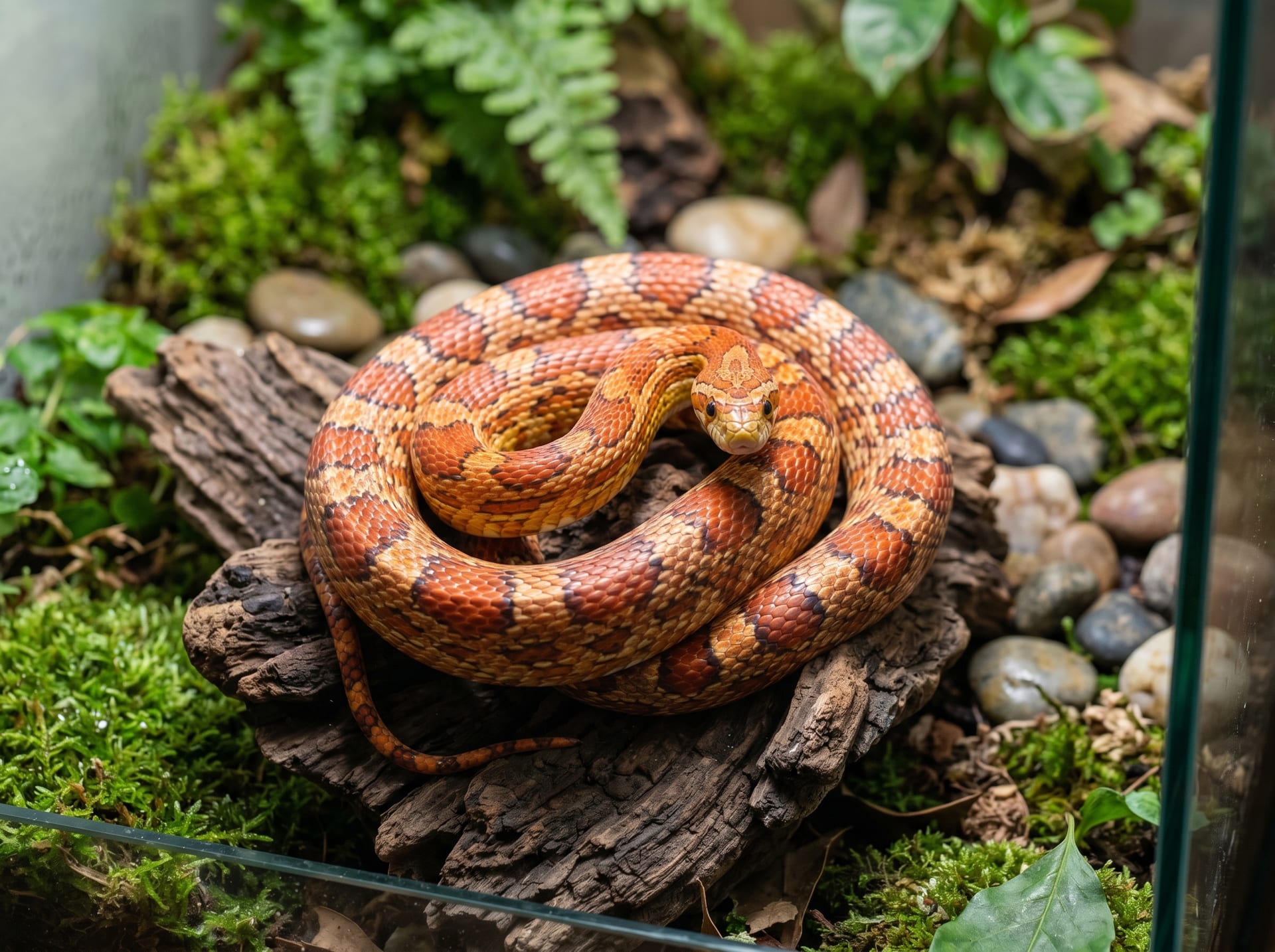
Snakes (Ball Python, Corn Snake, etc.)
- Feces: Brown to dark brown solid or semi-solid. Mouse hair or bone fragments may be visible.
- Uric acid: Often appears as white to cream-colored paste-like masses attached to the end of the feces.
- Excretion frequency: Typically 3–7 days after feeding. Adults excrete about once or twice monthly.
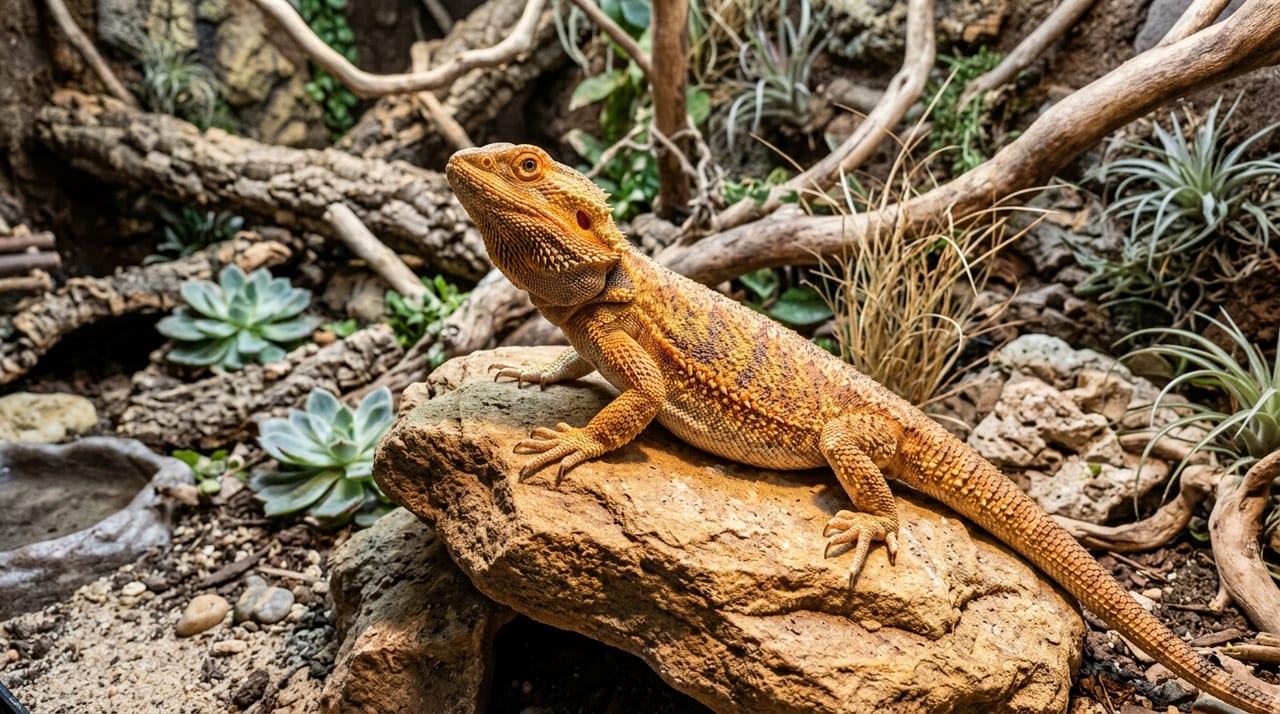
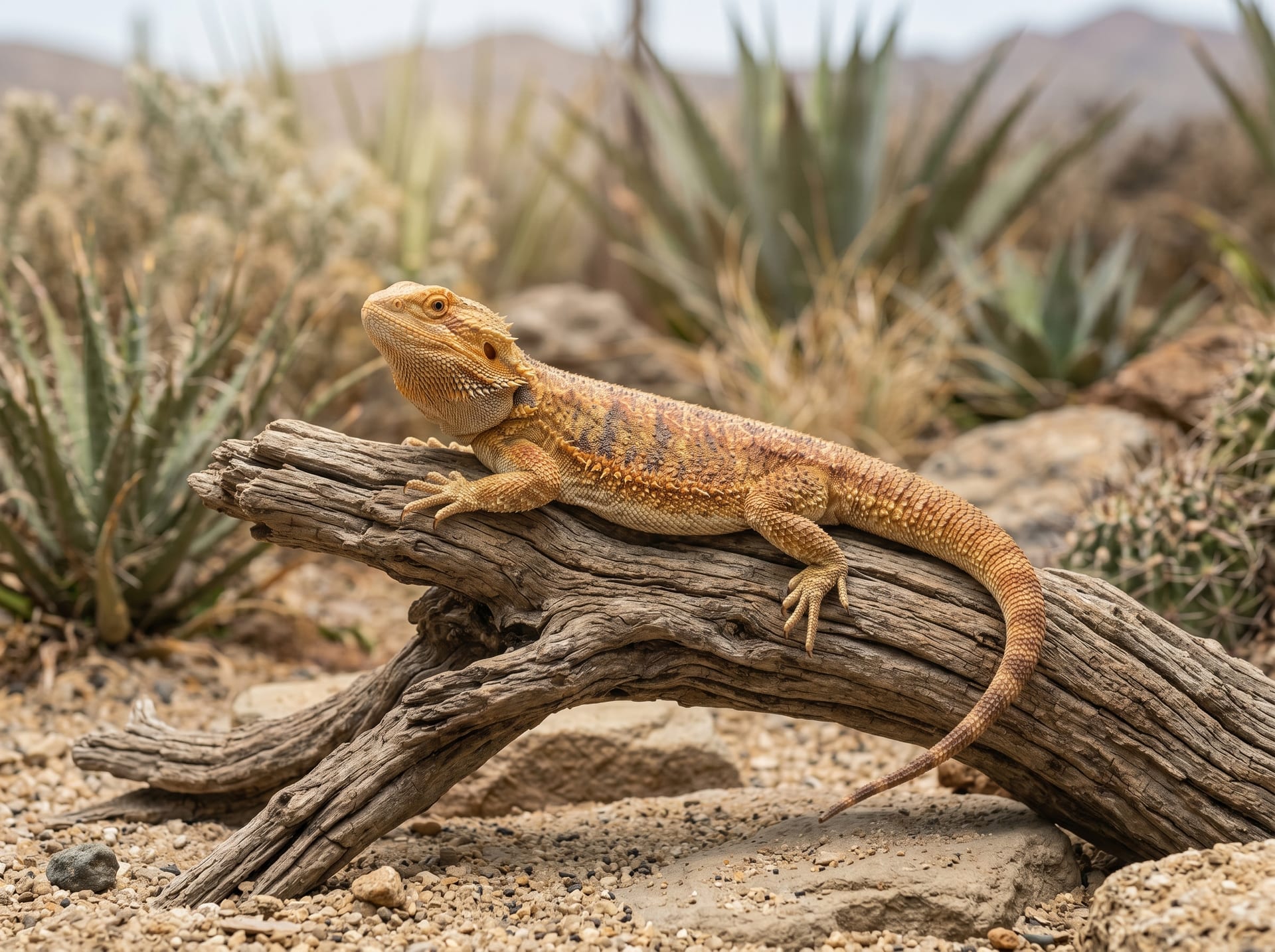
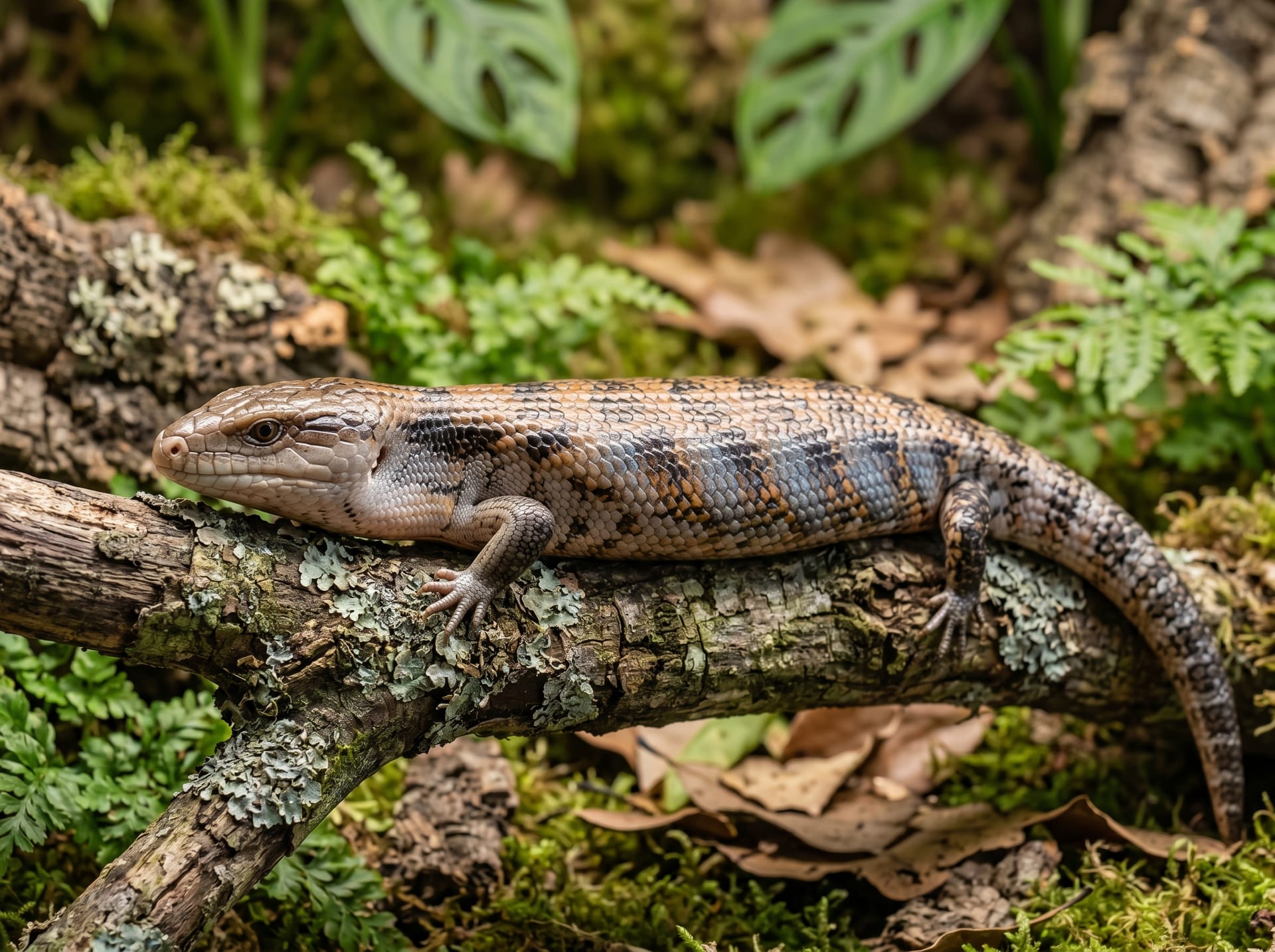
Lizards (Bearded Dragon, Blue-tongued Skink, etc.)
- Feces: Greenish brown in individuals with a higher proportion of vegetable-based diet. Dark brown if insect-based diet predominates.
- Uric acid: White solid masses. Excreted together with or separately from feces.
- Excretion frequency: Daily to once every two days is normal. Juveniles excrete more frequently than adults.
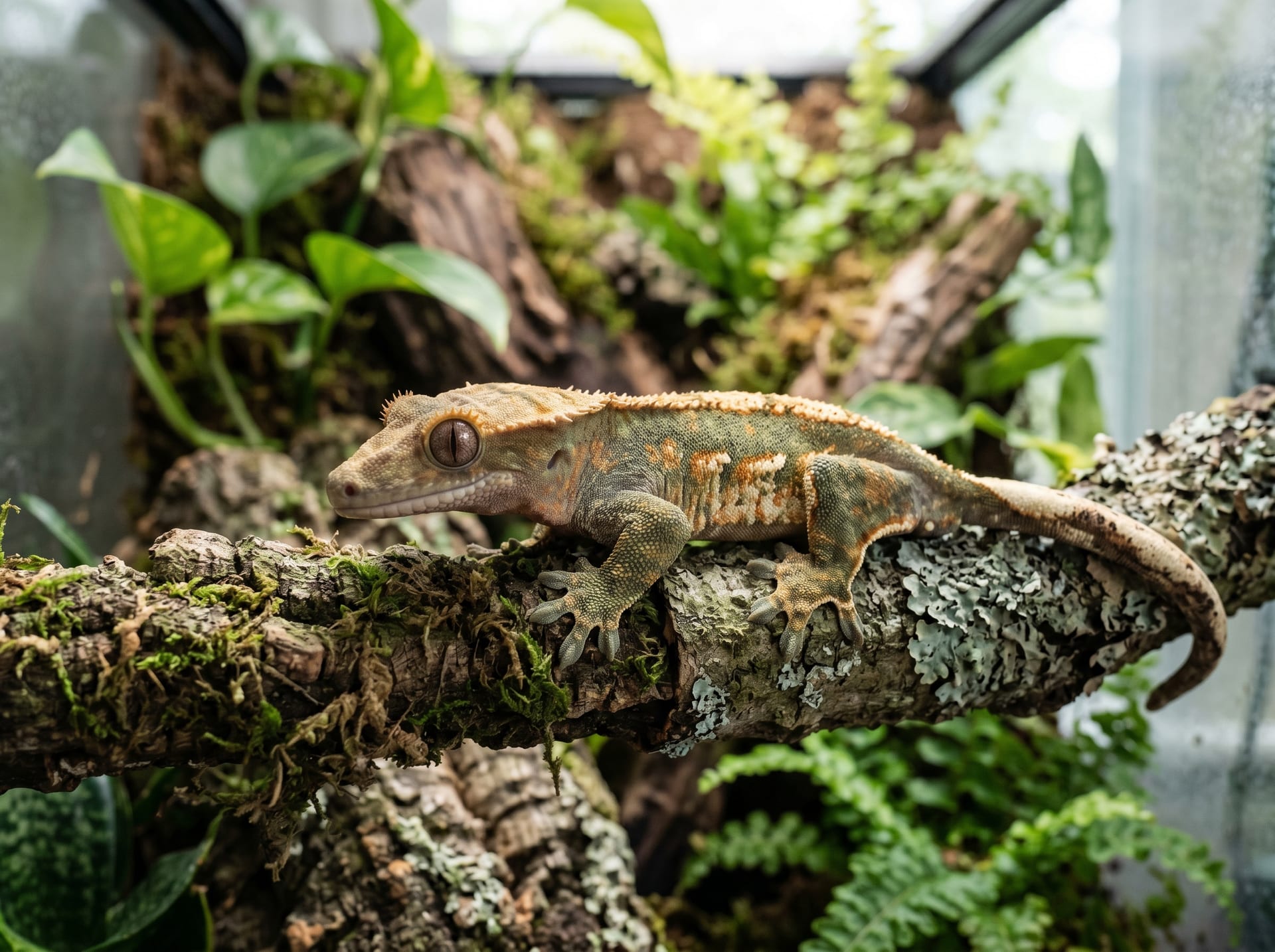
Geckos (Leopard Gecko, Crested Gecko, etc.)
- Feces: Slender solid matter, dark brown to black. Often with the white uric acid portion at one end (the so-called "white-tipped" appearance).
- Excretion frequency: The day after feeding to 3 days later. Young individuals may excrete daily.
Turtles
- Feces: Aquatic species often excrete in water, contaminating water quality. Terrestrial species (tortoises) often have greenish feces due to their herbivorous diet.
- Urine: Aquatic turtles produce primarily liquid urine. Tortoises excrete white uric acid.
Abnormal Signs and Their Meaning
Bloody Stool (Red Feces or Blood-Mixed Feces)
This may indicate internal parasite infection, enteritis, intestinal damage, or a foreign object in the digestive tract (accidental ingestion). If it occurs only once, it may be a consequence of dehydration or constipation; however, if it persists for two or more occurrences, consult a veterinarian promptly.
Yellow or Orange-Colored Uric Acid
Discoloration of uric acid may indicate liver or kidney dysfunction or signs of infection. When the orange color is particularly strong, hepatic disease (fatty liver, hepatitis) should be suspected.
Green Feces (when not eating vegetables)
This indicates the presence of bile, suggesting inflammation of the digestive tract, infection, or bile being excreted when the digestive tract is empty following a prolonged fast.
Watery Diarrhea or Excretion of Undigested Food
This may indicate parasitic infection of the digestive tract (Cryptosporidium, flagellate protozoa), bacterial infection, enteritis, or stress-related digestive disorder. If crickets or dubia roaches are excreted undigested, the most common cause is reduced digestive function due to inadequate temperature.
Prolonged Lack of Excretion
For snakes, if no excretion occurs for more than 10 days after feeding, suspect constipation or intestinal obstruction. If soaking in warm water does not improve the condition, consult a veterinarian. For bearded dragons, if no excretion occurs for more than one week, constipation is a possibility.
Practical Methods for Daily Monitoring
A simple notebook or smartphone note app is sufficient for recording excretion. Develop a habit of recording the following items:
- Date and time of excretion
- Color, form, and amount of feces
- Color and amount of uric acid
- Presence or absence of abnormalities (blood, undigested food, unusual odor, etc.)
- Content and amount of feeding immediately before
By maintaining records over time, you can establish the "normal range" for your individual animal, which becomes a benchmark for early detection of abnormalities. Additionally, bringing these records when visiting an animal hospital aids in diagnosis.
Importance of Fecal Examination (Parasite Screening)
Even if excretion appears normal, microscopic parasitic eggs and protozoa may be present. We strongly recommend having a fecal examination performed at a reptile-capable animal hospital when acquiring a new individual and as part of an annual health check. Particularly WC (wild-caught) individuals and animals purchased at events have a high rate of parasite infection, and screening is essential before housing them with other pets.
Fecal examination screens for the following:
- Roundworm and nematode eggs
- Cryptosporidium (highly contagious and can cause serious problems in multi-animal environments)
- Protozoa such as flagellates and ciliates
- Tapeworm segments (proglottids)
Ideally, bring fecal samples collected within 24 hours and refrigerate them. Do not freeze, as freezing destroys the morphology of parasites.
Summary: Excretion as a Window to Health
To keep reptiles healthy over a long period, incorporating regular excretion monitoring into your daily routine is one of the most effective preventive measures. It only requires a quick check during daily care and no special tools are needed. Value your intuition when you notice something "different from usual," and if abnormalities persist for two or more occurrences, do not hesitate to consult a specialist veterinarian. Early detection is the best way to reduce treatment costs and improve the recovery rate of your animal.