Reptile Post-Laying Female Recovery Management Guide | Nutrition, Weight Recovery, and Preparation for Next Breeding
Explains proper care methods for female reptiles after laying eggs. Detailed explanations from a breeder's perspective, covering nutrition supplementation, weight recovery, rest period management, and preparation for the next breeding cycle.
Key Takeaways
Explains proper care methods for female reptiles after laying eggs. Detailed explanations from a breeder's perspective, covering nutrition supplementation, weight recovery, rest period management, and preparation for the next breeding cycle.
Post-Laying Risks for Female Reptiles
✍️
BreederDirect Editorial
The BreederDirect editorial team specializes in care information for animals, covering veterinary care and breeding to deliver beginner-friendly guides.
Find Reptiles on BreederDirect
Buy directly from verified breeders
Browse Related Listings
Find Reptiles listings related to this article on BreederDirect. Buy directly from verified breeders.
Female reptiles consume significant energy through the act of laying eggs. Especially in species that lay large numbers of eggs—bearded dragons, corn snakes, ball pythons, leopard geckos, etc.—it is not uncommon for females to lose 10–20% of their body weight after laying. Egg-laying is a physiologically demanding process, and neglecting proper aftercare can result in the following risks:
Metabolic bone disease (MBD) deterioration: Since calcium is mobilized from the bones to form eggshells, bone density decreases post-laying.
Increased risk of reinfection and secondary infection: Immune function temporarily decreases, reducing resistance to bacteria and parasites.
Overlooked egg binding: If left unconfirmed whether all eggs have been laid, retained eggs can cause peritonitis.
Accumulation of breeding fatigue: Breeding again without a recovery period can significantly shorten the female's lifespan.
It is a breeder's responsibility not to become complacent by judging a newly laid female as a "breeding success," but rather to implement proper recovery management.
Checklist for Post-Laying Confirmation
Once laying is confirmed, first check the following three points.
1. Confirmation of Complete Egg Expulsion
Gently palpate the abdomen to confirm there are no retained eggs. If you are unsure, have it examined by a reptile specialist veterinarian. Ultrasound examination can confirm this. If eggs remain, they may be expelled within a few days; however, if more than a week passes without expulsion, it must be treated as egg binding.
2. Weight Recording
Recording the weight difference before and after laying serves as a guide for the amount of nutritional supplementation needed. Measure immediately after laying and track the recovery progress.
3. Confirmation of Wounds, Bleeding, and Mucous Membranes
Check for tears or bleeding around the birth canal and cloaca. If any abnormalities are observed, consult a veterinarian promptly.
Post-Laying Environmental Management
Providing a stress-free resting environment for the female after laying is the top priority.
Temperature Settings
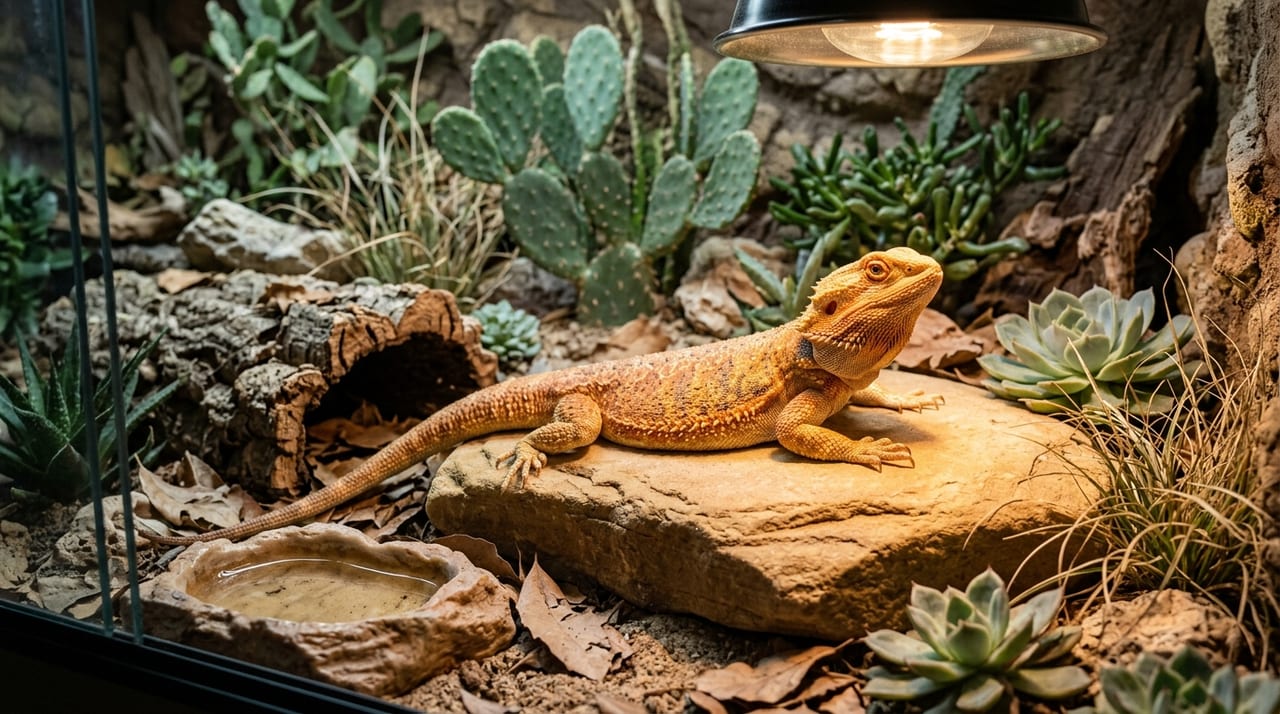
Set the basking spot slightly higher than usual (around 38–40°C for bearded dragons) to promote metabolism. However, excessive heat can be risky for immunocompromised females, so always ensure a cool zone is available.
Enrichment of Shelters
Post-laying females become sensitive to human observation. Provide multiple hiding places such as wet shelters and densely planted layouts to ensure psychological rest.
Separation of Cohabiting Individuals
If housed with males or other individuals, separate them during the recovery period. Mating behavior causes significant stress to females, so solitary housing for at least 2–4 weeks is essential.
Implementing Nutrition Supplementation
Intensive Calcium and Vitamin D3 Supplementation
During the first two weeks post-laying, supplement calcium at approximately double the normal amount. Common methods include increasing dusting on feeder insects or mixing calcium solution into drinking water. Since excessive vitamin D3 can be toxic, for indoor-housed animals, promoting natural synthesis through UVB exposure is safer.
Increased Protein
Snakes often resume feeding actively after laying, and providing larger frozen mice 1–2 times per week promotes weight recovery. For lizards (such as bearded dragons), temporarily increase the proportion of insect feeding and provide more protein-rich vegetables like mustard greens and bok choy.
Thorough Hydration
Post-laying dehydration is common, so provide fresh drinking water at all times. For lizards in particular, warm baths (30–32°C for 15–20 minutes) 2–3 times per week are effective. Warm baths also promote defecation, aiding in metabolic recovery.
Weight Recovery Benchmarks and Timeline
Weight recovery speed varies greatly depending on the species, individual variation, and number of eggs laid. General benchmarks are as follows:
Leopard geckos: Ideally recover to approximately 90% of pre-laying weight within 2–4 weeks post-laying.
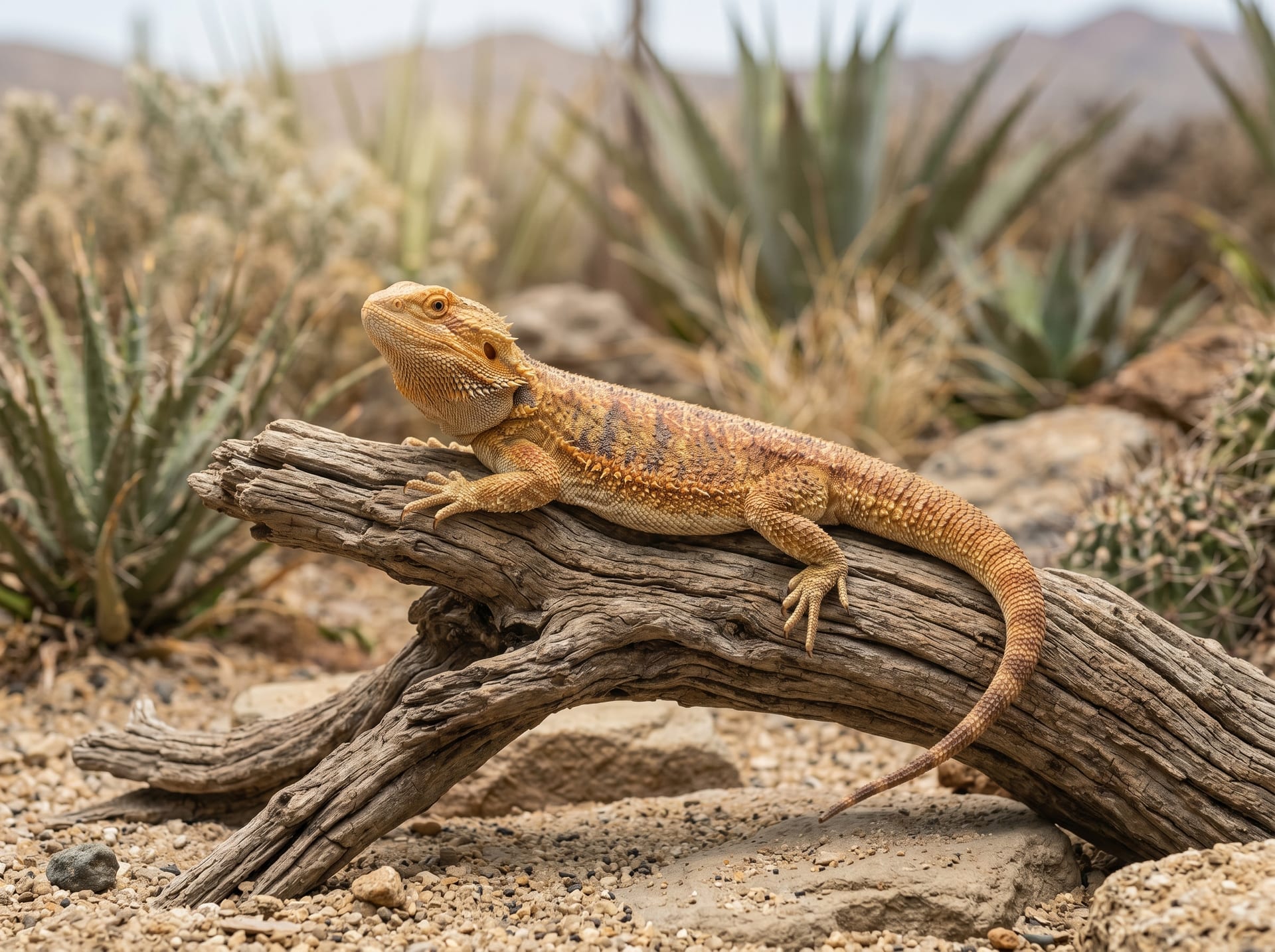
Bearded dragons: After heavy clutches (15–25 eggs), allow 8–12 weeks for gradual recovery.
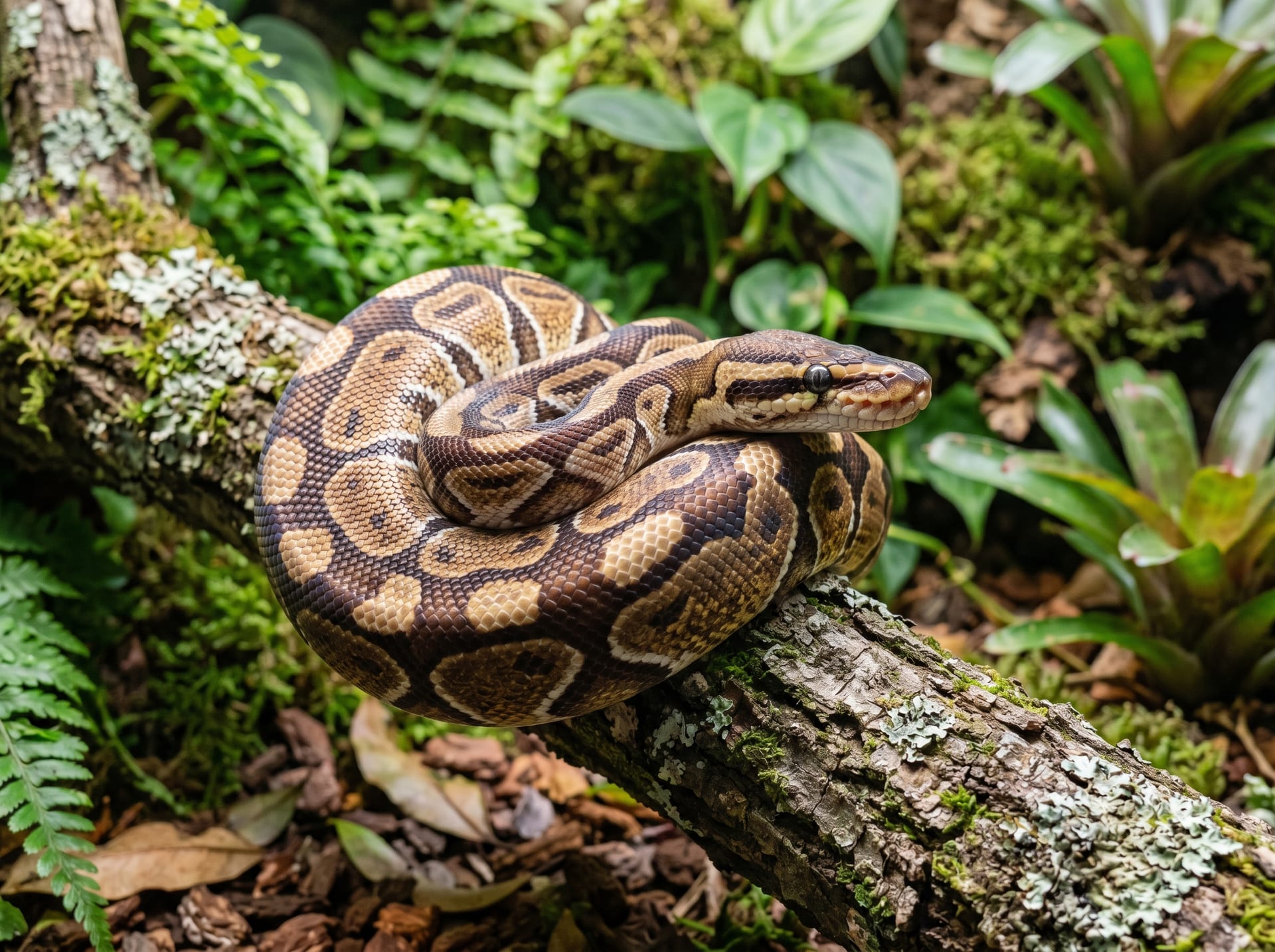
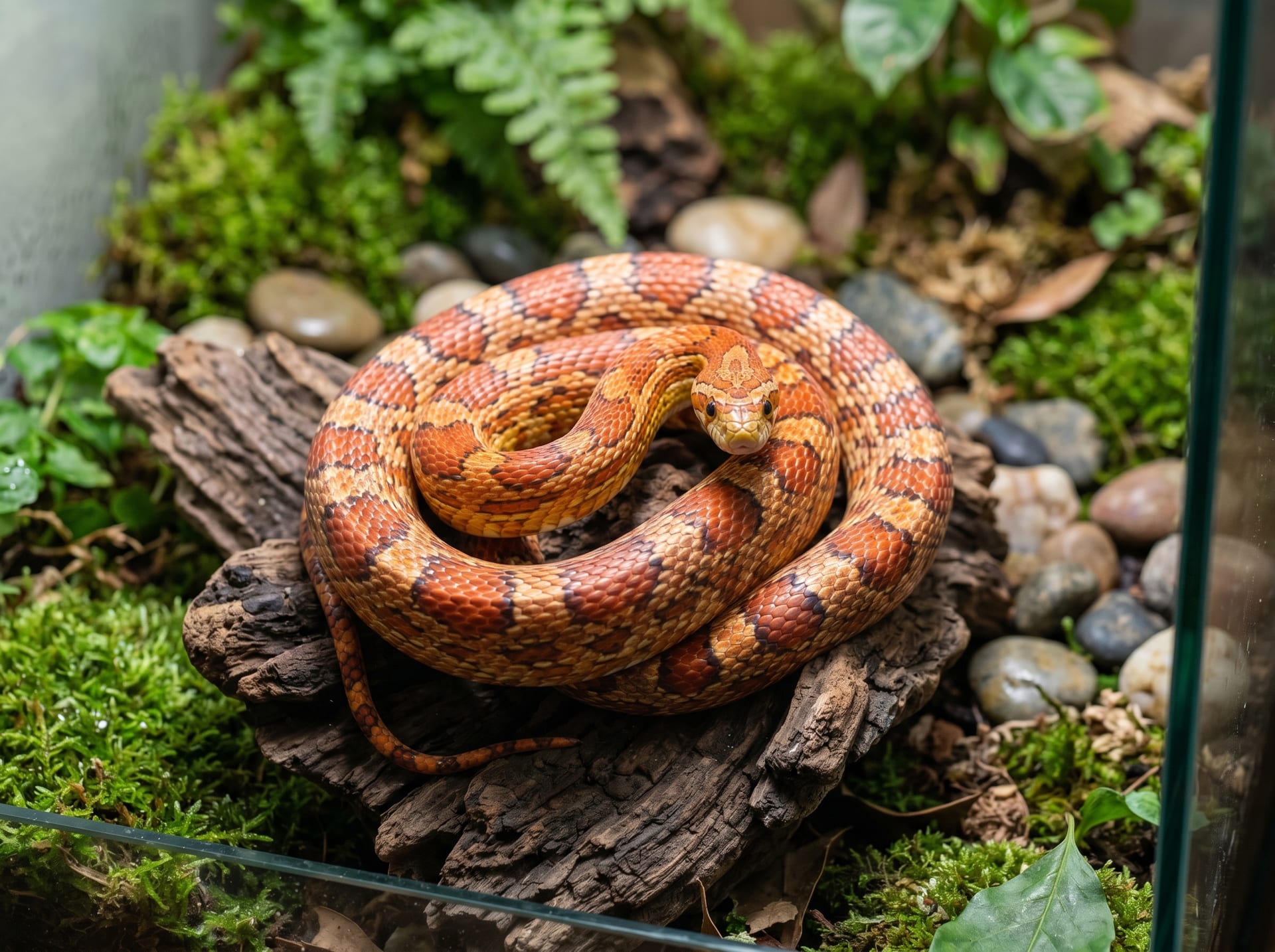
Corn snakes and ball pythons: Resume feeding 1–3 weeks post-laying, with typical return to pre-laying weight in 2–3 months.
We strongly recommend not breeding again until the female has completely returned to pre-laying weight. Ball pythons in particular often fast during laying, so always confirm resumption of feeding post-laying before planning the next breeding cycle.
Preparation for the Next Breeding Cycle
The final goal of post-laying care is to have the female in a healthy condition for the next breeding season. Refer to the following checklist:
Rest from breeding for 3–6 months post-laying (once per year for some species)
Track recovery progress through regular weight monitoring graphed over time
Assess digestive function by monitoring fecal matter (shape, color, and quantity)
Conduct annual fecal examination to check for parasites
Confirm adequate weight recovery before cooling
By keeping breeding records for each female—including laying date, clutch size, post-laying weight, and next breeding date—you can create a sustainable breeding schedule. Maintaining healthy females over the long term is the foundation for consistently producing high-quality individuals.