Reptile Temperature Management Guide | Creating Hot Spots and Cool Zones
A guide to creating thermal gradients, essential for reptile care. Learn species-specific temperature requirements, proper setup of basking lights and under-tank heaters, and strategies for managing summer heat and winter warmth.
Key Takeaways
A guide to creating thermal gradients, essential for reptile care. Learn species-specific temperature requirements, proper setup of basking lights and under-tank heaters, and strategies for managing summer heat and winter warmth.
Reptiles are ectothermic animals that rely on external heat sources to regulate their body temperature. Unlike mammals and birds, they cannot generate heat internally, making environmental temperature management critical to digestion, immune function, metabolism, and behavior. Proper temperature control is fundamental to successful reptile husbandry.
✍️
BreederDirect Editorial
The BreederDirect editorial team specializes in care information for animals, covering veterinary care and breeding to deliver beginner-friendly guides.
Find Reptiles on BreederDirect
Buy directly from verified breeders
Browse Related Listings
Find Reptiles listings related to this article on BreederDirect. Buy directly from verified breeders.
Related Tools
Related Articles
Browse by Category
🪸Coral
🐠Marine Fish
🐟Tropical Fish
🐡Goldfish
🐟Medaka
🦎Reptiles
Share
Why Thermal Gradients Are Essential
The behavior reptiles use to regulate body temperature is called "thermoregulation." In the wild, they bask on sun-warmed rocks to raise their body temperature, then move to shade to cool down when overheated, repeating this cycle continuously.
High body temperature state: Digestive enzymes activate, appetite increases, immune function operates normally, and activity levels rise
Low body temperature state: Digestion slows dramatically, appetite decreases, immune function weakens, and disease susceptibility increases
In other words, the enclosure must provide both a "warm area (hot spot)" and a "cool area (cool zone)" so the individual can self-regulate its body temperature. Rather than maintaining uniform temperatures throughout, creating intentional temperature gradients is the correct approach.
Recommended Temperature Ranges by Species
Temperature requirements vary significantly by species. Always research your specific species' requirements before purchasing.
Species
Hot Spot
Cool Zone
Nighttime
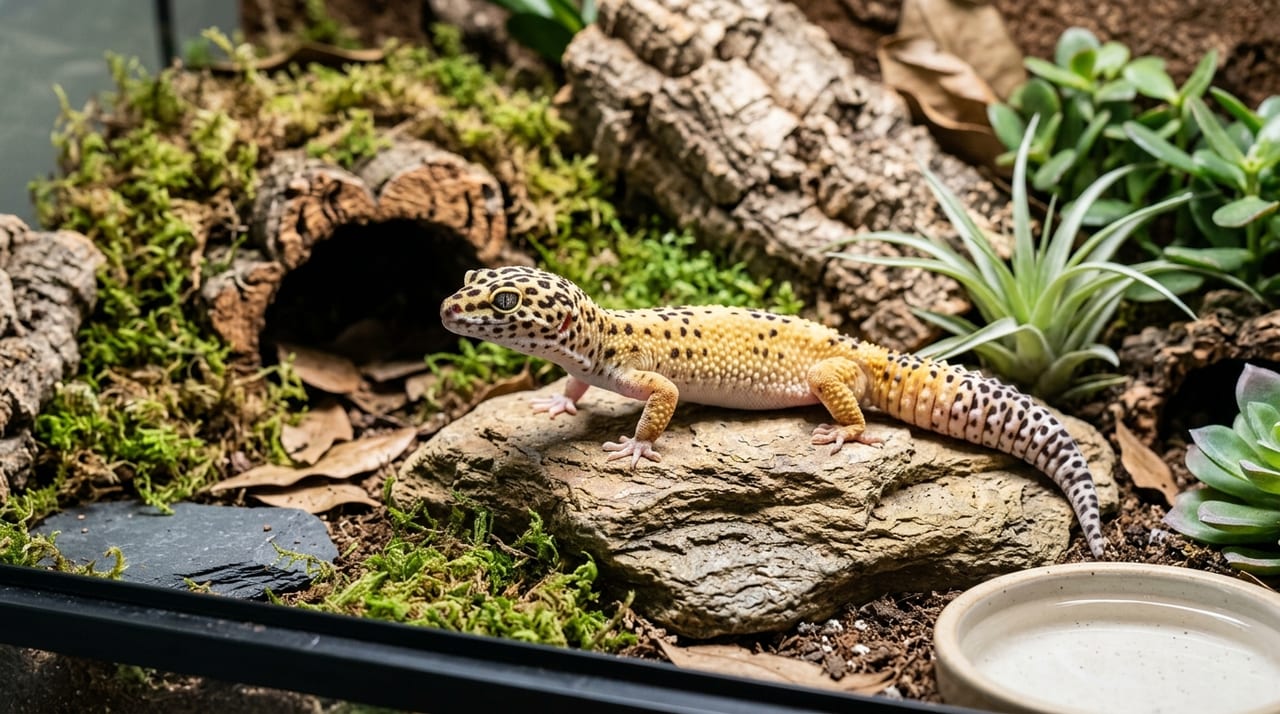
Leopard Gecko
30–32°C
22–25°C
20–22°C
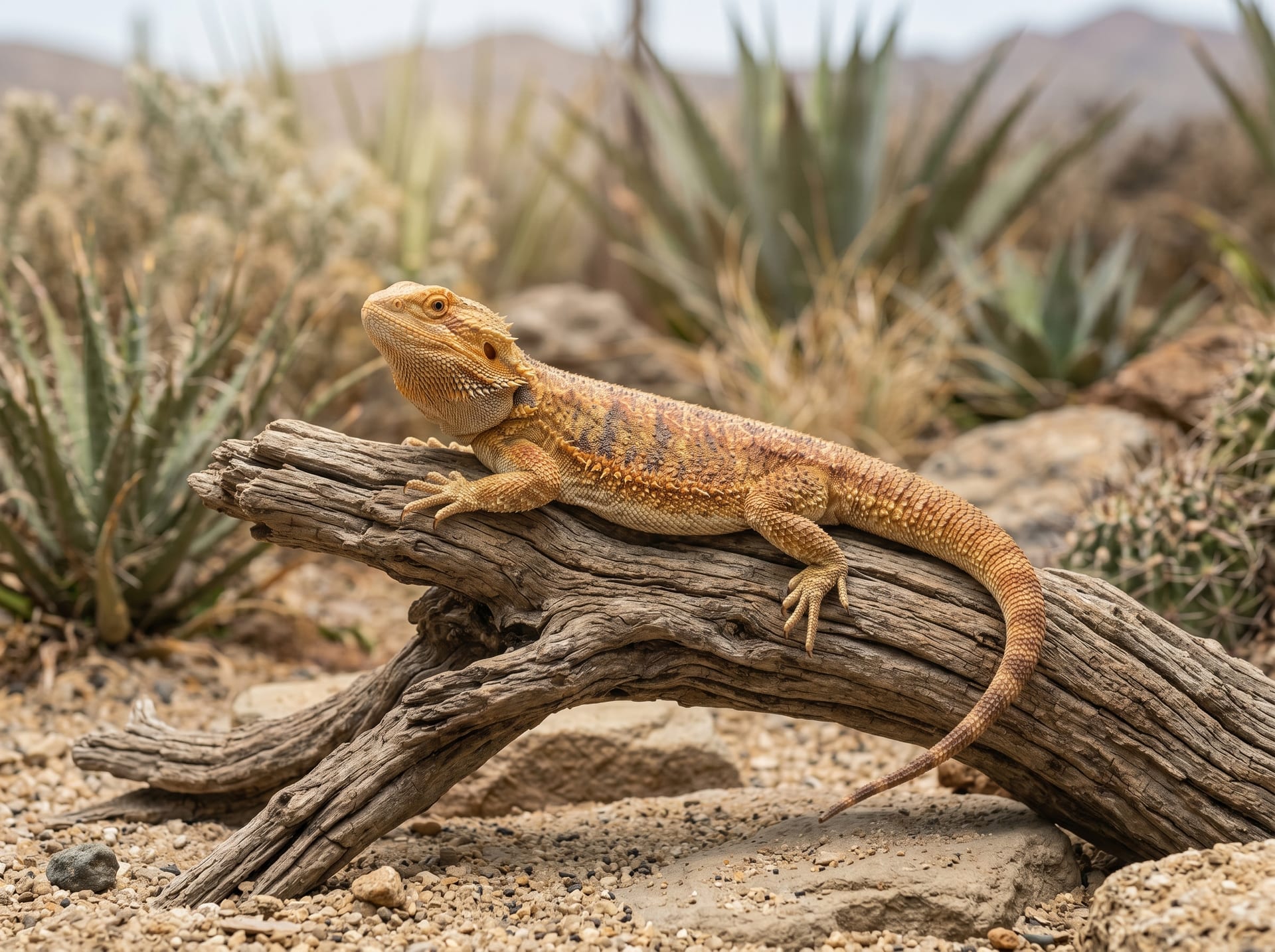
Bearded Dragon (Adult)
40–45°C
25–28°C
20–22°C
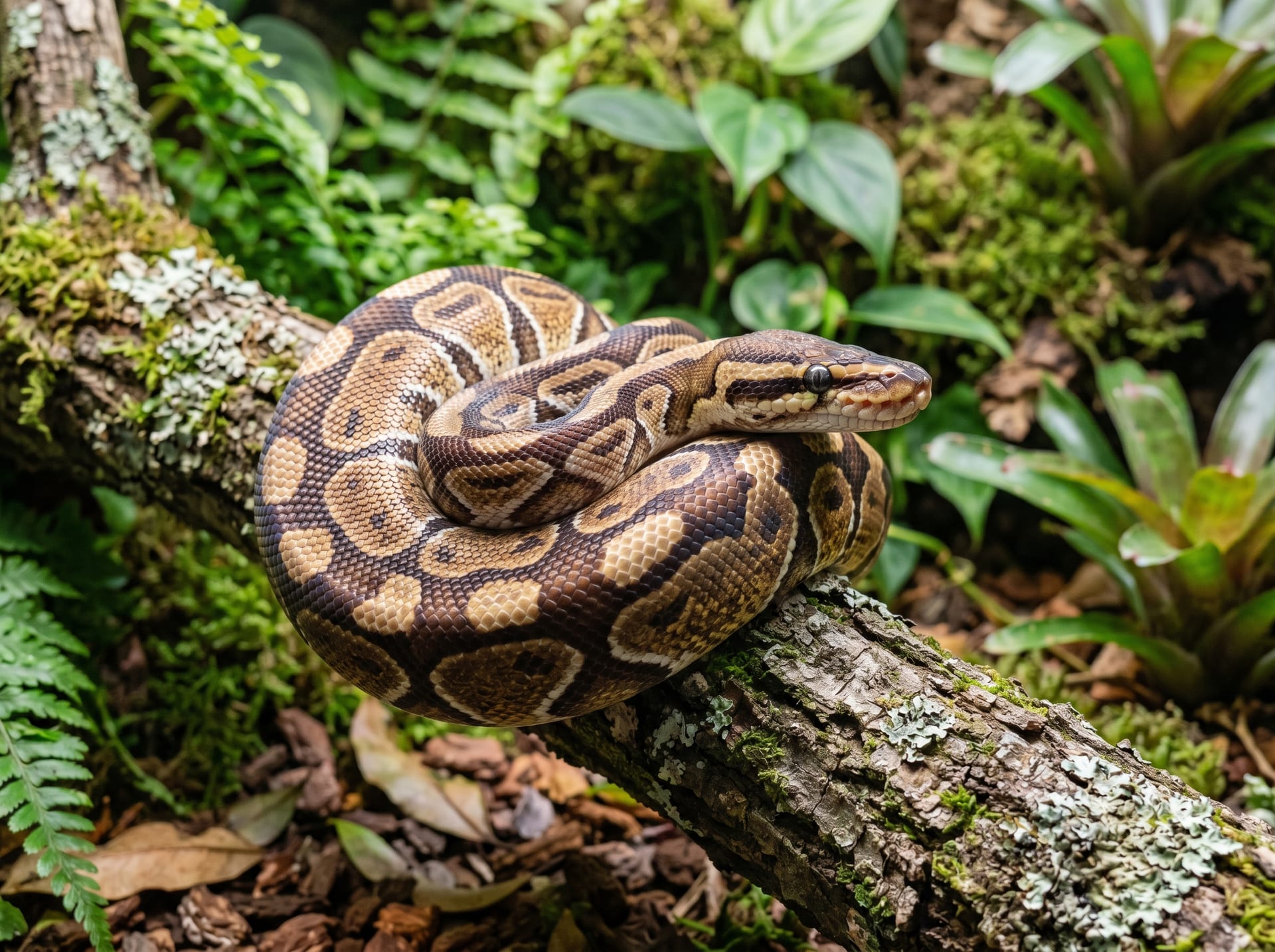
Ball Python
32–35°C
25–28°C
22–25°C
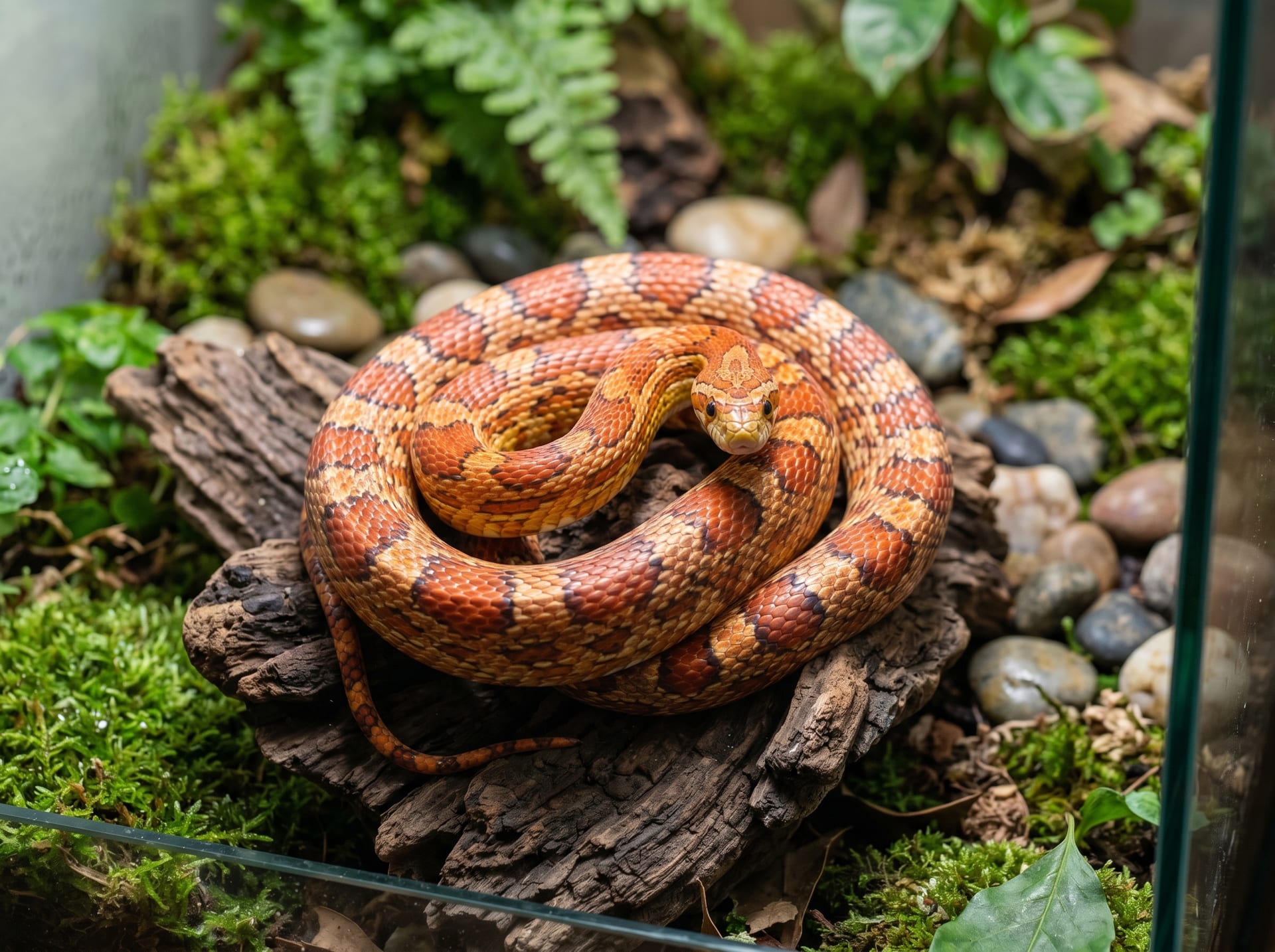
Corn Snake
28–30°C
22–25°C
18–22°C
The Bearded Dragon's hot spot may seem high, but it mimics the rock temperatures of the Australian outback in the wild. Conversely, Ball Pythons are relatively sensitive to temperature fluctuations, requiring stable conditions throughout their range. For detailed care instructions, see the Beginner's Guide to Reptile Care.
Types of Heating Equipment and Proper Usage
Under-Tank Heater
A thin, flat heating pad placed under 1/3 to 1/2 of the enclosure floor. Widely used as the primary heater for nocturnal species like Leopard Geckos and Fat-Tailed Dwarfs. Placing it beneath the substrate provides gentle belly heat that aids digestion. Never allow direct contact with skin, as this causes thermal burns—always place substrate between the heater and the animal.
Heat Lamps and Basking Lights
Mounted above the enclosure to create hot spots. Essential for diurnal reptiles like Bearded Dragons. Two types exist: those emitting UVB (ultraviolet-B) and heat-only versions. Most diurnal species require both. Always turn off heat lamps at night to replicate natural day/night cycles.
Ceramic Heaters (Infrared Heaters)
These emit heat without visible light, making them ideal for nighttime heating. Surface temperatures become extremely high—direct contact causes severe burns. Always use a metal lamp guard when operating one.
Thermostat (Temperature Controller)
Connects to heating equipment to automatically regulate temperature. This is essential. Operating heating equipment without a thermostat dramatically increases risks of overheating fatalities and fire. Two types exist: on/off and PWM control. PWM control is recommended for superior stability.
Installing Thermometers and Measurement Methods
Accurate temperature management requires continuous monitoring of enclosure conditions.
Minimum 2 locations: One on the hot spot side, one on the cool zone side
Digital thermometer (probe-type): Sensor sits inside the enclosure while the display remains outside. Offers high accuracy and constant visibility—recommended
Infrared thermometer (thermal gun): Non-contact device that instantly measures floor surface temperature. Particularly effective for confirming basking spot surface temperatures
Temperature/humidity data logger: Records 24-hour temperature fluctuations, revealing nighttime cooling and other patterns. Premium option
Develop the habit of checking not just whether the hot spot reaches target temperature, but also whether the cool zone maintains appropriate ranges and whether nighttime temperatures don't drop excessively.
Seasonal Temperature Adjustments and Emergency Measures
Summer Precautions
When room temperature exceeds 30°C, enclosures risk overheating. If turning off heating equipment doesn't resolve the issue, air conditioning becomes necessary. Enclosed tanks with tight-fitting lids are especially prone to heat buildup—pay special attention to ventilation.
Winter Precautions
Room temperature can plummet during late nights and early mornings when heating is off. Increase ceramic heater or heat lamp output, or wrap the enclosure with insulation materials. Ball Pythons are particularly temperature-sensitive; rapid temperature drops trigger feeding refusal and illness.
Power Outage and Travel Preparation
Keep disposable heat packs and insulated boxes on hand as backup for power failures. When away for extended periods, use timers or smart thermometers to monitor conditions remotely.
Summary | Welcoming Healthy Reptiles from BreederDirect
In reptile care, temperature management isn't optional—it's mandatory. Accurately understanding hot spot, cool zone, and nighttime temperatures for each species, then managing them with a thermostat and multiple thermometers, forms the foundation of long-term health.
Once your enclosure is ready, it's time to choose your animal. BreederDirect's reptile category features directly-bred, breeder-raised animals maintained under proper temperature and humidity conditions. Before purchase, you can ask breeders directly about care requirements and temperature ranges, giving beginners confidence in welcoming their first reptile. See our Guide to Purchasing from Trusted Breeders as well. With your temperature management system ready, start browsing for your ideal reptile today.