Radiated Tortoise Care Guide | Madagascar Tortoise Characteristics, Legal Regulations, Cage Setup, and Diet Management
Comprehensive guide to caring for the Radiated Tortoise (Astrochelys radiata), an endemic species of Madagascar. Covers the distinctive radiating shell pattern, legal regulations under CITES Appendix I, cage setup and temperature control, herbivorous diet guidelines, and long-term care management for this long-lived species.
Key Takeaways
Comprehensive guide to caring for the Radiated Tortoise (Astrochelys radiata), an endemic species of Madagascar. Covers the distinctive radiating shell pattern, legal regulations under CITES Appendix I, cage setup and temperature control, herbivorous diet guidelines, and long-term care management for this long-lived species.
Related Species
About the Radiated Tortoise
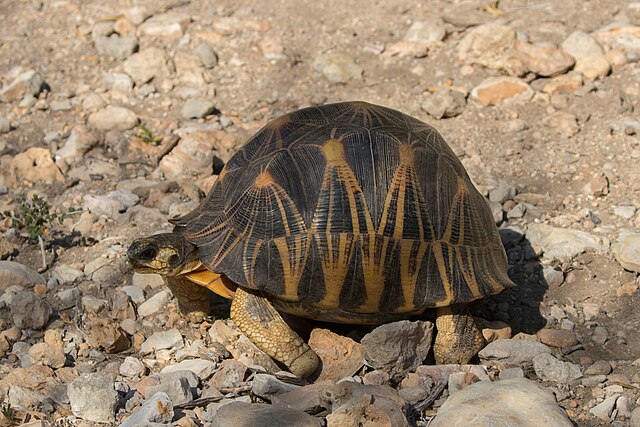
The Radiated Tortoise (scientific name: Astrochelys radiata) is a large terrestrial tortoise endemic to the arid regions of southern Madagascar. Its most distinctive feature is a shell with bright yellow radiating lines on a black background (the origin of the name "radiated"), and it is widely recognized as one of the most beautiful tortoise species in the world.
Basic Information
| Item | Details |
|---|---|
| Scientific Name | Astrochelys radiata |
| Carapace Length (Adult) | 35–50 cm |
| Weight (Adult) | 10–20 kg |
| Estimated Lifespan | 150+ years (Record: The "Tu'i Malila" individual lived an estimated 188 years) |
| Native Habitat | Southern Madagascar (dry scrubland and savanna) |
| Conservation Status | Listed on CITES Appendix I · Critically Endangered (CR) |
The Radiated Tortoise is recorded as "one of the longest-lived animals in the world," and keeping one represents a commitment spanning multiple generations.
Legal Regulations in Japan (Always Check Before Keeping)
The Radiated Tortoise is listed on CITES (Convention on International Trade in Endangered Species) Appendix I, and international trade for commercial purposes is in principle prohibited.
Main Regulations for Keeping in Japan
| Regulation | Details |
|---|---|
| Import | CITES import permit required (commercial purposes are effectively prohibited) |
| Domestic Trade | Appendix I species cannot be bought or sold without Class 1 Animal Handler registration |
| Captive-Bred Individuals | CB individuals born from legally obtained parents can be traded domestically, but proper documentation is required |
When purchasing or acquiring, always verify that proper CITES documentation (import permits, certificates of origin) is complete. Individuals lacking proper documentation are subject to confiscation and penalties.
Setting Up the Enclosure
Enclosure Size
Radiated Tortoises are highly active and require ample space.
| Individual Size | Indoor | Outdoor |
|---|---|---|
| Hatchling to Subadult (Carapace length up to 20 cm) | Floor area of 60 × 90 cm or larger | 1 m² or larger |
| Adult (Carapace length 20 cm+) | 1.5 × 2 m or larger | 4 m² or larger |
For long-term adult care, outdoor enclosure (during periods when appropriate temperatures can be maintained) is ideal.
Temperature Management
Coming from the arid regions of southern Madagascar, they prefer relatively high temperatures.
| Location | Temperature |
|---|---|
| Basking Spot | 40–45°C |
| Active Zone | 28–35°C |
| Nighttime (Overall) | 20–25°C |
| Annual Minimum Temperature | 18°C or higher (below 10°C is dangerous) |
Winter Management: Japan's winters are too cold, requiring indoor heater management. Unlike other tortoise species, hibernation is not recommended for this species.
Humidity
Coming from an arid habitat, humidity should be maintained at 40–60%. The environmental setup is similar to that for Sulcata Tortoises and can serve as a reference.
However, warm soaking in the basking area (warm water soaking 1–2 times weekly, 30°C for 20 minutes) is effective for metabolism, hydration, and promoting defecation.
UVB Lighting (For Indoor Care)
- UVI 2.9–4.0 (T5HO 12% or higher lamps recommended)
- Light duration: 12–14 hours
- During seasons when outdoor natural light care is possible, provide outdoor exposure when feasible
Diet Management
Radiated Tortoises are strictly herbivorous, feeding on fruits, plant leaves, and succulents in the wild.
Recommended Diet Composition
| Food Item | Proportion | Notes |
|---|---|---|
| High-fiber leafy greens (komatsuna, Chinese broccoli, dandelion leaves) | 50–60% | Focus on calcium-rich options |
| Grasses (timothy hay, orchard grass) | 10–20% | For digestive fiber |
| Seasonal wild plants (dandelion, plantain) | 10–20% | When foraging, avoid pesticides and herbicides |
| Fruits (apple, papaya, mulberry) | 5–10% | Give sparingly due to high sugar content |
Foods to Avoid
- High-protein foods (insects, meat, tofu, cheese, etc.): burden on kidneys
- Cabbage and broccoli: contain goitrogens that affect thyroid function
- Avocado, onion, and garlic: toxic
Calcium Supplementation
- Keep cuttlebone or oyster shell powder available at all times
- Avoid over-supplementing vitamin D3 in environments with adequate natural light or UVB
Feeding Frequency
Adults: daily or every other day. Offer fresh vegetables in the morning and remove uneaten food in the evening.
Breeding and Egg Management
Breeding is possible under appropriate care conditions.
- Mating season: Spring to early summer (April–July)
- Clutch size: 3–12 eggs per clutch
- Incubation: 80–100 days at 29–31°C
- Temperature-dependent sex determination (TSD): males tend to develop at 29°C, females at 31°C
Maintaining breeding records is also important for maintaining CITES documentation.
Long-Term Care Philosophy for This Long-Lived Species
Radiated Tortoises can live 50–100+ years in captivity.
- Long-term enclosure review: Environmental adjustments are necessary as the keeper's life circumstances change
- Succession planning: Securing a reliable caretaker for the future
- Building a long-term veterinary relationship: Establish a relationship with a reptile-specialized veterinarian early on
- Documentation management: CITES-related documents must be kept for the lifetime of the individual
Summary
The Radiated Tortoise, with its unparalleled beauty and longevity, represents a pinnacle in reptile keeping. By acquiring a legally compliant individual and maintaining proper high-temperature, arid conditions and strict herbivorous diet management, decades of successful care are possible. Over its long lifespan, this species offers an exceptionally unique experience—a bond with an animal that transcends generations.