What is the Green-Cheeked Conure?
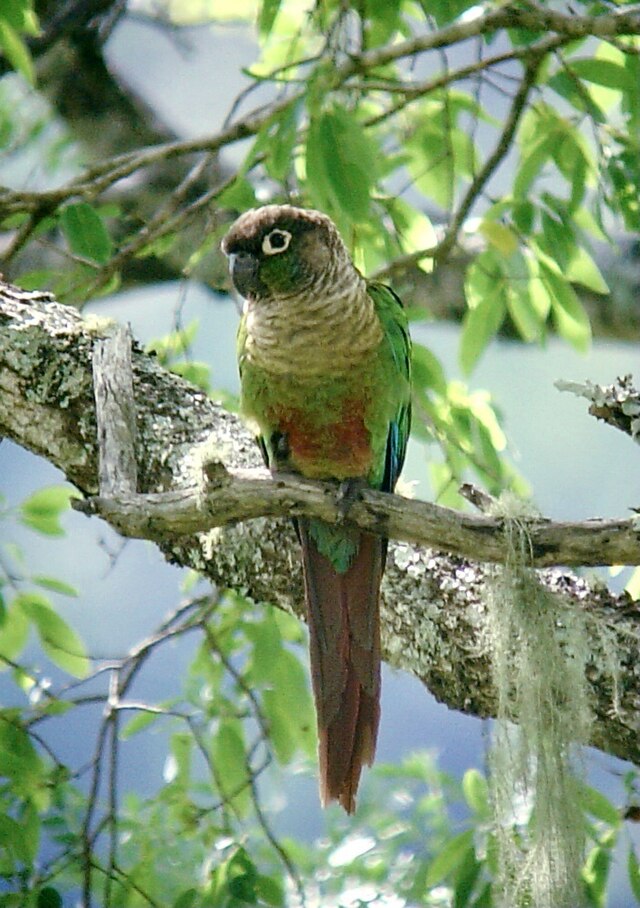
The Green-Cheeked Conure (Pyrrhura molinae) is a mid-sized parrot native to South America, known worldwide by its English name "Green-Cheeked Conure." Despite its compact, palm-sized body measuring just 26–28 cm, this species combines playfulness, affectionate nature, and a gentle voice—a winning combination that has driven rapid popularity growth in Japan since the 2020s.
Green-Cheeked Conure: Basic Data
| Item | Details |
|---|
| Scientific Name | Pyrrhura molinae |
| English Name | Green-Cheeked Conure |
| Native Range | Brazil, Bolivia, northern Argentina |
| Body Length | Approximately 26–28 cm |
| Weight | 60–80 g |
| Lifespan | 15–20 years |
| Vocalization Level | Moderate to low (relatively quiet among conure species) |
Wild-Type and Major Subspecies and Color Morphs
Green-Cheeked Conures are known to have multiple subspecies, and breeders have developed numerous color morphs through selective breeding.
Wild-Type (Normal)
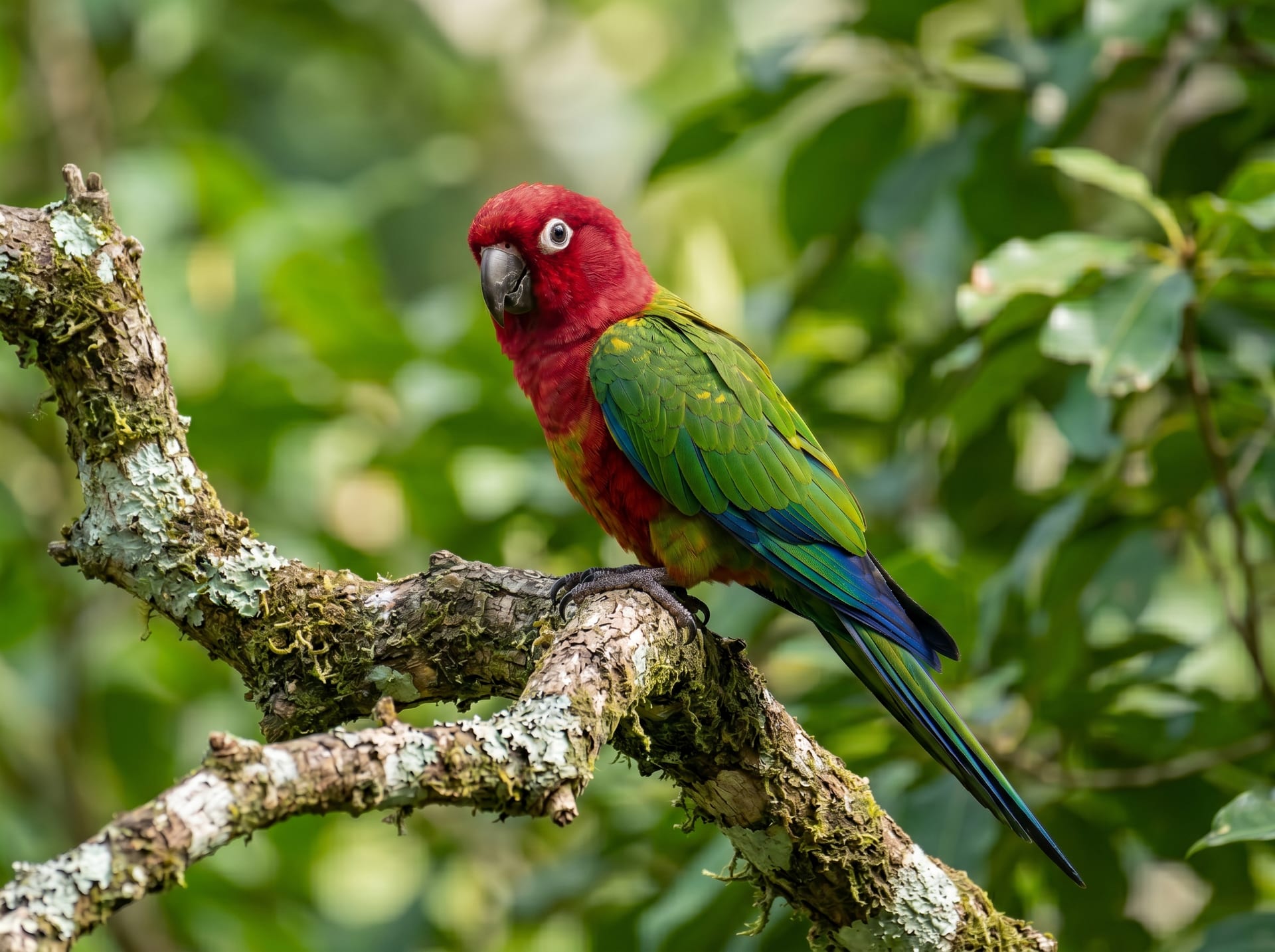
Green back and wings with dark red to purplish-red underparts, and bright green cheeks. The wild-type is the most commonly available and easiest to obtain.
Major Subspecies
| Subspecies | Characteristics |
|---|
| P. m. molinae | Nominate subspecies; Bolivian origin |
| P. m. sordida | Darker colored underparts |
| P. m. australis | Argentine origin; slightly lighter body coloration |
Popular Color Morphs
| Morph Name | Characteristics |
|---|
| Pineapple | Yellow plumage with red head; extremely popular |
| Cinnamon | Brownish tones throughout feathers; ruby-eyed |
| Turquoise | Vivid turquoise-blue wings |
| Yellow-Sided | Yellow coloring on flanks; strong red on underparts |
| Opaline | Yellow spread across head; often combined with other morphs |
| Mint | Overall pale mint-green coloration |
| Moon Cheek | Cheek green replaced with pale orange to cream tones |
Color morphs vary in genetic inheritance (dominant, recessive, sex-linked), so understanding genotypes is essential for breeding planning.
Temperament and Appeal as Companion Birds
Personality Characteristics
Green-Cheeked Conures are known for these behavioral traits:
- Playful and Intensely Curious: Show strong interest in toys and owner's belongings. The characteristic "upside-down pose" when playing is distinctive
- Affectionate: Highly bonded to their owner and enjoy perching on shoulders or sitting in hands during out-of-cage time
- Relatively Quiet Vocalization: Compared to Cockatiels and larger parrots, their calls are gentle, making them well-suited for apartment living
- Somewhat Stubborn: May develop biting behaviors during certain periods (breeding season, adolescence), requiring training
Points Favoring Captive Care
- Relatively small size with minimal space requirements
- Gentle vocalizations with minimal noise disturbance to neighbors
- Long lifespan (15–20 years) makes them suitable as long-term companions
- Playful nature makes them ideal for training
Housing Environment
Cage Size
| Cage Type | Size Guide |
|---|
| Minimum (single bird, extended absences) | 45 × 45 × 60 cm |
| Recommended (one bird) | 60 × 45 × 70 cm or larger |
| Multiple birds | 90 cm minimum width |
If daily out-of-cage time of 2–3 hours is available, slightly smaller cage dimensions are acceptable.
Temperature and Humidity
| Item | Recommended Range |
|---|
| Ideal Temperature | 22–28°C |
| Minimum Temperature | 18°C or above (heated panels recommended for winter) |
| Humidity | 50–60% (pet humidifiers useful during dry seasons) |
Diet Management
Primary Foods
| Food Type | Proportion |
|---|
| Pellets (complete nutrition) | 70–80% |
| Fresh vegetables (bok choy, broccoli, carrots, etc.) | 10–20% |
| Seeds (mixed grains excluding sunflower seeds) | 0–10% (treat-level only) |
Sunflower seeds and nuts are high in fat and should be limited.
Foods to Avoid
- Avocado, onions, chocolate, alcohol (toxic to all birds)
- Caffeine (coffee, tea)
- High-sodium foods (snack foods, etc.)
Supplemental Nutrition
Since indoor captive birds receive insufficient UV exposure, Vitamin D3-supplemented supplements or UV-B lamp exposure for sunbathing supplementation is recommended.
Health Management and Common Illnesses
Regular Check-ups
Annual to semi-annual veterinary check-ups with an avian specialist are recommended. Regular testing for chlamydiosis (psittacosis) is important for protecting the owner's health as well.
Common Health Issues
PBFD (Psittacine Beak and Feather Disease)
A viral immunodeficiency disease characterized by abnormal feather loss and beak deformation. No effective treatment currently exists; prevention through isolation and testing of new birds is critical.
Breeding-Related Issues
Year-round egg-laying and excessive breeding behavior increase risks of exhaustion and egg binding. Manage breeding cycles through light exposure management, dietary restrictions, and removal of nesting materials.
Hyperuricemia (High Uric Acid Levels)
More likely to develop from excessive animal protein intake. Prevention through pellet-based primary diet and regular blood testing is recommended.
The Green-Cheeked Conure offers the deep bond of larger parrots while requiring minimal space and noise, making it beloved among bird enthusiasts. The diversity of color morphs adds to its appeal, and the species remains highly attractive for breeder activities.