Yellow-naped Amazon (Amazona auropalliata) Care Guide | Intelligence, Speech, Diet, and Health Management
A detailed guide to caring for Yellow-naped Amazons (Amazona auropalliata). Covers their high conversational abilities and musical responsiveness, compliance with CITES Appendix I regulations, cage sizing and environmental setup, dietary management to prevent obesity, managing aggression during breeding season, and the main health conditions to monitor during regular checkups—all essential knowledge for long-term care.
Key Takeaways
A detailed guide to caring for Yellow-naped Amazons (Amazona auropalliata). Covers their high conversational abilities and musical responsiveness, compliance with CITES Appendix I regulations, cage sizing and environmental setup, dietary management to prevent obesity, managing aggression during breeding season, and the main health conditions to monitor during regular checkups—all essential knowledge for long-term care.
Related Species
The Yellow-naped Amazon (scientific name: Amazona auropalliata), also called the "Yellow-naped Amazon," is a large parrot native to Central America. The yellow patches on the back of the head (kieri = yellow neck) give the species its name, and it is renowned worldwide as one of the most intelligent parrot species, known for its exceptional conversational ability and responsiveness to music. This article provides a comprehensive guide to the knowledge necessary for successfully keeping a Yellow-naped Amazon.
Basic Information About Yellow-naped Amazons
Yellow-naped Amazons are large parrots measuring 35–38 cm in length and weighing approximately 450–600 grams. They have predominantly green plumage with characteristic yellow patches on the back of the head (nape). The red flight feathers on the wings (red wing speculum) provide a striking accent to their appearance.
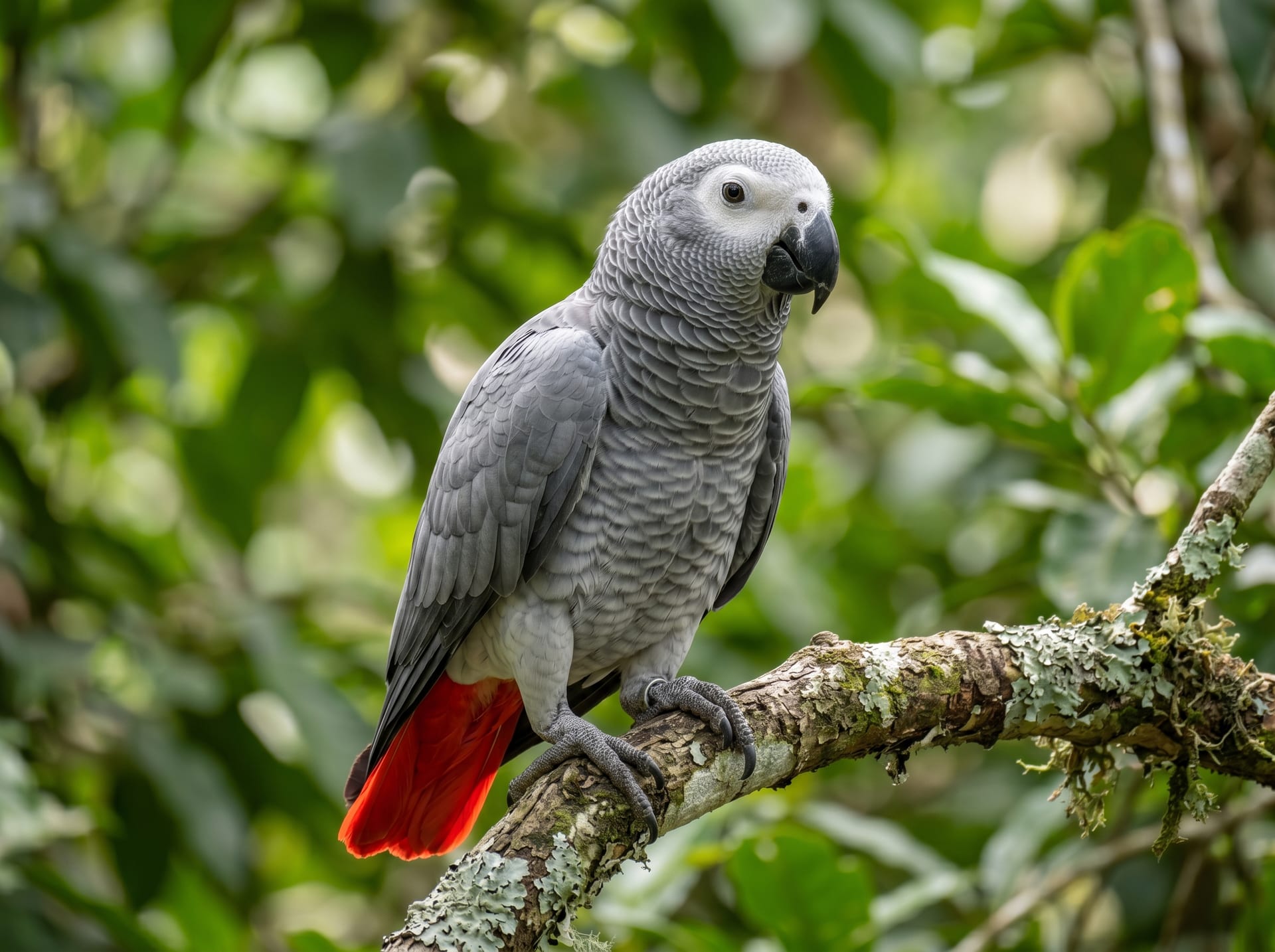
Intelligence and conversational ability: Yellow-naped Amazons possess language acquisition abilities comparable to African Grey Parrots, and it is not uncommon for individuals to learn over 100 words. They are also known for singing and engaging in "musical behavior," such as dancing in response to music.
Lifespan: Under proper care, some individuals live 40–60 years or longer, meaning pet ownership represents a lifelong commitment.
Washington Convention (CITES) regulations: Yellow-naped Amazons are listed in CITES Appendix I, which prohibits international commercial trade in wild-caught individuals. Only captive-bred (CB) specimens are permitted for trade, and documentation verifying the bird's origin is essential before purchase.
Housing and Environmental Setup
Because Yellow-naped Amazons are large and active birds, they require substantial space.
Cage sizing:
- Minimum size: 90 cm wide × 60 cm deep × 120 cm tall or larger
- Recommended size: 120 cm wide × 80 cm deep × 150 cm tall or larger
- Cage material: Stainless steel is ideal (resistant to the powerful beaks of large species)
Cage furnishings:
- Multiple natural wood perches of varying diameters and heights to stimulate feet
- Toys (destructible wood, leather, and rope toys)
- Foraging toys (to encourage natural foraging behavior)
- A shallow dish for bathing (provided regularly)
Temperature and humidity:
- Ideal temperature: 20–27°C (avoid sudden changes)
- Humidity: 50–70%
- Place the cage in a location without direct sunlight while ensuring adequate ventilation
- Tobacco smoke, air fresheners, and PTFE (Teflon) heating fumes are lethal and strictly prohibited
Positioning the cage in a common family area like the living room encourages socialization, but cover it with a cloth at night to ensure adequate sleep. Amazons require approximately 10–12 hours of sleep daily.
Diet and Nutritional Balance
As with all Amazon parrots, obesity is a serious health concern. Yellow-naped Amazons tend to have voracious appetites, making careful dietary management with proper nutritional balance essential.
Recommended daily diet composition:
- High-quality pellets: 50–60% (such as Zupreem or Harrison's)
- Fresh vegetables and fruits: 30–40%
- Seeds and nuts (sunflower seeds, peanuts, etc.): 5–10% or less (limit due to high fat content)
Vegetables and fruits that are safe to offer:
- Broccoli, bok choy, squash, bell pepper
- Apples (seeds removed), bananas, mango, papaya
- Legumes (cooked), brown rice, whole wheat pasta
Foods to avoid:
- Avocado (persin toxicity)
- Chocolate and caffeine
- Onions and garlic
- Alcohol
- High-salt and processed foods
Water: Provide fresh drinking water daily and keep it available at all times.
Because Amazon parrots are prone to obesity, weigh your bird monthly and keep records. If your bird significantly exceeds its ideal weight, eliminate seeds entirely and increase the proportion of pellets.
Behavioral Characteristics and Training
Yellow-naped Amazons are highly social birds that form strong bonds with humans. However, improper handling can lead to problem behaviors such as biting, excessive vocalization, and feather plucking.
Basic hand-training principles:
- Birds raised from a young age (under 6 months) adapt more readily to hand-feeding
- Avoid forceful contact; allow the bird to approach voluntarily
- Learning the "step-up" command (getting the bird to perch on your finger or arm) is fundamental
- Positive reinforcement training (reward-based) is most effective
- Provide a minimum of 1–2 hours of out-of-cage time daily to allow free flight
Managing breeding season: Mature birds (5–7 years and older) may display increased aggression during breeding season (spring through summer). Avoid petting that stimulates breeding behavior (excessive contact with the back or tail feathers), and do not place a nest box in the cage, as these measures help suppress breeding behavior.
Addressing problem behaviors:
- Excessive vocalization: Do not respond to attention-seeking loud calls, as this reinforces the behavior
- Biting: Read the bird's body language and avoid forcing contact; biting is rarely unprovoked
- Feather plucking: Usually stems from boredom, stress, or illness—improve environmental enrichment and consult an avian veterinarian
Health Management and Common Health Issues
Regular veterinary checkups: Annual to biannual visits to an avian veterinarian (avian veterinary specialist) are recommended.
Common health problems:
- Proventricular dilatation disease (PDD): Suspect if the bird displays ruffled feathers, weight loss, and regurgitation
- Chlamydiosis (psittacosis): A zoonotic disease, so early detection is critical
- Pacheco's disease (herpesvirus): If fever, lethargy, or mucous nasal discharge appears, seek veterinary care immediately
- Aspergillosis: A fungal respiratory disease—prevent through maintaining a clean environment
- Vitamin A deficiency: Often caused by a diet centered on seeds; offer a variety of vegetables
Nail trimming and wing clipping: Have a veterinarian or professional groomer trim the nails. Wing clipping (feather trimming) may be performed to prevent escape, though it is less common in Japan where indoor-only housing is standard; whether to clip is up to the owner's discretion.
Considerations Before Purchase
Yellow-naped Amazons have exceptionally long lifespans and, due to their intelligence and rich emotional lives, are often described as "challenging." Seriously consider the following before purchasing:
- A 40–60-year lifespan is comparable to human longevity
- Several hours of essential daily social interaction
- Ongoing costs for proper nutrition and veterinary care
- Adaptation to moves or changes in household composition
- Arranging for a caretaker in case of unexpected circumstances
When purchasing from a breeaker, remember that this is a CITES Appendix I species and always verify the captive-bred (CB) certificate and registration papers. On trustworthy platforms like BreederDirect, you can assess breeder reliability through their profile, reviews, and responsiveness to inquiries.
Summary
Yellow-naped Amazons captivate their owners with remarkable conversational abilities and a personality that loves music. However, as large parrots, they require adequate space, abundant environmental enrichment, proper dietary management, and consistent daily interaction. For those seeking a long-term deep partnership, they offer an exceptionally rewarding experience. Before acquiring one, conduct thorough research and engage in meaningful dialogue with breeders to ensure responsible acquisition.