Lineolated Parakeet Care Guide | Gentle Nature, Vocalizations, Cage Selection, and Taming
Basic care information for Lineolated Parakeets. Detailed guide to nurturing their gentle nature through socialization, selecting the right cage, diet management, and health checks.
Key Takeaways
Basic care information for Lineolated Parakeets. Detailed guide to nurturing their gentle nature through socialization, selecting the right cage, diet management, and health checks.
The Lineolated Parakeet (scientific name: Bolborhynchus lineola, English name: Lineolated Parakeet / Barred Parakeet) is a small parrot species native to Central and South America (southern Mexico to northern South America). At approximately 16-17 cm in body length, it is noticeably smaller than budgerigars. Its gentle and quiet temperament has made it increasingly popular in recent years as "a parrot that can be kept even in apartment buildings where larger parrots are impractical."
✍️
BreederDirect Editorial
The BreederDirect editorial team specializes in care information for animals, covering veterinary care and breeding to deliver beginner-friendly guides.
Find Birds on BreederDirect
Buy directly from verified breeders
Browse Related Listings
Find Birds listings related to this article on BreederDirect. Buy directly from verified breeders.
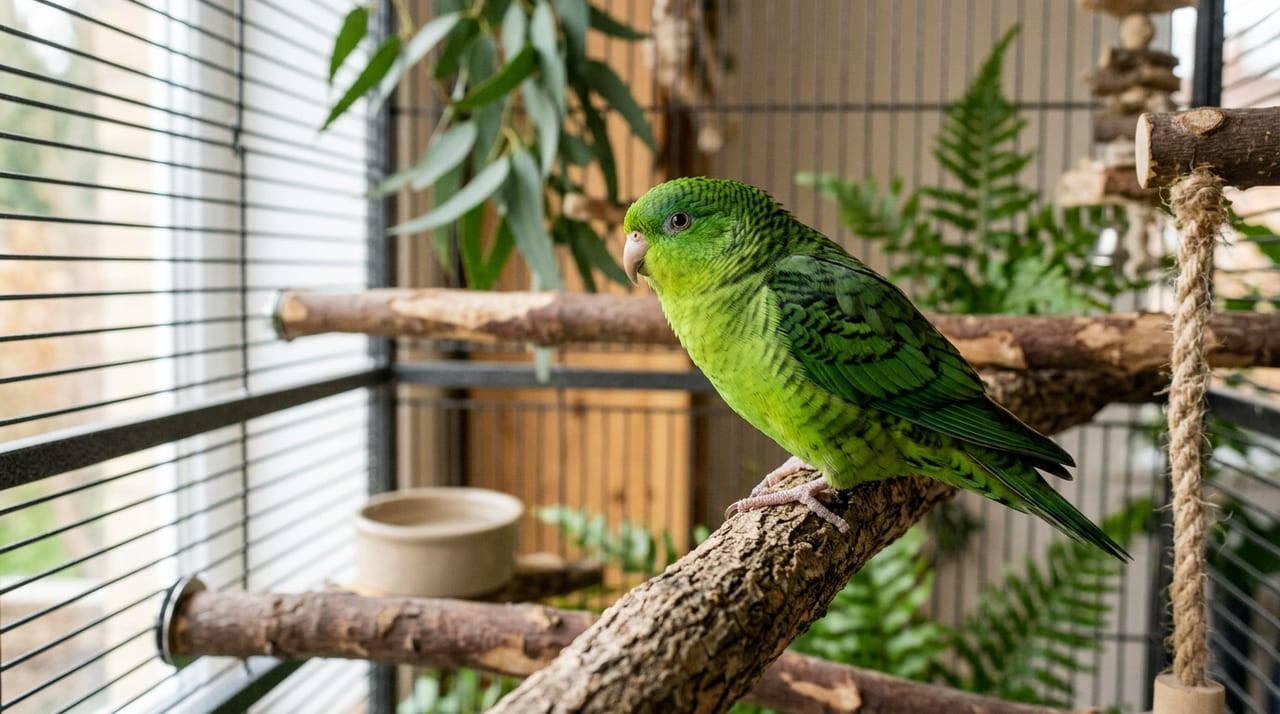
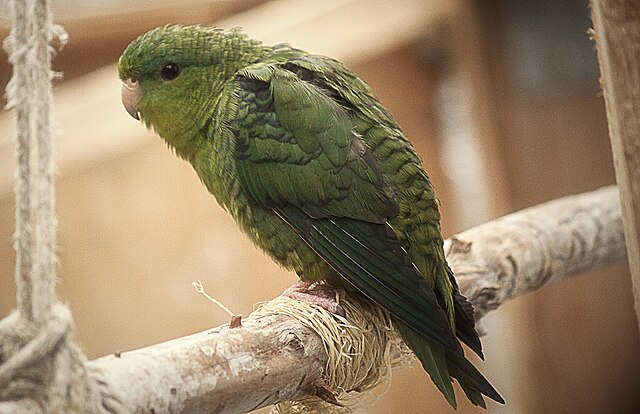
The body is predominantly green, with black barring (striped pattern) along the wings and back, which is the origin of its name. Compared to budgerigars, it has a stockier build and a more solid appearance. Color mutations include varieties such as "Turquoise (blue series)," "Lutino (yellow)," and "Albino (white)," which are popular among breeders.
Personality
The defining characteristic of the Lineolated Parakeet is its gentleness. While typical parrots tend to be aggressive and bite frequently, Lineolated Parakeets remain relatively calm even on first meeting and prefer to sit quietly on your shoulder or hand once accustomed to handling. Additionally, they are less active and energetic than other parrot species, earning them praise as "easy to manage in limited spaces."
Vocalizations
Keepers appreciate their soft, quiet vocalizations. They produce typical parrot-like "chirp-chirp" high-pitched calls and low, throaty warbles. As they rarely shriek loudly, they are unlikely to cause disturbances with neighbors, even in soundproofing-challenged apartments.
Cage and Equipment Requirements
Cage Size
A minimum of 45 cm (width) × 45 cm (depth) × 45 cm (height) is recommended. Since Lineolated Parakeets prefer to spend time near ground level (they often adopt a ground-hugging posture along perches), a design with more floor space than height is ideal.
Perches
Installing multiple perches of varying thickness maintains even muscle balance in the feet. Perches of uniform thickness can cause uneven pressure, leading to foot disorders (bumblefoot). Natural wood (driftwood) perches also provide better enrichment and reduce boredom.
Nesting Box
If breeding is not intended, a nesting box is unnecessary. The presence of a nesting box can trigger breeding behavior and disrupt hormonal balance.
Diet and Nutrition Management
Primary Diet
Feed small-grain seed mix (millet, canary seed, sorghum, etc.) as the primary diet. Transitioning to pellets, if possible, provides better nutritional balance. Incorporating foraging techniques (feeding methods that encourage exploratory behavior) also provides mental stimulation.
Vegetables and Fruits
Provide vegetables (bok choy, Chinese cabbage, broccoli, etc.) 3-4 times per week. Offer fruits sparingly as they are high in sugar. Never feed onions, avocado, caffeine, or chocolate.
Calcium Supplementation
Provide cuttlebone or mineral block permanently in the cage. Female birds, especially those breeding, consume large amounts of calcium for egg production and are prone to deficiency.
Taming and Bonding
Starting with Hand-Raised Chicks (Hand-Feeding)
Hand-raising from the hand-feeding stage builds the deepest bond of trust. Feed commercially available hand-rearing formula with a syringe or small spoon every 2-3 hours. Maintaining proper temperature (28-30°C) is essential.
Starting with Adult Birds
For new adult birds, keep them in the cage for the first 1-2 weeks, focusing on talking to them and allowing them to become accustomed to your presence. Lineolated Parakeets tend to freeze quietly when frightened, and attempting to force handling will increase wariness.
Offering your finger and rewarding with small millet seeds when they step up is effective. Gradually extending handling time daily typically results in hand-taming within 2-4 weeks.
Health Management and Precautions
Weight Monitoring
The standard weight for a Lineolated Parakeet is approximately 48-55 g. Weigh them weekly under consistent conditions. A sudden drop of 2 g or more indicates a health problem.
Molting Period Care
The molt, occurring 1-2 times yearly, is physically demanding. During this period, maintain warmth (around 28°C) and switch to a diet emphasizing vitamin supplementation, particularly vitamins A and D.
Temperature Management
The ideal temperature range is 20-28°C. Below 15°C affects their health, and temperatures above 35°C are dangerous. Avoid direct summer sunlight and cold air conditioning drafts in winter.
Conclusion
The Lineolated Parakeet is a well-balanced small parrot that is "easy to keep yet deeply affectionate." Their quiet vocalizations and gentle nature make them ideal for first-time parrot owners and those with space constraints. Even if they seem quiet in their cage, consistent daily observation, weight monitoring, and hand-training will build a long and rewarding relationship lasting 15-20 years.