The Complete Guide to Green Iguana Care | Living with Large Lizards
The green iguana stands out as one of the most impressive large lizards among reptile pets. Its vibrant green coloring, imposing dewlap (the fold of skin around the throat), and impressive size—reaching up to 180cm in total length—continue to captivate reptile enthusiasts. However, many people who start out casually end up abandoning their iguanas after finding they cannot accommodate the dramatic growth and behavioral changes that come with maturity.
This article provides a comprehensive guide, from an expert perspective, covering everything you need to know to responsibly care for a green iguana through its entire lifespan.
---
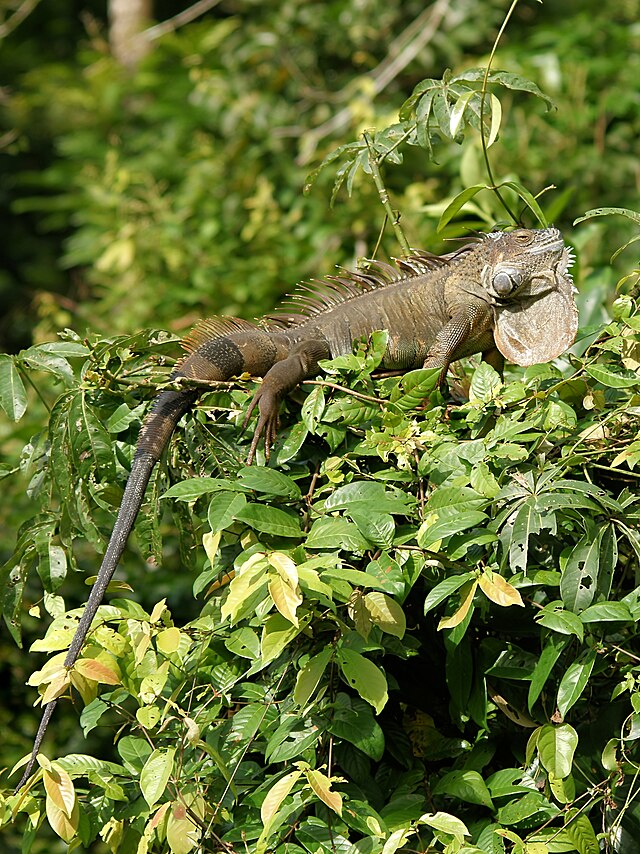
The green iguana (Iguana iguana) is a large lizard from the iguana family native to the tropical rainforests of Central and South America. In the wild, these tree-dwelling reptiles are commonly seen basking in the sun on branches near rivers.
- Classification: Squamata, Family Iguanidae
- Adult Length: 150–180cm including tail
- Adult Weight: 4–8kg
- Lifespan: 15–20 years with proper care (records exceed 25 years)
- Diet: Strictly herbivorous
- Native Range: Southern Mexico through northern South America and Caribbean islands
Juveniles display bright green coloring, but as they mature, many individuals shift to olive green, brown, or orange-tinted hues. Males in particular tend to develop stronger orange coloration upon reaching maturity, displaying especially vibrant colors during breeding season.
---
Enclosure Preparation | The Challenge of Size
The first and greatest hurdle in green iguana care is providing an appropriately sized enclosure for an adult. When you see 30cm hatchlings at pet shops, it may seem possible to keep them compact, but they commonly reach 60cm in one year and exceed 1 meter within 2–3 years.
Juvenile Enclosure (up to 50cm)
At the juvenile stage, a glass reptile enclosure around 60×45×60cm works. However, given their rapid growth, purchasing a larger enclosure from the start saves the trouble of replacing it. Height is critical—green iguanas are arboreal and need vertical space to climb and move.
Adult Enclosure
Adult green iguanas require an enclosure of at least 180cm wide × 90cm deep × 180cm tall. Commercial products cannot accommodate this size, so most keepers build custom enclosures or dedicate an entire room. The typical approach uses wood framing and wire mesh, with waterproofed plywood as the base while maintaining proper ventilation.
Place multiple thick branches or shelves at different levels throughout the enclosure to allow vertical movement. Position the basking spot at the highest point. Iguanas prefer elevated positions and feel secure when able to look down on their surroundings.
Substrate
Newspaper, pet pads, or coconut fiber work well as substrate. Newspaper and pet pads are easy to clean and hygienic. While coconut fiber looks more natural, there is risk of ingestion, especially with juveniles. Avoid sand and small granular substrates, as these cause intestinal blockage.
---
Temperature, Humidity, and UVB Management
Since green iguanas originate from tropical rainforests, they require a warm, humid environment. Temperature management failures directly cause digestive issues and immune compromise—this is the area requiring the most attention.
Temperature Settings
- Basking spot: 35–40°C
- Warm side of enclosure: 30–33°C
- Cool side of enclosure: 25–28°C
- Nighttime: 22–25°C (never below 20°C)
Use ceramic heaters or basking lamps for the basking spot. Given enclosure size, combining multiple heaters creates proper temperature gradients. Automatic thermostat control is strongly recommended.
Humidity Management
Maintain 60–80% humidity. Misting 2–3 times daily or using an automated misting system works well. Provide a large water dish where the iguana can fully submerge itself—they will bathe independently, which moisturizes skin and aids shedding. Dry environments increase risk of incomplete sheds and respiratory disease.
UVB Lighting
UVB lighting is essential for green iguana survival. UVB exposure enables them to synthesize vitamin D3 internally, promoting calcium absorption. UVB deficiency directly causes metabolic bone disease (MBD), leading to skeletal deformities and paralysis.
- Recommended UVB output: 10.0–12.0% linear (fluorescent tube) type
- Lighting distance: Strictly follow manufacturer recommendations (typically 30–45cm)
- Duration: 10–12 hours daily
- Replacement frequency: Every 6–12 months (visual degradation is not apparent)
When possible, natural sunlight on pleasant days on a balcony or yard is highly beneficial. Remember that UVB is almost completely blocked by glass, so direct sunlight exposure is necessary. Take precautions against escape and heat stroke.
---
Feeding Management | Understanding Complete Herbivory
Green iguanas are unusually herbivorous for reptiles. Insects and animal protein can cause serious kidney damage and must never be fed, even to juveniles. While older information suggested feeding insects to juveniles, modern veterinary medicine completely refutes this.
Primary Food—Leafy Greens (Daily, 70–80% of diet)
- Komatsuna (Japanese mustard greens): Rich in calcium, ideal as primary food
- Bok choy: Equally excellent primary food
- Molokhia: Exceptionally nutritious
- Radish greens: Calcium-rich
- Turnip greens: Superior calcium source
- Dandelion greens: Excellent food if pesticide-free
- Mulberry leaves: Well-balanced nutrition
Secondary Foods—Vegetables and Fruits (10–20% of diet)
- Pumpkin: Rich in vitamin A; chop finely or grate and mix
- Carrot: Grate and mix; effective vitamin A supplementation
- Green beans, snap peas: Texture variety
- Bell peppers: Vitamin C supplement; red and yellow varieties appeal to their preference
- Fruits (small amounts): Banana, mango, fig, papaya, etc. Feed occasionally (1–2 times weekly) due to high sugar content
Foods to Avoid
- Lettuce, cucumber: Minimal nutritional value; high water content disrupts nutritional balance
- Spinach: Oxalic acid inhibits calcium absorption
- Cabbage, broccoli: Large amounts may inhibit thyroid function
- Avocado: Toxic to reptiles
- All animal products: Insects, meat, eggs, dog food—cause kidney failure
Supplements
Dust food lightly with calcium powder at each feeding. Use calcium+vitamin D3 supplement 1–2 times weekly, and add multivitamins 1–2 times monthly. If UVB is properly positioned, be careful not to overdose vitamin D3.
---
Sexual Maturation and Behavioral Changes
Many green iguana keepers struggle most with the behavioral changes following sexual maturation. Males particularly undergo dramatic personality shifts around 2–4 years of age when hormonal influences increase aggression during breeding season.
Male Breeding Season Behavior Changes
- Head bobbing: Threatening and territorial behavior
- Dewlap display: Extending throat skin to appear larger
- Color change: Orange coloration intensifies
- Increased aggression: Biting and tail strikes toward owners
- Reduced appetite: Focus on breeding behavior diminishes interest in food
These changes are temporary but repeat yearly during breeding season (autumn–winter in Japan). Mishandling during this period risks creating a permanently aggressive individual.
Management Strategies
Continue brief daily handling even during breeding season. However, if aggression is severe, protect yourself with thick leather gloves or long sleeves. If the keeper shows fear, the iguana learns its threats are effective, so remaining calm is essential.
Females rarely become as aggressive during breeding season but may lay infertile eggs. Without an appropriate nesting site, females risk egg binding, potentially fatal.
---
Daily Care and Health Management
Bathing
Warm baths (30–33°C) 2–3 times weekly are recommended. Fill a tub or basin with lukewarm water allowing partial submersion for 15–20 minutes. Warm baths promote defecation, moisturize skin, and aid shedding. Most iguanas relax and defecate during baths.
Nail Trimming
Iguana claws are sharp and can wound keepers during handling. Regularly trim the tips with dog or cat nail clippers. Avoid cutting blood vessels; if bleeding occurs, use styptic powder to stop it.
Shedding
Iguanas shed regularly as they grow. Juveniles shed frequently; adults have longer intervals. Proper humidity management typically allows natural shedding completion, though skin sometimes adheres to fingers and tail tips. After warm baths, gently remove retained skin with damp gauze. Ignoring this causes impaired blood flow and tissue death.
Common Illnesses
- Metabolic Bone Disease (MBD): Caused by UVB or calcium deficiency; prevention is critical
- Kidney failure: Caused by animal protein consumption or chronic dehydration
- Respiratory infection: More common in cool or dry environments
- Parasites: Regular fecal screening for early detection
- Egg binding (females): Results from inadequate nesting environment setup
Veterinary clinics treating reptiles are limited; locate an exotic pet veterinarian before acquiring an iguana.
---
Considerations Before Acquiring an Iguana
Green iguanas are beautiful and captivating, but require serious commitment. Thoroughly verify the following before acquiring one:
- Space: Adult iguanas essentially require a dedicated room
- Costs: Custom enclosure expenses, daily fresh vegetables, electricity (lights and heaters), veterinary care
- Time: Daily feeding, cleaning, bathing, periodic nail trimming, handling
- Long-term commitment: 15–20 year lifespan
- Managing behavioral changes: Particularly male breeding season aggression
- Family support: Large reptile ownership requires household consensus
---
Bringing Home a Green Iguana from br-choku
Success in green iguana care begins with acquiring a healthy individual from a trustworthy source. br-choku connects you directly with experienced breeders offering carefully raised CB (captive-bred) individuals. The greatest advantage of direct breeder purchase is detailed information—exact hatching dates, parental background, current diet, and complete growth history. Moreover, you gain the reassurance of consulting the breeder directly about enclosure layout, feeding recipes, breeding season management, and more.