Showing 80 of 80 species
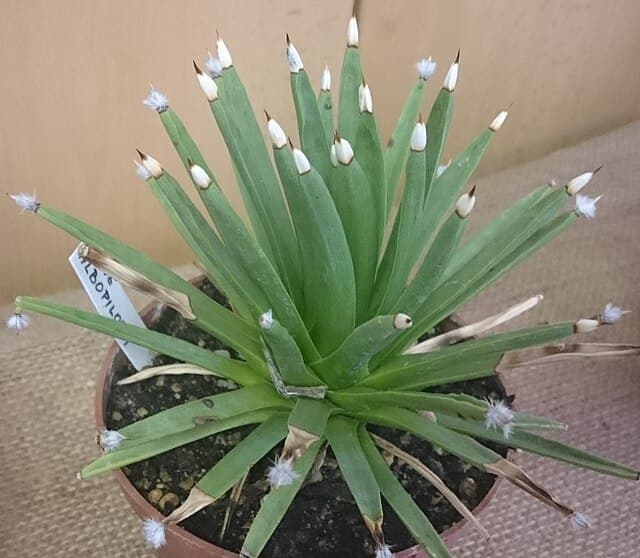
Agave Albopilosa
Agave albopilosa
A rare agave with white cotton-like fibers at leaf tips. A relatively new species described in 2007.
AlbopilosaWhite fibersNew species
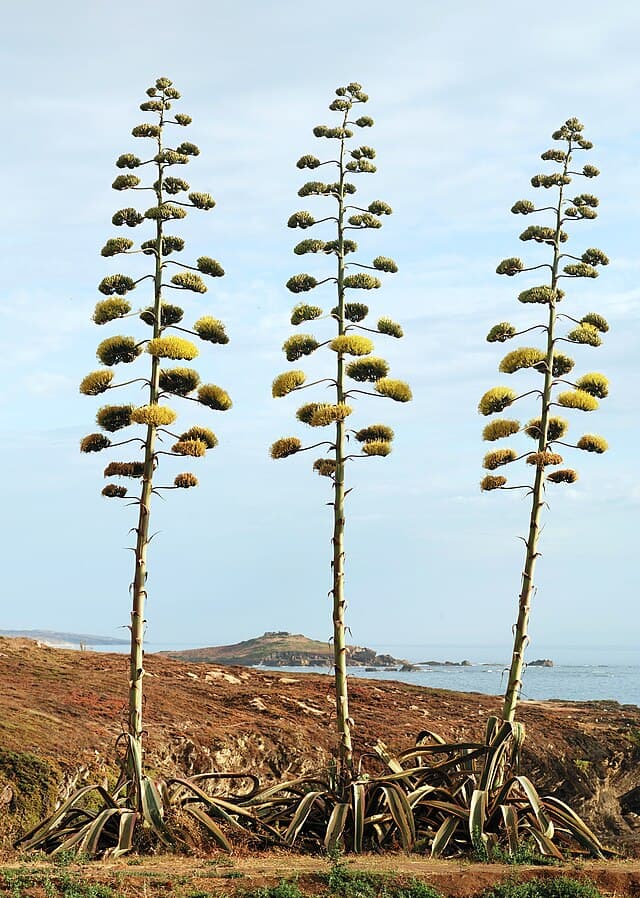
Agave Americana
Agave americana
Most widely known agave. Grows huge, often seen in parks and gardens. Also called Century Plant. Variegated forms popular.
GiantCentury PlantGround planting
🌵
Agave Angustifolia
Agave angustifolia
Widely distributed from Mexico to Central America. Narrow leaves with many variegated cultivars available. Believed to be ancestral to Agave tequilana. Hardy and fast-growing.
Narrow leafTequila ancestorBeginner-friendly
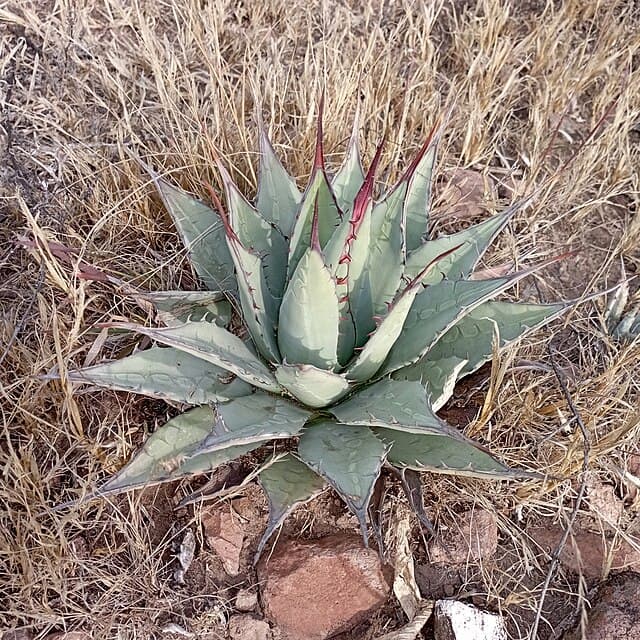
Agave Applanata
Agave applanata
A beautiful agave with blue-white wide leaves spreading flat. Cream Spike cultivar is famous.
ApplanataBlue-whiteFlat
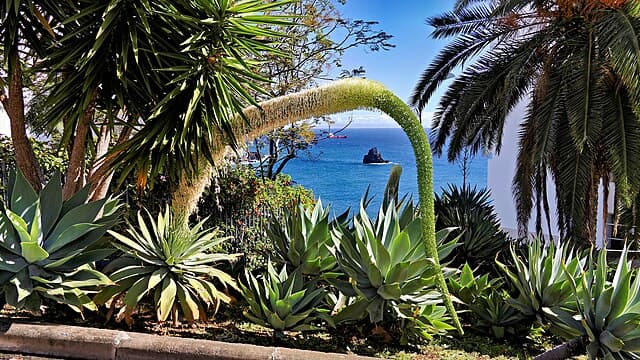
Agave Attenuata
Agave attenuata
Thornless agave with soft gracefully spreading leaves. Safe and easy for beginners. Frost-sensitive — bring indoors in winter.
ThornlessGracefulSafe
🌵
Agave Celsii
Agave celsii
A relatively compact agave with soft leaves. Thin blue-green leaves create elegant atmosphere.
CelsiiSoftBlue-green
🌵
Agave Chiapensis
Agave chiapensis
An agave from Chiapas, Mexico. Native to tropical to subtropical highlands, more adapted to humid conditions than most agaves. Broad, somewhat softer leaves. Prefers relatively warm environments.
ChiapensisTropicalHigh humidity
🌵
Agave Chrysantha
Agave chrysantha
Native to Arizona. Named 'golden flower' for its yellow blooms. Bright green leaves with small teeth. Cold-hardy and easy to grow.
Golden flowerCold-hardyArizona
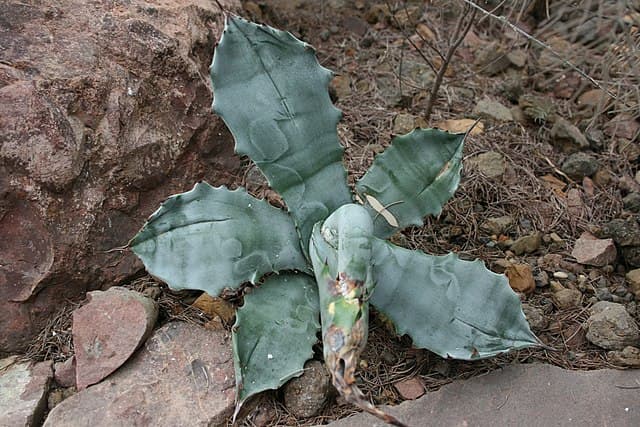
Agave Colorata
Agave colorata
Beautiful contrast of blue-grey leaves and reddish-brown spines. From Sonora, Mexico. Compact for pot cultivation.
Blue-grey leavesRed spinesSonora
🌵
Agave Colorata Variegated
Agave colorata f. variegata
Variegated mutation of Colorata. Blue-white leaves with yellow variegation create stunning contrast. Slightly less cold-hardy than normal form. Highly prized by collectors.
VariegatedColorataRare
🌵
Agave Cupreata
Agave cupreata
Native to Guerrero, Mexico. Used in mezcal production. Wide leaves with copper-colored teeth give a wild appearance. Grows large at maturity.
MezcalCopper teethLarge
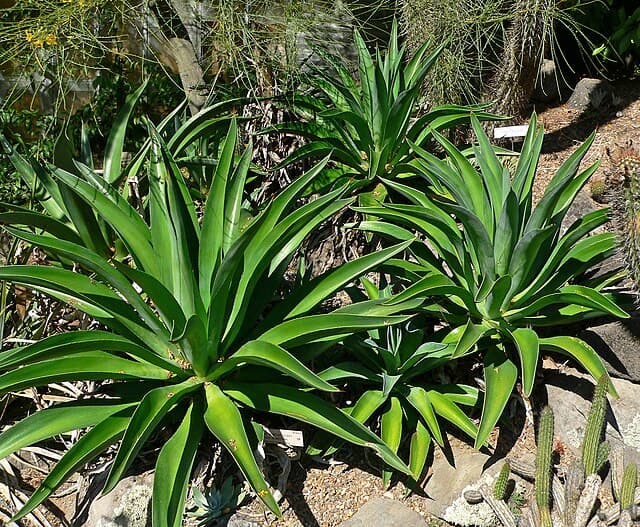
Agave Desmettiana
Agave desmettiana
A beautiful agave with soft elegantly curving leaves. Known by Japanese name 'Taki no Shiraito'.
DesmettianaTaki no ShiraitoElegant
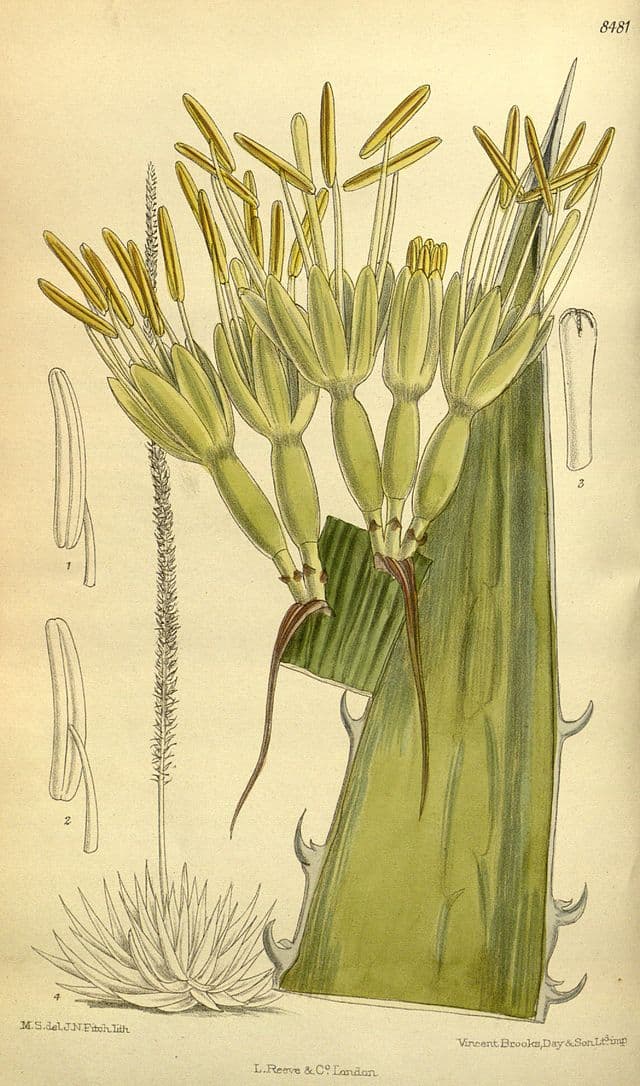
Agave Difformis
Agave difformis
A small spineless agave. Dense rosette type producing many offsets for clustering. Safe to manage.
DifformisSpinelessClustering
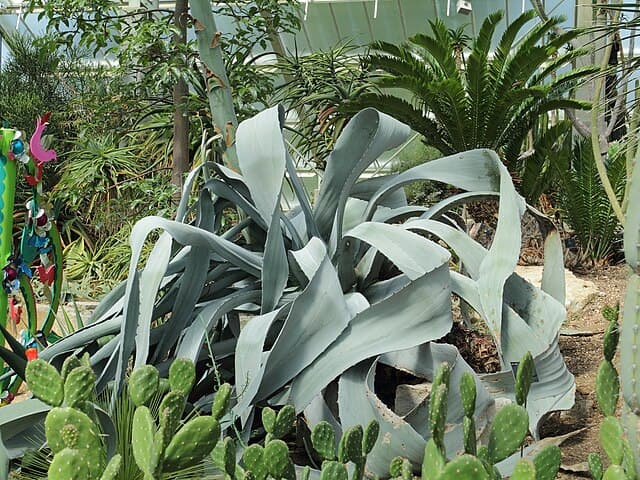
Agave Franzosinii
Agave franzosini
One of the largest agaves. Magnificent sight with huge blue-white leaves spreading in fan shape.
FranzosiniiLargest classGiant
🌵
Agave Funkiana
Agave funkiana
A medium agave from Coahuila to Nuevo León, Mexico. Forms an elegant rosette of long, narrow green leaves. Rich in fibers traditionally used for brushes and other products.
FunkianaNarrow leavesFiber
🌵
Agave Gentryi
Agave gentryi
An agave from the Sierra Madre of Mexico. Forms wide green rosettes with finely serrated leaf margins. Relatively large species; monocarpic, dying after flowering.
GentryiLargeSierra Madre
🌵
Agave Ghiesbreghtii
Agave ghiesbreghtii
Medium-sized agave from southern Mexico. Dark green leaves contrast beautifully with reddish-brown teeth. Forms compact rosettes ideal for container culture.
Red teethCompactOffsets
🌵
Agave Gracilipes
Agave gracilipes
Medium agave from Texas to New Mexico. Characterized by slim, elegant leaves. Related to Palmeri but more slender. Very cold-hardy, suited for ground planting.
Extreme cold-hardyGround plantingBeginner-friendly
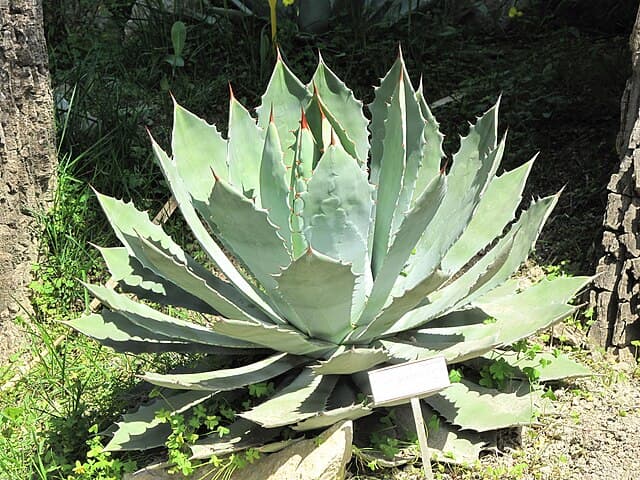
Agave Guadalajarana
Agave guadalajarana
A rare agave from Guadalajara, Mexico. Popular for broad blue-gray leaves and compact form.
GuadalajaranaRareBlue-gray
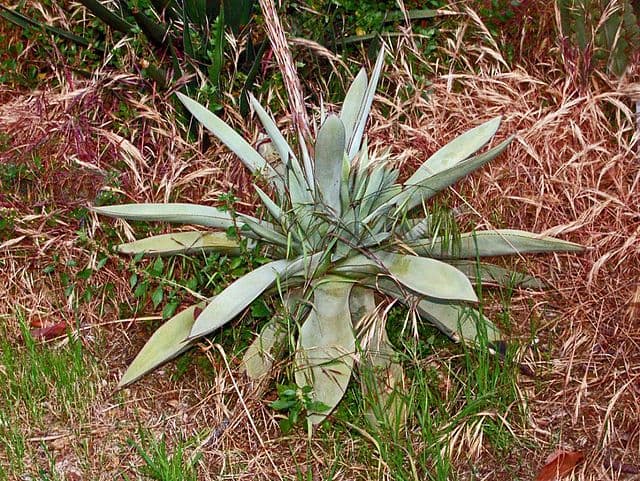
Agave Guiengola
Agave guiengola
A beautiful medium agave with cream-colored edges. Rare species from limestone areas of Oaxaca.
GuiengolaCream edgeRare
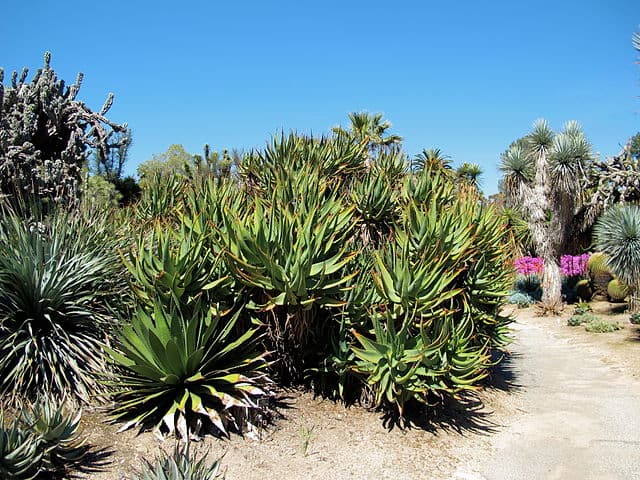
Agave Horrida
Agave horrida
Native to Mexico. Dark green fleshy leaves lined with sharp black teeth give a wild appearance. More cold-hardy than Titanota and adapts well to Japan's climate. Somewhat slow-growing.
Cold-hardyBlack teethWild look
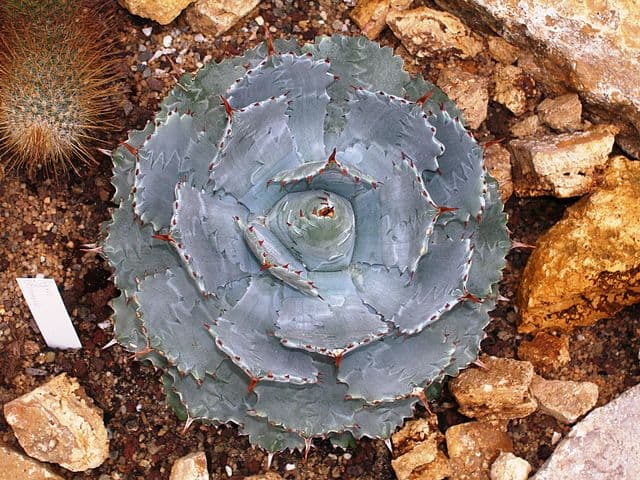
Agave Isthmensis
Agave isthmensis
A small agave from Oaxaca, Mexico. Attractive for its compact rosette and thick leaves.
IsthmensisSmallOaxaca
🌵
Agave Karwinskii
Agave karwinskii
An agave from Oaxaca, Mexico. Unique tree-like growth habit with rosettes forming on woody stems. Also known as 'Palo de Mezcal' and used in mezcal production.
KarwinskiiTree-likeMezcal
🌵
Agave Kissho Kan
A popular agave long cultivated in Japan. Hardy, easy for beginners, and easily available.
Kissho KanJapan-cultivatedHardy
🌵
Agave Lechuguilla
Agave lechuguilla
A small agave widely native to the Chihuahuan Desert. Called the 'indicator plant of the Chihuahuan Desert'. Sharp leaf tips and clumping habit. Strong fibers traditionally used for rope and baskets.
LechuguillaChihuahuan DesertSmall
🌵
Agave Leopoldii
An agave with narrow leaves and abundant white thread-like fibers, similar to Filifera. Sometimes considered a hybrid.
LeopoldiiThread fibersOrnamental
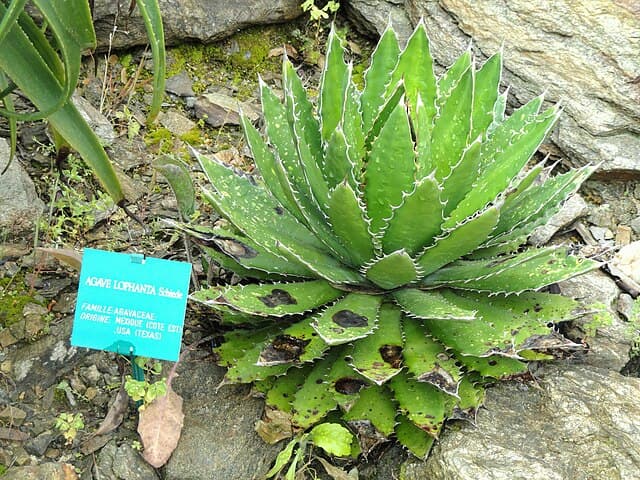
Agave Lophantha
Agave lophantha
An agave with vivid central green and lime green edges. Cold-hardy enough for ground planting.
LophanthaTwo-toneCold hardy
🌵
Agave Mapisaga
Agave mapisaga
A large agave from central Mexico with many long, narrow leaves forming a majestic rosette. Traditionally used to produce pulque (fermented beverage).
MapisagaVery largePulque
🌵
Agave Marmorata
Agave marmorata
Unique agave with marble-like patterns on leaves. Native to Oaxaca, Mexico. Wide leaves form a rosette, and individual variation in patterns adds collectibility.
Marble patternOaxacaCollectible
🌵
Agave McKelveyana
Agave mckelveyana
Small agave native to Arizona. Narrow gray-green leaves form compact rosettes. Characterized by filaments along leaf margins. Extremely cold-hardy.
SmallExtreme cold-hardyArizona
🌵
Agave Multifilifera
Agave multifilifera
Native to northwestern Mexico. True to its name, produces numerous filaments from leaf margins. More filaments than Filifera or Schidigera, creating a showy appearance.
Many filamentsShowyMexico
🌵
Agave Murpheyi
Agave murpheyi
Native to Arizona. Historically cultivated by indigenous peoples for food. Produces bulbils on flower stalks for vegetative reproduction. Characterized by hard gray-green leaves.
EdibleBulbilsArizona
🌵
Agave Neomexicana
Agave neomexicana
An agave from New Mexico to west Texas with excellent cold hardiness. Also called 'New Mexico Agave', it grows at high elevations. Compact and neat rosette form is beautiful.
NeomexicanaUltra cold hardyNew Mexico
🌵
Agave Nickelsiae (King Ferdinand)
Agave nickelsiae
Related to Victoria-reginae but smaller and more compact. Also called 'King Ferdinand.' Beautiful white paint-like leaf markings. Endangered endemic to Mexico.
RareEndangeredKing Ferdinand
🌵
Agave Nigra
Agave nigra
An agave from Sonora with characteristic dark green to near-black coloring. True to its name meaning 'black agave', its deeper, shadowy leaf color attracts collectors.
NigraBlackSonora
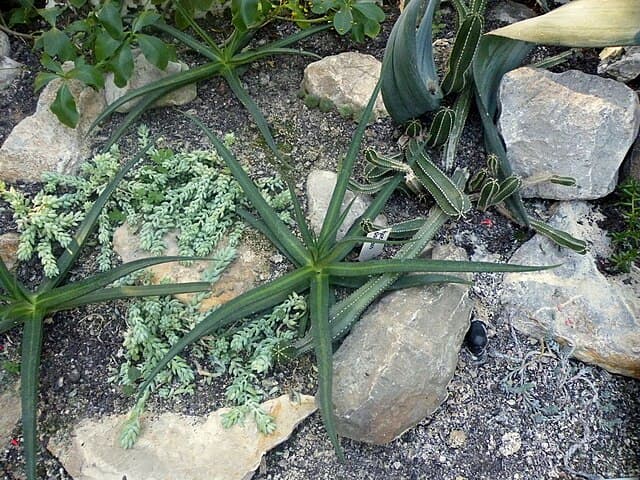
Agave Nizandensis
Agave nizandensis
An ultra-small agave that fits in the palm. Delicate species with narrow leaves radiating densely.
NizandensisUltra smallDelicate
🌵
Agave Oteroi
Agave oteroi
Wild population considered the base species of Titanota. Wild power from harsh Mexican habitat. Recently reclassified.
WildMexican originSerrations
🌵
Agave Palmeri
Agave palmeri
A medium-sized agave from southern Arizona to northwestern Mexico. Beautiful gray-green rosette. An important nectar source for bats. Produces many flowers on a tall, straight flower stalk.
PalmeriCold hardyGray-green
🌵
Agave Parrasana
Agave parrasana
An agave from the Parras region of Coahuila, Mexico. Forms a near-spherical beautiful rosette with serrated leaf margins. Popular with collectors; relatively slow growing.
ParrasanaSpherical rosetteCold hardy
🌵
Agave Parrasana 'Globe'
Agave parrasana 'Globe'
A garden-selected cultivar of Agave parrasana with exceptionally spherical rosette formation. Rounder than standard Parrasana; its near-perfect globe form is highly valued by collectors.
ParrasanaGlobeSpherical
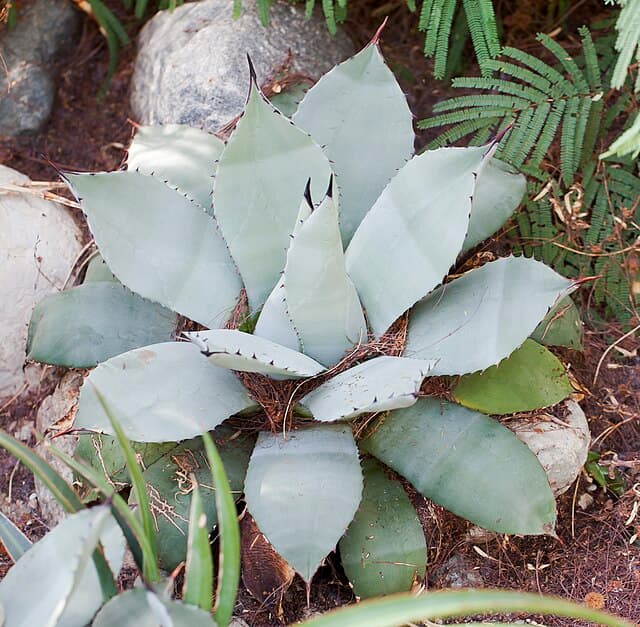
Agave Parryi
Agave parryi
Compact rosette with densely layered blue-grey leaves. Extremely cold-hardy, suitable for year-round outdoor planting.
Ultra cold-hardyGround plantingBlue-grey leaves
🌵
Agave Pelona
Agave pelona
A beautiful agave from Sonora, Mexico. Attractive contrast between smooth green leaves and black spines.
PelonaSmoothBlack spine
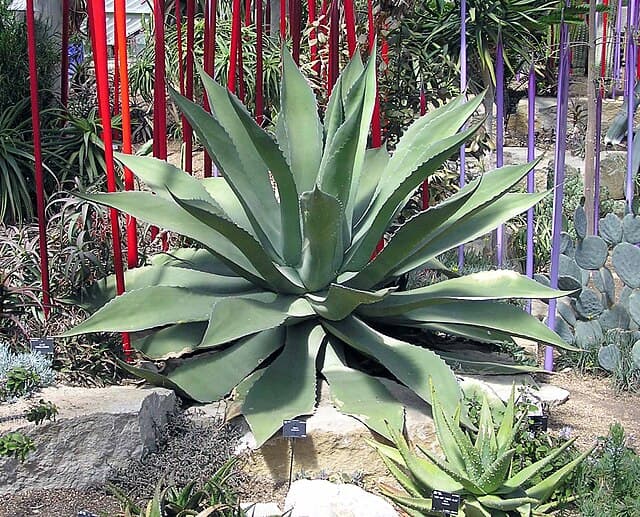
Agave Potatorum
Agave potatorum
Also known as Kisshoukan in Japanese. Beautiful contrast of rounded leaves and red spines. Compact and suited for pots.
KisshoukanRed spinesCompact
🌵
Agave Potrerana
Agave potrerana
Native to northern Mexico. Slender leaves form sharp rosettes. Gray-green leaves with small spines. Excellent cold hardiness and relatively easy cultivation.
Cold-hardySharp formBeginner-friendly
🌵
Agave Pygmaea 'Dragon Toes'
Agave pygmaea 'Dragon Toes'
A cultivar of the small Cuban agave. Wavy margins and distinctive blue-green leaves resembling 'dragon toes' give it its name. Very compact and suitable for indoor cultivation. A popular garden cultivar.
PygmaeaDragon ToesMiniature
🌵
Agave Scabra
Agave scabra
Native to Texas and northern Mexico. Named for its rough leaf surface. Thick blue-gray leaves with black teeth. Similar to Americana but more compact.
Cold-hardyBlue-grayBeginner-friendly
🌵
Agave Schidigera
Agave schidigera
Beautiful agave producing numerous white filaments along leaf margins. Similar to Filifera but with harder leaves and more prominent teeth. Cold-hardy enough for ground planting.
FilamentCold-hardyBeginner-friendly
🌵
Agave Sebastiana
Agave sebastiana
Rare species from Cedros Island, Baja California. Broad gray-blue leaves with striking reddish-brown margins. Slow-growing collector's species.
RareCedros IslandCollector
🌵
Agave Shawii
Agave shawii
An agave from southern California to Baja California. Native to coastal rocky areas with notable salt tolerance. Broad green leaves with reddish spines make it highly ornamental.
ShawiiCoastalSalt tolerant
🌵
Agave Sisalana (Sisal)
Agave sisalana
One of the world's largest natural fiber crops. Strong 'sisal' fibers from its leaves are widely used for rope, sacks, and carpets. From Mexico, now cultivated widely in Africa and Southeast Asia.
SisalanaSisalNatural fiber
🌵
Agave Sobria
Agave sobria
Native to Baja California. Numerous subspecies offer rich variation in leaf color and form — from blue-white to gray and green. Extremely drought tolerant.
Baja CaliforniaMany subspeciesCollectible
🌵
Agave Striata
Agave striata
An agave from central Mexico with dense, narrow needle-like leaves. Unique form distinct from typical agaves. Produces many offsets and forms clumps.
StriataNarrow leavesClumping
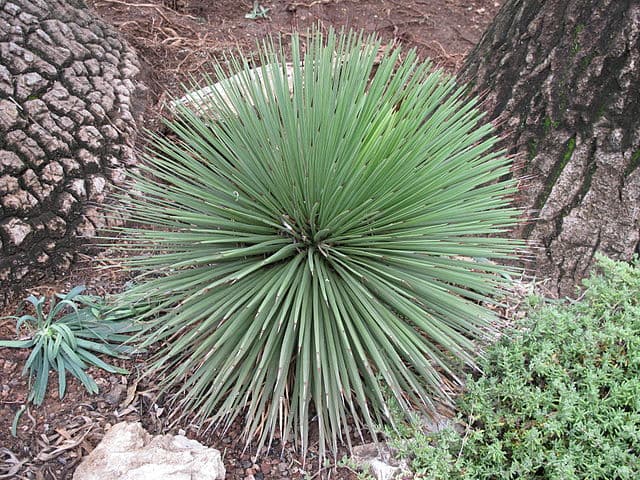
Agave Stricta
Agave stricta
Unique agave with needle-thin leaves spreading in a sphere. Sea urchin-like appearance is distinctive. Cold-hardy.
Needle leavesUrchin shapeHardy
🌵
Agave Tequilana
Agave tequilana
The world-famous agave used to produce tequila. Called 'Blue Agave' for its blue-gray-green leaves. Grown extensively in Jalisco, Mexico. Also popular as an ornamental plant.
TequilanaBlue AgaveTequila
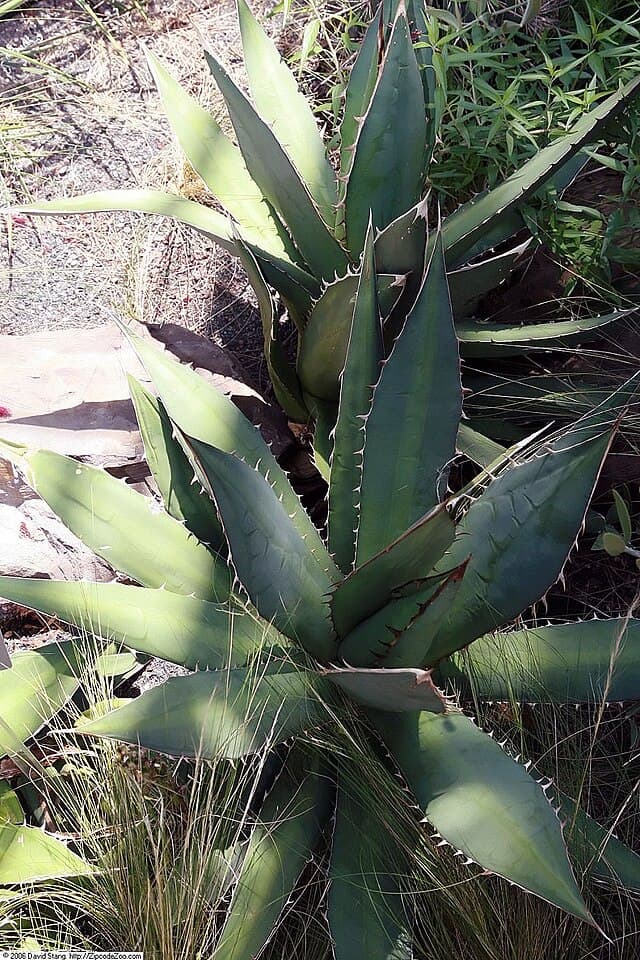
Agave Titanota
Agave titanota
The species that started the agave boom. Thick leaves with white teeth vary by origin: 'White Whale', 'Hime Ganryu', 'FO-076'.
Most popularToothedCollectible
🌵
Agave Titanota FO-076
Agave titanota 'FO-076'
One of the most iconic Titanota locality forms. Numbered by Felipe Otero. Dense white teeth and compact form make it highly popular. Selected specimens command premium prices.
TitanotaFO-076White teeth
🌵
Agave Toumeyana
Agave toumeyana
Small agave from Arizona with slender leaves densely covered in filaments. Subspecies bella is especially compact and popular.
SmallFilamentArizona
🌵
Agave Truncata
Agave truncata
A Mexican agave with distinctively compact rosette of short, thick leaves. Dense, wide leaves create an impressive sculptural form. Drought tolerant and beginner-friendly.
TruncataCompactThick leaves
🌵
Agave V. Reginae Compacta
A dwarf variety of V. Reginae. Beautiful compact size with dense white paint markings.
CompactaDwarfWhite paint
🌵
Agave Verschaffeltii
Agave verschaffeltii
Native to central Mexico. Beautiful blue-white leaves with wavy tooth impressions. Related to Potatorum but larger. Garden cultivars available.
Blue-whitePowderyMedium
🌵
Agave Victoria-Reginae
Known as Sasa-no-Yuki (Snow on Bamboo). Green leaves with white paint-like markings. Slow growing but very beautiful.
Snow patternWhite markingsSlow growth
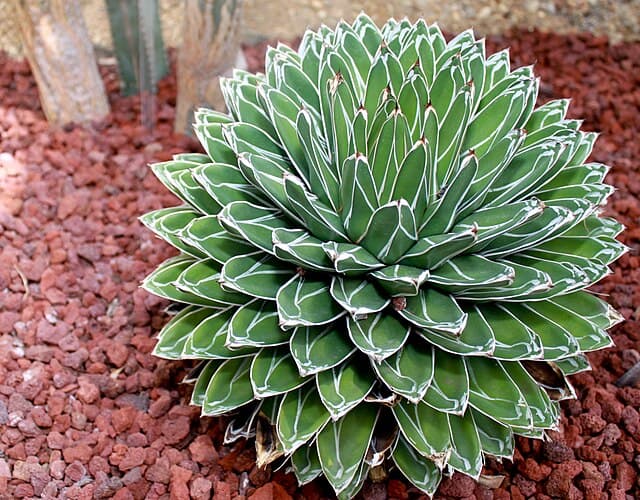
Agave Victoriae-Reginae
Agave victoriae-reginae
A beautiful compact agave with white markings, slow-growing but artistically perfect.
AgaveVictoriae-ReginaeWhite Pattern
🌵
Agave Warelliana
Agave warelliana
Small to medium agave from Mexico. Blue-green leaves with delicate teeth. Less commonly available but compact and ideal for container culture. Hidden gem for collectors.
CompactRareBlue-green
🌵
Agave Wocomahi
Agave wocomahi
A large agave from Sinaloa to Chihuahua, Mexico. Traditionally used by the indigenous Tarahumara people for food and fermented beverages. Broad, blue-tinged leaves are characteristic.
WocomahiLargeTarahumara
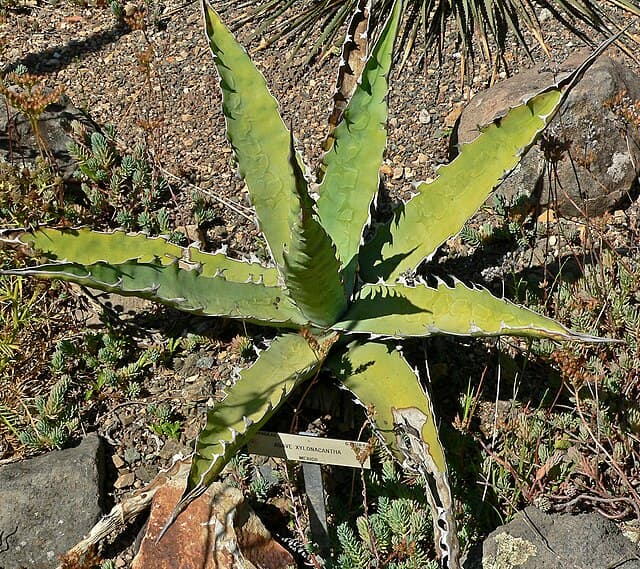
Agave Xylonacantha
Agave xylonacantha
An agave with elongated leaves lined with unique woody tooth-like spines. Wild appearance popular with men.
XylonacanthaTooth spinesWild
🌵
Agave Zebra
Agave zebra
An agave from the Sonoran Desert named for zebra-like horizontal banding on its leaves. Serrated leaf margins and distinctive striping add to its ornamental value. A rare species sought by collectors.
ZebraStripedSonoran
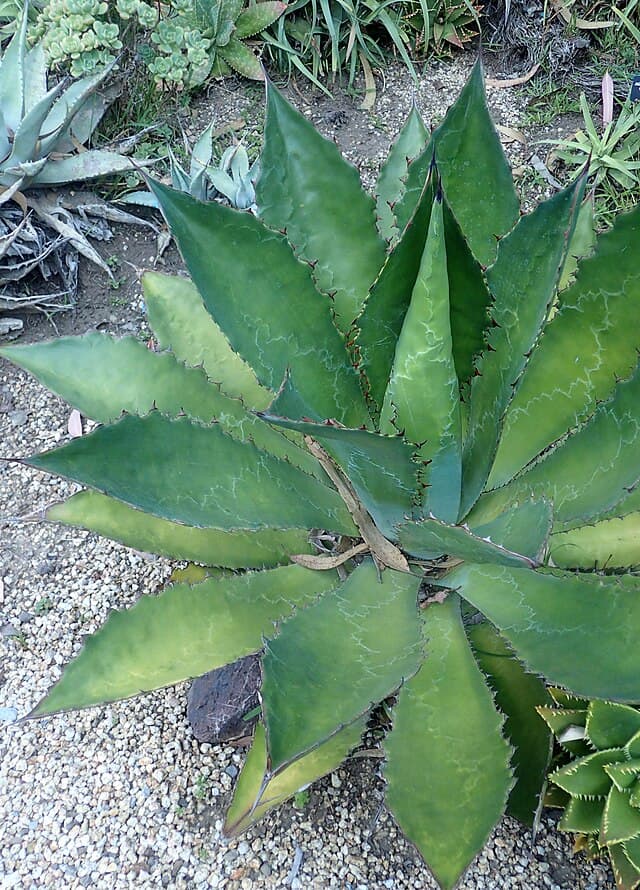
Cow Horn Agave
Agave bovicornuta
An agave with distinctive spines curving like cow horns. Beautiful glossy bright green leaves.
BovicornutaCow hornGreen gloss
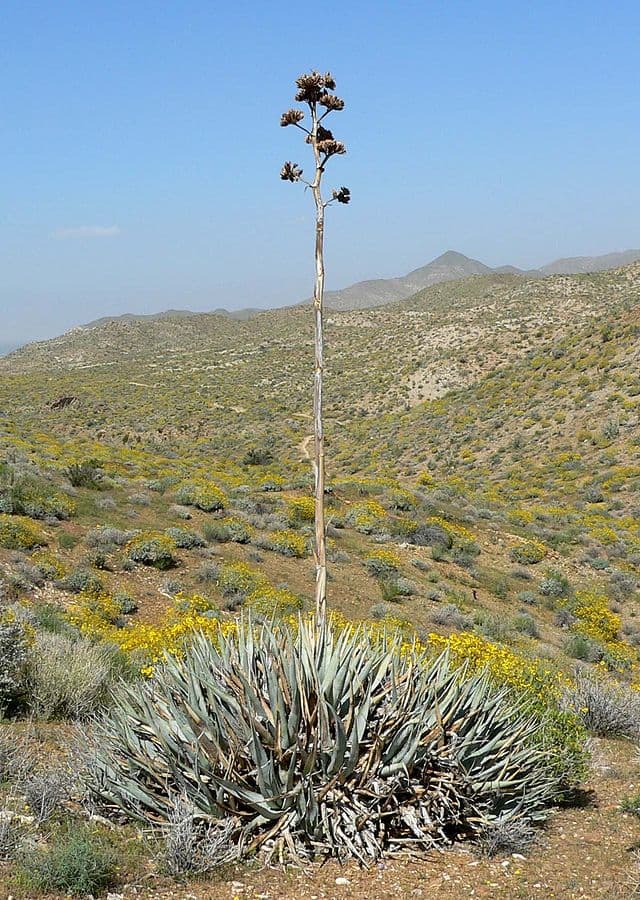
Desert Agave
Agave deserti
An agave native to California-Mexico deserts, tolerant of both heat and cold.
DesertiDesertHeat/cold tolerant
🌵
Dwarf Agave
Agave pygmaea
A palm-sized dwarf agave. Also called Dragon Toes, charming for its cute size.
PygmaeaDwarfDragon Toes
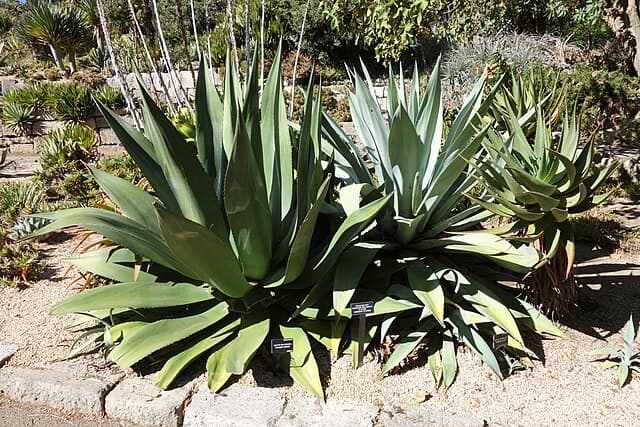
Giant Agave
Agave salmiana
A large agave used to make Mexican Pulque (fermented drink). Impressive with large thick leaves.
SalmianaGiantPulque
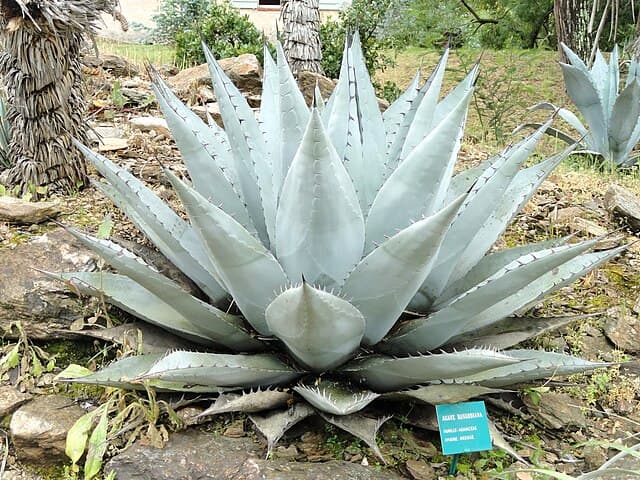
Havard's Agave
Agave havardiana
An agave from West Texas mountains with top-class cold tolerance. Survives -20°C.
HavardianaMost cold hardyTexas
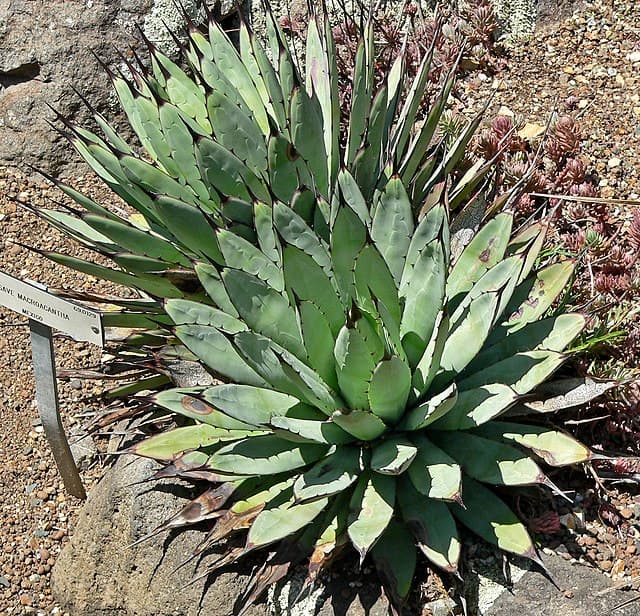
Large-Thorned Agave
Agave macroacantha
A sharp agave with blue-gray leaves and long black terminal spines. Compact, ideal for balcony growing.
MacroacanthaBlack spineSharp
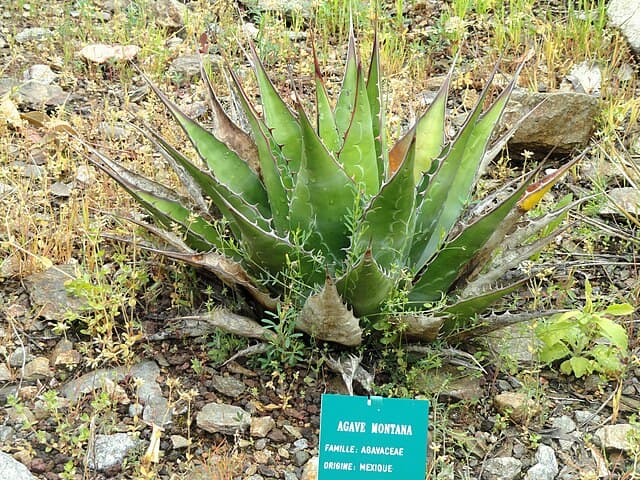
Mountain Agave
Agave montana
A cold-hardy agave from Mexican mountains. Beautiful compact rosette with red spines.
MontanaMountainCold hardy
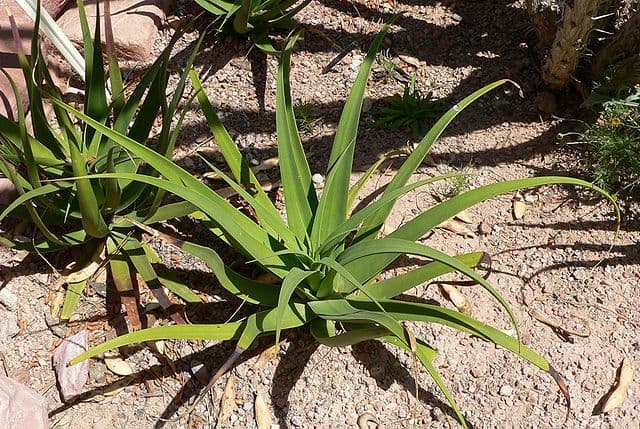
Spider Agave
Agave bracteosa
A unique agave with soft spineless leaves spreading downward. Distinctive spider-like appearance.
BracteosaSpinelessSoft leaves
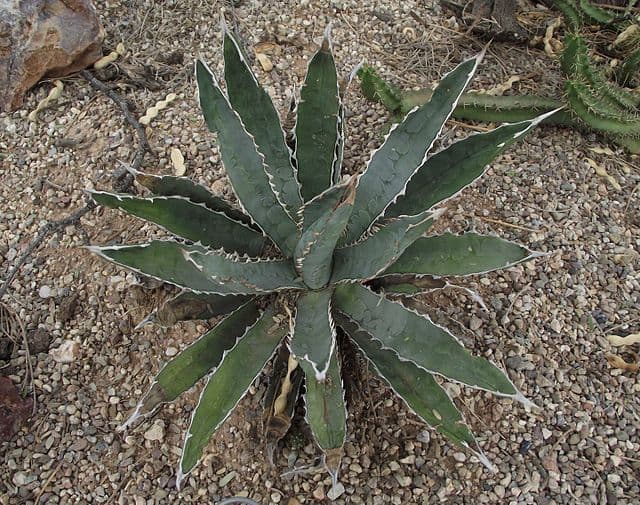
Thorn-Crested Agave
Agave univittata
A sharp agave with central leaf line and serrated edge spines. Relatively fast growing.
UnivittataSerratedFast growing
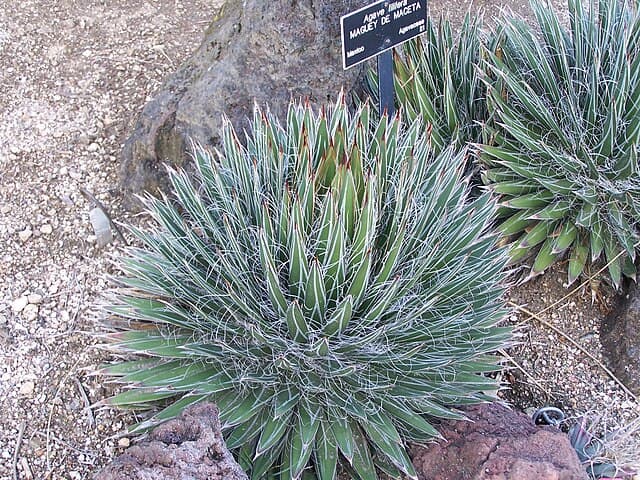
Thread Agave
Agave filifera
A unique agave with white thread-like fibers emerging from leaf edges. Small to medium, ideal for collections.
FiliferaThread fiberUnique
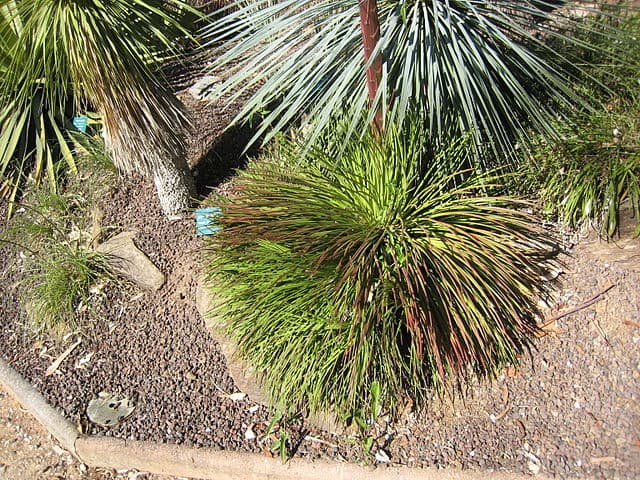
Twin Flower Agave
Agave geminiflora
A beautiful agave with many narrow densely packed leaves with threads. Radial form like green fireworks.
GeminifloraFirework shapeNarrow leaf
🌵
Utah Agave
A cold-hardy agave native to American Southwest desert. Characterized by sharp spines and blue-white leaves.
UtahensisCold hardyUS Southwest
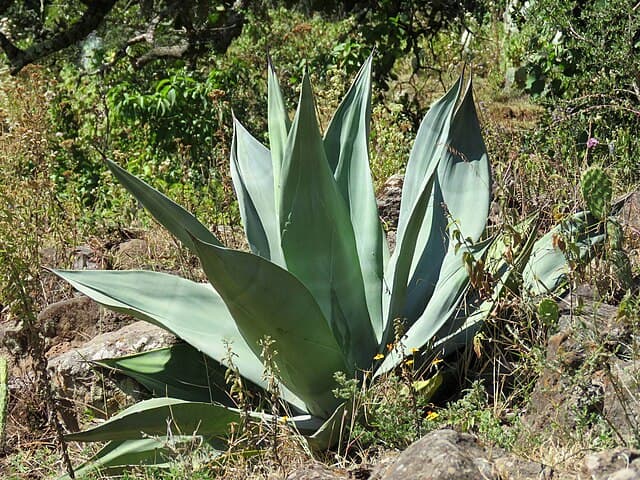
Weber's Agave
Agave weberi
A large agave with relatively few spines. Hardy common species used in gardens and public landscaping.
WeberiLargeGarden
🌵
Whale's Tongue Agave
A large agave with wide round leaves like whale's tongue. High cold tolerance with beautiful blue-white leaves.
OvatifoliaWhale tongueCold hardy