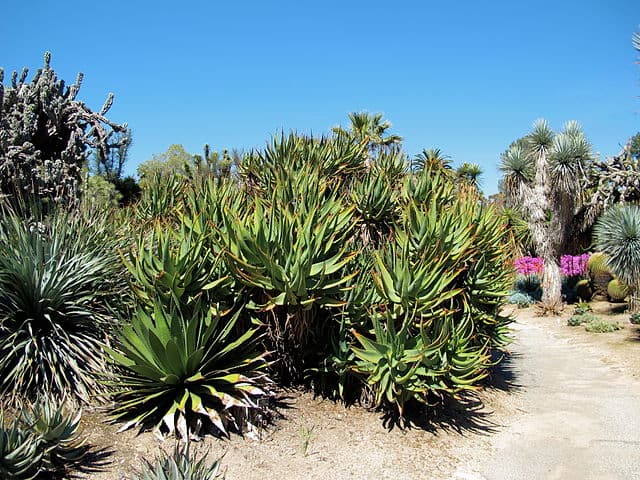
Agave Horrida
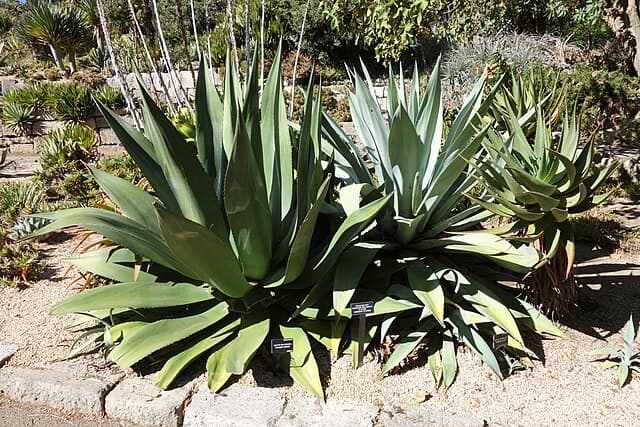
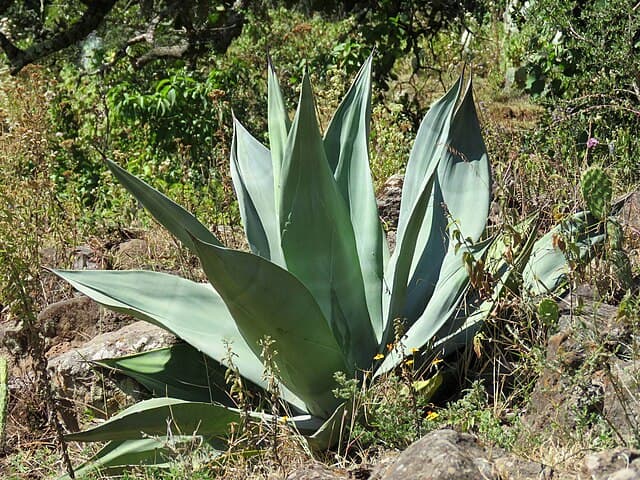
IntermediateA large agave with wide round leaves like whale's tongue. High cold tolerance with beautiful blue-white leaves.
Agave ovatifolia, the whale's tongue agave, is native to limestone mountain terrain in Tamaulipas and Nuevo León, Mexico. Its broad, thick, concave leaves are rounded at the tip and strongly glaucous silver-blue to powdery white, with neat bud imprints on the surface—characteristics that immediately distinguish it from other large agaves. Mature rosettes reach 60–100 cm tall and up to 120 cm wide. Growth is slow. Full sun is preferred, and the plant is best suited to outdoor planting with ample space. Water moderately, allowing the soil to dry between waterings. Use a well-draining mix. An outstanding feature is its cold hardiness: reportedly surviving to around -12°C, it can be grown outdoors year-round across much of Japan. The combination of striking blue-silver coloration, distinctive rounded leaf form, and exceptional cold tolerance has made it one of the most rapidly growing agave species in popularity among Japanese collectors and gardeners.
Origin
Tamaulipas and Nuevo León, Mexico
Lifespan
Perennial (20-30 years)
Size
60-120cm
Temperature
5〜40℃
Minimal
Very cold hardy (to about -12°C)
Prefers well-lit location
Well-draining soil, keep on dry side
Needs wide space as it grows large
Beginner. This is a beginner-friendly species. No special equipment or experience is required, and it can be kept successfully with basic care setup.
The ideal temperature for Whale's Tongue Agave is 5〜40℃. Avoid sudden temperature changes and maintain a stable environment.
Find listings for this species
The average lifespan of Whale's Tongue Agave is Perennial (20-30 years). With proper care and nutrition, they can live a long and healthy life.
Whale's Tongue Agave typically reaches 60-120cm as an adult. Size may vary depending on care conditions and individual genetics.
Whale's Tongue Agave feeds on: Minimal. Aim for a balanced diet with appropriate feeding frequency.
The price of Whale's Tongue Agave varies significantly depending on morph, size, and lineage. Check our market price page for the latest pricing information.