Showing 78 of 78 species
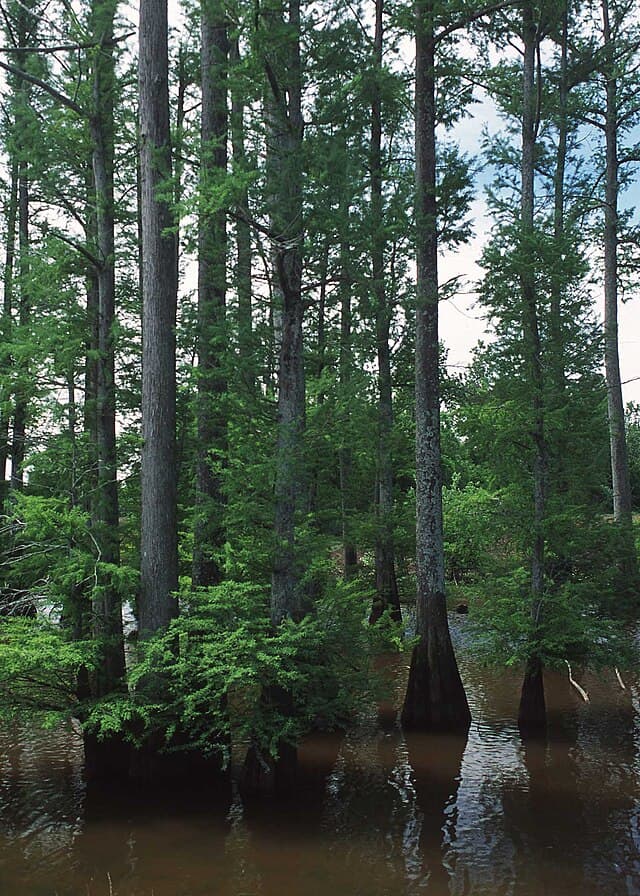
Bald Cypress
Taxodium distichum
Deciduous conifer from North America. Native to wetlands with distinctive knee roots. Beautiful autumn color and delicate winter branching. Can be displayed in water trays.
IntermediateDeciduous coniferAutumn color
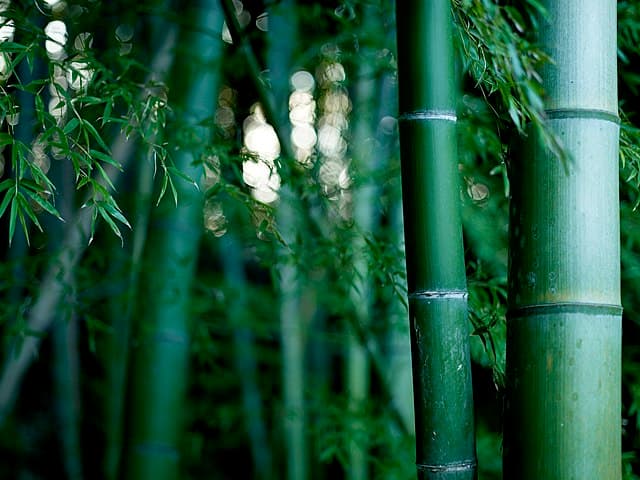
Bamboo Bonsai
Bonsai of bamboo essential to Japanese gardens. Small varieties like dwarf bamboo are suitable. Cool rustling leaves and clustered thin culms create refreshing atmosphere.
BeginnerGrass styleCooling
🌿
Blueberry Bonsai
Rising in popularity as a fruiting bonsai. Enjoy white spring flowers, summer fruits, and autumn colors through all seasons. Key point is managing in acidic soil.
BeginnerFruitingAutumn color
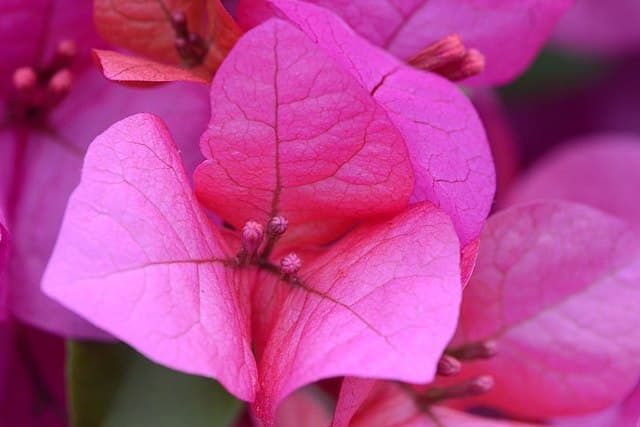
Bougainvillea
Iconic tropical flowering plant. The colorful parts are bracts, not flowers. Best in warm regions but can be grown indoors in cooler areas. Thick trunks add character.
IntermediateFloweringTropical
🌿
Brazilian Rain Tree
Tropical tree characterized by nyctinastic leaf movements, closing at night and in rain. Delicate pinnate leaves and white flowers. Peeling bark adds interest. Indoor management required.
IntermediateTropicalIndoor management
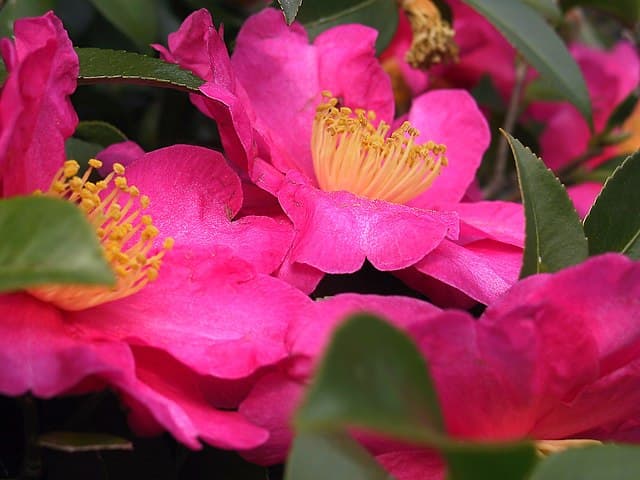
Camellia
Iconic Japanese evergreen flowering tree. Blooms in winter to spring in red, white, and pink varieties. Glossy dark green leaves complement flowers perfectly in bonsai.
IntermediateFloweringEvergreen
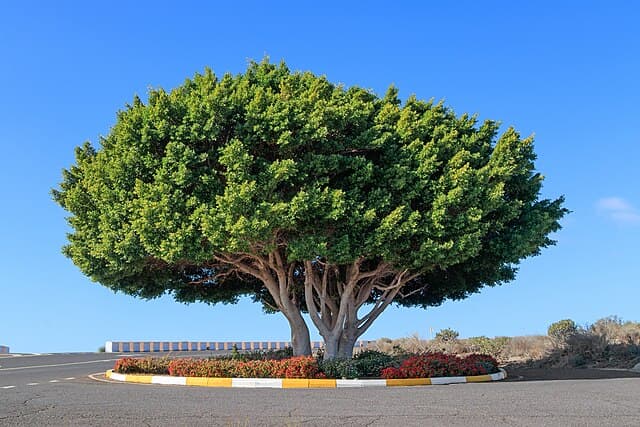
Chinese Banyan
Ficus microcarpa
Southeast Asian evergreen. Aerial roots develop to cover the trunk, creating a uniquely vital appearance. Easy to grow indoors, ideal for beginners' indoor bonsai.
BeginnerTropicalIndoor-friendly
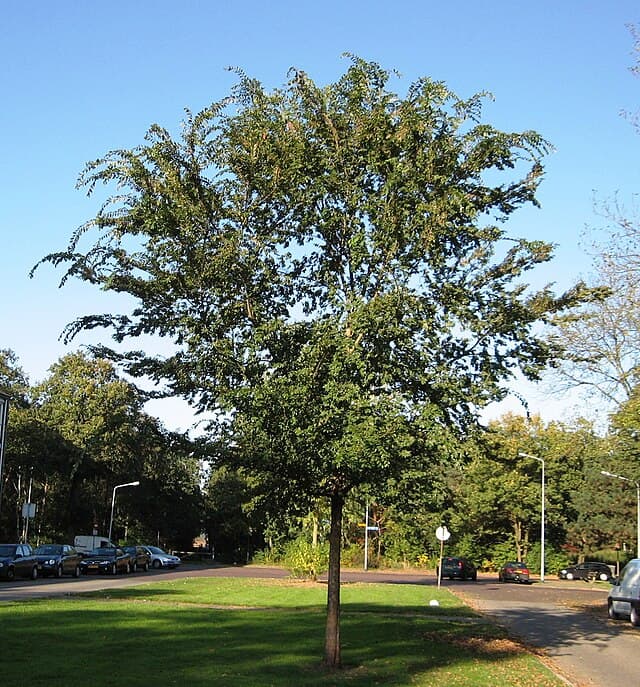
Chinese Elm
Ulmus parvifolia
A deciduous bonsai with small leaves and fine branching. Fast growth makes styling easy for beginners. Semi-evergreen, providing foliage interest year-round.
Beginner-friendlyDeciduousSmall leaves
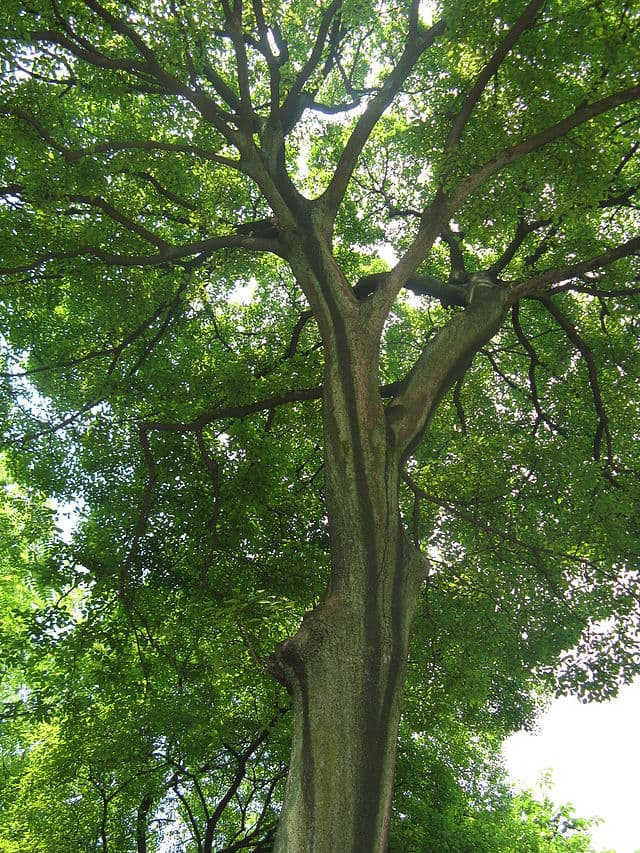
Chinese Hackberry
Celtis sinensis
Deciduous bonsai bearing small fruits in autumn. Smooth gray bark and natural form are appealing. Birds visiting for fruits add charm. Good root spread.
Beginner-friendlyDeciduousFruiting
🌿
Chinese Pepper Tree
Deciduous tree with vivid yellow inner bark. In bonsai, contrast between yellow bark and autumn color is beautiful. Known in traditional medicine with distinctive bitter taste.
IntermediateDeciduousYellow bark
🌿
Cork Bark Pine
A variety of white pine with bark that develops cork-like texture. Striking contrast between rugged bark and delicate five-needle foliage. Bark deepens with age, gaining dignity.
AdvancedConiferCork bark
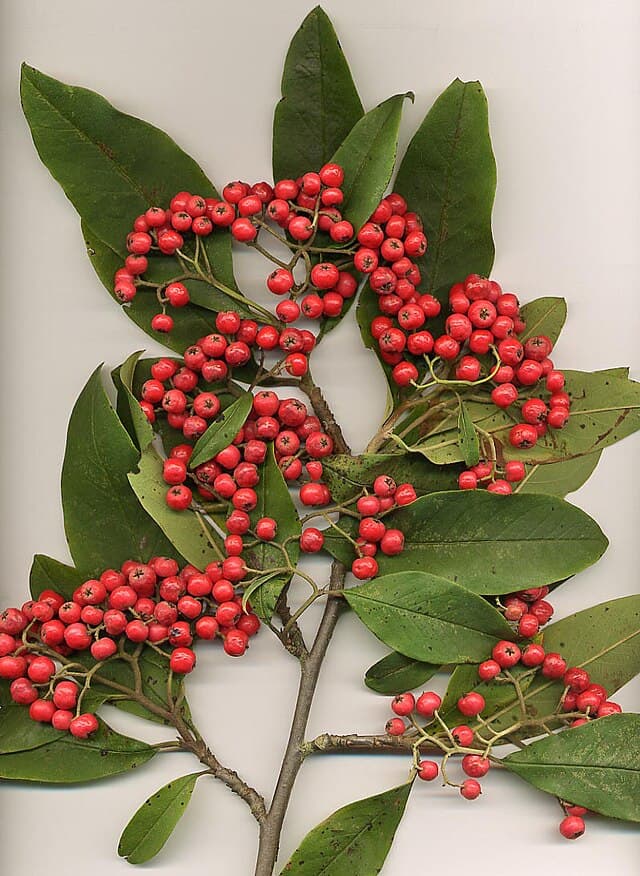
Cotoneaster
Fruiting bonsai bearing masses of small red berries. Tiny leaves and fine branching create natural bonsai form. Beautiful contrast of autumn leaves and red berries.
Beginner-friendlyFruitingRed berries
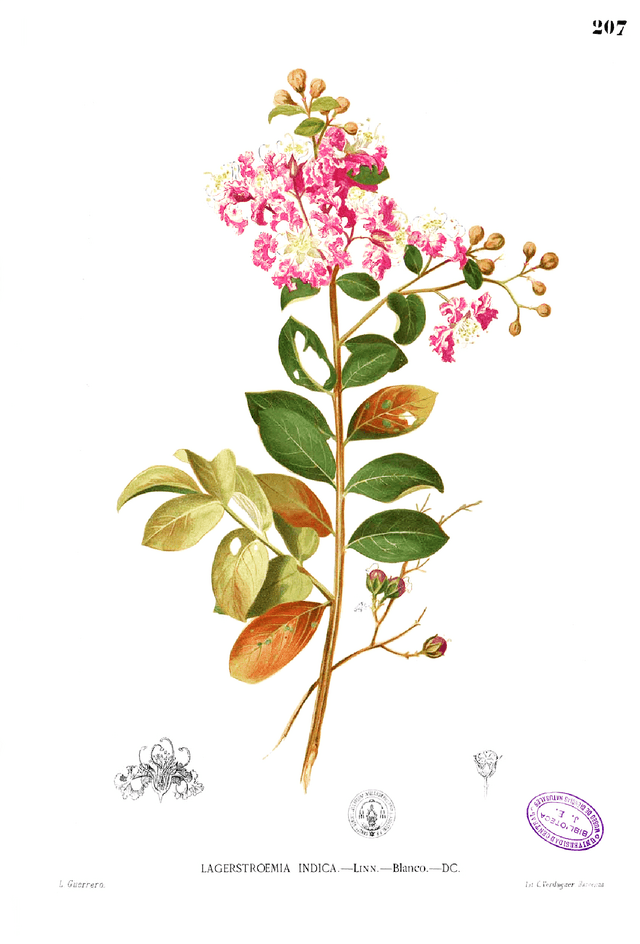
Crape Myrtle
Flowering bonsai blooming pink or white from summer to autumn. Smooth bark and twisted trunk create unique character. Named for bark so smooth even monkeys slip.
BeginnerFloweringSummer bloom
🌿
Deshojo Maple
A maple cultivar famed for vivid crimson spring foliage. Beautiful color transitions through green to autumn red. Especially popular as shohin bonsai.
IntermediateDeciduousCrimson buds
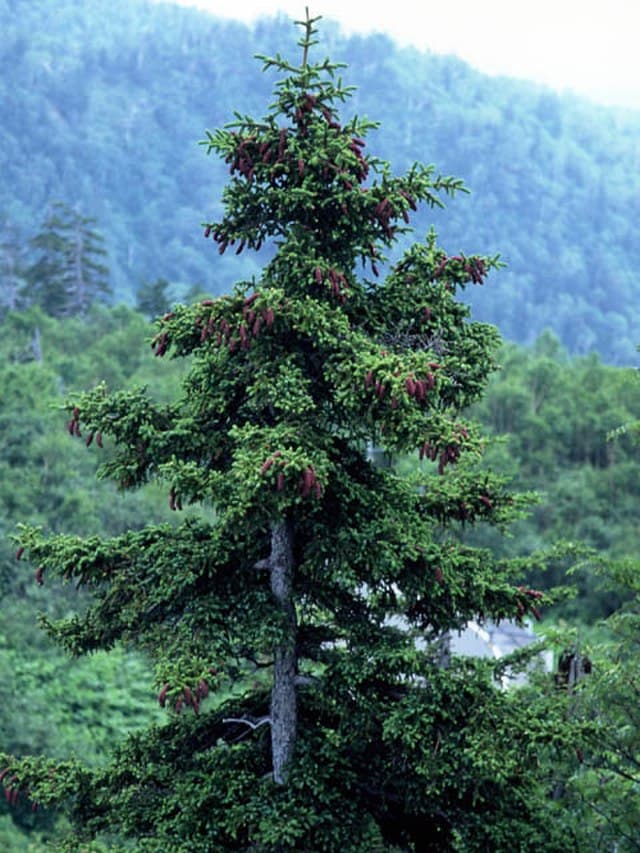
Ezo Spruce
Conifer native to Hokkaido. Dense short needles create a rugged appearance reflecting harsh northern climates. Extremely cold hardy, ideal for bonsai in cold regions.
AdvancedConiferCold climate
Ficus (Banyan)
Evergreen tropical tree with distinctive aerial roots. Easy to grow indoors, ideal for bonsai beginners. Extremely vigorous and tolerant of pruning.
Beginner-friendlyEvergreenIndoor OK
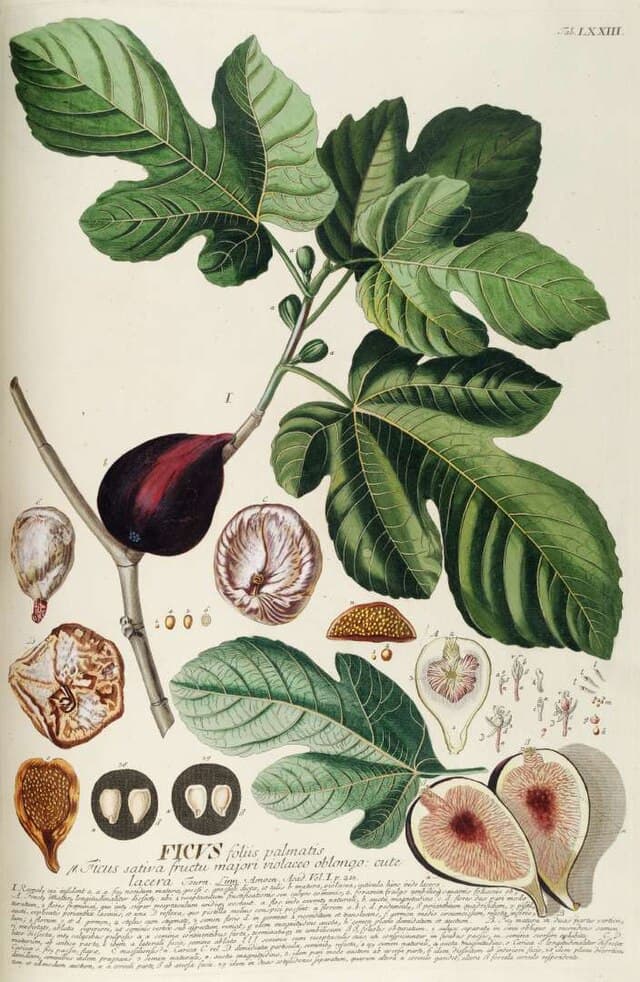
Fig
Deciduous tree with distinctive large leaves and smooth white trunk. Root spread and trunk thickness are bonsai highlights. Easy to propagate from cuttings. For warm climates.
BeginnerFruit bearingThick trunk
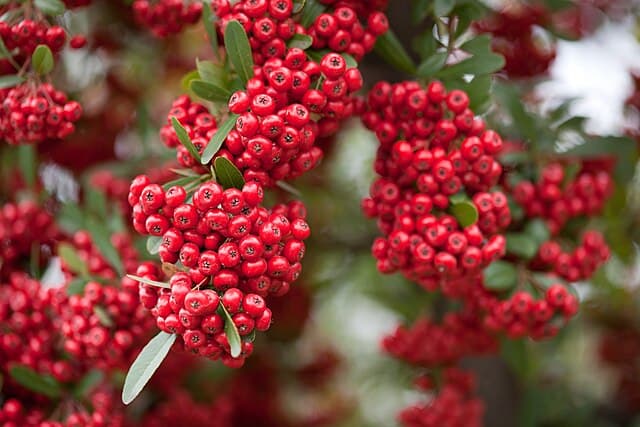
Firethorn
Fruiting bonsai laden with vivid orange-red berries in autumn. Evergreen for year-round interest. Thorny but berry display is among the best of fruiting bonsai.
Beginner-friendlyFruitingEvergreen
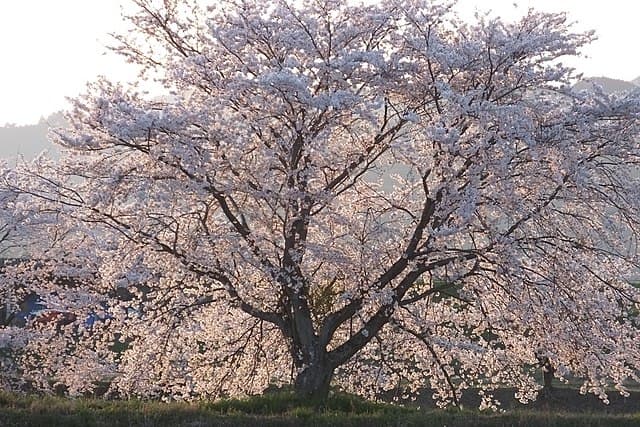
Flowering Cherry
Japans iconic flowering tree. Spring blooms are spectacularly beautiful even as bonsai. Compact varieties like Fuji-zakura suit bonsai. Post-bloom care determines next years flowering.
IntermediateFloweringSymbol of spring
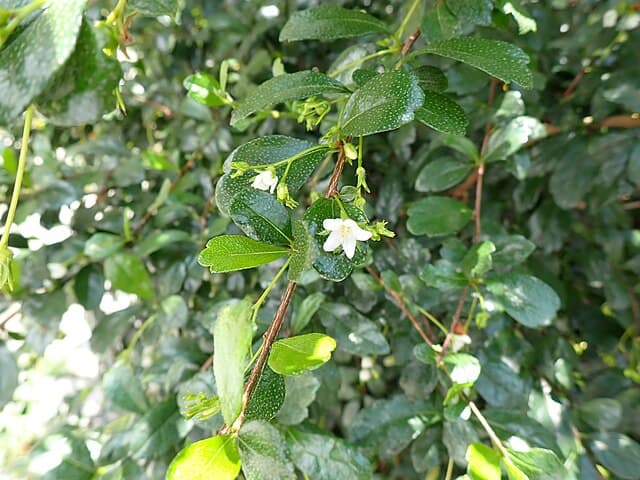
Fukien Tea
Ehretia microphylla
Evergreen from southern China. Small glossy leaves, white flowers, and red berries. Tropical species popular worldwide as indoor bonsai. Trunk bark has unique texture.
IntermediateEvergreenIndoor
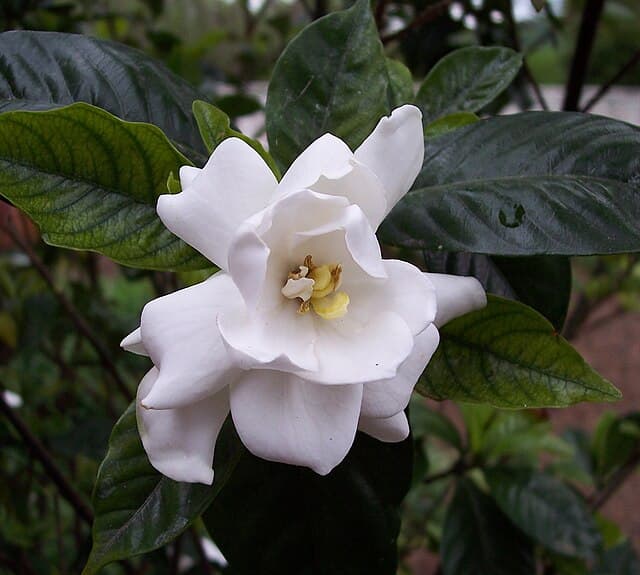
Gardenia
Evergreen shrub with pure white fragrant flowers. Single-flower types bear orange fruit in autumn, enjoying both blooms and berries. Popular from shohin to mini bonsai.
IntermediateFloweringFragrant
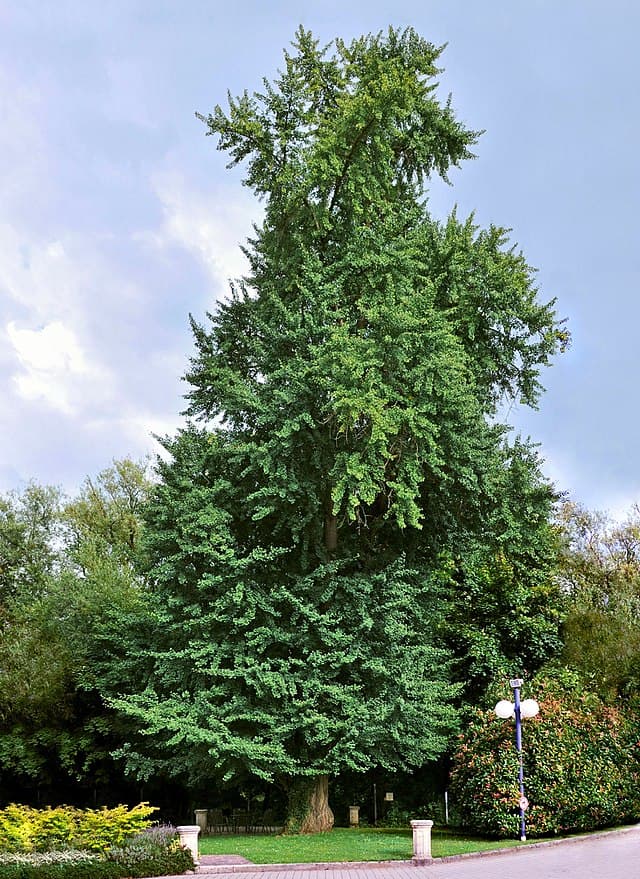
Ginkgo
is also
An ancient tree called a living fossil. Fan-shaped leaves and vivid yellow autumn color are spectacular. Unique aerial roots (chichi) add interest. Hardy and beginner-friendly.
BeginnerDeciduousAutumn gold
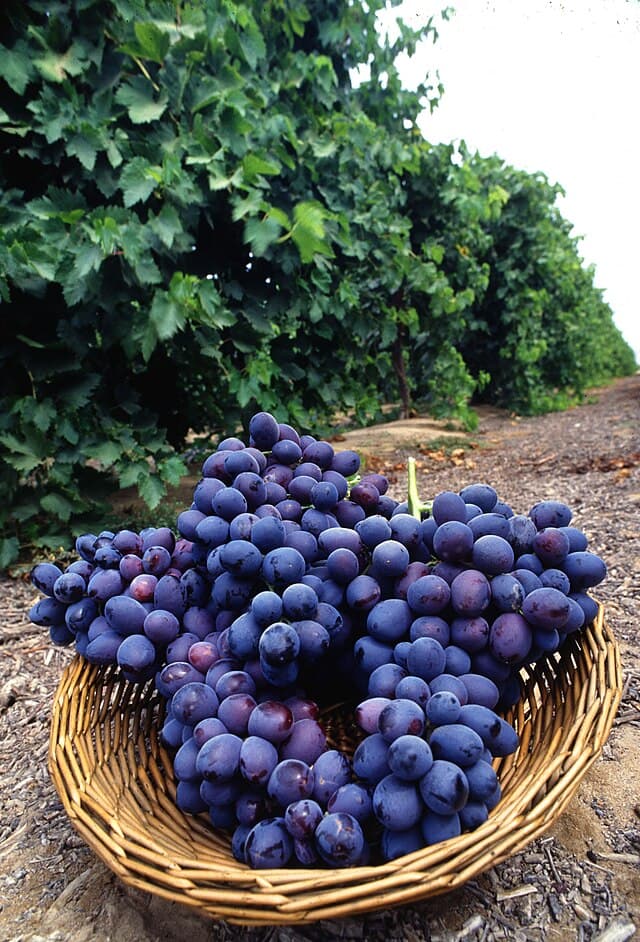
Grape Bonsai
A highly artistic bonsai from vine fruit trees. Thick trunks and hanging fruit clusters full of charm. Wild grape and small-fruit varieties suit bonsai best.
IntermediateFruitingVine
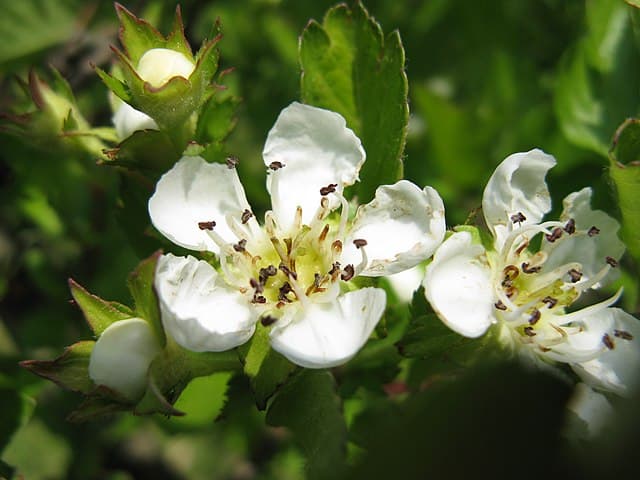
Hawthorn
Deciduous tree with white spring flowers and red autumn berries. Perfect bonsai candidate with flowers, fruit, and autumn color. Thorns require gloves when styling.
BeginnerFloweringFruit bearing
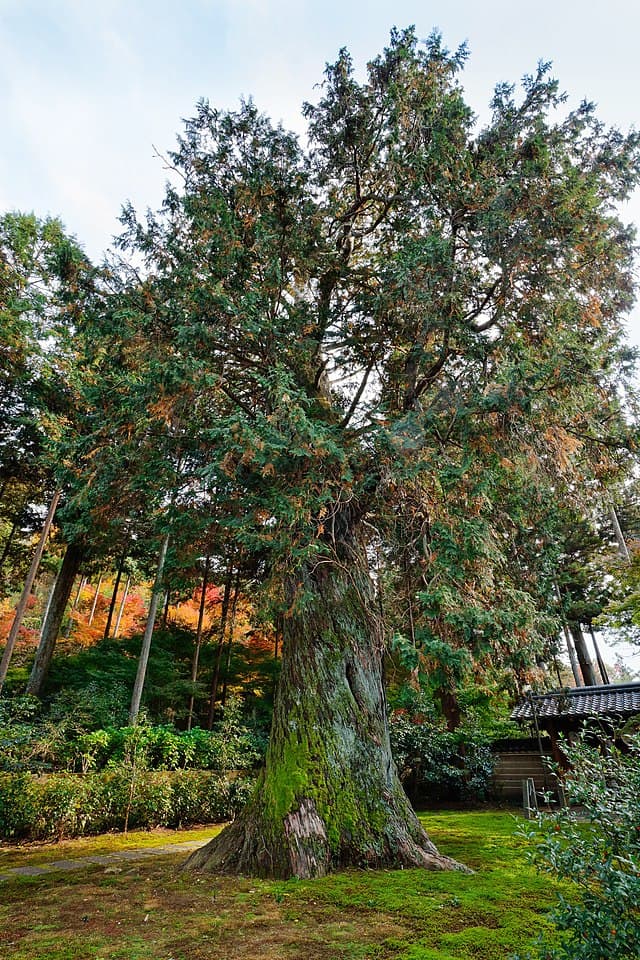
Hinoki Cypress
Chamaecyparis obtusa
Iconic Japanese conifer with fan-shaped scale leaves and reddish-brown bark. Famous as temple building material with refreshing fragrance. Enjoyed as shohin to medium bonsai.
IntermediateConiferFragrant
🌿
Itoigawa Shimpaku Juniper
The finest Shimpaku variety from Itoigawa. Extremely fine scale foliage grows densely, prized for delicate leaf character. Produced many masterpieces at exhibitions.
AdvancedConiferSupreme cultivar
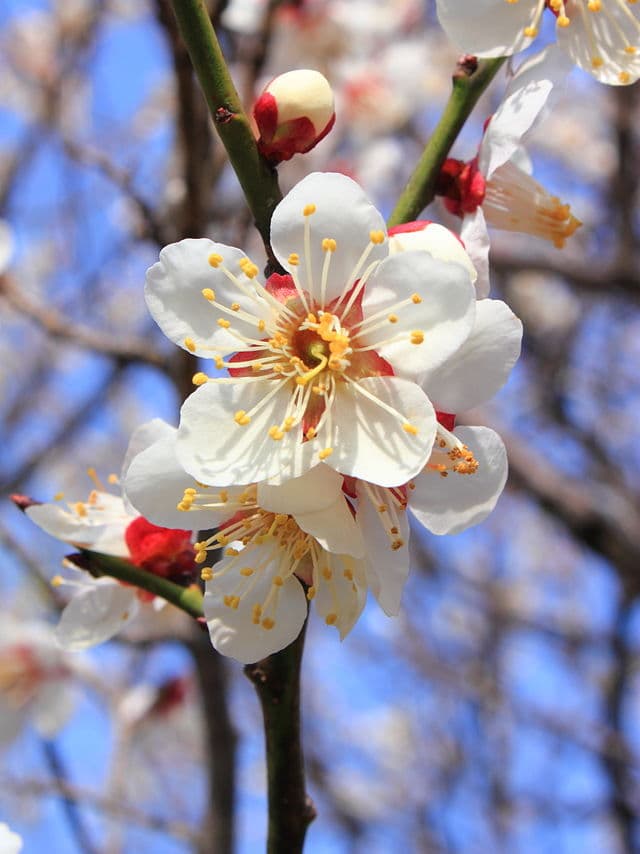
Japanese Apricot
Prunus mume
The quintessential flowering bonsai, blooming with fragrant flowers in early spring. Aged bark and elegant blossoms embody traditional Japanese beauty. Cherished since ancient times.
IntermediateFloweringFragrant
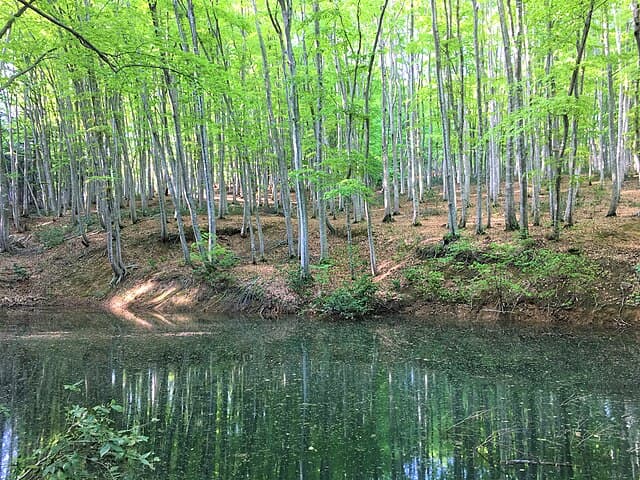
Japanese Beech
Japanese beech
Bonsai of a tall deciduous tree with smooth silver-white bark and elegant form. Enjoy spring budding, summer green, autumn gold, and winter marcescent leaves.
AdvancedDeciduousSilver bark
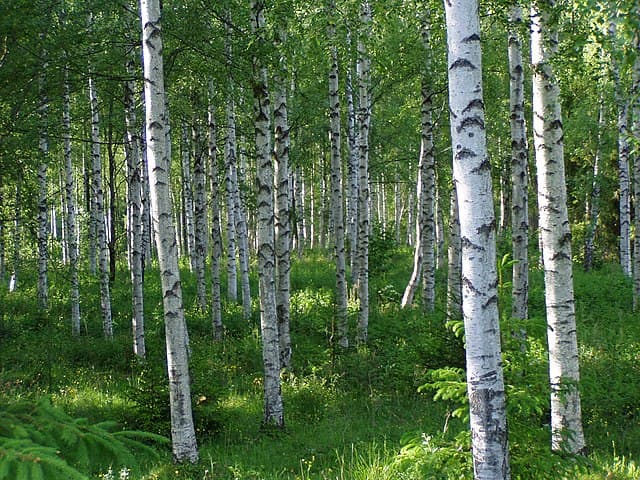
Japanese Birch
Deciduous tree with beautiful white bark. Captures the cool highland scenery in a small pot. Enjoy fresh green, yellow autumn leaves, and white trunk winter silhouette.
AdvancedDeciduousWhite bark
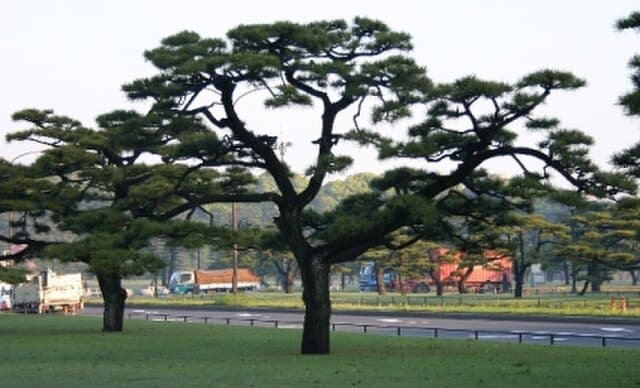
Japanese Black Pine
Pinus thunbergii
The ultimate bonsai classic. Rugged bark and powerful branching are its greatest appeal. Faster than white pine; advanced techniques like bud cutting create refined canopies. Challenging but supremely rewarding.
AdvancedConiferPowerful
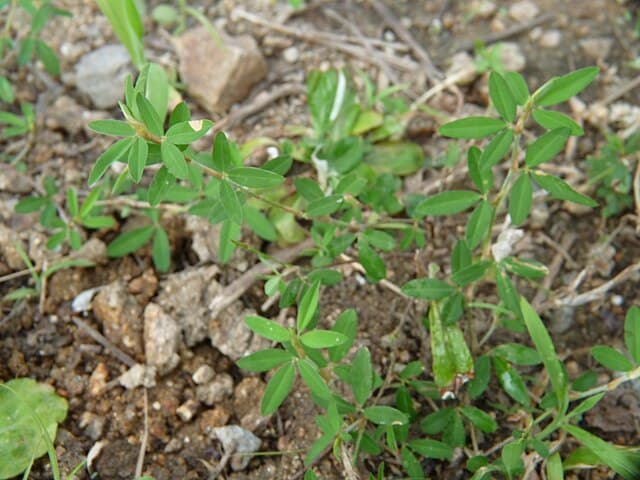
Japanese Bush Clover
Kummerowia striata
One of the seven autumn flowers. Countless small purple flowers on weeping slender branches create exquisite charm. A quintessential grass-style bonsai capturing autumn spirit.
BeginnerFloweringAutumn flowers
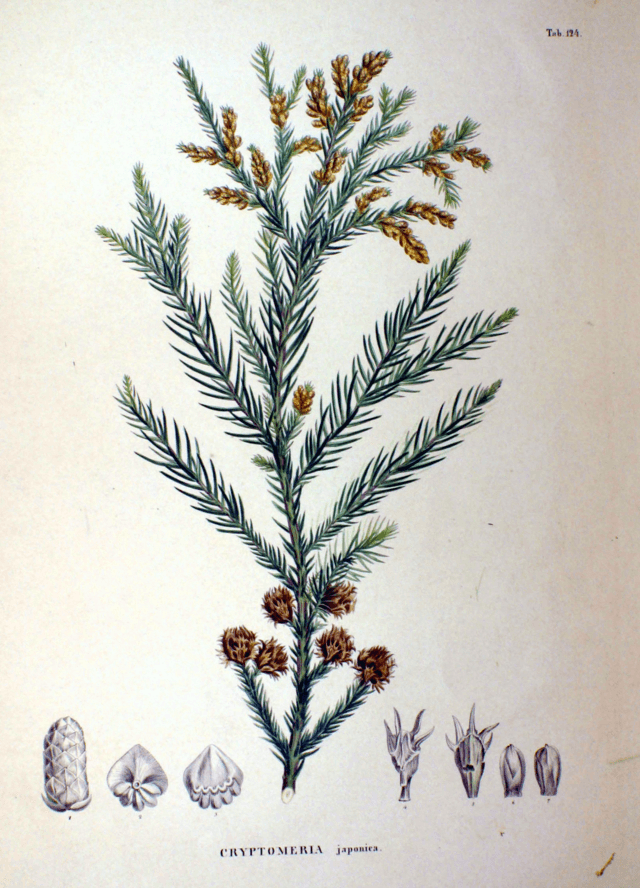
Japanese Cedar
Endemic Japanese evergreen conifer. Known for straight trunk and dense needle leaves. Looks great as formal upright or twin trunk. Some varieties turn bronze in winter.
BeginnerConiferFormal upright
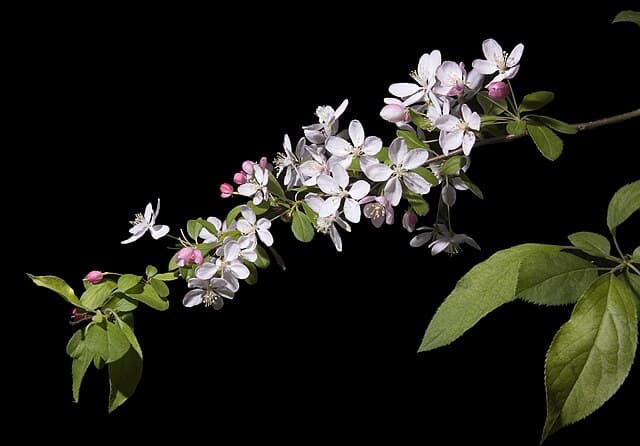
Japanese Crabapple
Malus × floribunda
Flowering and fruiting bonsai with white-pink spring blooms and small red autumn fruits. Double enjoyment from flowers and fruits. Hardy and beginner-friendly.
Beginner-friendlyFlower & FruitWhite bloom red fruit
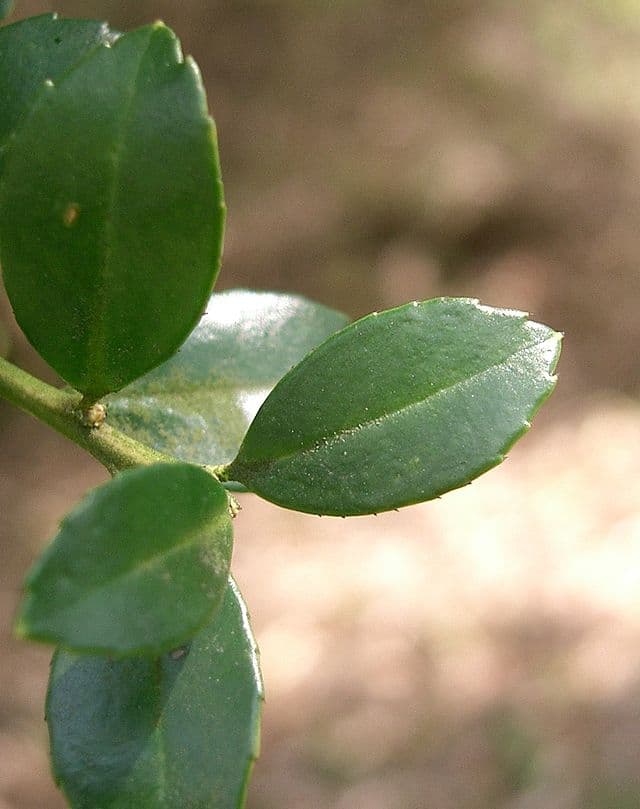
Japanese Holly
Ilex crenata
Evergreen bonsai with glossy dark green leaves and red berries. Autumn-winter berries are highly ornamental. Hardy and easy to grow, a representative Japanese tree.
Beginner-friendlyEvergreenRed berries
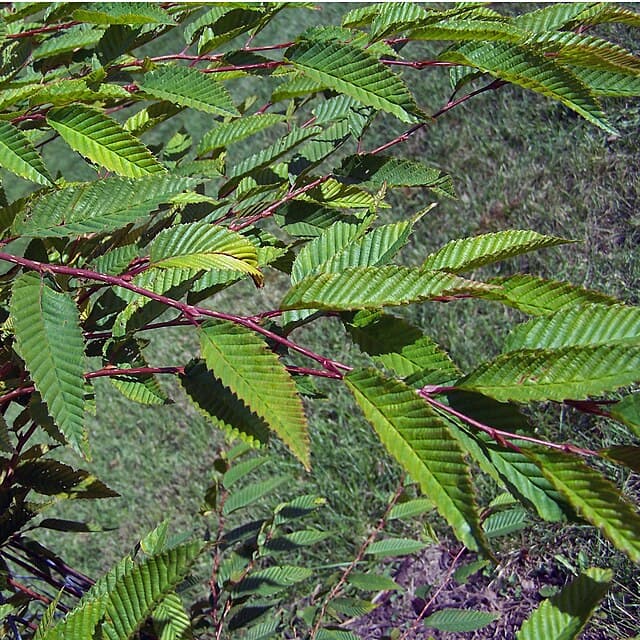
Japanese Hornbeam
Carpinus japonica
Deciduous tree with fine branching and small leaves ideal for bonsai. Creates elegant broom-style silhouettes similar to zelkova. Autumn gold. Alpine species preferring cool conditions.
AdvancedDeciduousBroom style
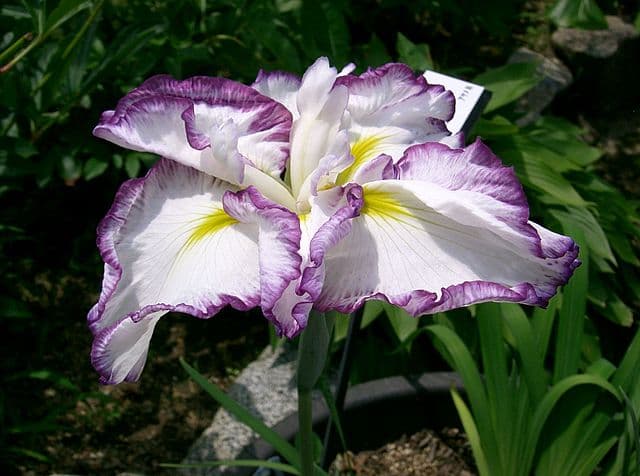
Japanese Iris Bonsai
Popular grass-style bonsai. Large purple or white flowers capture waterside scenery in a small pot. Beautiful with moss, creating a seasonal display for early summer.
BeginnerGrass styleFlowering
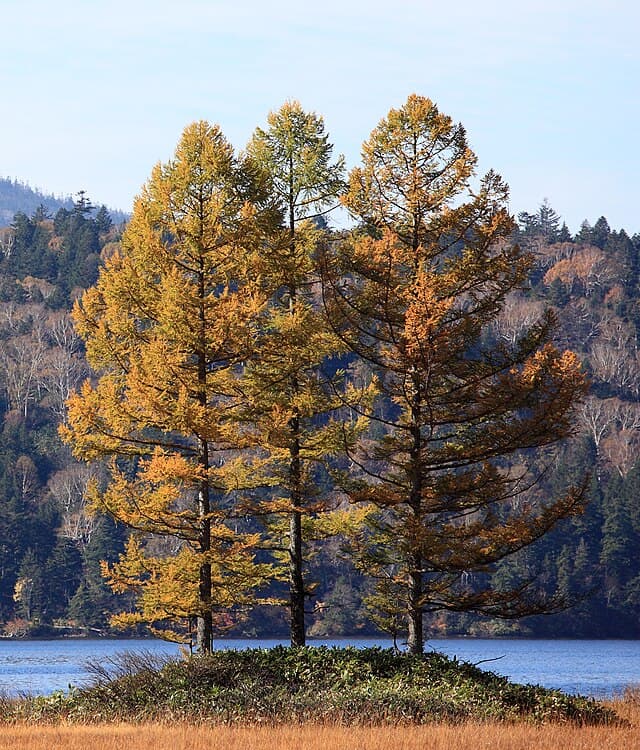
Japanese Larch
Larix kaempferi
Japan's only deciduous conifer. Enjoy four seasons from spring budding to autumn gold to winter silhouette. Native to alpine regions with powerful trunk character.
IntermediateDeciduous coniferFour seasons
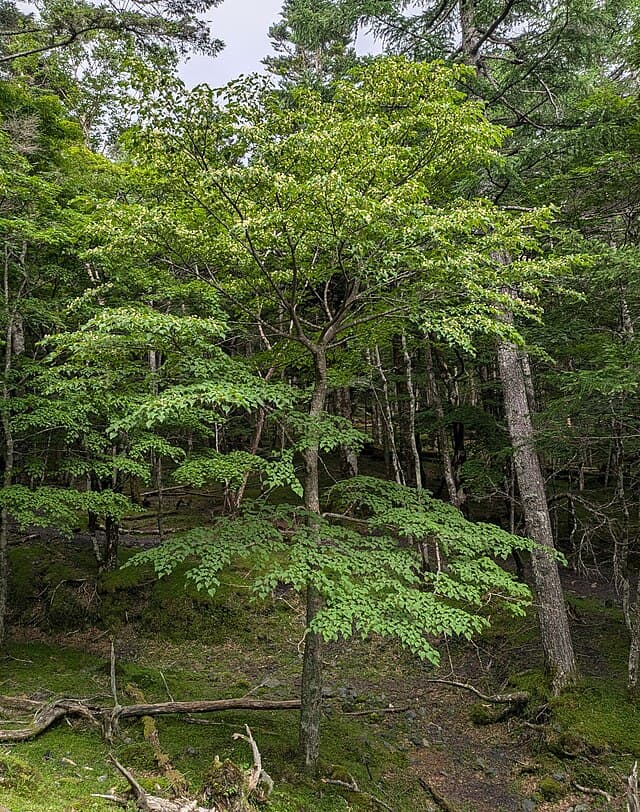
Japanese Lime
Tilia japonica
A tree deeply connected to Buddhism. Heart-shaped leaves are characteristic but can be reduced in bonsai. Yellow flowers and autumn color are attractive. Evokes temple atmosphere.
IntermediateDeciduousBuddhist
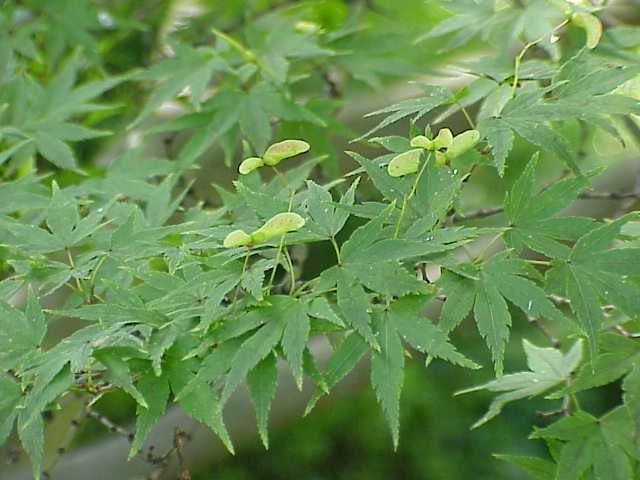
Japanese Maple
Acer palmatum
The quintessential deciduous bonsai, showcasing all four seasons — spring green, summer foliage, autumn color, winter silhouette. Fine ramification and small leaves are the hallmarks.
IntermediateDeciduousAutumn color
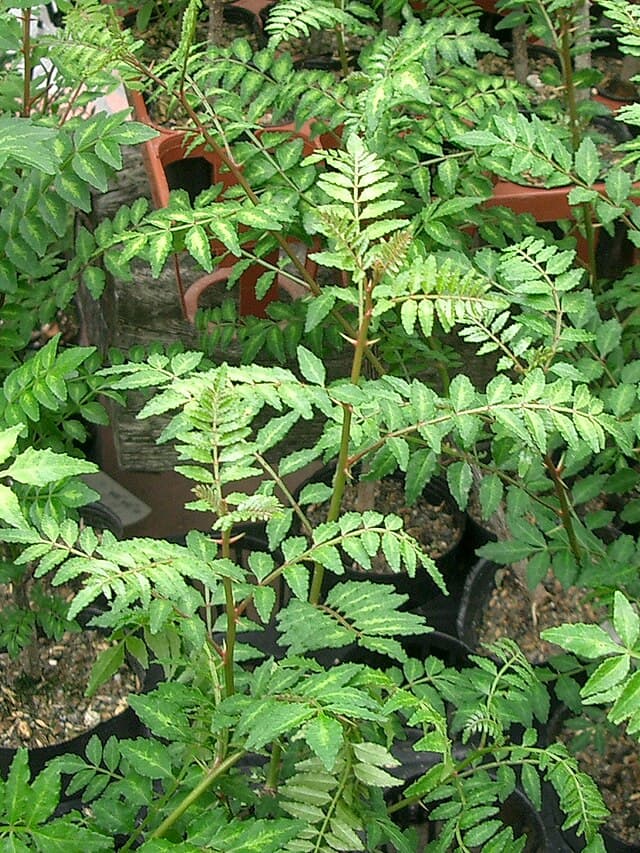
Japanese Pepper
Japanese pepper
Familiar deciduous shrub from Japanese cuisine. Small leaves and branch thorns create delicate bonsai character. Early summer flowers and red autumn berries. Unique fragrance.
IntermediateFruit bearingFragrant
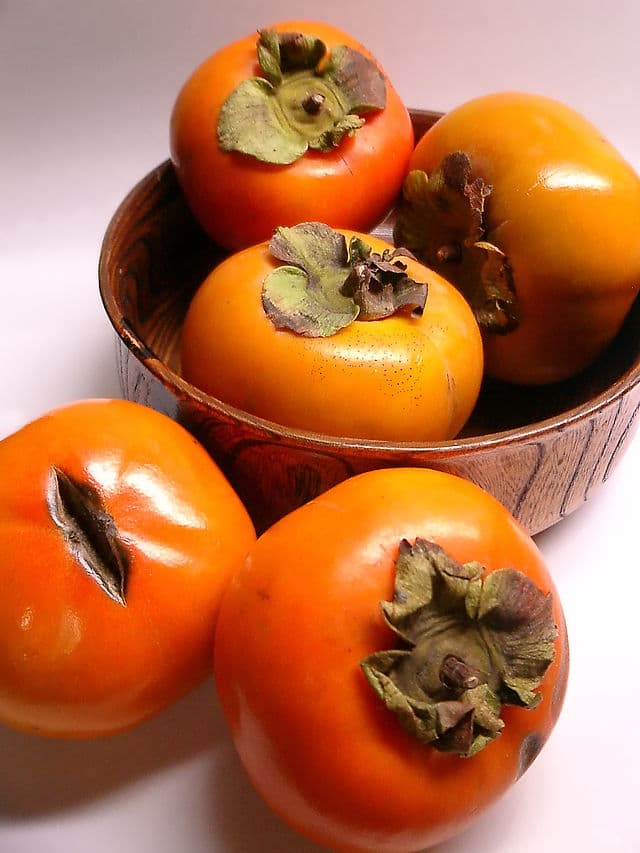
Japanese Persimmon
Representative fruiting bonsai with beautiful autumn-colored fruits. Aged trees develop characterful cracked bark. Dwarf persimmon (Rouya-gaki) is especially popular.
IntermediateFruitingAutumn color
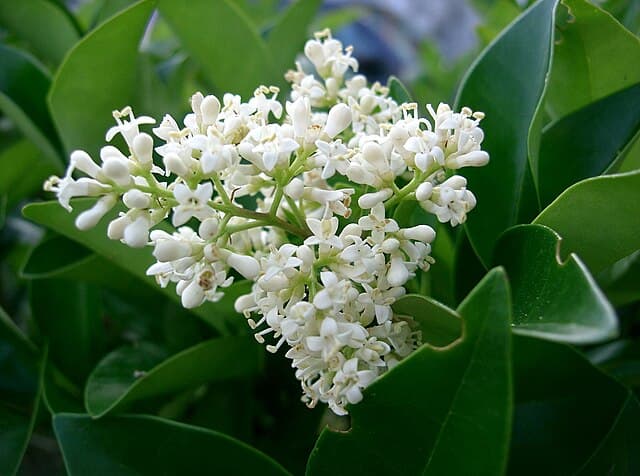
Japanese Privet
Japanese privet
Evergreen with small glossy leaves in dense clusters. White flowers and dark purple berries add interest. Extremely hardy and tolerant of pruning. Good root spread.
BeginnerEvergreenFruit bearing
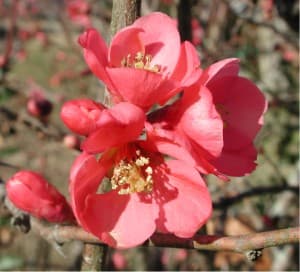
Japanese Quince
Flowering bonsai that covers branches with red, white, or pink blooms in early spring. Develops thick trunks and aged look easily. Fruits add secondary interest.
Beginner-friendlyFloweringEarly spring
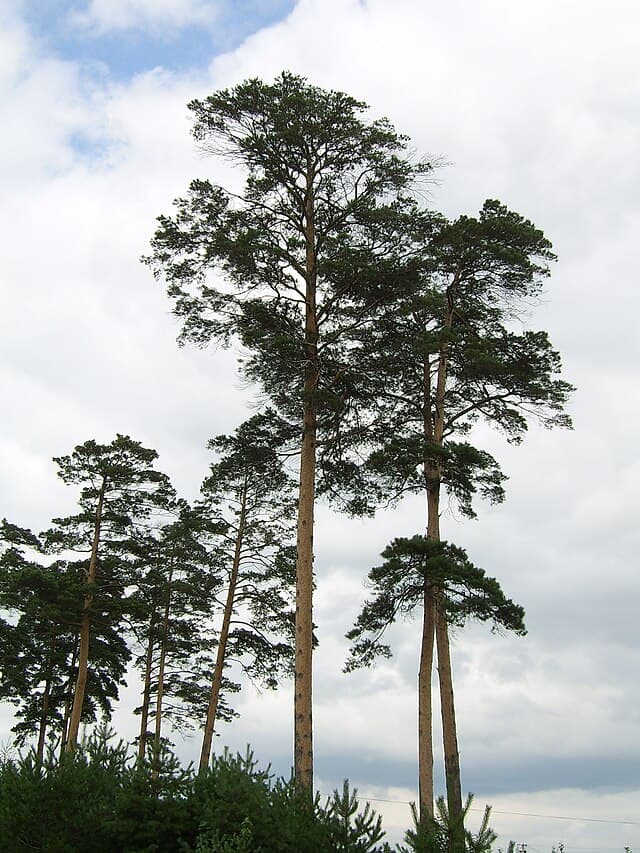
Japanese Red Pine
Pinus densiflora
Called female pine for its graceful appearance. Reddish-brown bark and soft needles give a feminine impression. Often styled as literati or informal upright.
IntermediateConiferGraceful
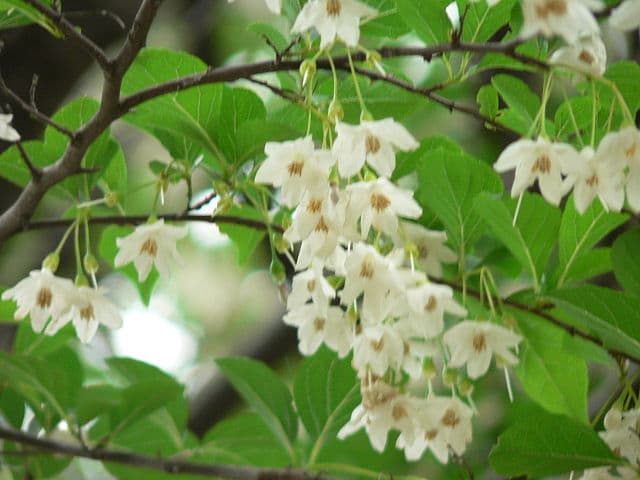
Japanese Snowbell
Deciduous bonsai with dangling white bell-shaped flowers in early summer. Profuse bloomer with elegant appearance. Unique autumn fruits. Natural branching is beautiful.
IntermediateDeciduousWhite bells
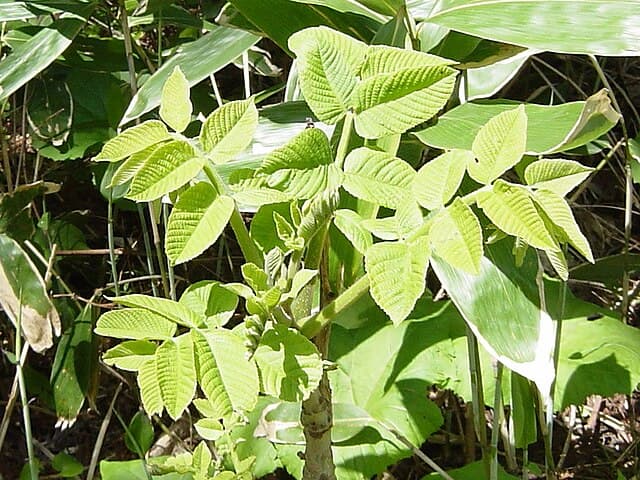
Japanese Sumac
Toxicodendron vernicifluum
Deciduous tree with pinnate compound leaves and vivid autumn colors. Natural wild appearance with a mountain grass aesthetic. Popular as small bonsai.
BeginnerDeciduousAutumn color
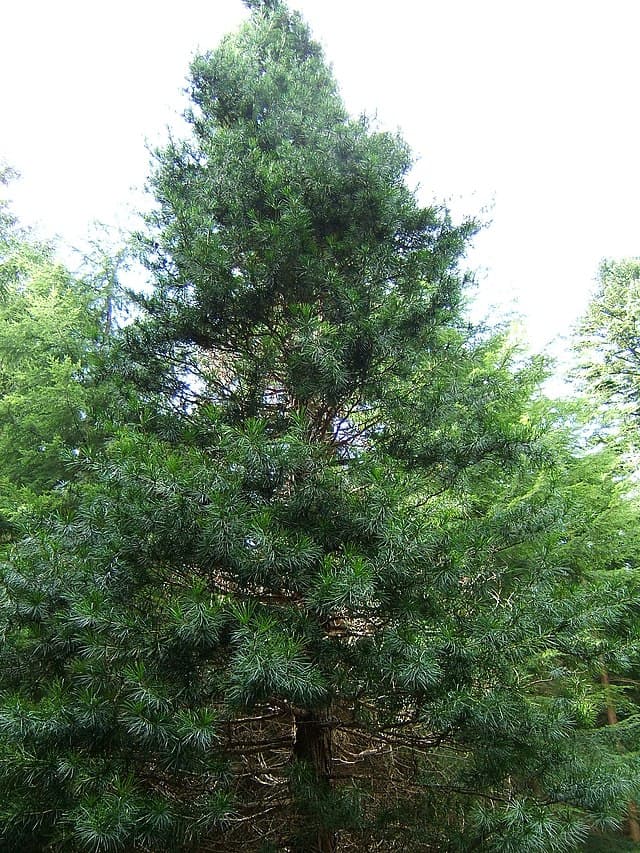
Japanese Umbrella Pine
Sciadopitys verticillata
Endemic Japanese conifer, one of the world's three great garden trees. Distinctive umbrella-like needles. Often planted at shrines and temples. Prized as an elegant bonsai.
AdvancedConiferJapan endemic
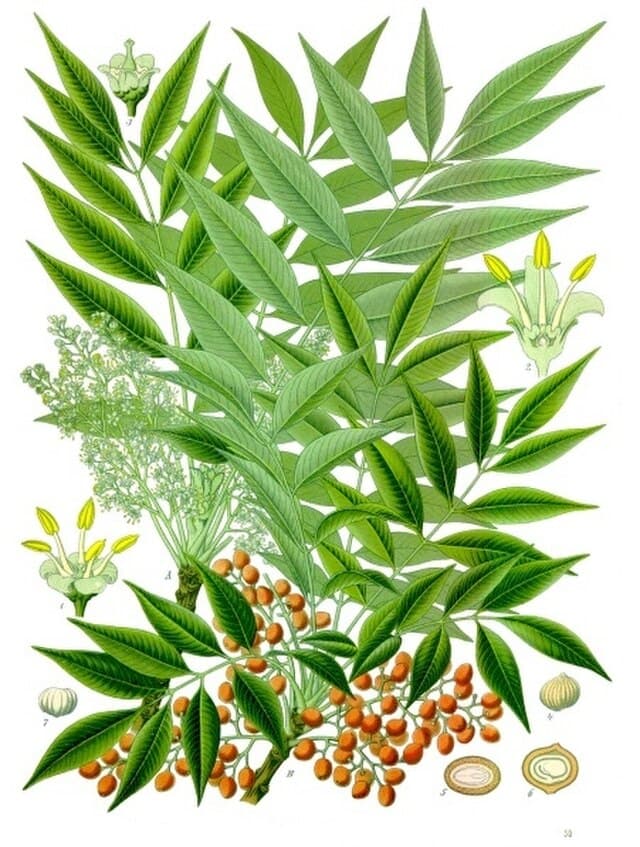
Japanese Wax Tree
Toxicodendron succedaneum
Deciduous bonsai with brilliant scarlet autumn color, among the finest in bonsai. Unique pinnate leaf silhouette. Cool summer greenery. Fast growing and easy to shape.
Beginner-friendlyDeciduousBeautiful autumn color
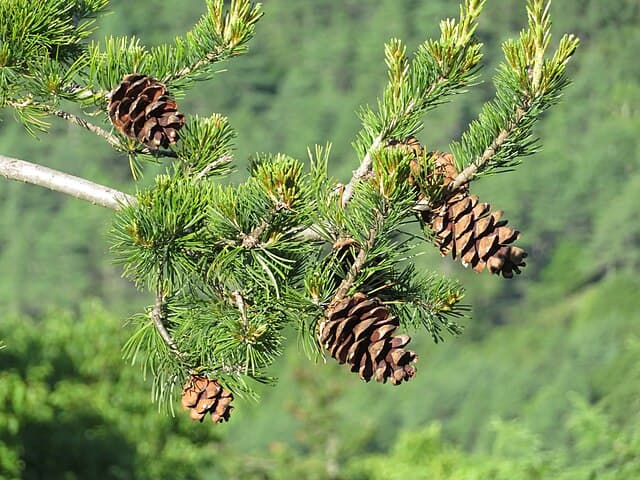
Japanese White Pine
Pinus parviflora
One of the supreme bonsai species. Short needles in bundles of five and dignified trunk character. Slow growth maintains form well. Good entry point for conifer bonsai.
IntermediateConiferDignified
🌿
Japanese Winterberry
Fruiting bonsai with red berries autumn through winter. Berries persist on bare branches, adding color to winter scenery. Holly family despite ume in the name.
Beginner-friendlyFruitingWinter berries
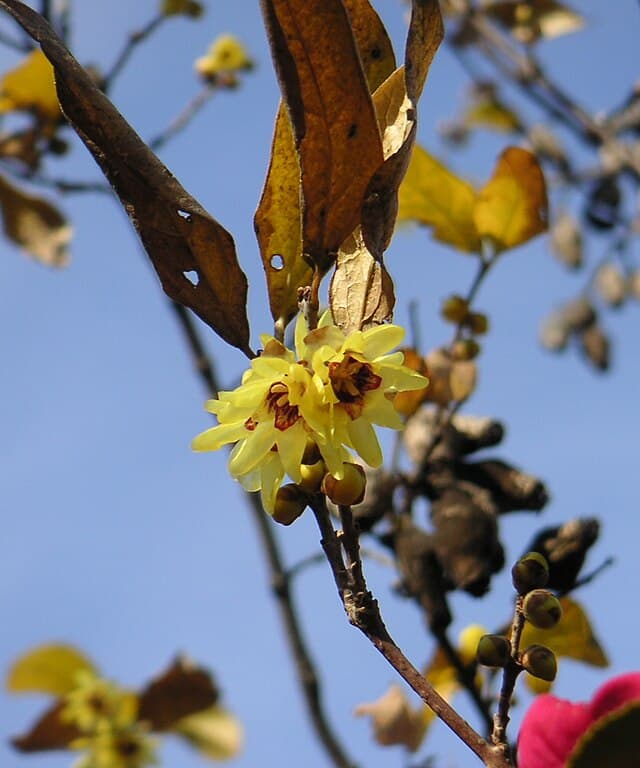
Japanese Wintersweet
Flowering bonsai with translucent waxy yellow blooms in midwinter. Sweet fragrance drifts through winter gardens. Precious species blooming when few others do. Improves with age.
IntermediateFloweringWinter bloom
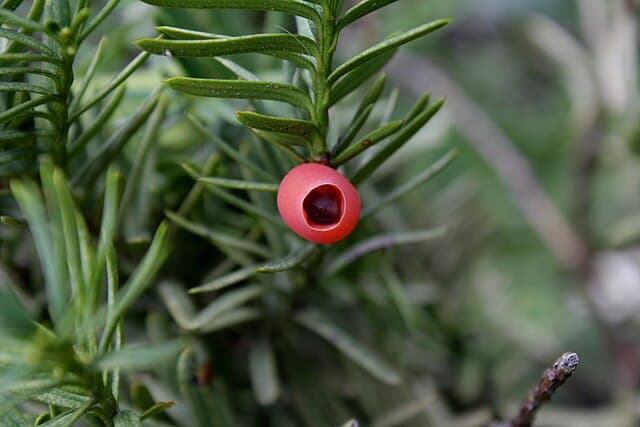
Japanese Yew
Taxus cuspidata
Named after the highest court rank in Japan. Beautiful red berries and dark green needles. Hardy in cold climates with slow growth, ideal for long-term bonsai.
BeginnerConiferRed berries
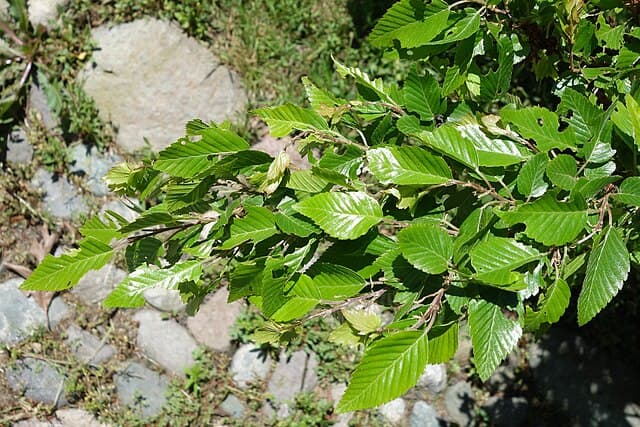
Korean Hornbeam
Carpinus turczaninowii
Deciduous tree with small leaves and fine branching. Easy to shape for bonsai with attractive brown-gold autumn color. Small leaf size makes it ideal for shohin.
BeginnerDeciduousShohin
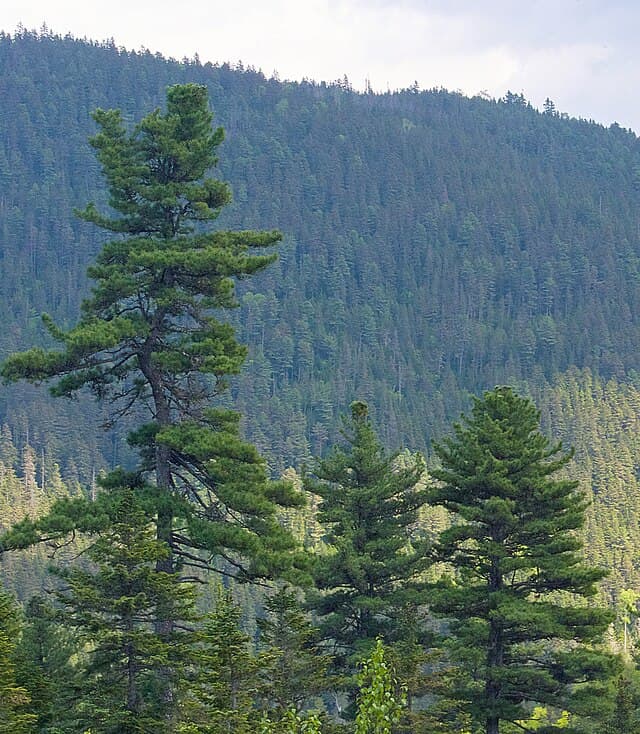
Korean Pine
Pinus koraiensis
Close relative of Japanese white pine with larger cones and edible pine nuts. Native to Korea, China, and Russia. Very cold-hardy with powerful trunks and rich foliage.
IntermediateConiferCold-hardy
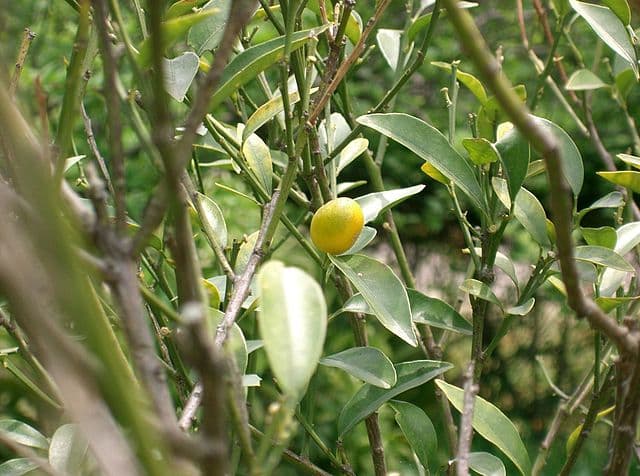
Kumquat Bonsai
Charming citrus bonsai with clusters of small orange fruits. Fruits are edible whole. Relatively cold-hardy and easy to grow among citrus varieties.
BeginnerFruitingCitrus
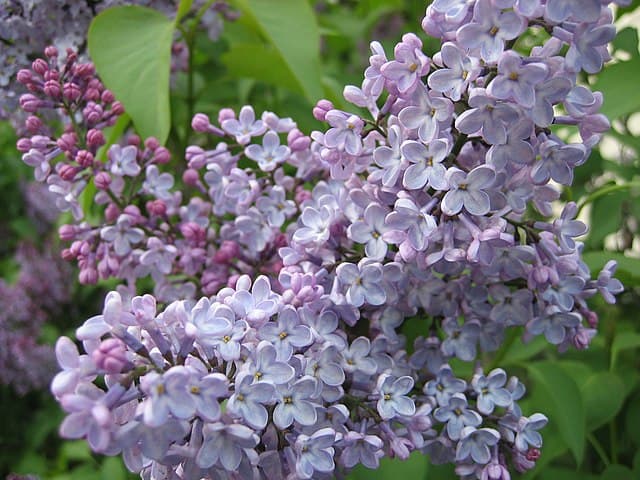
Lilac
Fragrant purple flowers are the main attraction. Suited for cool regions like Hokkaido and Tohoku. Dwarf varieties work well for small bonsai. Enjoy spring fragrance up close.
IntermediateFloweringFragrant
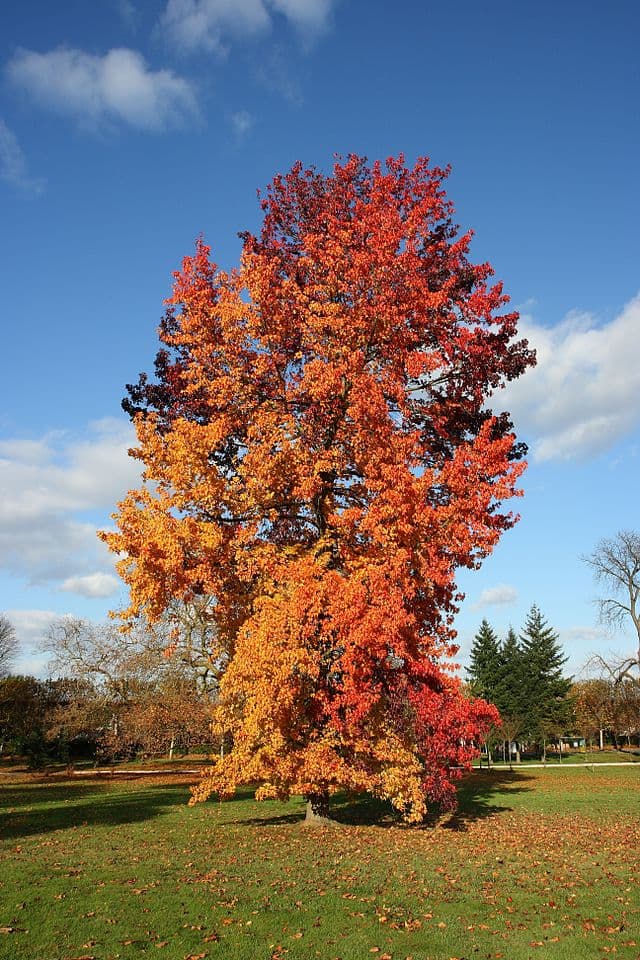
Liquidambar
Also called sweetgum. Star-shaped leaves with spectacular autumn color. Deep corky bark ridges are also attractive. Relatively fast-growing and beginner-friendly.
BeginnerDeciduousAutumn color
🌿
Mame Keyaki (Miniature Zelkova)
Ultra-small zelkova variety selected specifically for mame bonsai. Forms authentic broom style even at palm size. Tiny leaves and delicate branch tips create a precise miniature world.
AdvancedMame bonsaiUltra-miniature
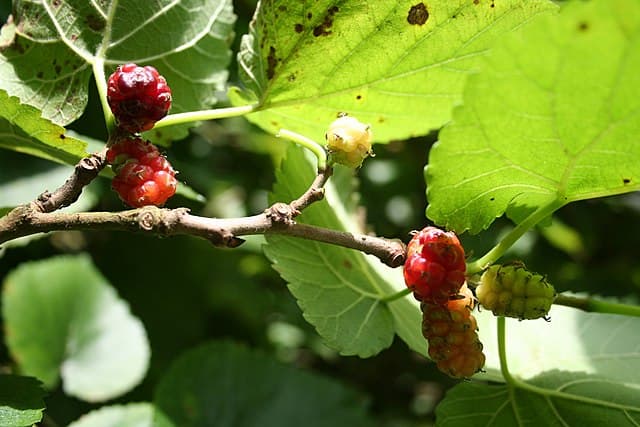
Mulberry
Deciduous tree known for silkworm farming. In bonsai, exposed roots and hollow trunks are highlights. Sweet berries are a bonus. Hardy and tolerant of pruning.
BeginnerFruit bearingExposed roots
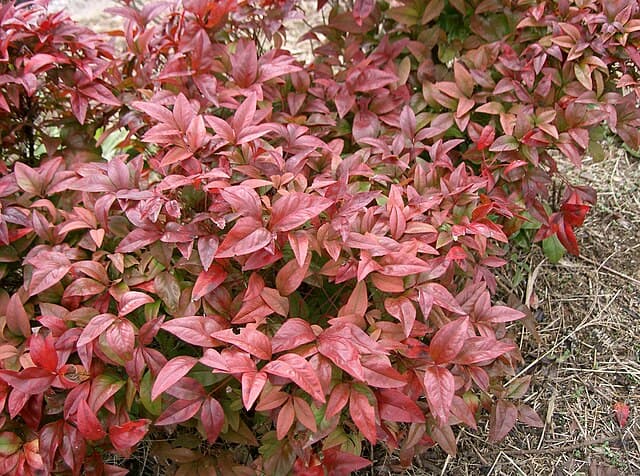
Nandina
Auspicious plant whose name suggests turning misfortune away. Beautiful red berries and winter color. Used in New Year decorations. Hardy and beginner-friendly.
BeginnerAuspiciousRed berries
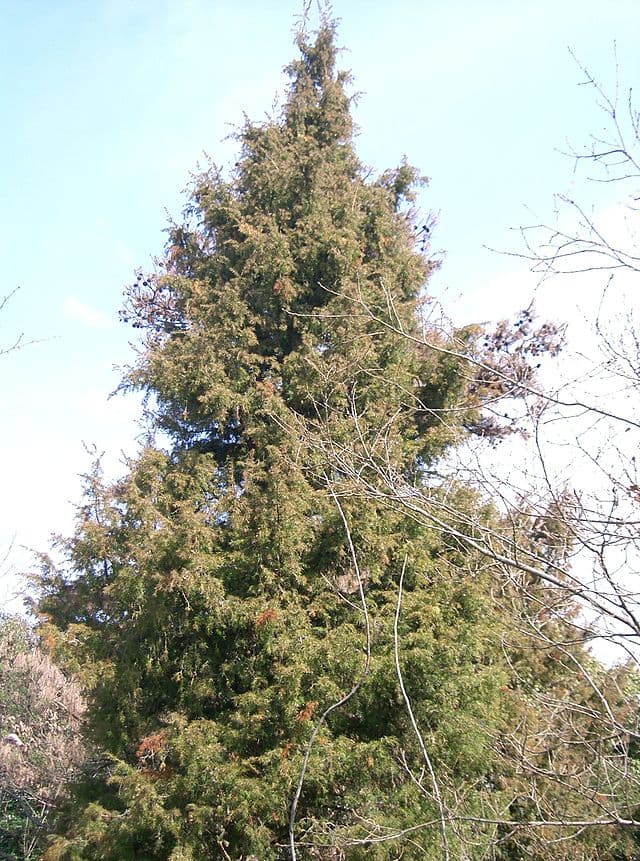
Needle Juniper
Japanese native juniper with sharp needle-like foliage. Rougher texture than Shimpaku. Versatile from shohin to large sizes. Excellent for deadwood features.
IntermediateConiferNeedle foliage
🌿
Olive Bonsai
Mediterranean evergreen. Silver-gray leaves and twisted trunks create unique atmosphere. Rapidly gaining popularity as Western-style bonsai. Drought-tolerant with low watering risk.
BeginnerWestern-styleSilver leaves
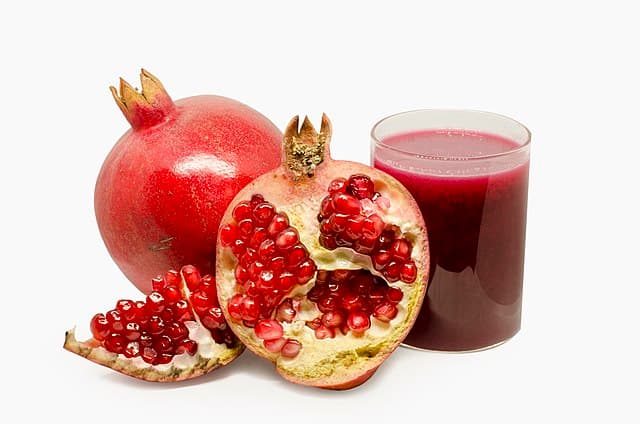
Pomegranate
Flowering and fruiting bonsai with vermillion flowers and fruits. Twisted trunks and aged appearance are appealing. Split fruits are charming. Drought-tolerant and sun-loving.
Beginner-friendlyFlower & FruitVermillion
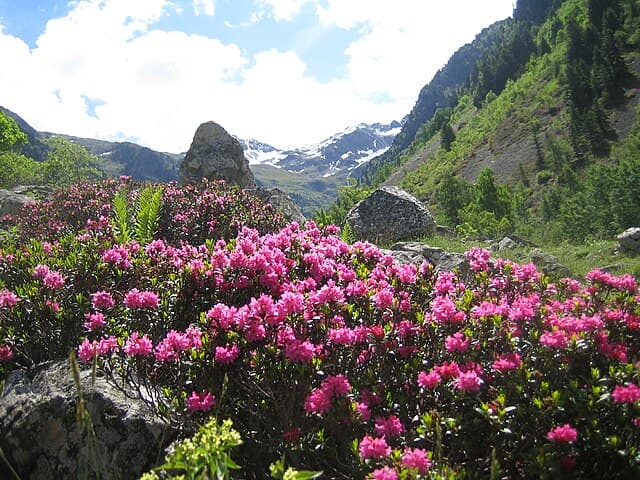
Rhododendron
Evergreen shrub with gorgeous flowers. Large flower clusters color spring. Alpine varieties prefer cool conditions, requiring some experience. Post-bloom care is crucial.
IntermediateFloweringLarge blooms
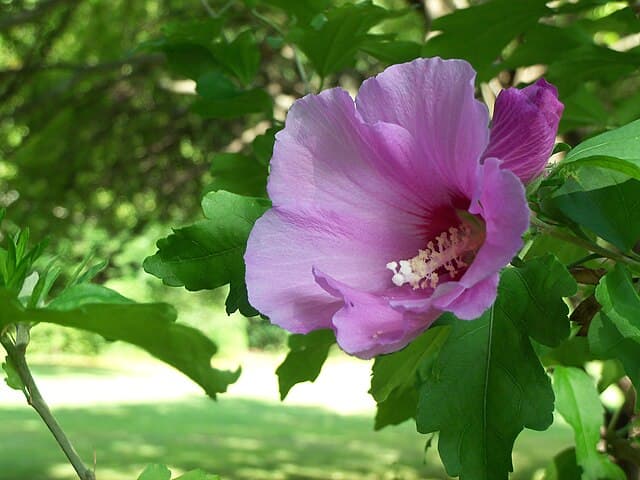
Rose of Sharon
Deciduous shrub blooming continuously from summer to autumn. Known as Korea's national flower. Individual flowers last one day but bloom in succession. Hardy and fast-growing.
BeginnerFloweringSummer blooms
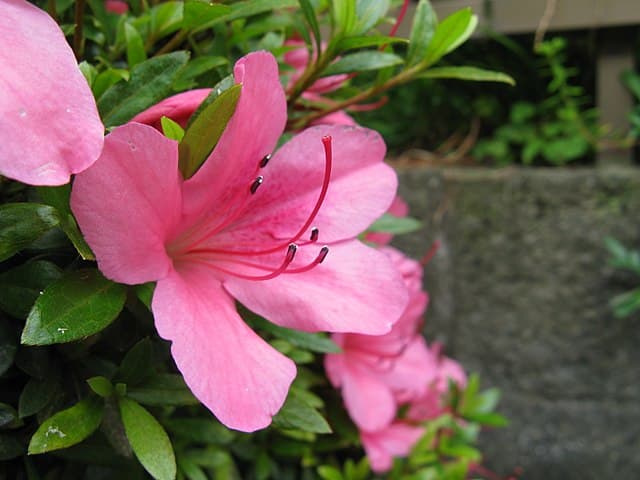
Satsuki Azalea
Satsuki azalea
The iconic flowering bonsai of Japanese culture. Blooms in May-June with thousands of cultivars. Huge variety in flower color and form. Star of exhibitions.
Beginner-friendlyFloweringMany cultivars
🌿
Schefflera
Tropical evergreen with distinctive palmate leaves radiating outward. Extremely hardy and grows indoors, perfect for bonsai beginners. Develops aerial roots for banyan-style forms.
BeginnerEvergreenIndoor
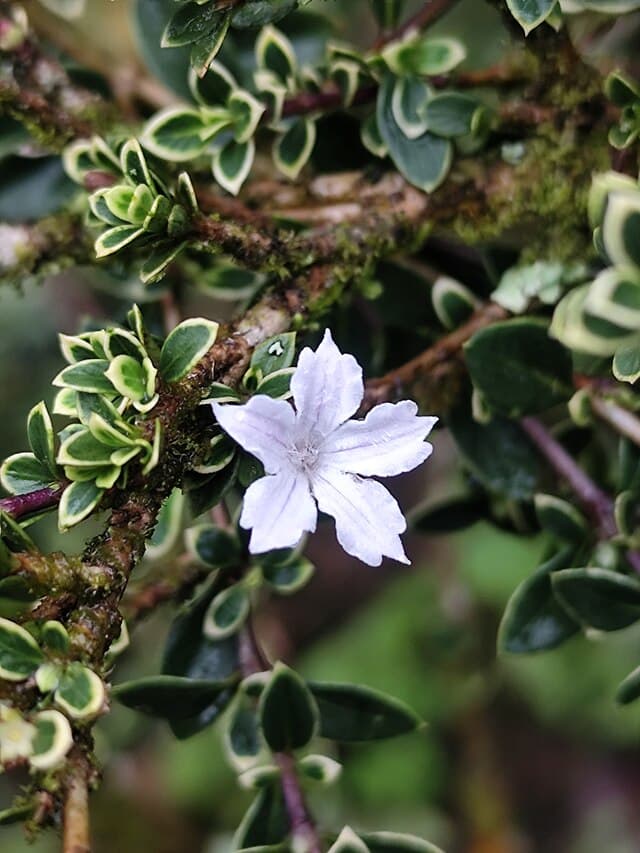
Serissa
Evergreen shrub covered in tiny white star-shaped flowers. Extremely small leaves perfect for shohin to mini bonsai. Roots thicken well for exposed root style. Indoor capable.
IntermediateEvergreenMini bonsai
🌿
Shimpaku Juniper
The most prized juniper in bonsai. Known for jin and shari deadwood artistry. Grows wild on cliffs, creating twisted trunks that combine ruggedness and elegance.
IntermediateConiferJin & Shari
🌿
Shohin Momiji (Small Maple)
Maple styled to shohin bonsai size. Managed in smaller pots than regular maples, expressing condensed autumn scenery with delicate branches and small leaves. Ideal for display shelves.
AdvancedShohin bonsaiAutumn color
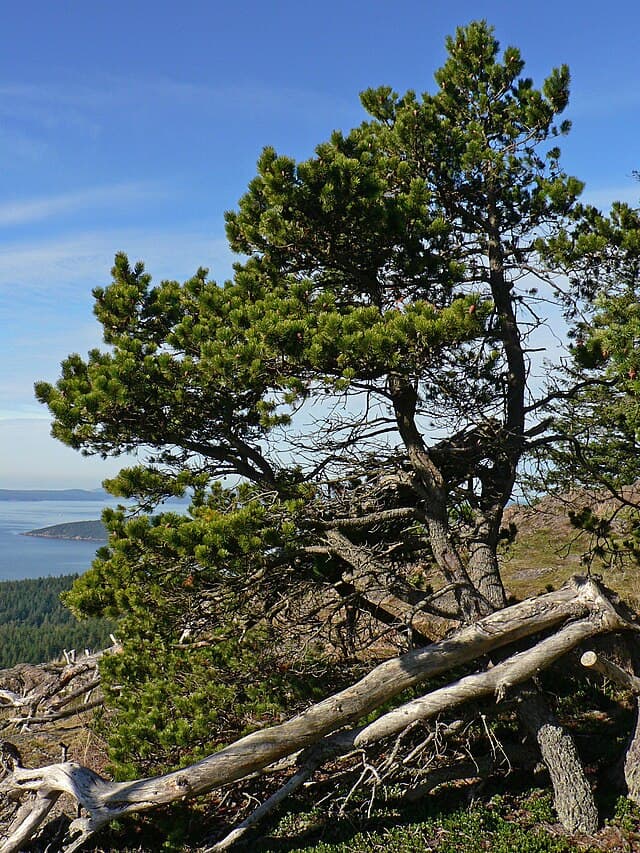
Shore Pine
Pinus contorta
Native to North American west coast. Known for resilience against sea winds and naturally curved trunks. Suits literati and windswept styles with distinctive wild charm.
IntermediateConiferWind-tolerant
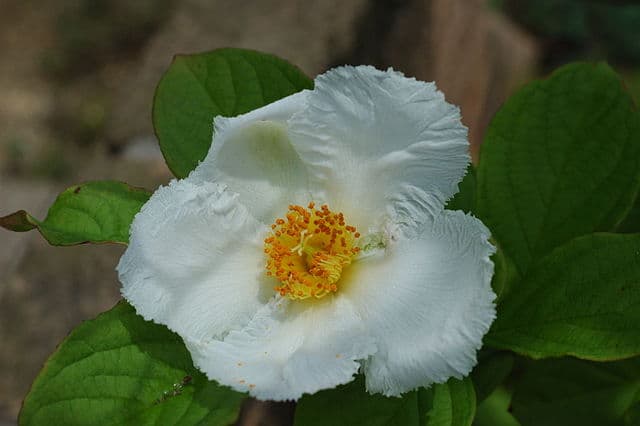
Stewartia
Deciduous bonsai blooming with white camellia-like flowers in summer. Smooth bark develops beautiful mottled pattern with age. Triple appeal: flowers, bark, and autumn color.
IntermediateDeciduousSummer white bloom
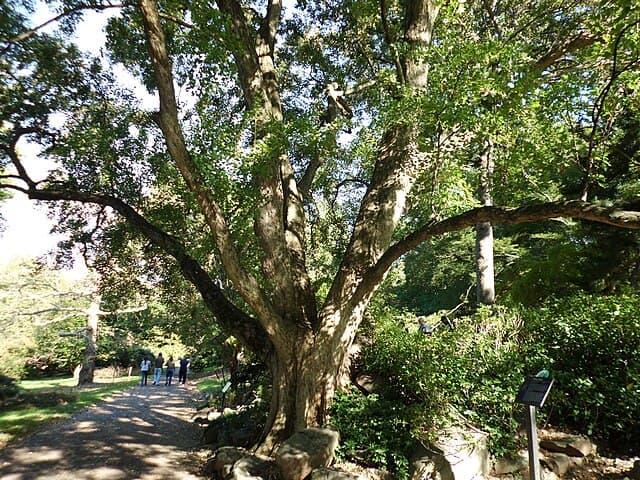
Trident Maple
Acer buergerianum
Popular deciduous bonsai with distinctive three-lobed leaves. Appealing root spread, bark texture, and autumn color. Often styled as root-over-rock. Fast growth suits beginners.
Beginner-friendlyDeciduousAutumn color
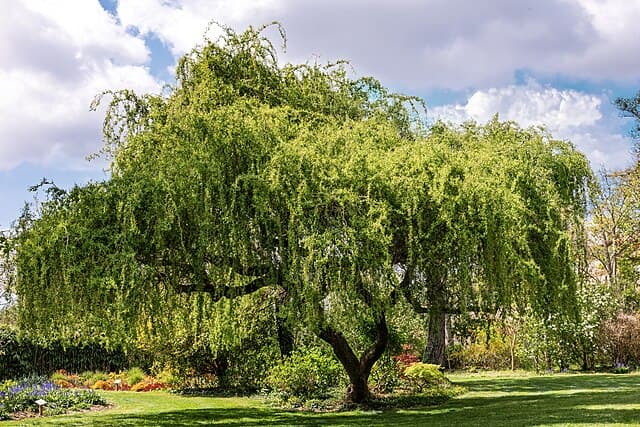
Weeping Willow
Salix babylonica
Deciduous tree with gracefully drooping branches full of atmosphere. Enjoy waterside scenery up close. Very fast growth requires frequent care, but unique form is unmatched.
IntermediateDeciduousWeeping
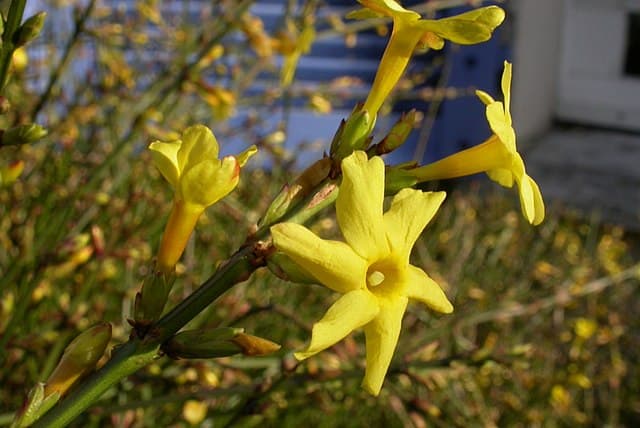
Winter Jasmine
Jasminum nudiflorum
Flowering bonsai covered in yellow blooms in early spring. Weeping habit suits cascade style. Bright yellow heralds spring when few flowers bloom. Hardy and easy.
Beginner-friendlyFloweringYellow bloom
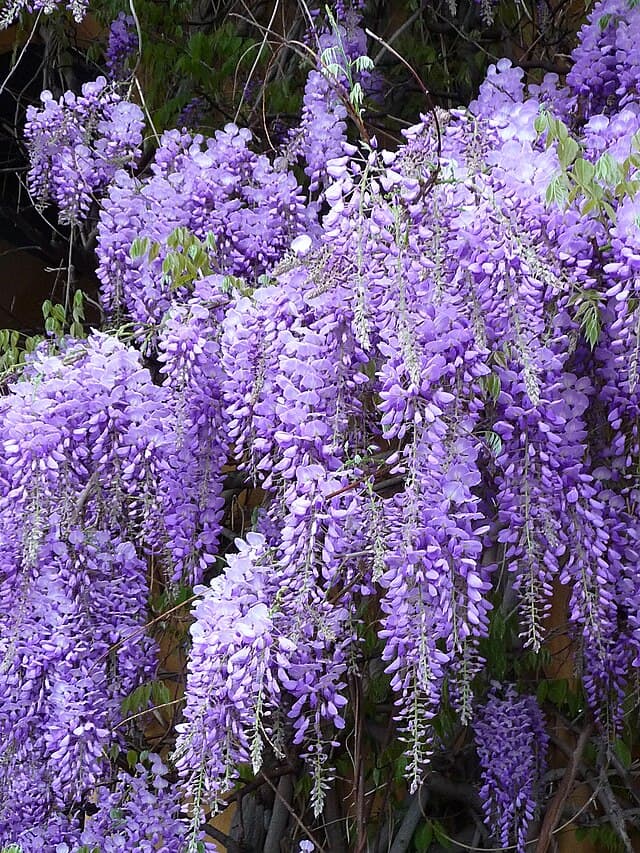
Wisteria
Elegant flowering bonsai with cascading purple flower clusters in spring. Cascade or display-shelf styles maximize bloom beauty. Flowering improves with age.
IntermediateFloweringPurple clusters
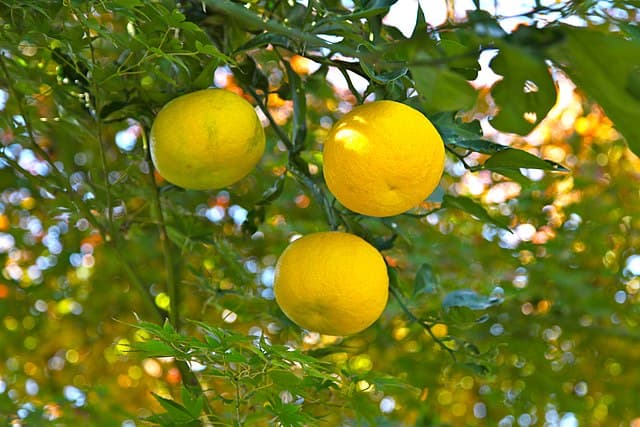
Yuzu Bonsai
Indispensable citrus in Japanese cuisine. Takes long from seed but grafted stock fruits in a few years. Fragrant flowers and yellow fruits are enjoyable.
IntermediateFruitingCitrus
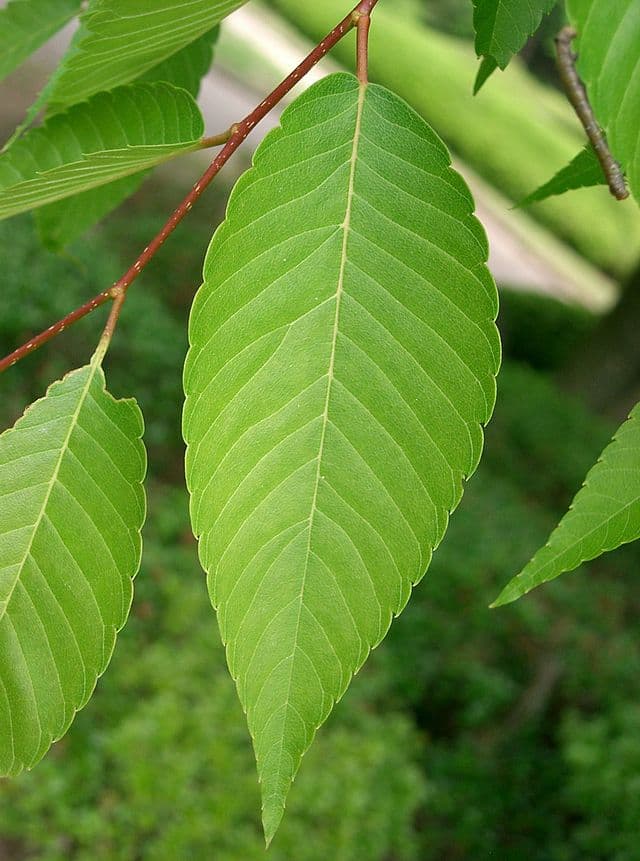
Zelkova
The signature broom-style bonsai tree. Fan-shaped fine branching is its greatest charm. The winter silhouette after leaf drop is considered the pinnacle of bonsai aesthetics.
IntermediateDeciduousBroom style