Source: Wikimedia Commons
Japanese Hornbeam
AdvancedCarpinus japonica
Deciduous tree with fine branching and small leaves ideal for bonsai. Creates elegant broom-style silhouettes similar to zelkova. Autumn gold. Alpine species preferring cool conditions.
Difficulty
Advanced
Temperature
-5〜35℃
Lifespan
Centuries
Size
10-40cm (bonsai size)
Diet
−
About
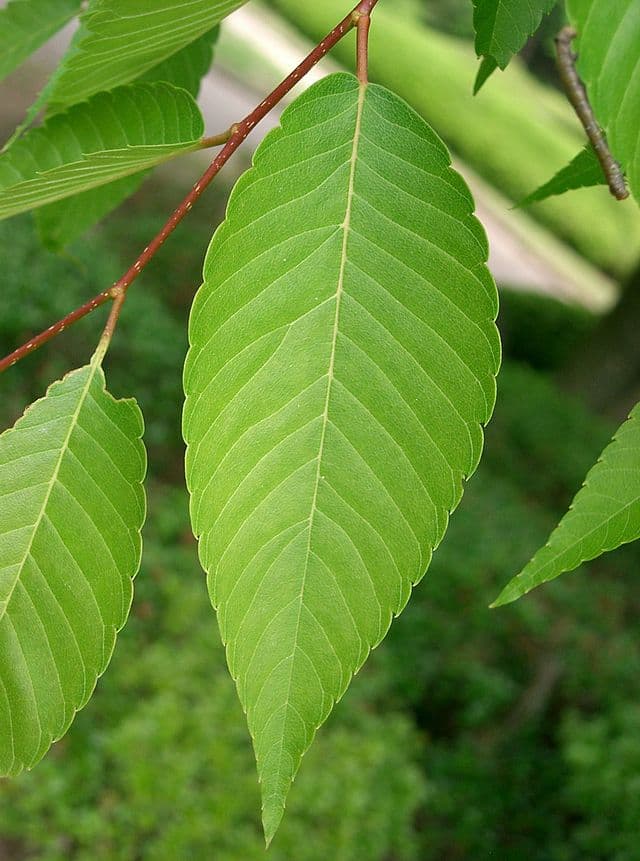
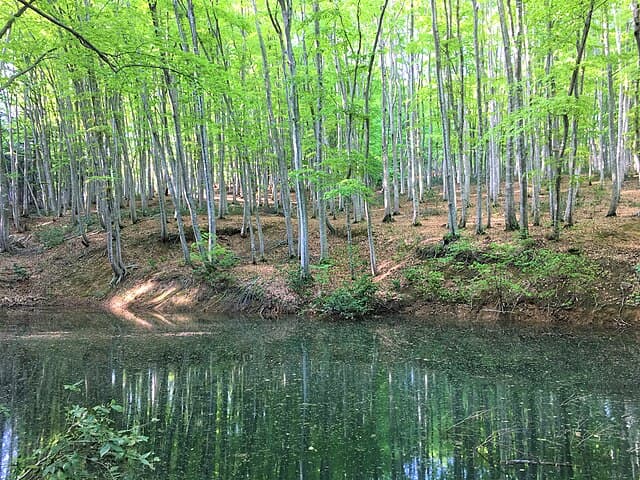
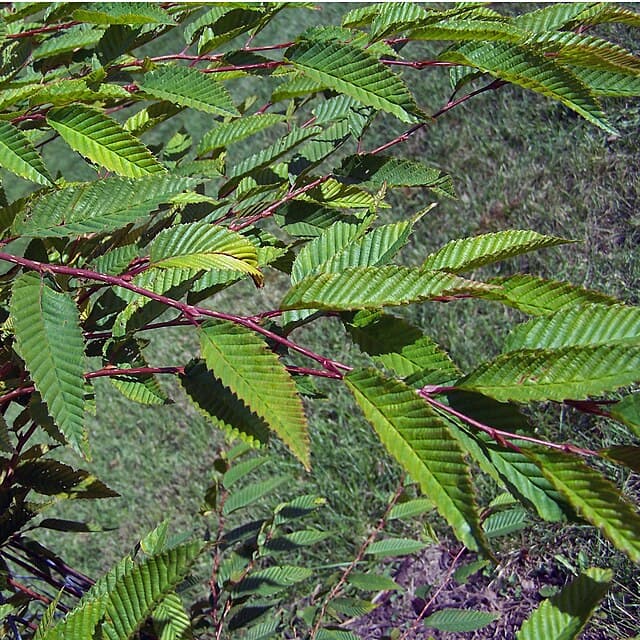
Carpinus japonica, commonly known as Japanese hornbeam or Kuma shide, is a deciduous hornbeam tree endemic to Japan, found in mountain forests of Honshu, Shikoku, and Kyushu. Its name 'shide' refers to the papery pendulous fruiting catkins that resemble the paper streamers used in Shinto ritual. The leaves are broadly ovate with strongly impressed parallel veins. In bonsai, it is prized for its elegant fine branching, smooth muscular bark, and attractive autumn color ranging from yellow to orange-brown. It is primarily cultivated as a literati or informal upright bonsai, and responds well to regular pruning and pinching.
Source: Wikipedia (CC BY-SA 4.0)
Basic Info
Origin
Japan
Lifespan
Centuries
Size
10-40cm (bonsai size)
Temperature
-5〜35℃
Diet
−
Care Guide
Placement
Cool partial shade. Sensitive to heat
Watering
Never let dry. Maintain consistent moisture
Styling
Broom style ideal. Build fine ramification
Notes
Summer can be hard in warm areas. Shade cloth and misting help
AdvancedDeciduousBroom styleAlpine
Japanese Hornbeam FAQ
QHow difficult is it to keep Japanese Hornbeam?
A
Advanced. This is an advanced-level species. It requires specialized equipment and advanced husbandry skills with precise environmental control.
QWhat is the ideal temperature for Japanese Hornbeam?
A
The ideal temperature for Japanese Hornbeam is -5〜35℃. Avoid sudden temperature changes and maintain a stable environment.
QWhat is the lifespan of Japanese Hornbeam?
A
The average lifespan of Japanese Hornbeam is Centuries. With proper care and nutrition, they can live a long and healthy life.
Japanese Hornbeam Q&A
Find listings for this species