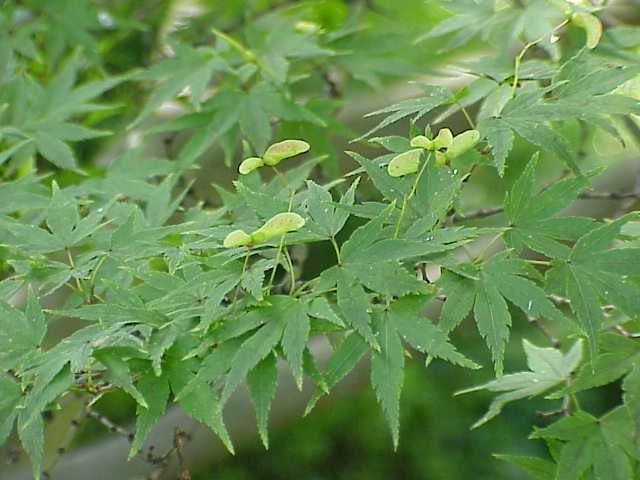
Source: Wikimedia Commons
Japanese Maple
IntermediateAcer palmatum
The quintessential deciduous bonsai, showcasing all four seasons — spring green, summer foliage, autumn color, winter silhouette. Fine ramification and small leaves are the hallmarks.
Difficulty
Intermediate
Temperature
-15〜30℃
Lifespan
100+ years (30+ as bonsai)
Size
10-60cm (bonsai size)
Diet
Organic fertilizer: light in spring, generous in fall
About
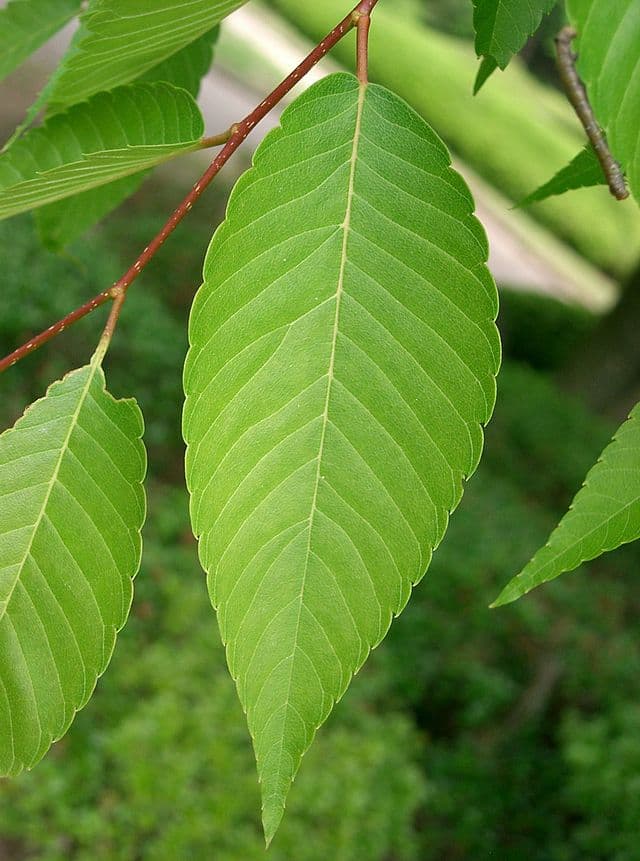
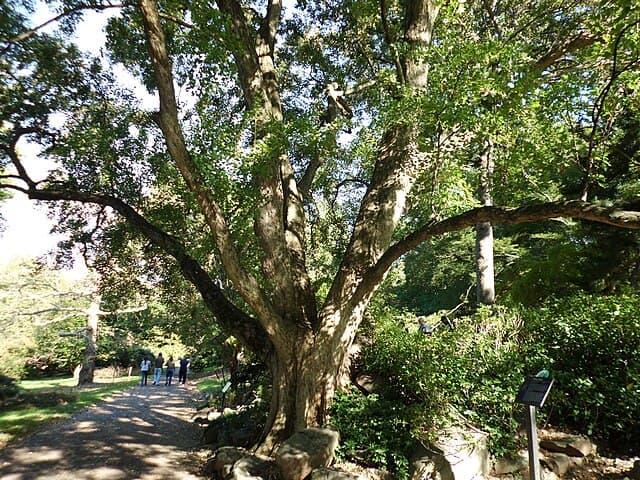
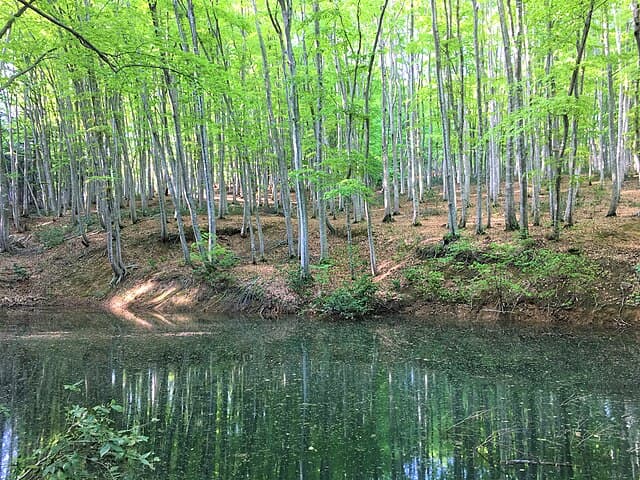
Acer palmatum, commonly known as Japanese maple, palmate maple, or smooth Japanese maple, is a species of woody plant native to Korea, Japan, China, eastern Mongolia, and southeast Russia. Many different cultivars of this maple have been selected and they are grown worldwide for their large variety of attractive forms, leaf shapes, and spectacular colors.
Source: Wikipedia (CC BY-SA 4.0)
Basic Info
Origin
Korea, Japan, China, eastern Mongolia, and southeast Russia
Lifespan
100+ years (30+ as bonsai)
Size
10-60cm (bonsai size)
Temperature
-15〜30℃
Diet
Organic fertilizer: light in spring, generous in fall
Care Guide
Placement
Partial shade ideal. Midsummer direct sun causes leaf scorch
Defoliation
Full defoliation in June produces smaller second leaves and better fall color
Watering
Loves water but watch for root rot. Water twice daily in summer
Notes
Thick branch cuts heal poorly. Plan styling early in development
IntermediateDeciduousAutumn colorFour seasons
Japanese Maple FAQ
QHow difficult is it to keep Japanese Maple?
A
Intermediate. This is an intermediate-level species. Some prior experience and knowledge of environmental management are recommended.
QWhat is the ideal temperature for Japanese Maple?
A
The ideal temperature for Japanese Maple is -15〜30℃. Avoid sudden temperature changes and maintain a stable environment.
QWhat is the lifespan of Japanese Maple?
A
The average lifespan of Japanese Maple is 100+ years (30+ as bonsai). With proper care and nutrition, they can live a long and healthy life.
Japanese Maple Q&A
Find listings for this species