Source: Wikimedia Commons
Ezo Spruce
AdvancedConifer native to Hokkaido. Dense short needles create a rugged appearance reflecting harsh northern climates. Extremely cold hardy, ideal for bonsai in cold regions.
Difficulty
Advanced
Temperature
-5〜35℃
Lifespan
Centuries
Size
15-60cm (bonsai size)
Diet
Fertilizer (regular)
About
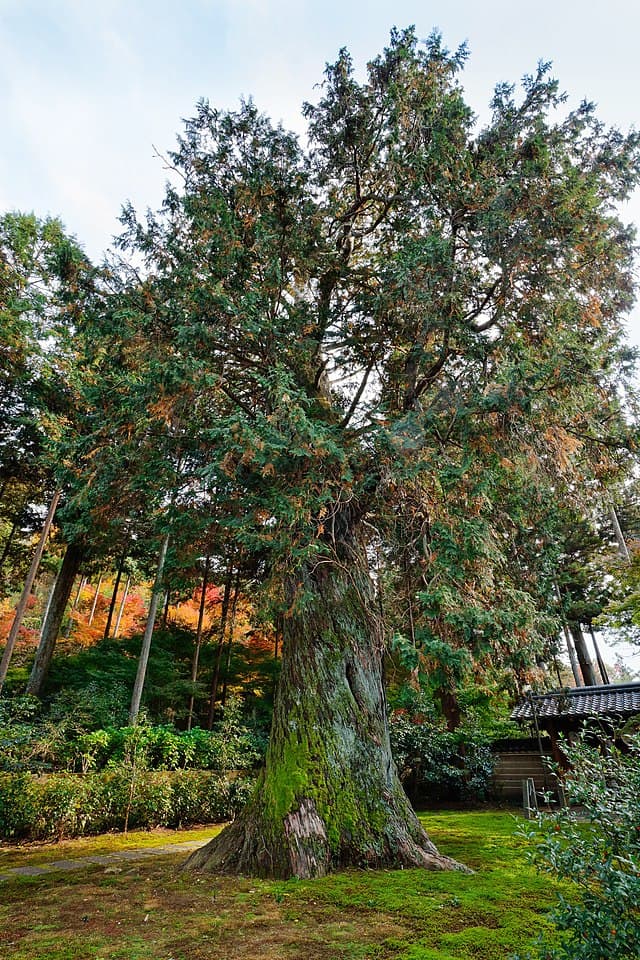
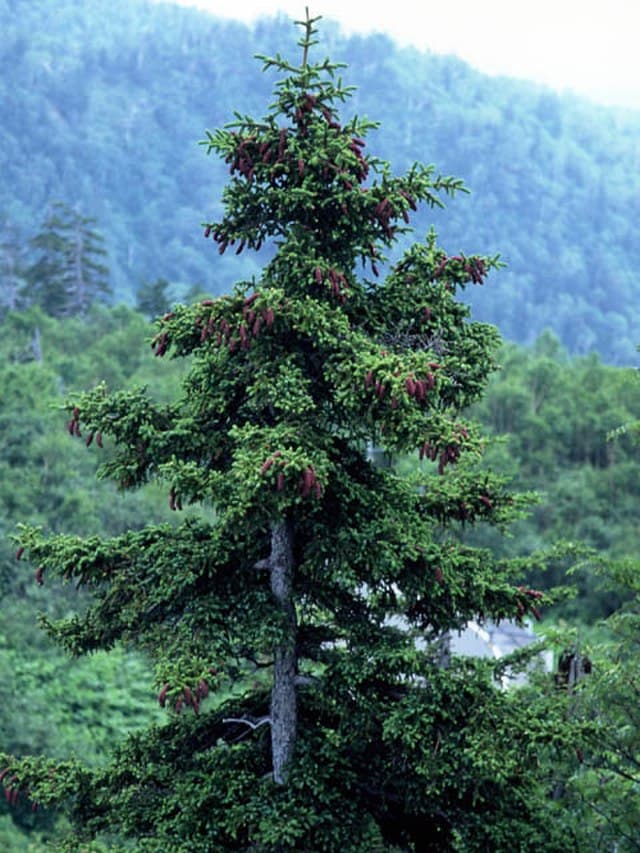
Picea jezoensis, commonly known as Yezo spruce or Ezo spruce (Ezo matsu in Japanese), is an evergreen conifer native to Hokkaido, the Kuril Islands, and Sakhalin. It is one of Hokkaido's most representative conifers, forming vast subalpine forests in the Daisetsuzan range and other mountainous areas. The short, dense needles and rugged bark reflect the species' adaptation to a harsh, snowy subarctic climate. In bonsai, it is prized for its compact, austere silhouette and the rough-textured bark of mature specimens. The dwarf cultivar 'Yatsufusa' (Yatsubusa-ezo matsu), with its dense, compressed growth habit, is especially popular for small and medium bonsai.
Basic Info
Origin
Hokkaido (Japan), Kuril Islands, and Sakhalin
Lifespan
Centuries
Size
15-60cm (bonsai size)
Temperature
-5〜35℃
Diet
Fertilizer (regular)
Care Guide
Placement
Full sun outdoors. Needs shade protection from summer heat
Watering
Dislikes drying. Especially watch for water shortage in summer
Styling
Bud pinching and needle thinning for dense canopy
Notes
Difficult to summer in warm areas. Ensure cool conditions
AdvancedConiferCold climateHokkaido
Ezo Spruce FAQ
QHow difficult is it to keep Ezo Spruce?
A
Advanced. This is an advanced-level species. It requires specialized equipment and advanced husbandry skills with precise environmental control.
QWhat is the ideal temperature for Ezo Spruce?
A
The ideal temperature for Ezo Spruce is -5〜35℃. Avoid sudden temperature changes and maintain a stable environment.
QWhat is the lifespan of Ezo Spruce?
A
The average lifespan of Ezo Spruce is Centuries. With proper care and nutrition, they can live a long and healthy life.
Ezo Spruce Q&A
Find listings for this species