Source: Wikimedia Commons
Japanese Apricot
IntermediatePrunus mume
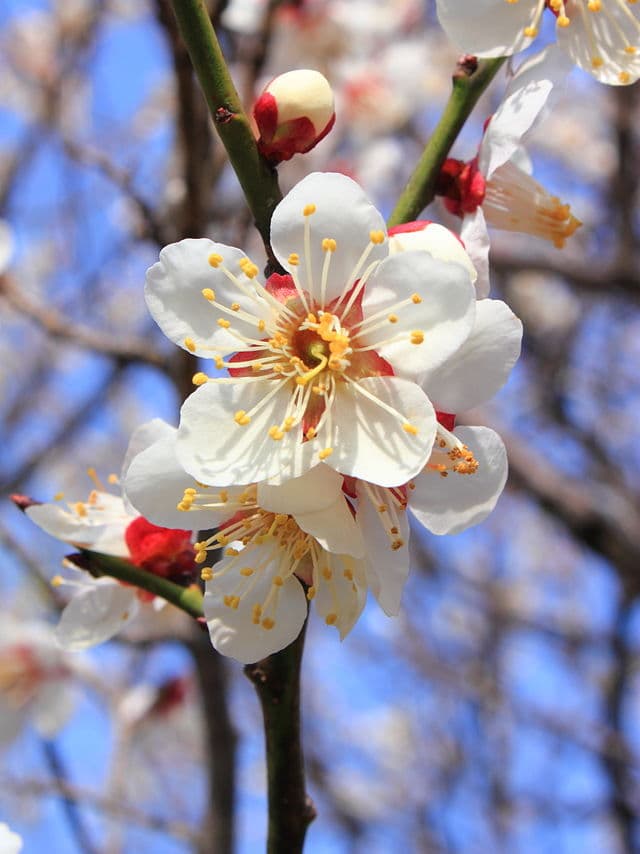
The quintessential flowering bonsai, blooming with fragrant flowers in early spring. Aged bark and elegant blossoms embody traditional Japanese beauty. Cherished since ancient times.
Difficulty
Intermediate
Temperature
-5〜35℃
Lifespan
Centuries
Size
15-60cm (bonsai size)
Diet
−
About
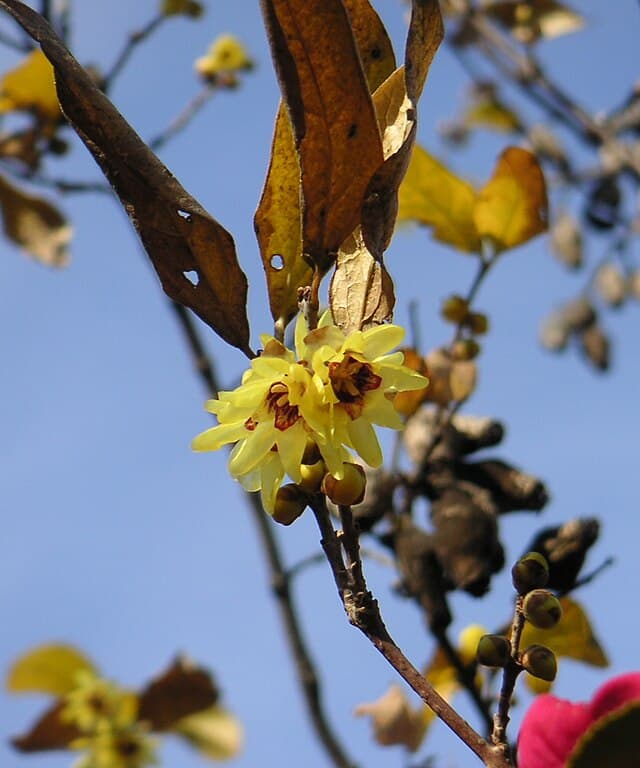
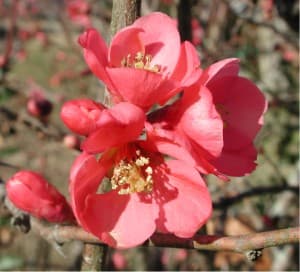
Prunus mume, also known as Chinese plum, is a tree species in the family Rosaceae. It is also referenced by its flowers as plum blossom. Although referred to as a plum in English, it is classified in the Armeniaca section of the genus Prunus, making it an apricot. Mei flowers, or meihua (梅花), which bloom in the late winter and early spring, notably during the spring festival (春節), symbolize endurance, as they are the first to bloom despite the cold; the flower is one of the Three Friends of Winter.
Source: Wikipedia (CC BY-SA 4.0)
Basic Info
Origin
China
Lifespan
Centuries
Size
15-60cm (bonsai size)
Temperature
-5〜35℃
Diet
−
Care Guide
Placement
Full sun outdoors. Adequate sunlight needed for flower buds
Watering
Loves water. Especially generous after bloom and in summer
Styling
Prune right after flowering. Cut back leggy shoots for buds
Notes
Watch for aphids and scale. Regular pest treatment needed
IntermediateFloweringFragrantEarly spring bloom
Japanese Apricot FAQ
QHow difficult is it to keep Japanese Apricot?
A
Intermediate. This is an intermediate-level species. Some prior experience and knowledge of environmental management are recommended.
QWhat is the ideal temperature for Japanese Apricot?
A
The ideal temperature for Japanese Apricot is -5〜35℃. Avoid sudden temperature changes and maintain a stable environment.
QWhat is the lifespan of Japanese Apricot?
A
The average lifespan of Japanese Apricot is Centuries. With proper care and nutrition, they can live a long and healthy life.
Japanese Apricot Q&A
Find listings for this species