Source: Wikimedia Commons
Hawthorn
BeginnerDeciduous tree with white spring flowers and red autumn berries. Perfect bonsai candidate with flowers, fruit, and autumn color. Thorns require gloves when styling.
Difficulty
Beginner
Temperature
-5〜35℃
Lifespan
100+ years
Size
15-50cm (bonsai size)
Diet
Fertilizer (regular)
About
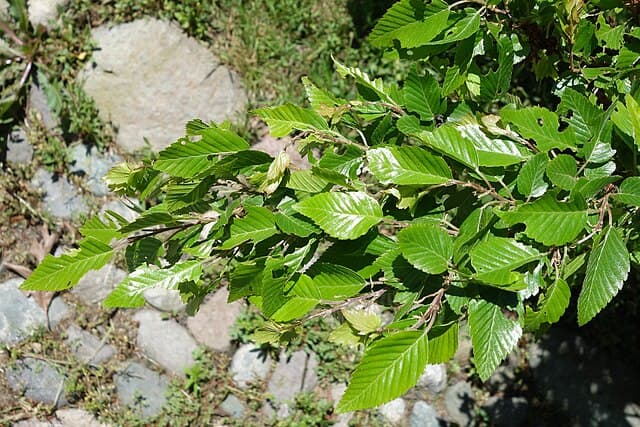
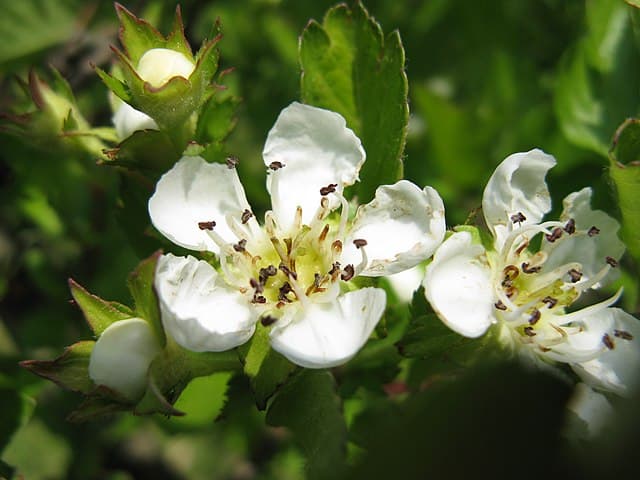
Crataegus species, commonly known as hawthorn (Sanzashi in Japanese), are deciduous thorny shrubs or small trees in the family Rosaceae, distributed across the temperate Northern Hemisphere. Chinese hawthorn (Crataegus pinnatifida) has been cultivated in China for over two millennia both for its tart, apple-like fruits and for medicinal use. In spring, the branches bear masses of small white five-petaled flowers; in autumn, clusters of red to orange berries ripen and persist through winter. The bark roughens and becomes deeply furrowed with age. In bonsai, hawthorn is a classic three-season specimen: spring flowers, autumn fruits, and autumn foliage color, with sharp thorns adding to its wild character.
Basic Info
Origin
Temperate Northern Hemisphere (China, Europe, North America, Japan)
Lifespan
100+ years
Size
15-50cm (bonsai size)
Temperature
-5〜35℃
Diet
Fertilizer (regular)
Care Guide
Placement
Full sun outdoors. Very cold hardy
Watering
Prefers slightly moist. Watch for water shortage
Styling
Prune carefully around thorns. Shape to display fruit
Notes
Prone to aphids. Apply preventive spraying
BeginnerFloweringFruit bearingAutumn color
Hawthorn FAQ
QHow difficult is it to keep Hawthorn?
A
Beginner. This is a beginner-friendly species. No special equipment or experience is required, and it can be kept successfully with basic care setup.
QWhat is the ideal temperature for Hawthorn?
A
The ideal temperature for Hawthorn is -5〜35℃. Avoid sudden temperature changes and maintain a stable environment.
QWhat is the lifespan of Hawthorn?
A
The average lifespan of Hawthorn is 100+ years. With proper care and nutrition, they can live a long and healthy life.
Hawthorn Q&A
Find listings for this species