Source: Wikimedia Commons
Japanese Yew
BeginnerTaxus cuspidata
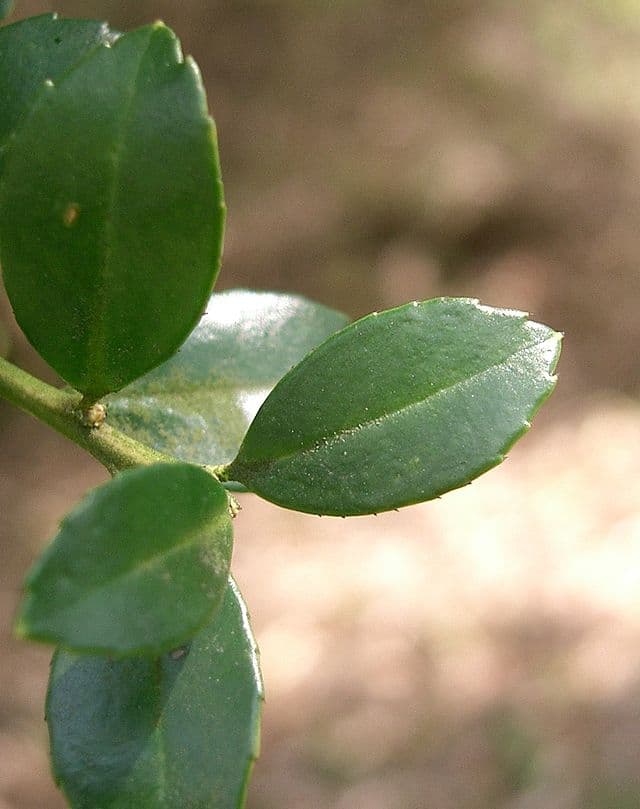
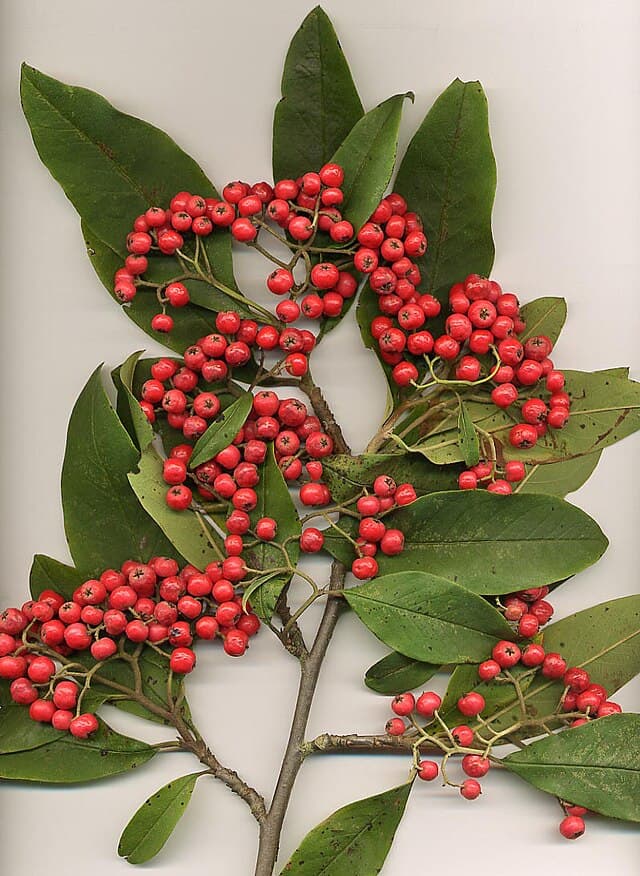
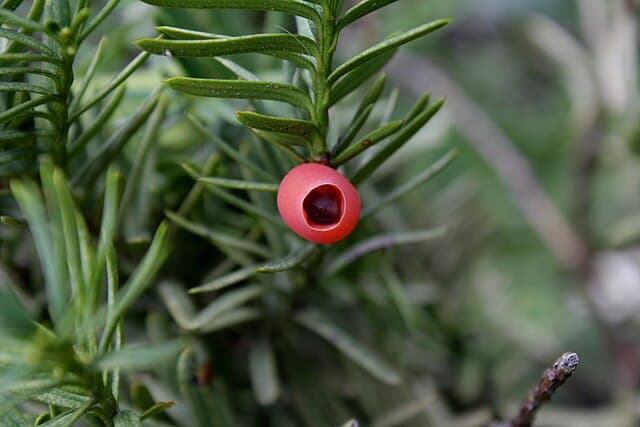
Named after the highest court rank in Japan. Beautiful red berries and dark green needles. Hardy in cold climates with slow growth, ideal for long-term bonsai.
Difficulty
Beginner
Temperature
-5〜35℃
Lifespan
Centuries or more
Size
10-60cm (bonsai size)
Diet
Fertilizer (regular)
About
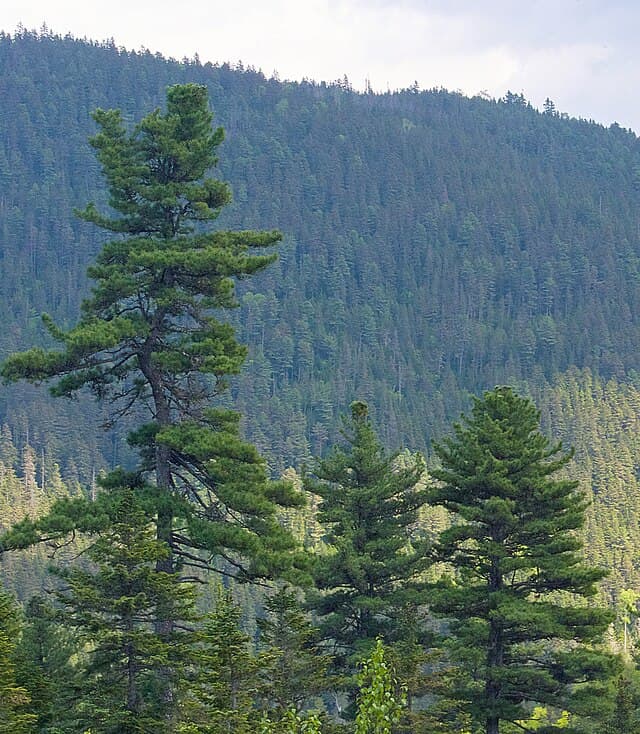
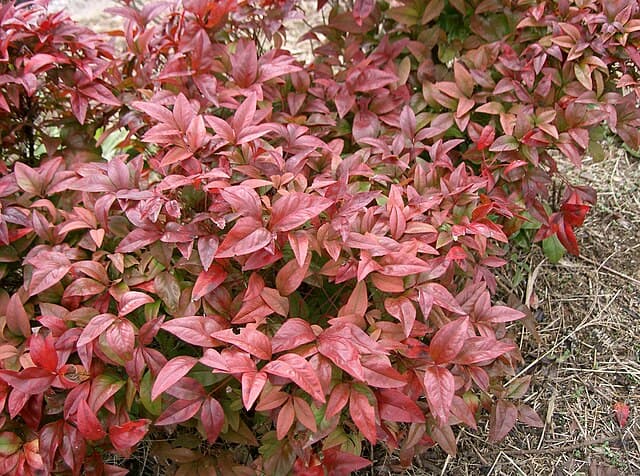
Japanese yew may refer to:Taxus cuspidata, a species of yew native to Japan, Korea, and Manchuria and cultivated as an ornamental plant Podocarpus macrophyllus, a yew-like conifer native to southern Japan and southern and eastern China also cultivated as an ornamental plant
Source: Wikipedia (CC BY-SA 4.0)
Basic Info
Origin
Japan, Korean Peninsula, China, and Russian Far East
Lifespan
Centuries or more
Size
10-60cm (bonsai size)
Temperature
-5〜35℃
Diet
Fertilizer (regular)
Care Guide
Placement
Semi-shade to full sun. Very cold-hardy
Watering
Water thoroughly when topsoil dries. Prefers slightly moist
Styling
Prune lightly due to slow growth. Natural form is beautiful
Notes
Berries are toxic, handle with care. Ensure air circulation
BeginnerConiferRed berriesCold-hardy
Japanese Yew FAQ
QHow difficult is it to keep Japanese Yew?
A
Beginner. This is a beginner-friendly species. No special equipment or experience is required, and it can be kept successfully with basic care setup.
QWhat is the ideal temperature for Japanese Yew?
A
The ideal temperature for Japanese Yew is -5〜35℃. Avoid sudden temperature changes and maintain a stable environment.
QWhat is the lifespan of Japanese Yew?
A
The average lifespan of Japanese Yew is Centuries or more. With proper care and nutrition, they can live a long and healthy life.
Japanese Yew Q&A
Find listings for this species