Tegu Care Guide | How to Live with an Intelligent Large Lizard
The tegu (Tegu) is a large lizard native to South America, renowned for possessing top-tier intelligence among reptiles. Many individuals recognize their keeper by sight, approaching when called by name, earning the nickname "the dog of reptiles." Their personable nature and impressive physique have made them increasingly popular worldwide as an introductory species for large reptile keeping. However, adult tegus exceed 120cm in total length, making comprehensive knowledge and preparation essential before taking one home.
This article focuses on the Argentine Black & White tegu (Salvator merianae), the most widely available tegu species in the pet trade, providing comprehensive information necessary for responsible care.
The genus Salvator and Tupinambis contain multiple tegu species, but the main species available in the pet trade are as follows:
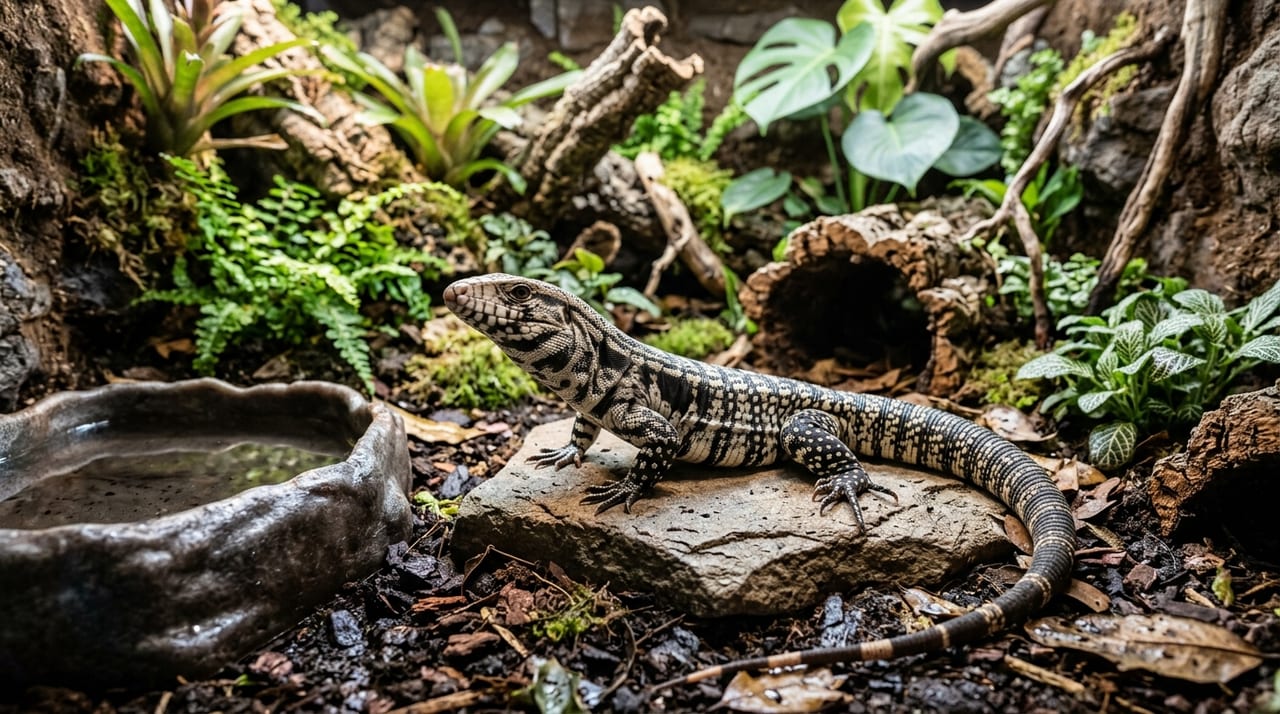
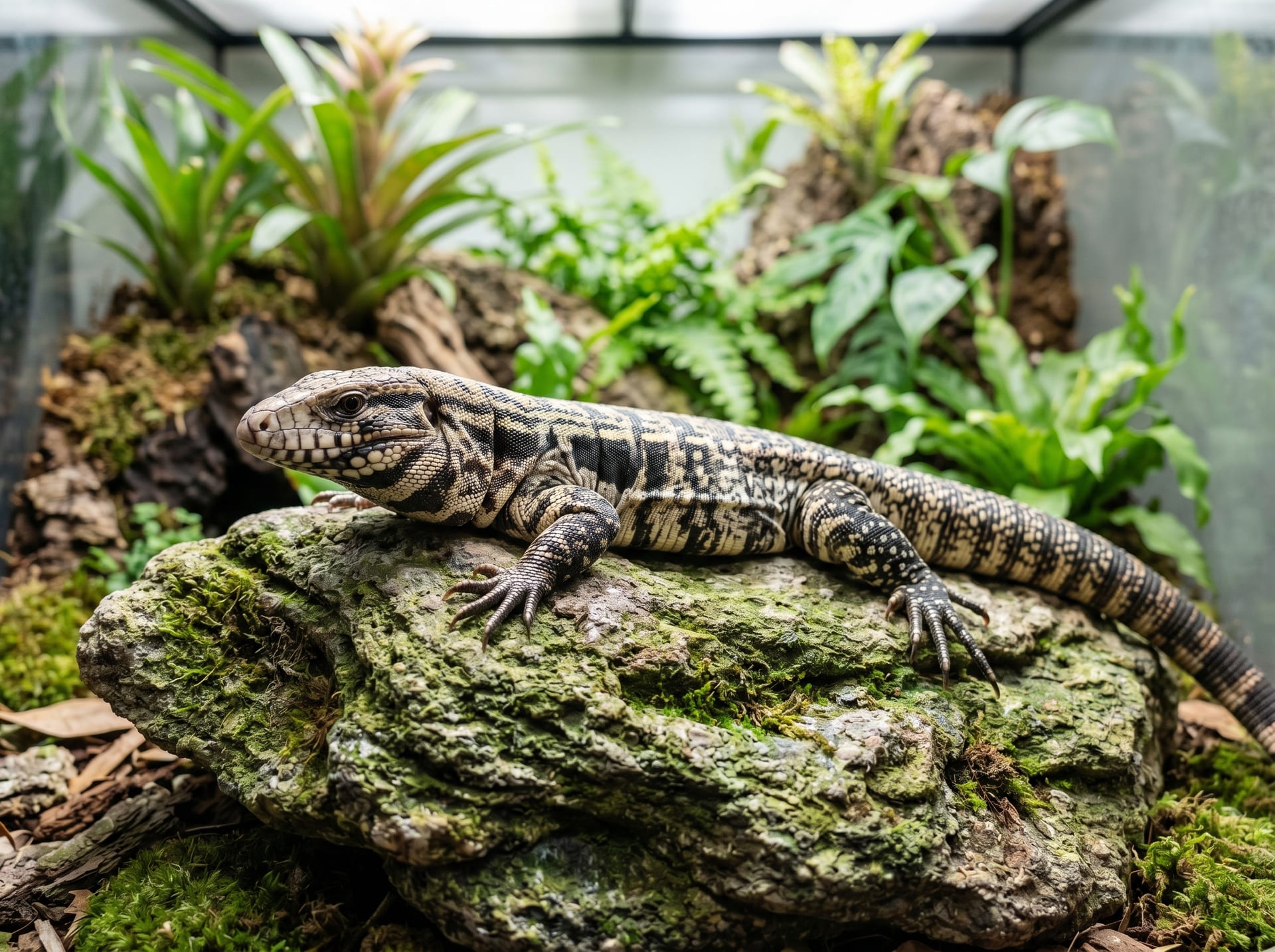
Argentine Black & White Tegu
The most common pet tegu, characterized by distinctive beaded patterns of white and black. Adult males reach total lengths of 120–140cm and weigh 7–10kg. Females are slightly smaller at 100–120cm. Many individuals have calm temperaments and become extremely tame when raised from hatchlings.
- Total Length: Males 120–140cm, Females 100–120cm
- Weight: Males 7–10kg, Females 3–6kg
- Lifespan: 15–20 years in captivity
- Diet: Omnivorous (insects, fruit, eggs, chicken, etc.)
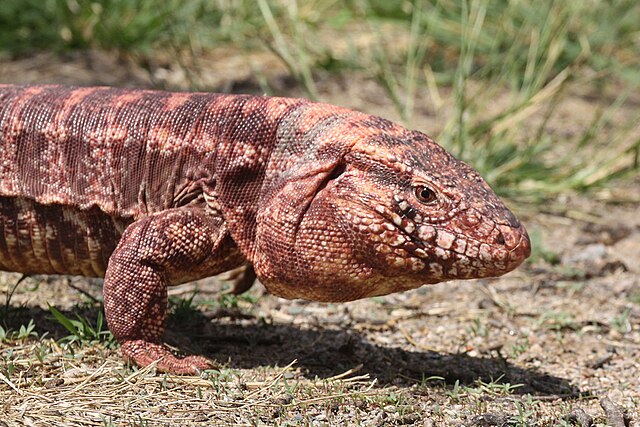
Red Tegu (Argentine Red Tegu)
A close relative of the Argentine Black & White tegu, distinguished by beautiful reddish coloration. Size and care methods are largely similar to Black & White tegus, though individuals tend to be somewhat more nervous.
Colombian Gold Tegu
Smaller than Black & White and Red tegus (approximately 80–100cm total length), with characteristic golden-toned coloring. Many individuals have more aggressive temperaments, requiring more time for habituation to handling. Argentine species are recommended for beginners.
Colombian Blue Tegu (Tupinambis nigropunctatus)
Related to the Colombian Gold tegu, distinguished by bluish, glossy coloration. Total length is approximately 80–110cm, smaller than Argentine species but with robust build. Wild-natured and requiring patience even with captive-bred individuals. Care management follows the Gold tegu model, though humidity requirements are somewhat higher (65–80%). Domestic availability in Japan is limited; always verify captive-bred (CB) status when encountered.
Tegu Species Comparison Table
Prices vary based on availability, size, and whether specimens are captive-bred (CB).
| Species | Total Length | Lifespan | Price Range | Tameability | Beginner-Friendly |
|---|
| Argentine B&W | 100–140cm | 15–20 years | ¥80,000–150,000 | ◎ | ◎ |
| Red Tegu | 100–130cm | 15–20 years | ¥100,000–200,000 | ○ | ○ |
| Colombian Gold | 80–100cm | 12–18 years | ¥40,000–80,000 | △ | △ |
| Colombian Blue | 80–110cm | 12–18 years | ¥20,000–50,000 |
The Argentine B&W is most recommended for first-time tegu owners due to widespread availability and calm temperament.
Tegu Pricing and Market Value
Tegu prices vary significantly based on species, morph, and availability. Domestic price ranges are as follows:
- Argentine Black & White Tegu (Hatchling): Approximately ¥80,000–150,000
- Red Tegu (Hatchling): Approximately ¥100,000–200,000
- Blue Tegu: ¥150,000–300,000
- Rare Morphs (Albino, etc.): ¥300,000+
- Colombian Gold Tegu: ¥40,000–80,000 (affordable but more aggressive temperament)
Captive-bred (CB) individuals command higher prices than wild-caught (WC) imports but are strongly recommended for beginners due to superior tameness and health status. Beyond purchase price, budget ¥100,000–200,000 for initial setup (large enclosure, heating, UVB equipment), plus monthly feeding costs of ¥5,000–10,000.
Tegu Lifespan
Tegus live 15–20 years in captivity, with exceptional individuals exceeding 20 years under meticulous care. Wild lifespans average ~10 years due to predation and environmental fluctuations, demonstrating how proper captive care significantly extends longevity.
Four key factors for longevity:
- Preventing Obesity: Restrict adult feeding to 2–3 times weekly; minimize fatty foods
- UVB and Temperature Gradients: Essential for preventing metabolic bone disease (MBD)
- Proper Hibernation (Brumation) Management: Respect natural circannual rhythms through temperature management
- Annual Veterinary Checkups: Regular examination by exotic animal veterinarians
Their dog-like intelligence and deep capacity for bonding make them worth considering as a nearly two-decade commitment.
Enclosure and Environment Setup
Tegus are active, large lizards requiring spacious enclosures.
Enclosure Size Guidelines
- Hatchlings (–40cm): Approximately 90×45×45cm enclosure
- Juveniles (40–80cm): 120×60×60cm or larger
- Adults: Minimum 240×120×90cm (custom enclosure or dedicated room typically required)
Enclosure Material: Glass vs. Wood
Glass reptile enclosures work well for hatchlings—humidity is visible and weight provides stability. However, glass retains heat poorly; substrate with better insulation becomes advantageous as tegus grow larger.
Custom wooden enclosures are the most practical option for adults. Using plywood (OSB or construction plywood) with waterproof interior finish (epoxy paint or polyurethane) creates durability against moisture and waste. Key points for custom enclosures:
- Interior dimensions of 240×120×90cm or larger
- Front-opening design (sliding or glass doors) simplifies management
- Thorough waterproofing of floor and lower side panels
- Ventilation openings above basking spots
- Thick floor boards (12mm+) to accommodate deep substrate
Substrate
Substrate quality is among the most critical environmental factors in tegu keeping. Tegus naturally burrow and rest underground, making diggable substrate depth essential.
- Recommended: Coconut fiber and cypress mulch mix (15–30cm depth)
- Alternative: Mixed garden red soil and coconut husk
- Insufficient substrate depth causes stress; 30cm+ is ideal during brumation
Shelters and Water Bowl
Provide at least one large shelter for hiding. Water bowls must be large enough for full submersion—tegus enjoy soaking and often defecate in water, requiring daily changes.
For detailed enclosure guidance, see Complete Reptile Enclosure Selection Guide.
Temperature, Humidity, and Lighting Management
Temperature Settings
- Basking Spot: 40–45℃ (tegus prefer high basking temperatures)
- Warm Side of Enclosure: 28–32℃
- Cool Side of Enclosure: 24–26℃
- Nighttime: 20–24℃
Risks of Nighttime Temperatures Below 20℃: As ectotherms, tegus experience dramatically reduced digestive activity when exposed to cold. Exposure to temperatures below 20℃ within 24 hours of feeding risks impaction and infection. Maintain floor surface temperatures above 20℃ using heating cables or panels.
Thermostat Selection
Thermostats are essential. Understand these two types:
- ON/OFF Type (Basic Thermostat): Switches off at setpoint, turns on when temperature drops. Affordable and suitable for lamp heating, though temperature fluctuates ±2–3℃
- Proportional Control Type (PWM/Proportional): Fine-tunes power output for stable temperature. Precise but expensive. Recommended for high-precision basking control or breeding adults
ON/OFF thermostats suffice for beginners; proportional types benefit breeding programs.
Humidity Management
Ideal humidity is 60–80%. Mist substrate regularly; insufficient humidity risks shedding complications and digit necrosis.
UVB Lighting
UVB is essential for tegu health, enabling vitamin D3 synthesis and calcium absorption.
Ferguson Zone and UVI Concept: "Ferguson Zone" indices now standardly indicate reptile UVB requirements. Tegus classify as Zone 3–4, requiring UVI (UV Index) 3–6 exposure. This is achieved using 10.0–12.0% linear-type UVB lamps at manufacturer-recommended distances (30–45cm).
- Recommended UVB Output: 10.0–12.0% linear-type
- Photoperiod: 12–14 hours summer, 8–10 hours winter (seasonal cycling)
- Replacement Frequency: Every 6–12 months (UVB output degrades before visible failure)
For detailed UVB and metabolic bone disease information, see Reptile UVB, Calcium, and MBD Explained; lamp comparisons at Recommended UVB Lamp Comparison.
Diet Management | Balanced Nutrition Through Omnivory
Hatchling to Juvenile Stage (0–2 years)
Rapid growth demands elevated animal protein.
- Food Composition: 70% Animal / 20% Fruit / 10% Vegetable
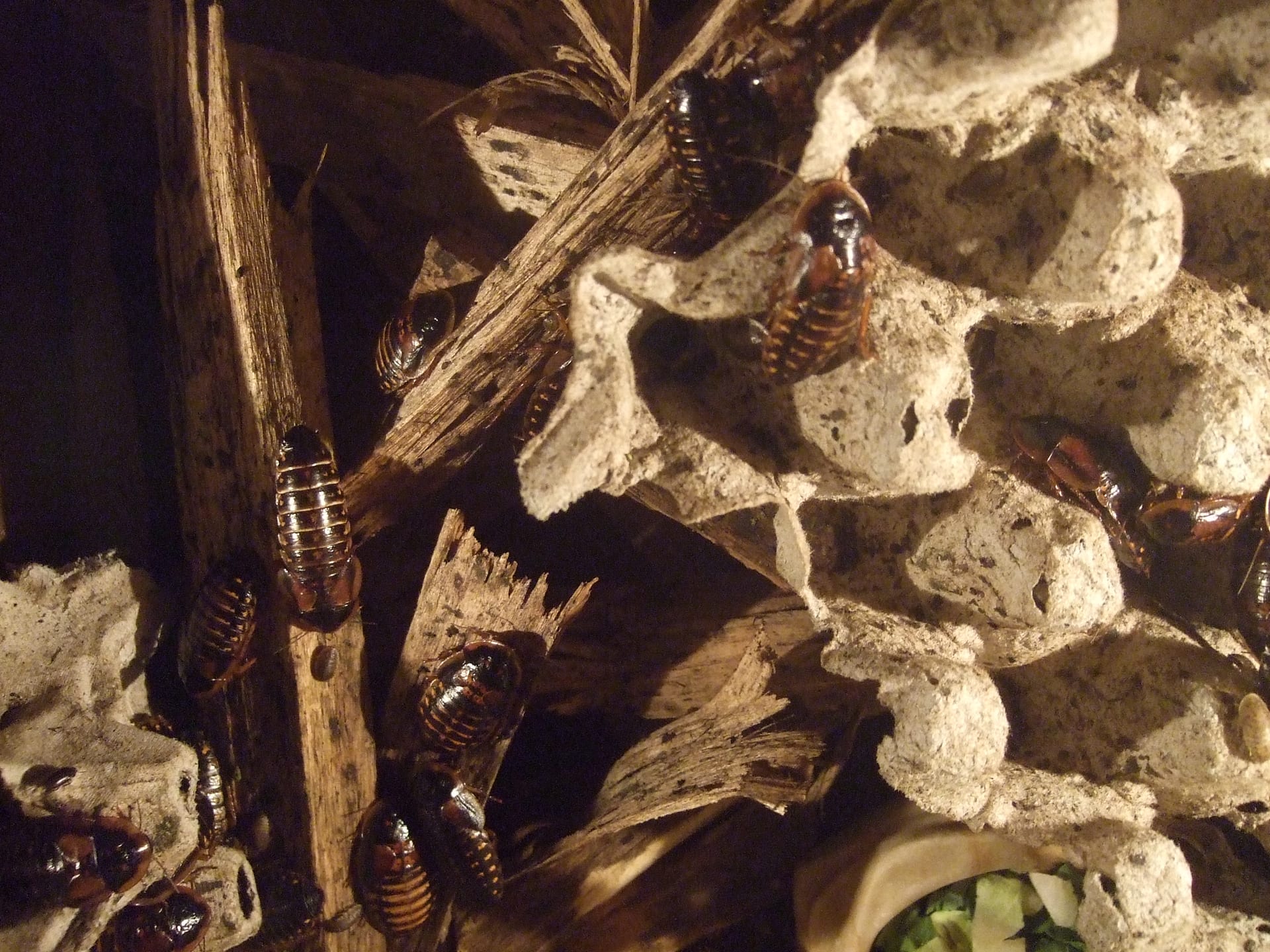
- Animal Protein: Crickets, dubia roaches, mealworms, silkworms, pinky mice (weekly)
- Fruits: Banana, mango, blueberry, papaya, fig
- Vegetables: Bok choy, Chinese cabbage, squash, green beans
- Feeding Frequency: Daily to every other day
Importance of Hatchling Feeding Records: Growth rates are rapid; weekly weight and diet tracking enable early detection of growth abnormalities or anorexia. Sudden appetite drops warrant investigation of temperature, humidity, or stressors.
Adult Stage (2+ years)
- Food Composition: 40% Animal / 30% Fruit / 30% Vegetable
- Animal Protein: Cooked chicken breast, whole eggs, insects, mice (1–2 monthly)
- Feeding Frequency: 3–4 times weekly
Egg Administration (Raw vs. Cooked): Whole eggs are highly preferred by tegus but require careful preparation. Egg white contains avidin, which inhibits biotin (vitamin B7) absorption; cooked or shell-on cooked eggs are recommended. Shells provide abundant calcium when consumed. If offering raw eggs, limit to yolks only and keep to weekly frequency.
Fruit and Honey Sugar Risks: Though highly palatable, overfeeding sugary fruits like bananas and mangoes elevates obesity, fatty liver, and gout risks. Honey similarly should be limited to occasional treats. Rotate fruit varieties and keep fruit to under 30% of total diet.
Foods to Avoid
- Avocado: Toxic to reptiles
- Excessive Citrus: Harsh on digestive tract
- Dog/Cat Food: Excessive salt and additives burden kidneys long-term
- Processed Meats: Excessive sodium
Hibernation (Brumation) Management
The most distinctive trait of tegu husbandry is hibernation (brumation).
Signs of Brumation Approach
Autumn (October–November) brings reduced appetite, decreased activity, and loss of interest in basking.
Brumation Transition: Gradual Temperature Reduction Schedule Example
| Period | Enclosure Temperature | Management Notes |
|---|
| Early October | Normal | Observe appetite changes |
| Mid–Late October | Basking 38℃, Cool side 22℃ | Halve food; 2-week fasting period to clear digestive tract |
| Early November | Basking 32℃, Cool side 20℃ | Warm bath for defecation before fasting transition |
| Mid–Late November | Overall 18–20℃ | Reduce UVB to 8 hours/day |
| December–January | Overall 15–18℃ | Brumation proper; maintain water only |
| February–March | Gradually return to normal | Resume feeding in small amounts |
Acceptable Weight Loss During Brumation: Healthy tegus maintain metabolism and gradual weight loss during hibernation. Weight loss of 10–15% from pre-brumation levels is normal. Greater loss (especially exceeding 20%) or continued anorexia post-brumation warrants veterinary consultation. Record pre-brumation weight strongly recommended.
Bypassing brumation is possible, though some argue it complicates future breeding and raises long-term health concerns.
Handling and Socialization
Hatchling Handling
Allow 3–5 days post-acquisition for acclimation before handling. Begin short 5–10 minute sessions daily. Offer your hand and wait for voluntary mounting rather than chasing. Reward post-handling with food to condition "hand = good things."
Adult Handling
Well-acclimated adult tegus tolerate free-roaming in rooms. However, note:
- Sharp claws require monthly-biweekly trimming
- Adult male tails strike with considerable force
- Wash hands before handling (food odor can trigger bites)
- Avoid dog/cat contact (serious injury risk)
Acquisition: CB vs. WC Specimens
CB (Captive-Bred) vs. WC (Wild-Caught) distinction is critical.
- CB (Captive Bred): Bred in captivity. Lower disease/parasite risk, better temperament, verifiable health history available
- WC (Wild-Caught): Field-collected. May be cheaper but carry higher risk of transport stress, internal parasites, and latent pathogens. Extensive time required for habituation
CB specimens are strongly recommended. Price premiums are justified by health advantages and handling ease, providing superior long-term value.
Common Diseases and Health Management
Tegus are hardy but captive-environment deficiencies may cause:
- Metabolic Bone Disease (MBD): UVB/calcium deficiency; especially common in hatchlings
- Obesity: Adult overfeeding causes rapid weight gain, risking fatty liver and cardiac disease
- Respiratory Infection: Low temperature/humidity environments trigger onset. Mouth-open breathing, nasal discharge, or wheezing demand immediate veterinary attention
- Incomplete Shedding: Humidity deficiency causes digit and tail-tip necrosis
- Cryptosporidium Infection (Crypto): Protozoan infection causing chronic weight loss, vomiting, and anorexia. PCR screening at purchase is strongly recommended. Particularly critical for WC or unknown-source individuals. Currently difficult to cure, with multi-animal infection risks in group settings
- Internal Parasites: Hatchlings may arrive parasitized. Veterinary fecal examination recommended
Annual exotic veterinary checkups are strongly advised. Locate tegu-capable practitioners before acquisition.
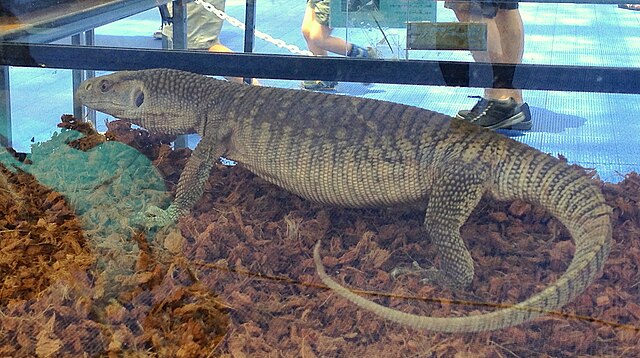
Temperature and UVB fundamentals: Reptile Temperature and UVB Lighting Basics. Large lizard comparisons: Savannah Monitor Care Guide and Nile Monitor Care Guide.
Get a Healthy Tegu from a Breeder Through BreederDirect
Tegus are long-lived, intelligent reptiles capable of forming profound bonds with caretakers—a rare gift among reptiles. Maximizing this potential begins with obtaining a healthy, people-socialized CB individual from a trustworthy breeder.
BreederDirect connects you with specialized tegu breeders who raise CB individuals with proper care. Selecting hatchlings already handled from infancy minimizes post-acquisition stress and fosters rapid trust-building. Beyond purchase, ongoing breeder consultation regarding feeding protocols, brumation management, and environment adjustments provides invaluable peace of mind.
Legal Considerations for Tegu Keeping
Tegus are not designated as controlled animals in Japan, requiring no permit (as of 2026). However, certain municipalities maintain unique regulations regarding large reptile ownership; verify local requirements. Apartment/condo leases often restrict reptile keeping.
Escape risk warrants consideration. As non-native species, tegus pose ecological concerns. Florida's invasive tegu population illustrates real-world consequences. Implement robust escape prevention and practice responsible stewardship.
Daily Care: Claw Trimming and Sanitation
Claw Trimming Method
Adult tegu claws are extremely sharp, requiring regular trimming (monthly–biweekly). Use reptile or small-animal nail clippers on transparent nail sections only. Avoid blood vessels (reddish areas) to prevent bleeding; trim gradually in small increments. Tegu movement during trimming poses risk; two-person work is ideal. Unmanaged claws scratch skin and risk breakage on substrate contact.
Enclosure Cleaning Schedule
- Daily: Water bowl cleaning, uneaten food removal, visible waste removal
- Weekly: Substrate surface turnover for fecal removal, shelter washing
- Monthly: Complete substrate change, thorough enclosure cleaning, thermostat/temperature gauge verification
Move tegus to temporary containers during cleaning. Use reptile-safe disinfectant sprays; allow complete drying and ventilation before reintroduction if alcohol-based.
Summary: Pre-Acquisition Checklist
Tegu ownership demands long-term commitment. Confirm the following before acquisition:
- Space accommodates adult size (120–140cm) enclosure
- Brumation management knowledge and equipment available
- 15–20 year care commitment feasible
- Exotic veterinarian access within reasonable distance
- CB (captive-bred) individual commitment
- Cryptosporidium PCR screening arranged at purchase
Beginner reptile comparisons: Top 5 Reptiles for Beginners.
Tegu companionship repays preparation with fulfillment and irreplaceable bond. As of 2026, domestic tegu breeders have expanded, improving CB availability. Begin your tegu journey fully prepared for decades of rewarding shared life.