Reptile & Amphibian Encyclopedia — 80 Species Directory
Encyclopedia of popular reptile and amphibian species with care guides, traits, and pricing.
Featured Reptile & Amphibian
Showing 4 of 80 species
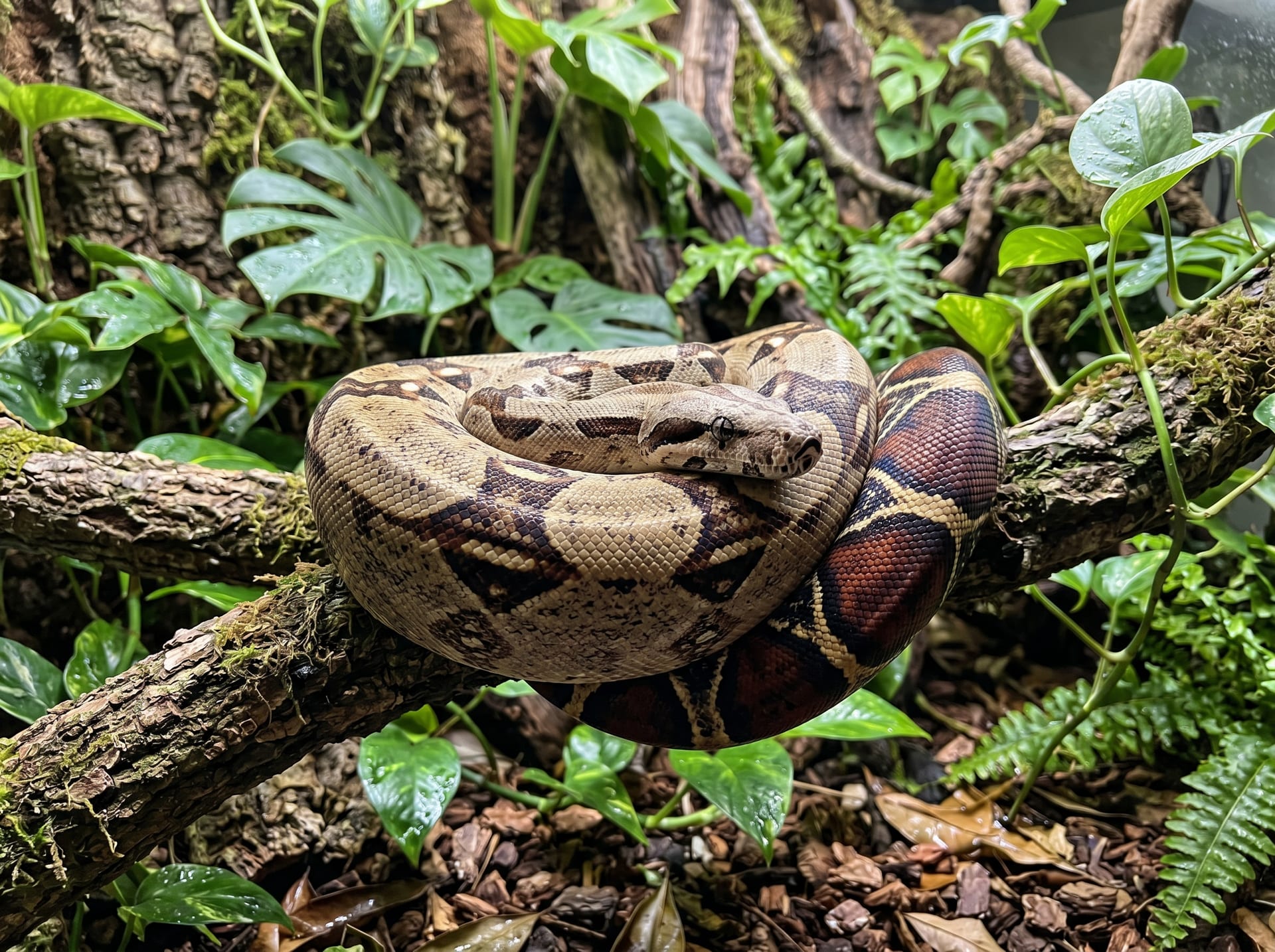
Boa Constrictor
Boa constrictor
Large boa from Central/South America. Grows larger than ball pythons but relatively docile. Morph variety increasing. Colombian boa recommended for beginners.
IntermediateLarge snakeBoa
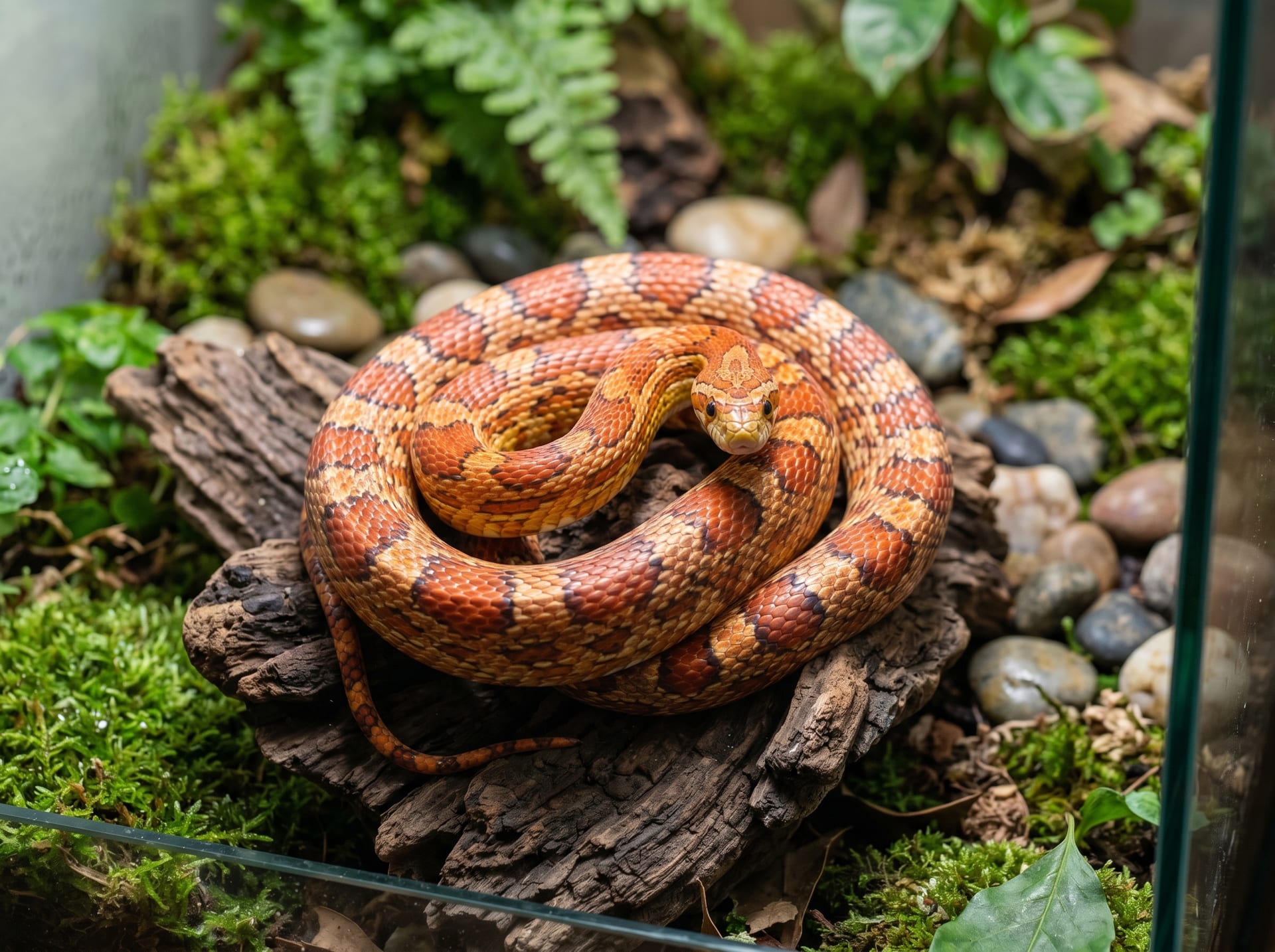
Corn Snake
Corn snake
The most popular beginner snake. Docile temperament and rarely bites. Over 200 color morphs available.
Beginner-friendlySnakeMany morphs
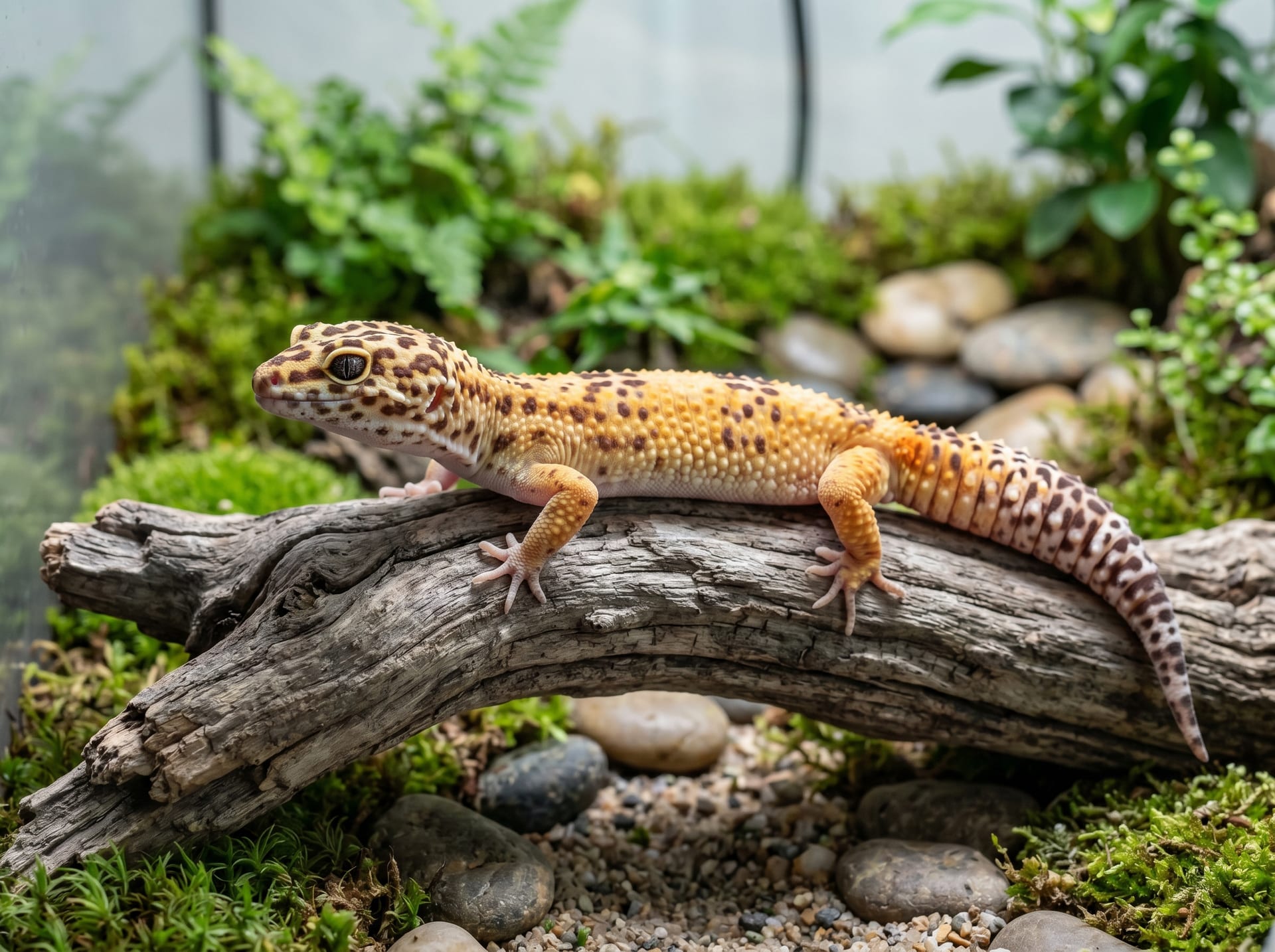
Leopard Gecko
Eublepharis macularius
Perfect entry-level gecko with a docile temperament, minimal space requirements, and extensive morph variety.
Beginner-friendlySmallMany morphs
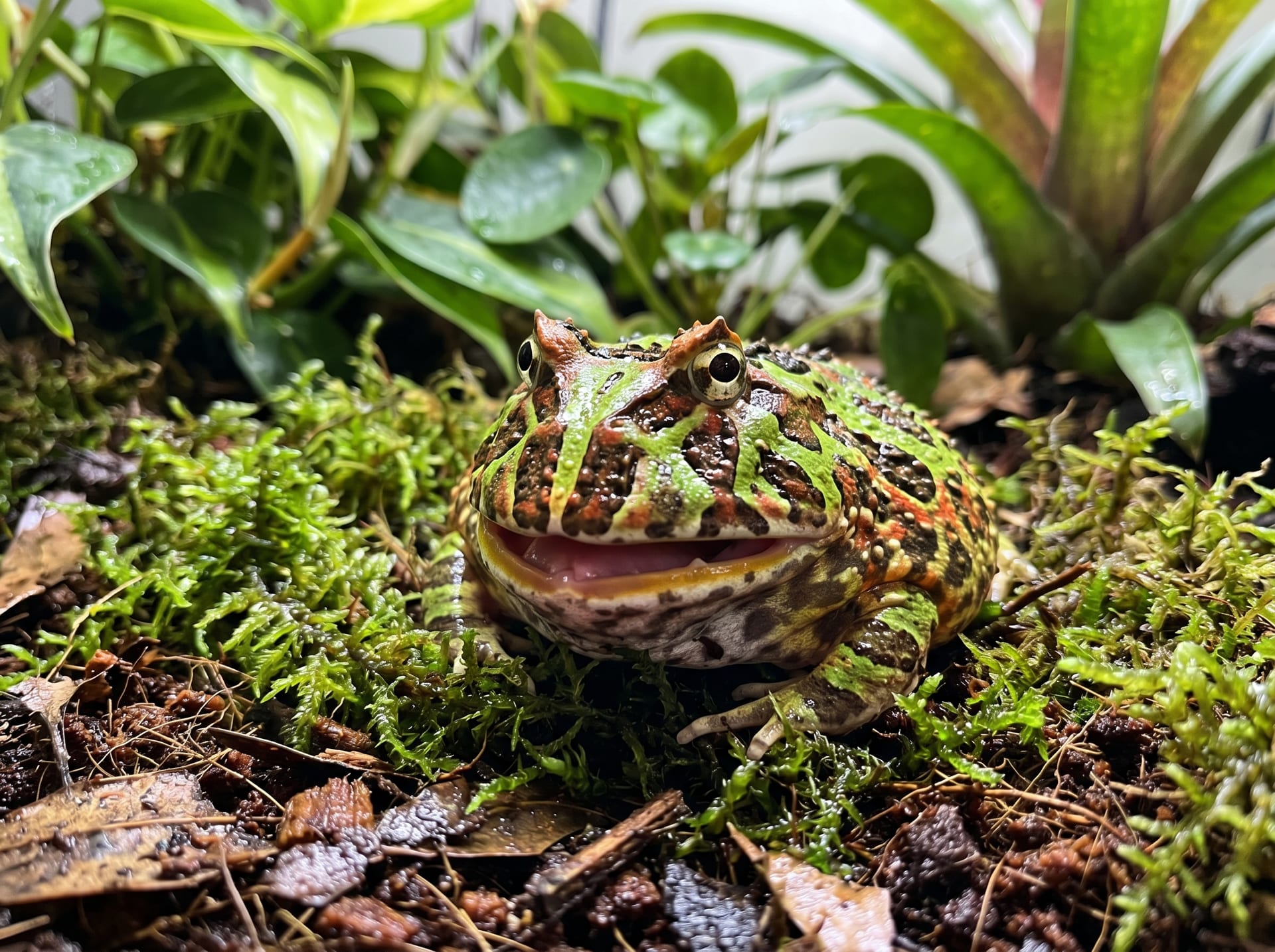
Pacman Frog
Ceratophrys ornata
Popular frog with round body and large mouth resembling Pac-Man. Ambush predator that burrows and waits. Colorful with many morphs. Barely moves — very space-efficient.
Beginner-friendlyFrogSpace-efficient
Related Content
Reptile & Amphibian FAQ
- Can beginners keep reptiles?
- Leopard geckos, corn snakes, and bearded dragons are hardy and easy to care for, making them popular beginner reptiles. Once you learn temperature and humidity management, long-term care is achievable.
- How much do reptiles cost?
- Leopard geckos cost 5,000-30,000 yen, ball pythons 10,000-100,000+ yen, and bearded dragons 10,000-40,000 yen, varying greatly by morph (variety).
- How long do reptiles live?
- Leopard geckos live 15-20 years, ball pythons 20-30 years, bearded dragons 8-12 years, and some tortoises 50+ years. Be prepared for long-term commitment.
- What equipment is needed for reptiles?
- Basic equipment includes an enclosure, heat sources (heat mat/heat lamp), thermometer-hygrometer, UVB light (species-dependent), water dish, and substrate. Proper temperature gradient is most important.
- What should I check when buying reptiles?
- Check that the animal is active, has clear eyes, no stuck shed, and is eating well. Captive-bred (CB) specimens adapt better to captive environments.