Reptile & Amphibian Encyclopedia — 80 Species Directory
Encyclopedia of popular reptile and amphibian species with care guides, traits, and pricing.
Featured Reptile & Amphibian
Showing 4 of 80 species
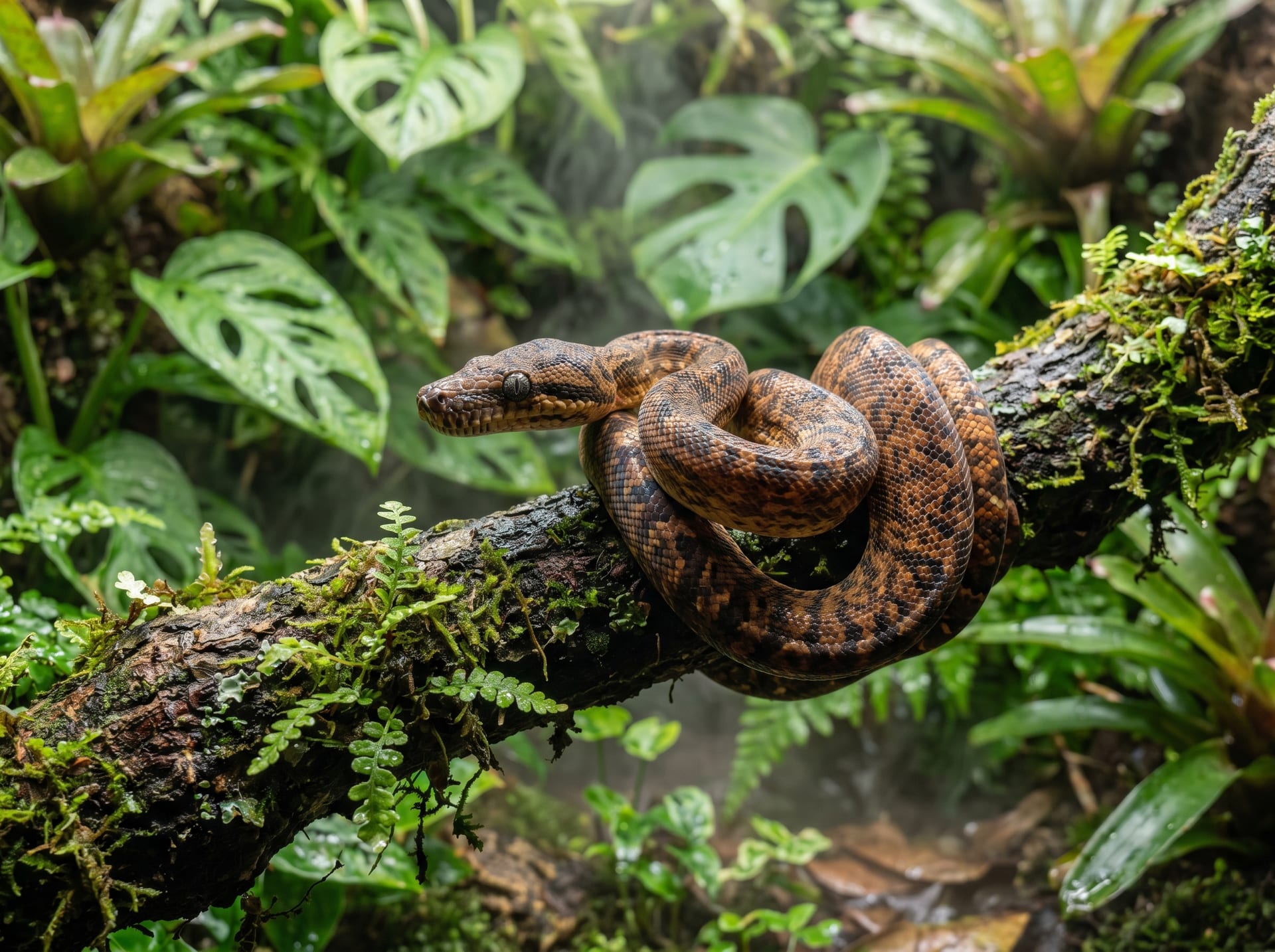
Amazon Tree Boa
Corallus hortulanus
An arboreal boa from South America. Rich color variation including garden phase and colored phases.
Amazon Tree BoaArborealColor morphs
 © Frank Vassen from Brussels, Belgium / CC BY 2.0
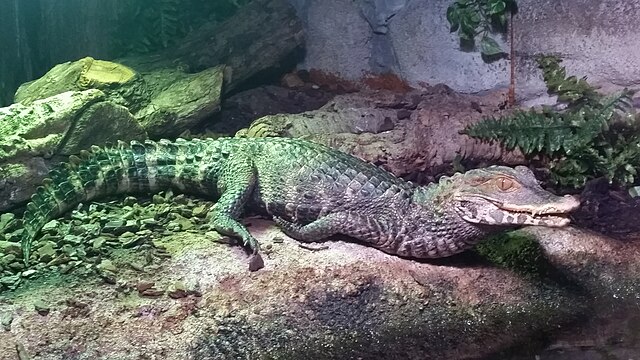
Dwarf Caiman
Paleosuchus palpebrosus
World's smallest crocodilian. Small at max 1.5m, offering special crocodilian keeping experience for experts.
Dwarf CaimanSmallest crocSouth America
 © איתן פרמן / CC BY-SA 3.0
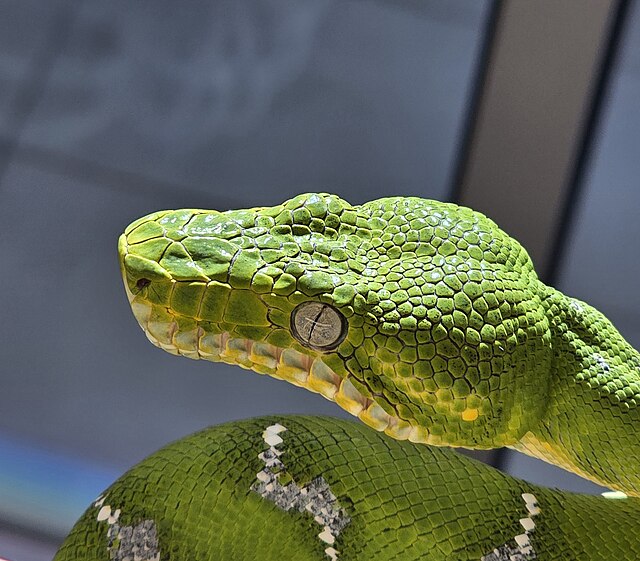
Emerald Tree Boa
Corallus caninus
A stunning arboreal boa with vivid emerald green coloration. Inhabits South American rainforests.
Emerald Tree BoaArborealSouth America
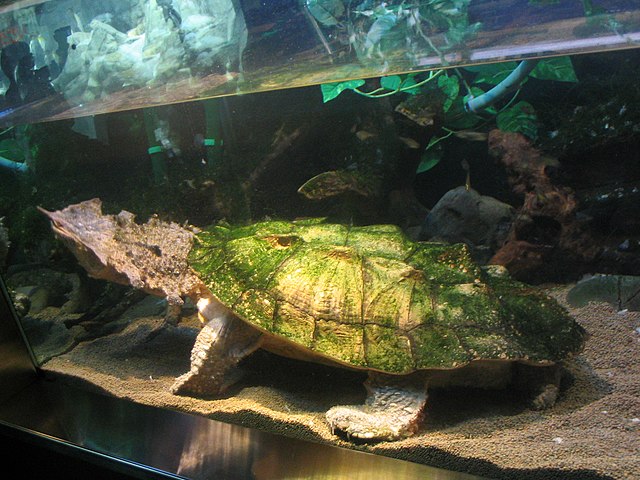
Mata Mata
Chelus fimbriata
A South American aquatic turtle with unique leaf-mimicking appearance. Catches fish by suction with large mouth.
Mata MataAquatic turtleMimicry
Related Content
Reptile & Amphibian FAQ
- Can beginners keep reptiles?
- Leopard geckos, corn snakes, and bearded dragons are hardy and easy to care for, making them popular beginner reptiles. Once you learn temperature and humidity management, long-term care is achievable.
- How much do reptiles cost?
- Leopard geckos cost 5,000-30,000 yen, ball pythons 10,000-100,000+ yen, and bearded dragons 10,000-40,000 yen, varying greatly by morph (variety).
- How long do reptiles live?
- Leopard geckos live 15-20 years, ball pythons 20-30 years, bearded dragons 8-12 years, and some tortoises 50+ years. Be prepared for long-term commitment.
- What equipment is needed for reptiles?
- Basic equipment includes an enclosure, heat sources (heat mat/heat lamp), thermometer-hygrometer, UVB light (species-dependent), water dish, and substrate. Proper temperature gradient is most important.
- What should I check when buying reptiles?
- Check that the animal is active, has clear eyes, no stuck shed, and is eating well. Captive-bred (CB) specimens adapt better to captive environments.