Reptile & Amphibian Encyclopedia — 80 Species Directory
Encyclopedia of popular reptile and amphibian species with care guides, traits, and pricing.
Featured Reptile & Amphibian
Showing 6 of 80 species
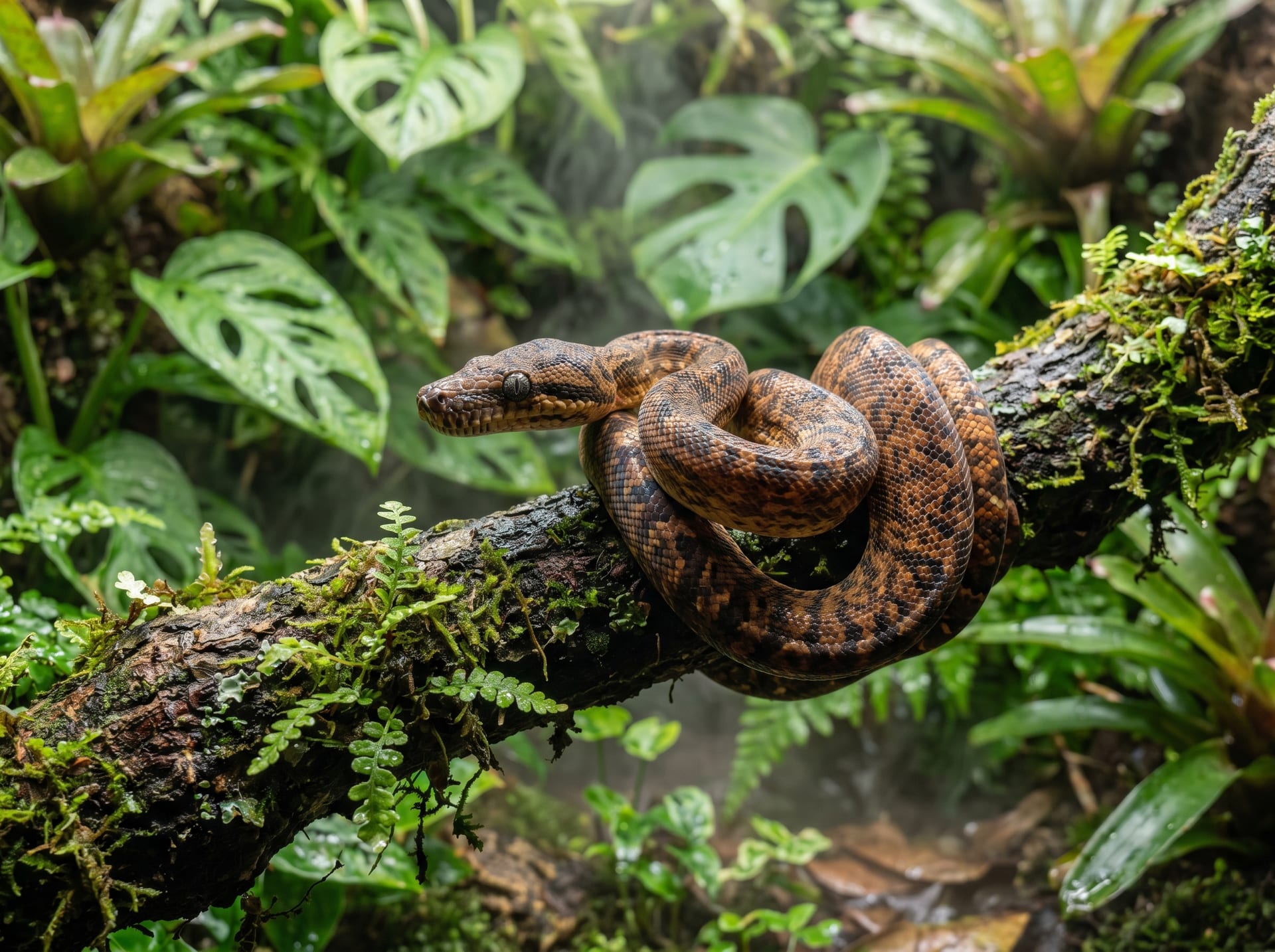
Amazon Tree Boa
Corallus hortulanus
An arboreal boa from South America. Rich color variation including garden phase and colored phases.
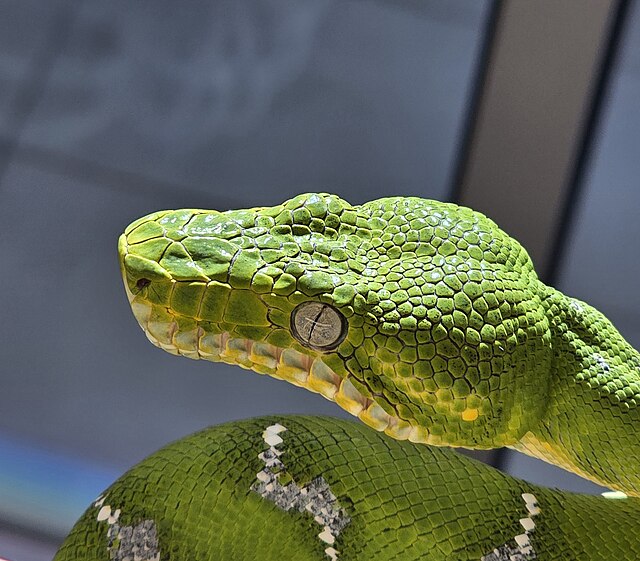 © איתן פרמן / CC BY-SA 3.0
Emerald Tree Boa
Corallus caninus
A stunning arboreal boa with vivid emerald green coloration. Inhabits South American rainforests.
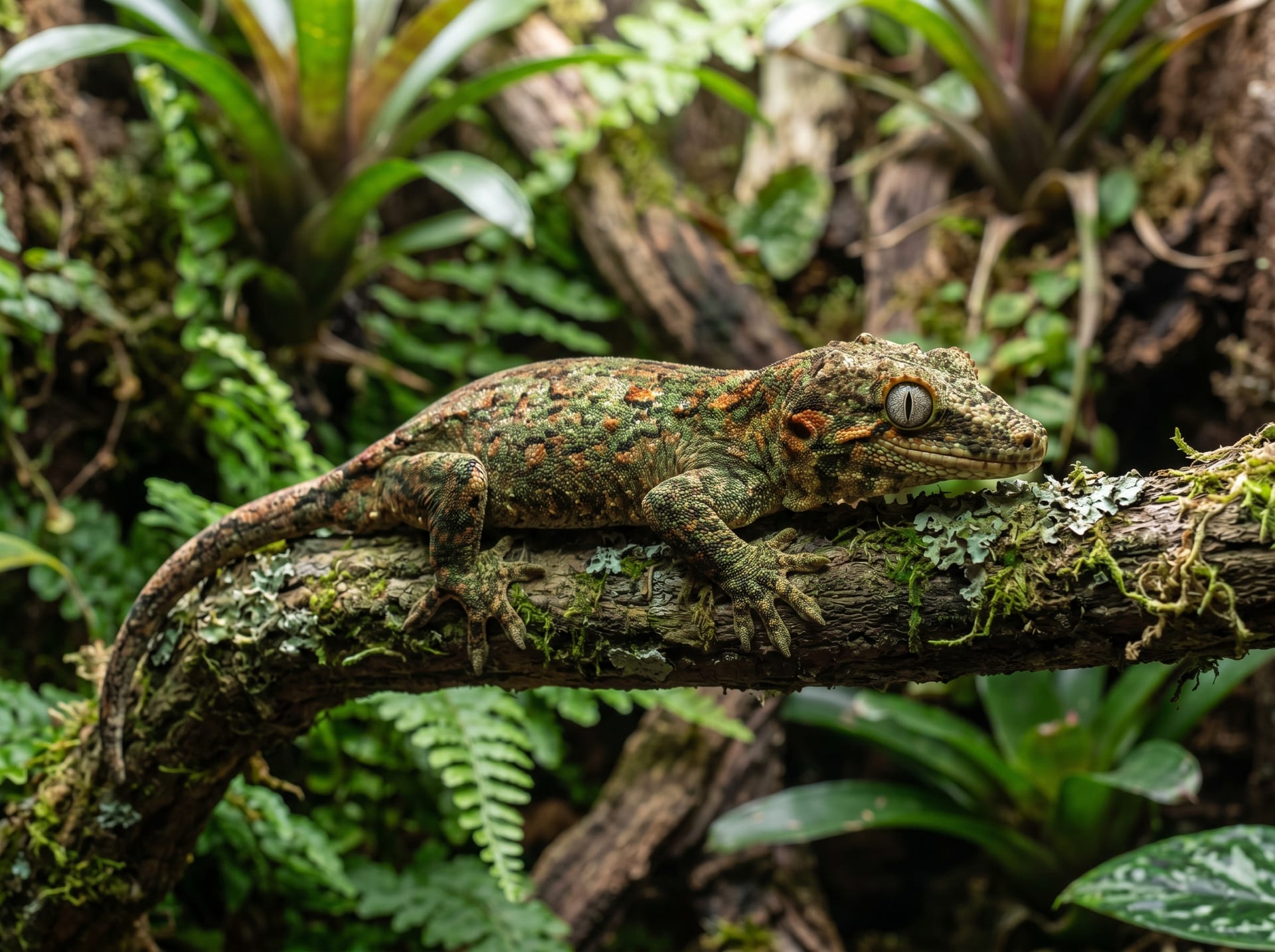
Gargoyle Gecko
Gargoyle gecko
Popular arboreal gecko after crested geckos. Distinctive head bumps. Can be fed commercial diet and can regenerate tails.
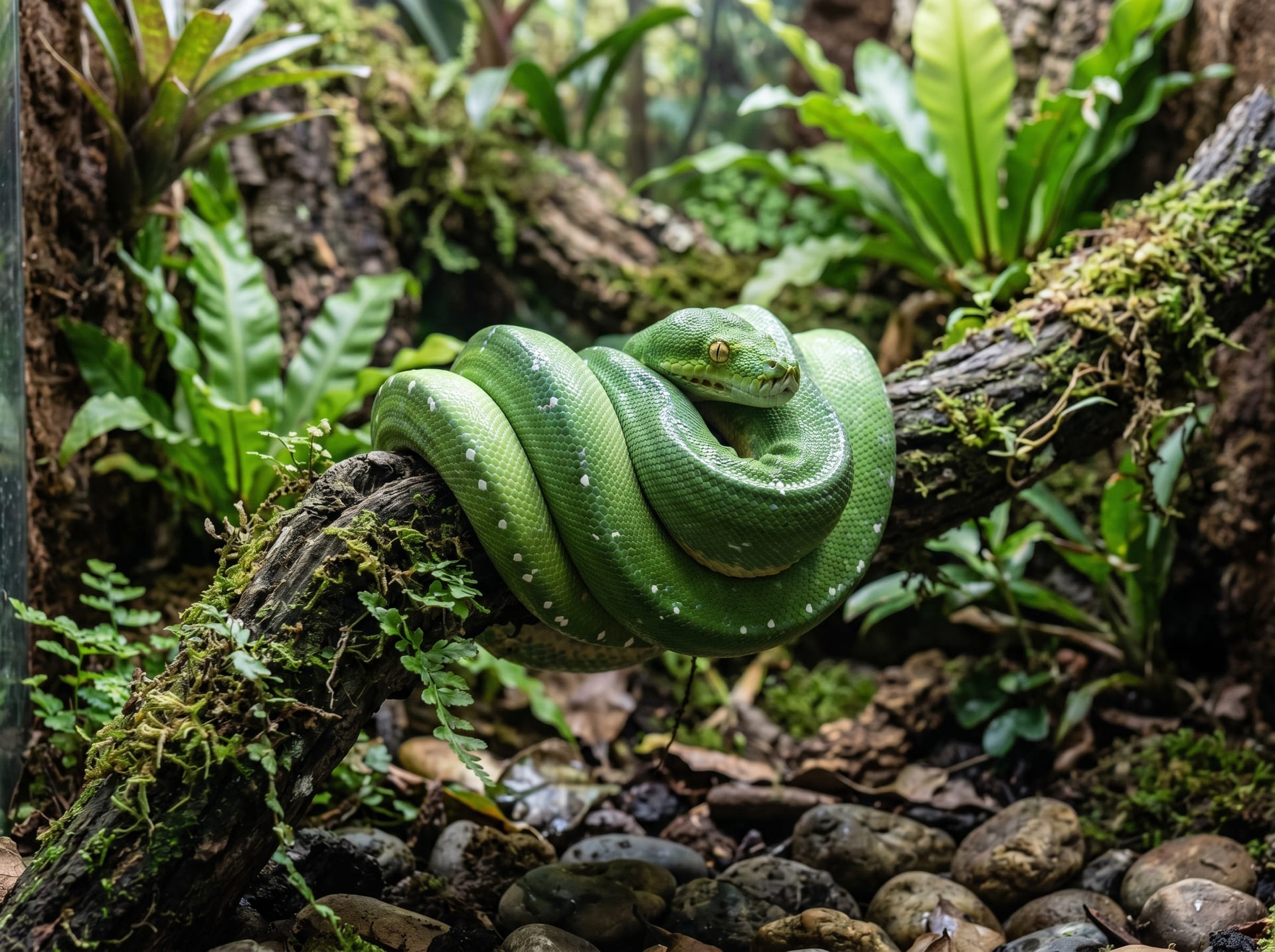
Green Tree Python
Morelia viridis
Stunningly green arboreal python. Distinctive coiled posture on branches. Juveniles change from yellow/brick to green.
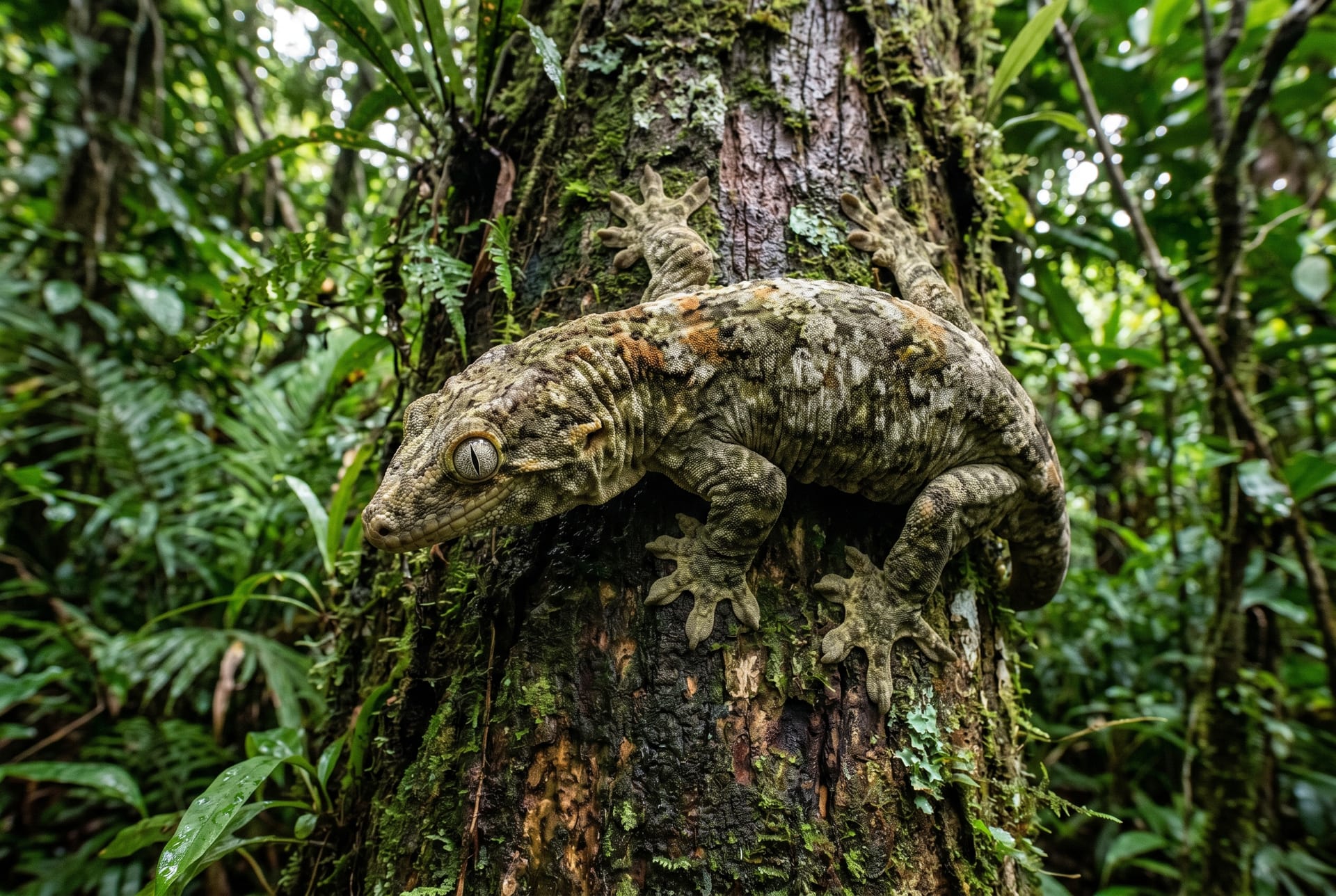
New Caledonian Giant Gecko
Rhacodactylus leachianus
The world's largest gecko, reaching 35-40 cm. Prized for its massive build, plush texture, and low vocalizations, it hails from New Caledonia like the crested and gargoyle geckos.
 © Brian Gratwicke / CC BY 2.0
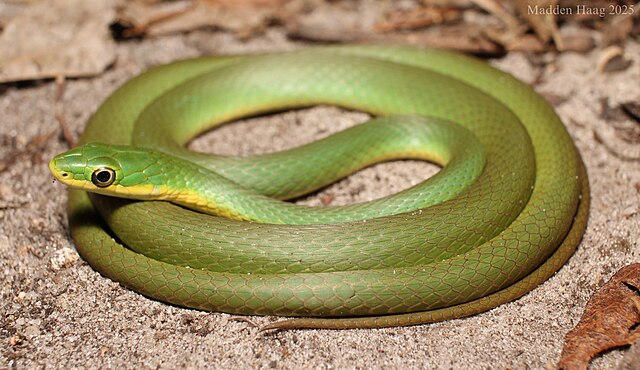
Rough Green Snake
Opheodrys aestivus
A vivid green slender snake. Insectivorous with gentle nature, a beautiful small arboreal species.
Related Content
Reptile & Amphibian FAQ
- Can beginners keep reptiles?
- Leopard geckos, corn snakes, and bearded dragons are hardy and easy to care for, making them popular beginner reptiles. Once you learn temperature and humidity management, long-term care is achievable.
- How much do reptiles cost?
- Leopard geckos cost 5,000-30,000 yen, ball pythons 10,000-100,000+ yen, and bearded dragons 10,000-40,000 yen, varying greatly by morph (variety).
- How long do reptiles live?
- Leopard geckos live 15-20 years, ball pythons 20-30 years, bearded dragons 8-12 years, and some tortoises 50+ years. Be prepared for long-term commitment.
- What equipment is needed for reptiles?
- Basic equipment includes an enclosure, heat sources (heat mat/heat lamp), thermometer-hygrometer, UVB light (species-dependent), water dish, and substrate. Proper temperature gradient is most important.
- What should I check when buying reptiles?
- Check that the animal is active, has clear eyes, no stuck shed, and is eating well. Captive-bred (CB) specimens adapt better to captive environments.