Reptile & Amphibian Encyclopedia — 80 Species Directory
Encyclopedia of popular reptile and amphibian species with care guides, traits, and pricing.
Featured Reptile & Amphibian
Showing 4 of 80 species
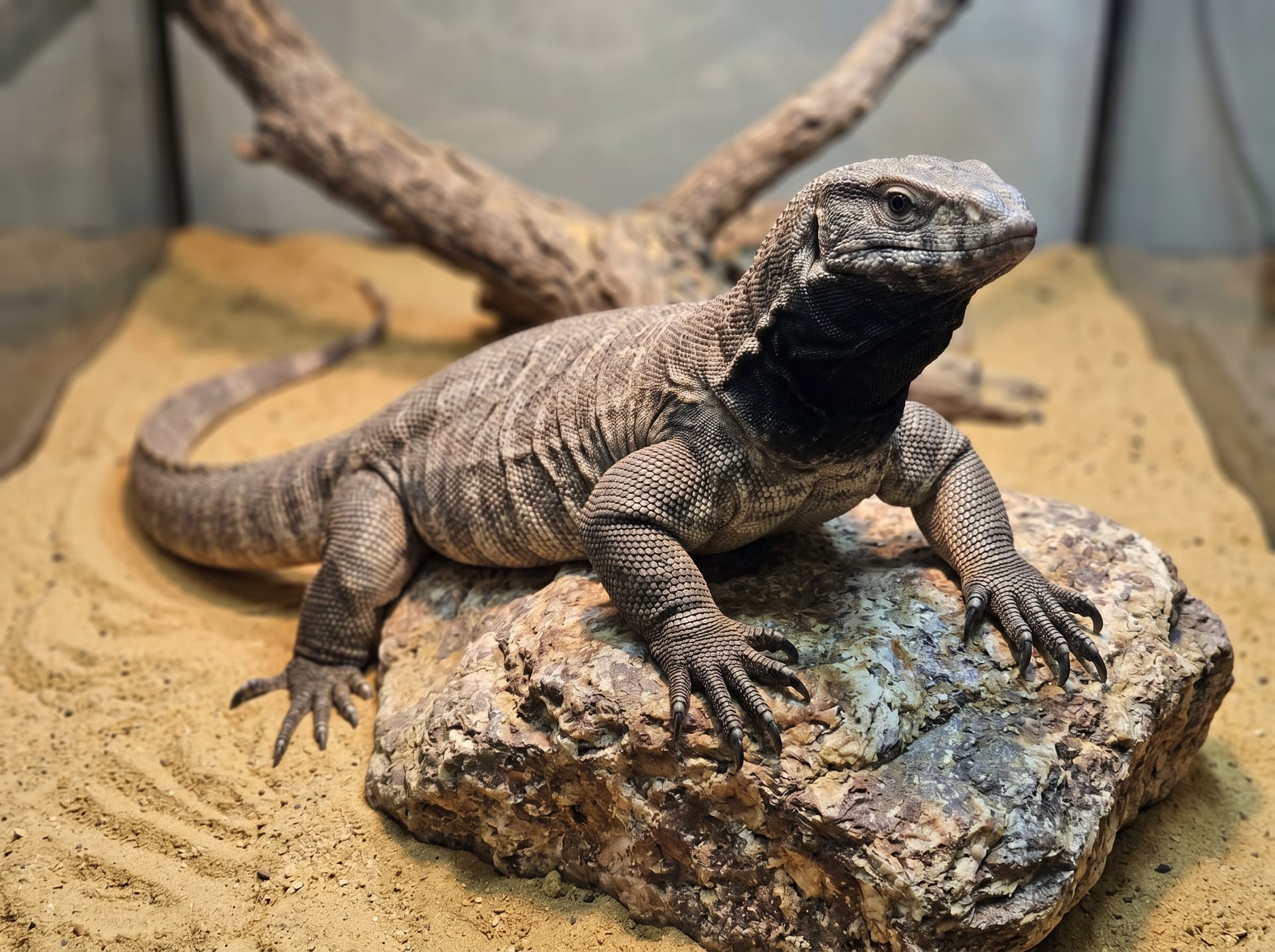
Black Throat Monitor
Varanus albigularis
One of Africa's largest monitors. Many individuals are gentle, relatively manageable among large monitors.
Black ThroatLarge monitorAfrica
 © 池田正樹 ( talk )masaki ikeda / Public domain
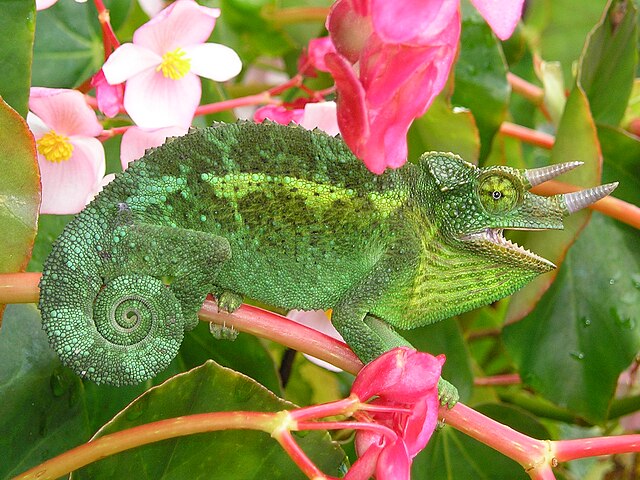
Jackson's Chameleon
Trioceros jacksonii
A chameleon with three horns. From East Africa, relatively easy to keep as a beginner chameleon.
Jackson'sChameleonThree horns
 © Connor Long / CC BY-SA 4.0
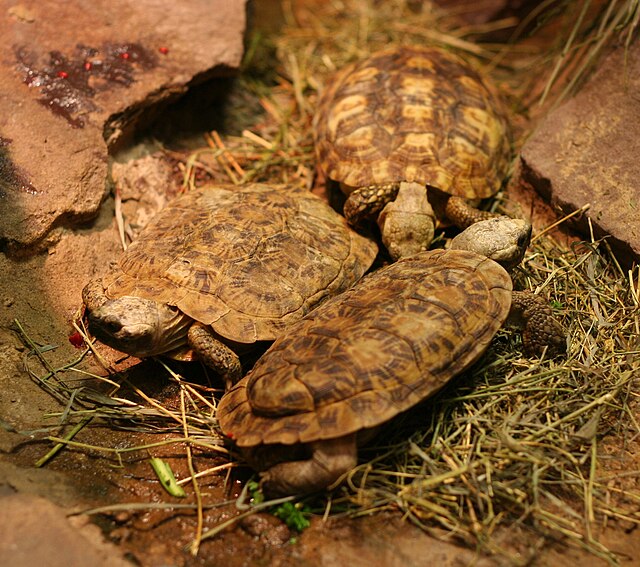
Pancake Tortoise
Pancake tortoise
An African tortoise with extremely flat shell. Unique defense of squeezing into rock crevices.
PancakeFlatRock crevice
 © Bloopityboop / CC BY-SA 4.0
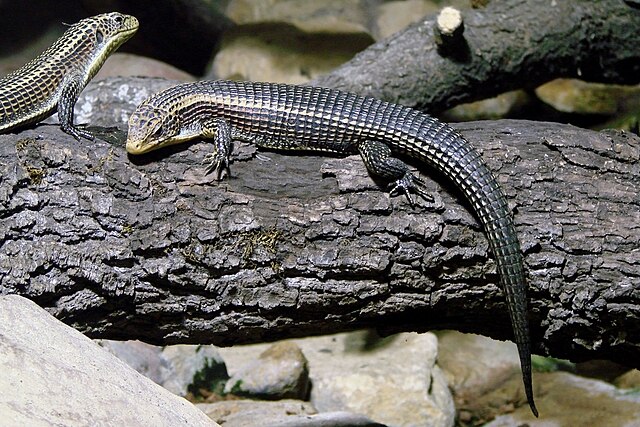
Plated Lizard
An African lizard covered in plate-like large scales. Hardy, tames easily, and easy to keep.
PlatedPlate scalesAfrica
Related Content
Reptile & Amphibian FAQ
- Can beginners keep reptiles?
- Leopard geckos, corn snakes, and bearded dragons are hardy and easy to care for, making them popular beginner reptiles. Once you learn temperature and humidity management, long-term care is achievable.
- How much do reptiles cost?
- Leopard geckos cost 5,000-30,000 yen, ball pythons 10,000-100,000+ yen, and bearded dragons 10,000-40,000 yen, varying greatly by morph (variety).
- How long do reptiles live?
- Leopard geckos live 15-20 years, ball pythons 20-30 years, bearded dragons 8-12 years, and some tortoises 50+ years. Be prepared for long-term commitment.
- What equipment is needed for reptiles?
- Basic equipment includes an enclosure, heat sources (heat mat/heat lamp), thermometer-hygrometer, UVB light (species-dependent), water dish, and substrate. Proper temperature gradient is most important.
- What should I check when buying reptiles?
- Check that the animal is active, has clear eyes, no stuck shed, and is eating well. Captive-bred (CB) specimens adapt better to captive environments.