Reptile & Amphibian Encyclopedia — 80 Species Directory
Encyclopedia of popular reptile and amphibian species with care guides, traits, and pricing.
Featured Reptile & Amphibian
Showing 28 of 80 species(1–24)
 © Kupos / CC BY-SA 3.0
African Fat-Tailed Gecko
Hemitheconyx caudicinctus
Popular ground-dwelling gecko alongside leopard geckos. Prefers higher humidity and slightly shy but calms with handling.
 © Gerard Chartier / CC BY 4.0
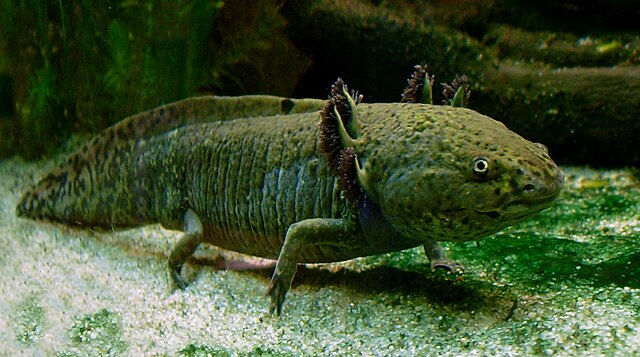
Axolotl
Ambystoma mexicanum
Fascinating amphibian that reaches maturity in larval form. Charming face and external gills are popular. Amazing regeneration ability.
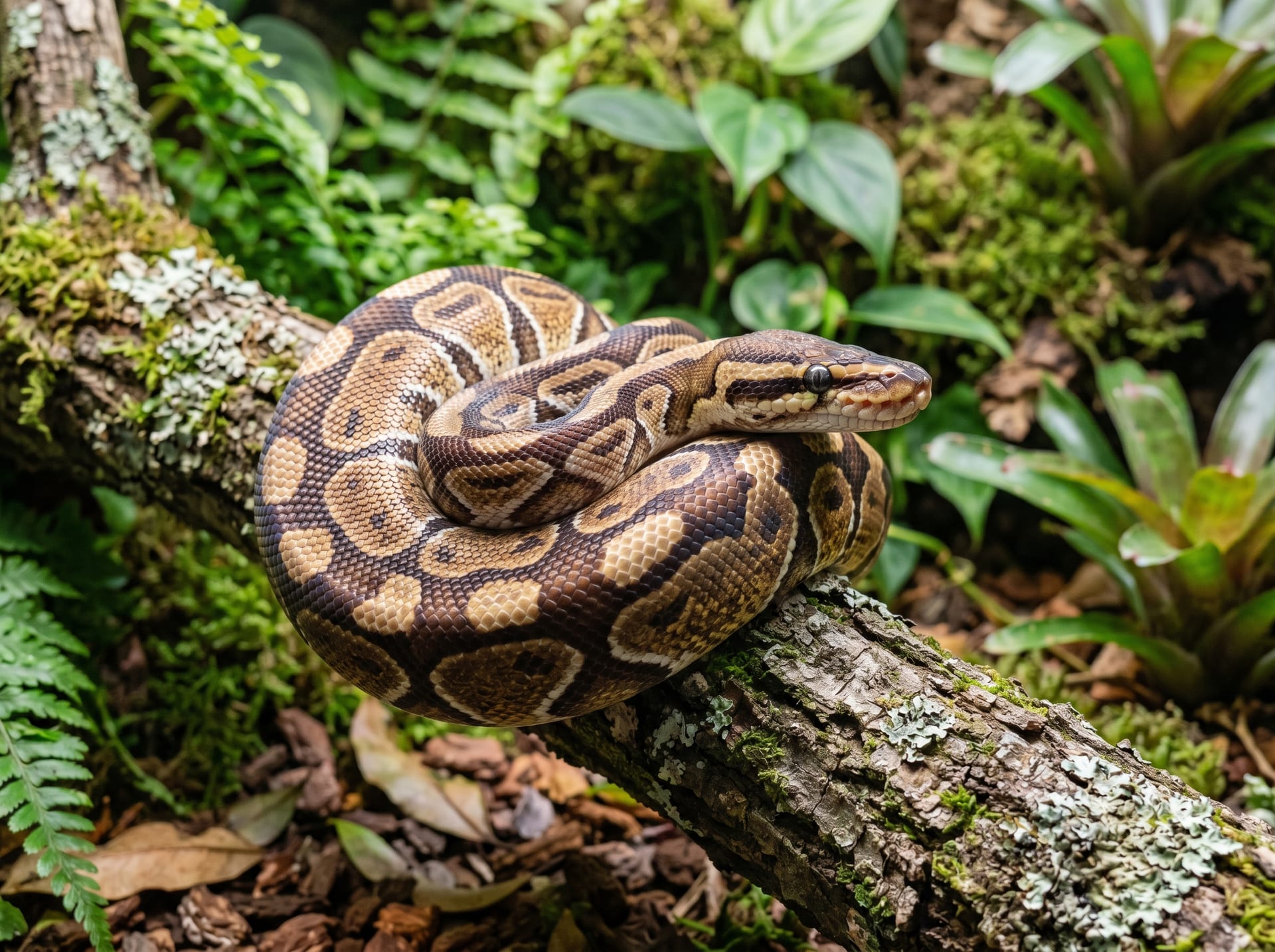
Ball Python
Python regius
The world's most popular pet snake. Docile, balls up when stressed, and available in 7000+ morphs.
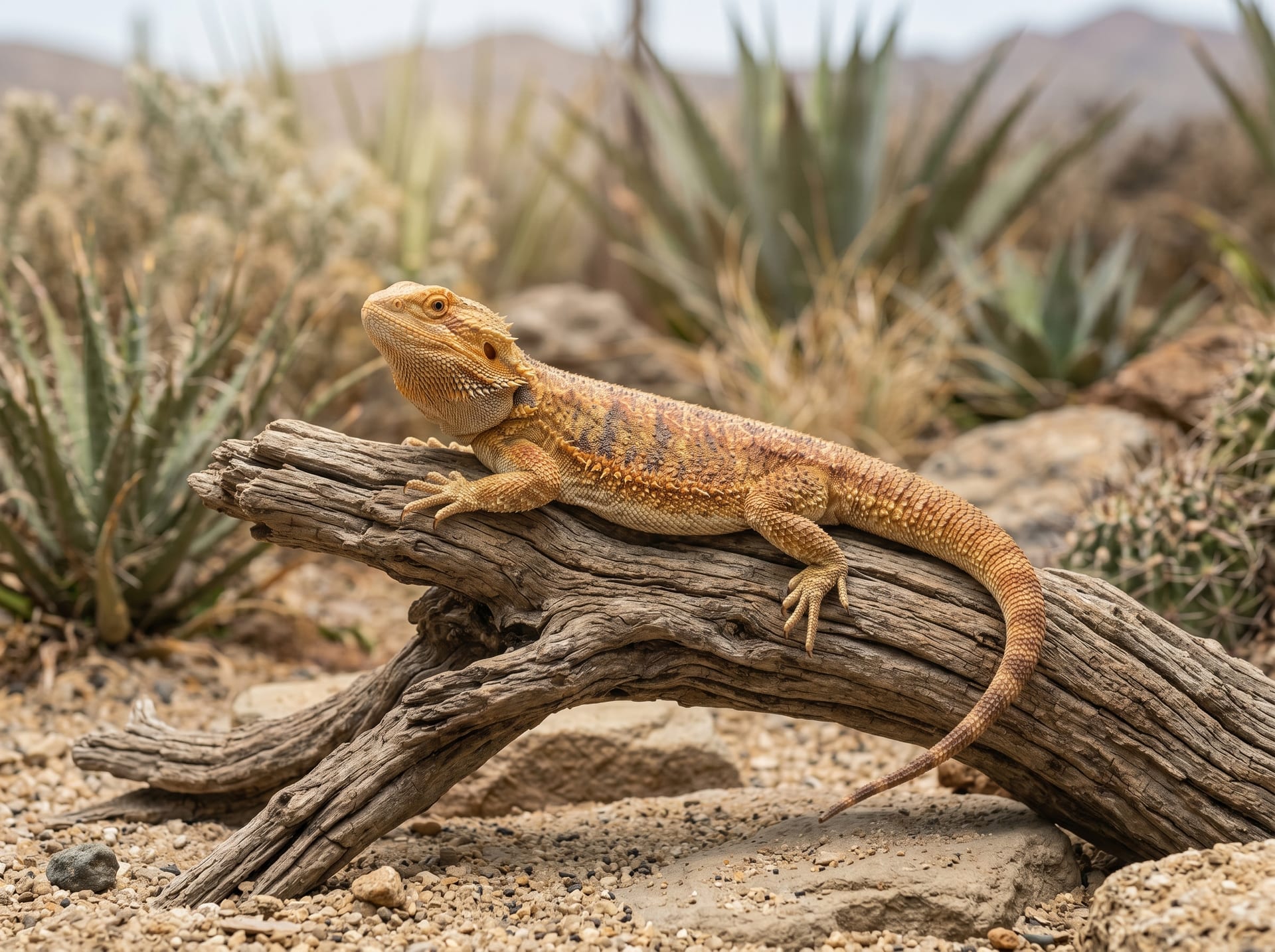
Bearded Dragon
Pogona vitticeps
Friendly, expressive lizard. Requires UVB lighting but well-established husbandry makes them beginner-friendly. Omnivorous diet.
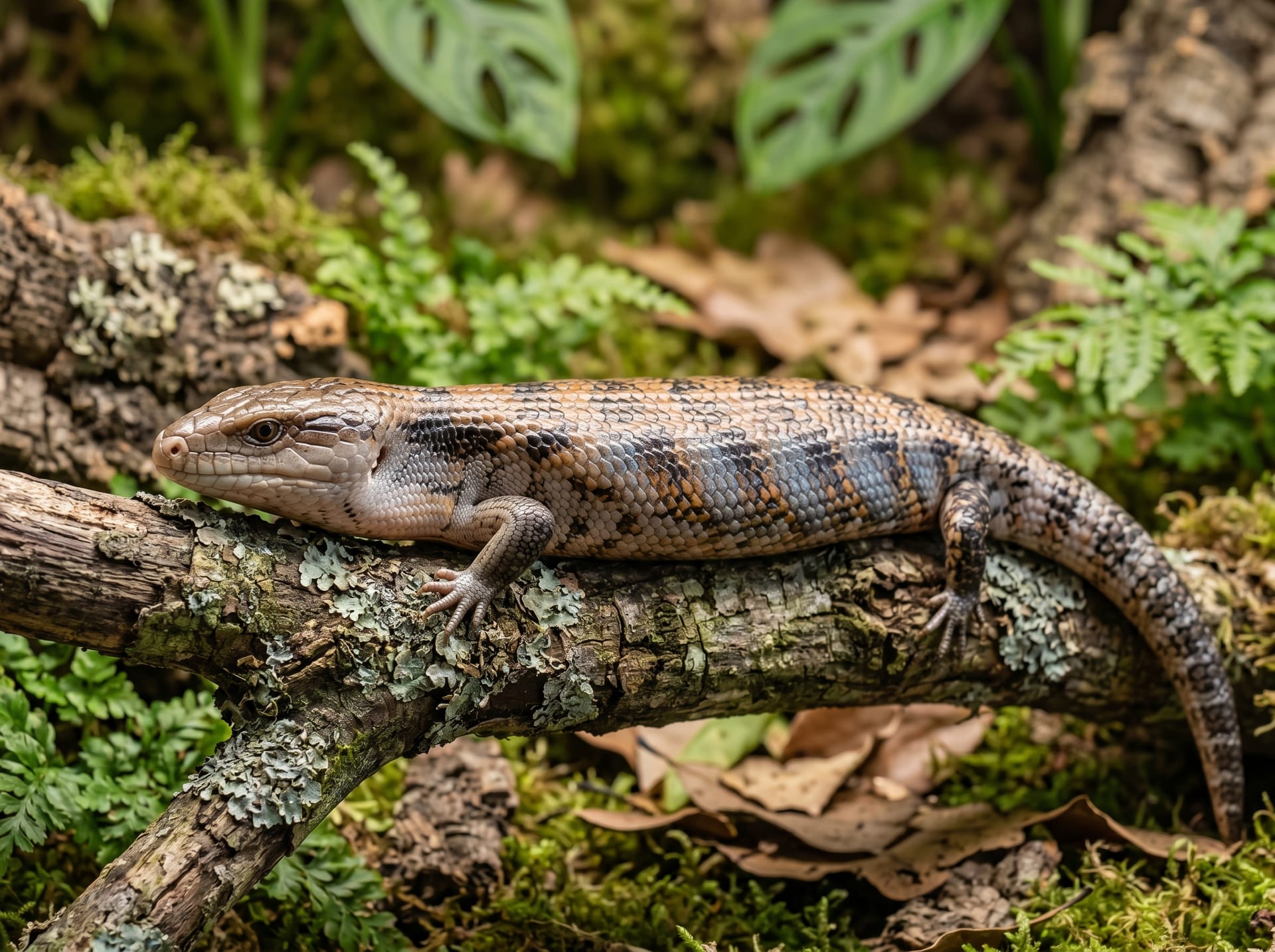
Blue-Tongued Skink
Large skink named for its distinctive blue tongue. Docile, easy to handle, and omnivorous with varied diet. Hardy and long-lived.
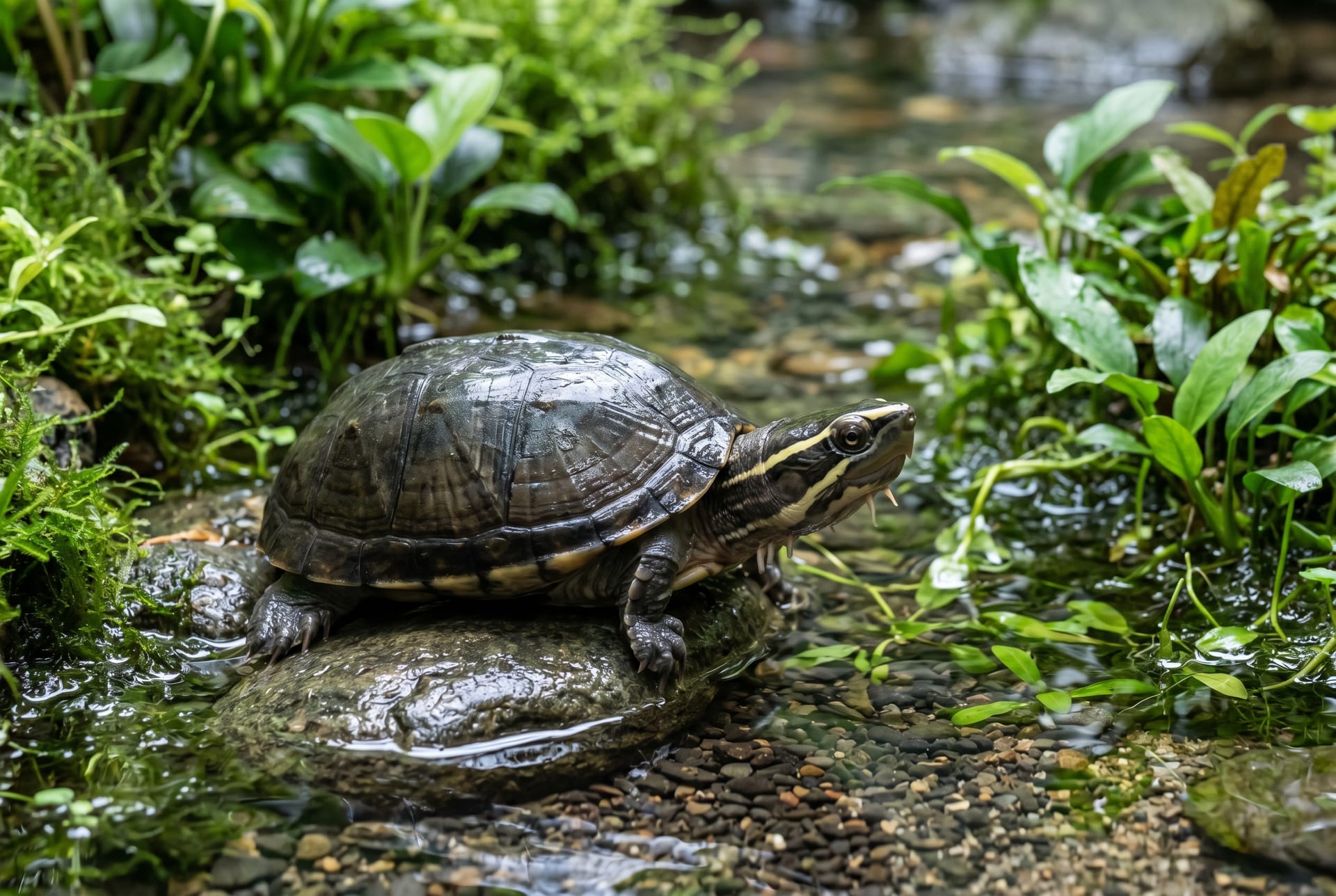
Common Musk Turtle
Sternotherus odoratus
A small aquatic turtle that stays around 8-10 cm even as an adult. Hardy and gentle, it thrives in a 60 cm aquarium and is a popular beginner species. It is unrelated to the regulated red-eared slider.
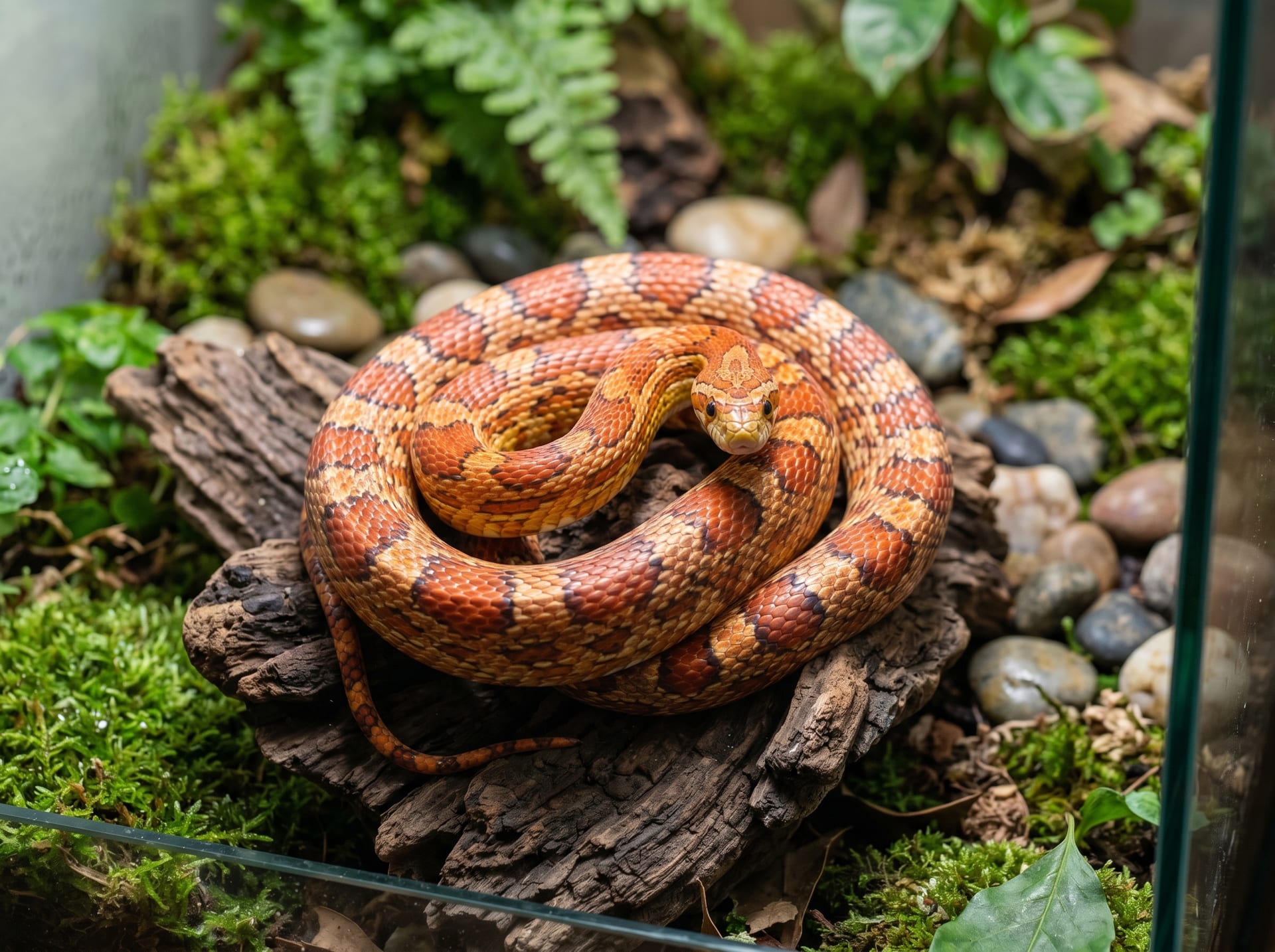
Corn Snake
Pantherophis guttatus
The most popular beginner snake. Docile temperament and rarely bites. Over 200 color morphs available.
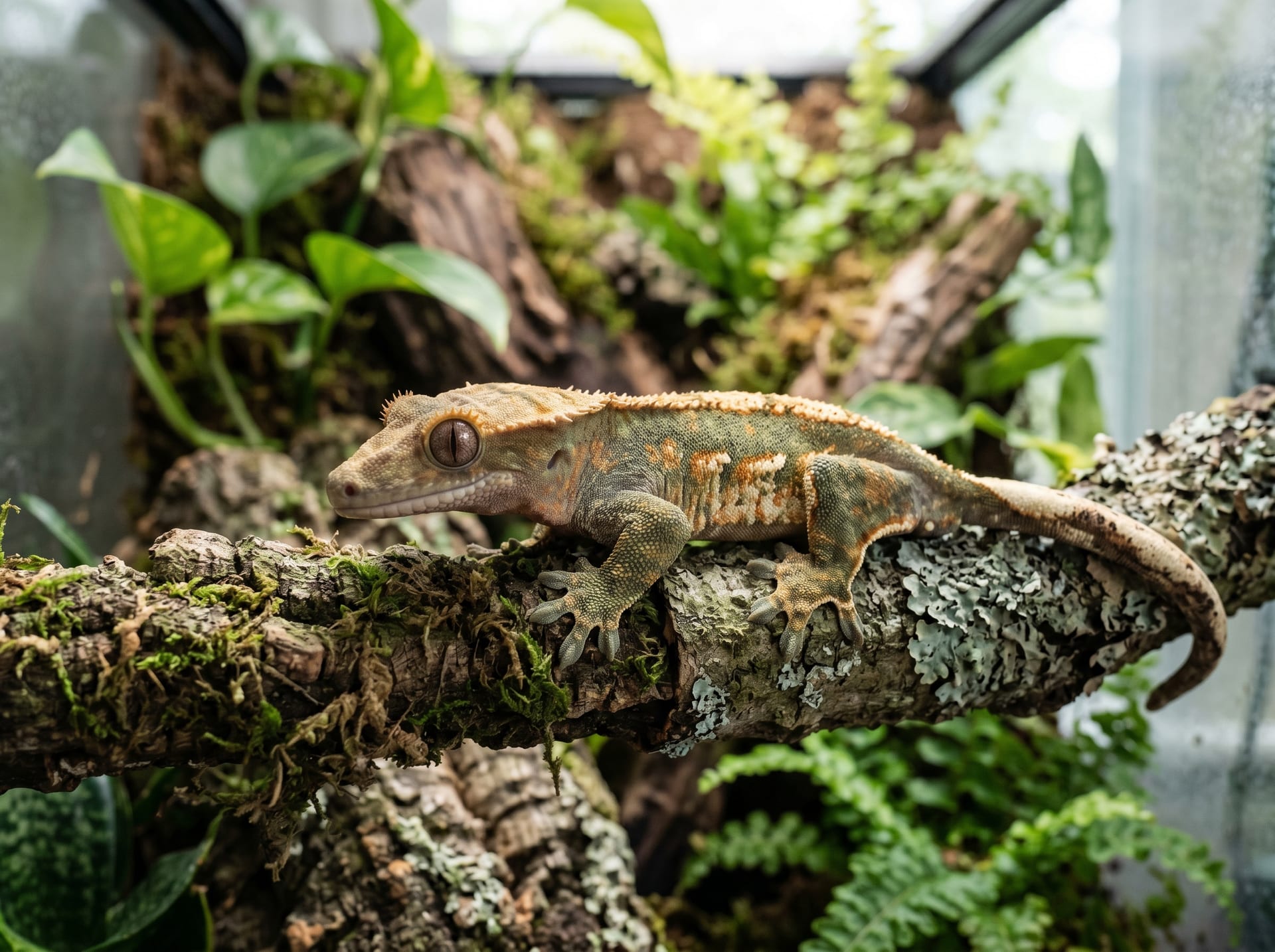
Crested Gecko
Correlophus ciliatus
Arboreal gecko with distinctive eyelash-like crests. Can be kept at room temperature and fed entirely on prepared diets.
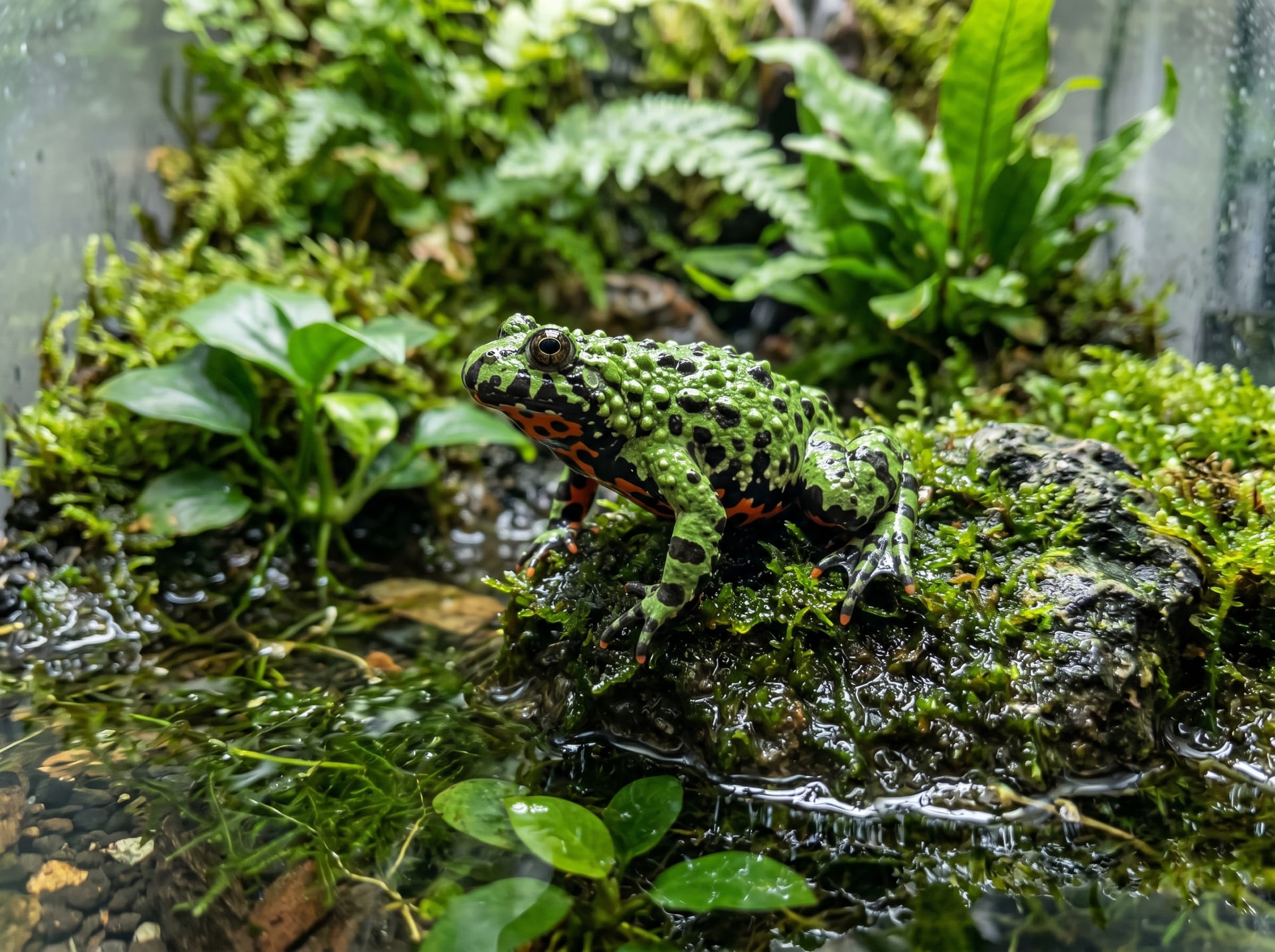
Fire-Bellied Toad
Bombina orientalis
Green-brown back but vivid red-orange warning coloration on belly. Small semi-aquatic toad ideal for paludariums. Can be kept in groups.
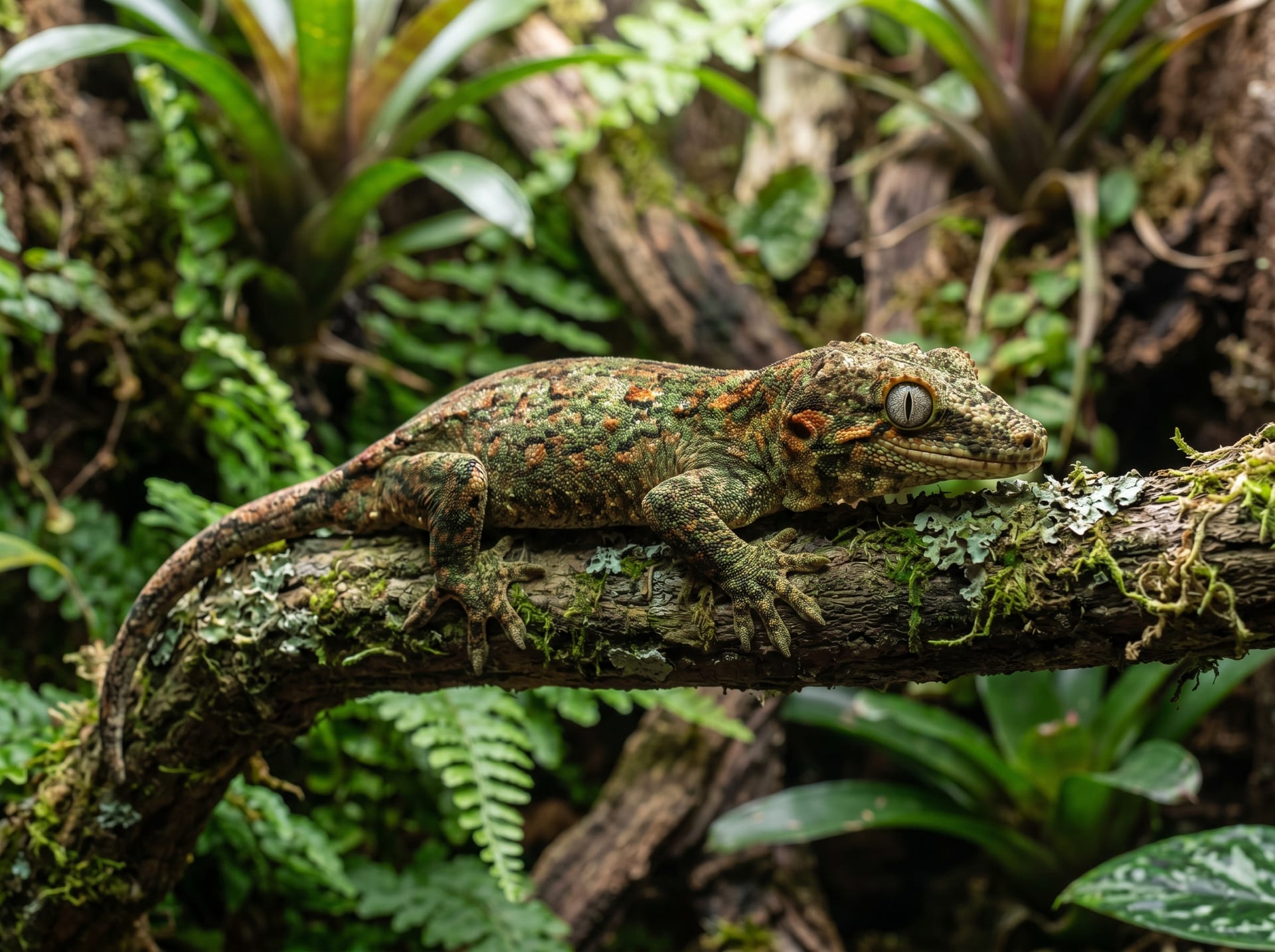
Gargoyle Gecko
Rhacodactylus auriculatus
Popular arboreal gecko after crested geckos. Distinctive head bumps. Can be fed commercial diet and can regenerate tails.
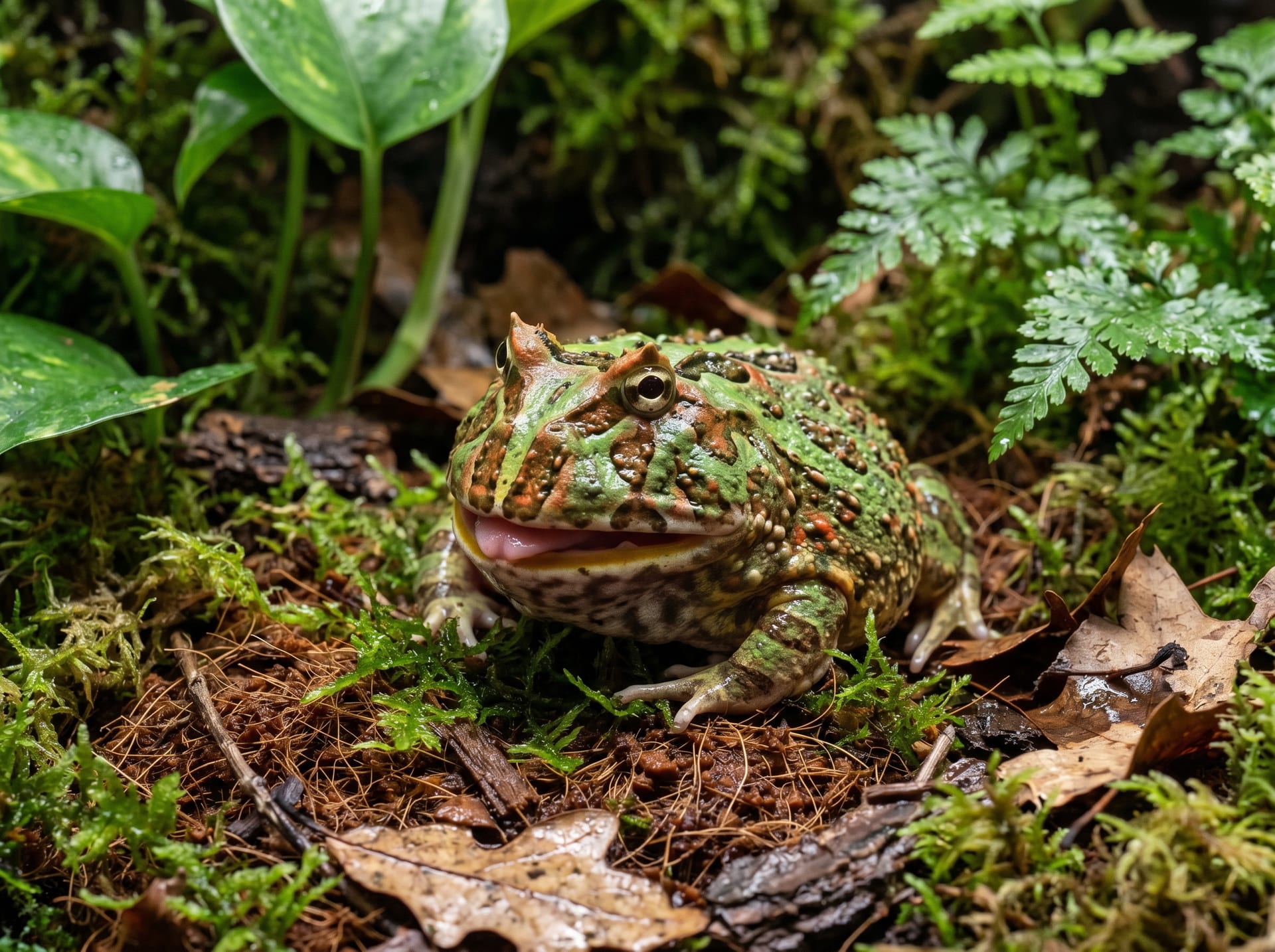
Horned Frog (Pacman Frog)
Round body and huge mouth like Pac-Man. Ambush predator that lunges at food. Can be kept in small space.
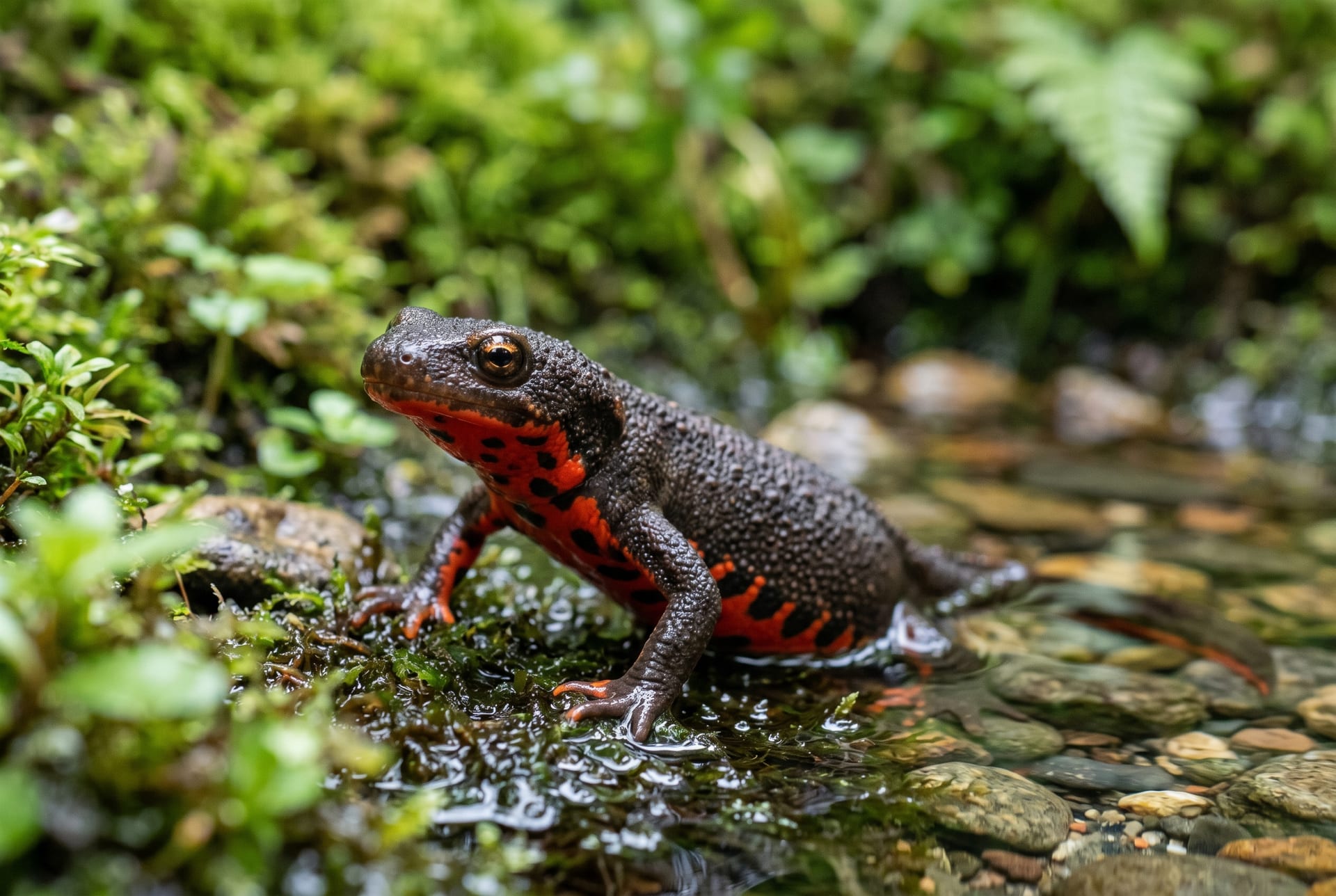
Japanese Fire-Bellied Newt
Cynops pyrrhogaster
A newt endemic to Japan, admired for the striking contrast between its dark-brown back and vivid red belly. Hardy, long-lived, and kept mainly in water, it is a great beginner amphibian. Wash hands after handling, as its skin is toxic.
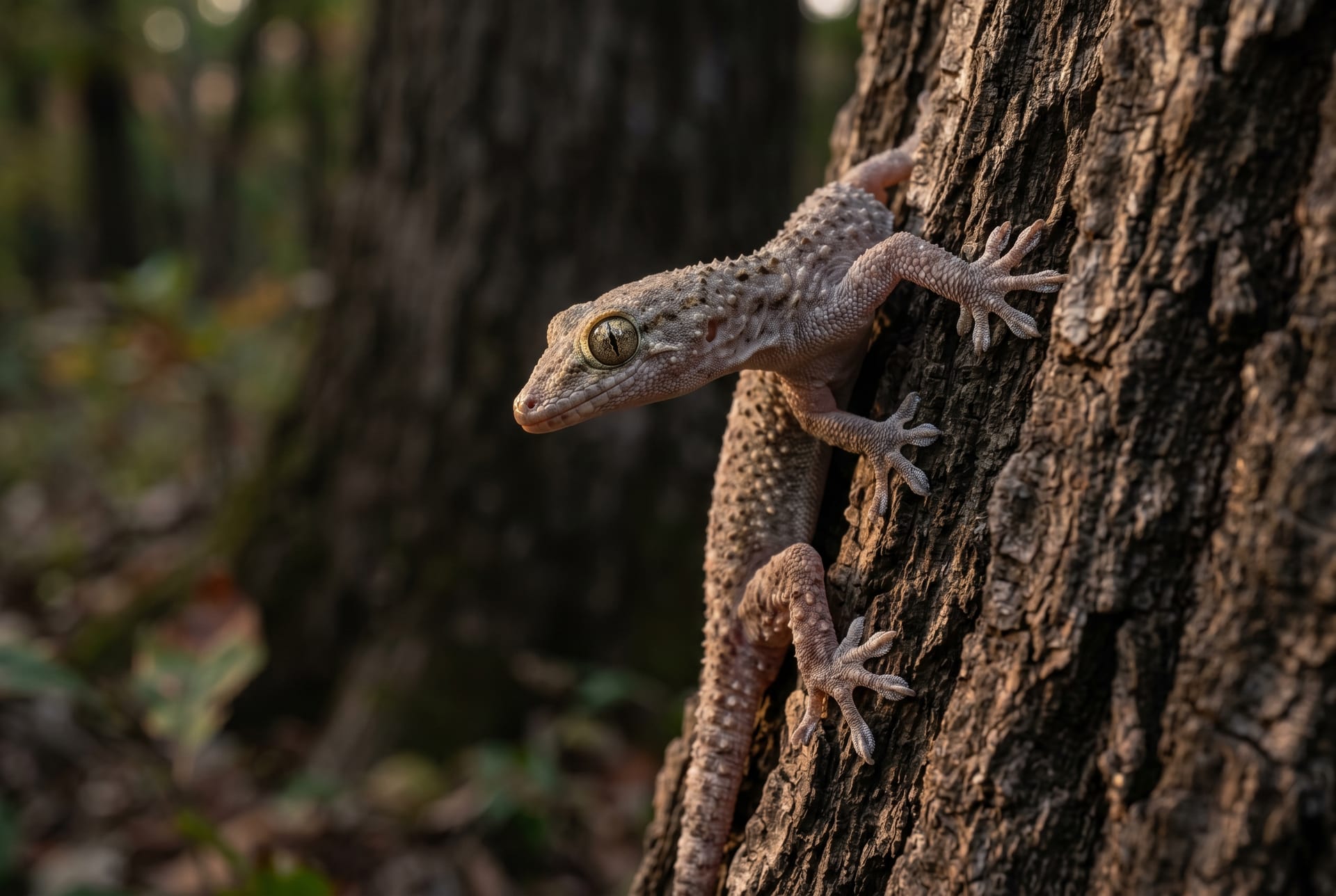
Japanese Gecko
Gekko japonicus
The familiar house guardian that waits for insects on walls and street lamps in Japan. Needing neither heating nor UV light and content in a small enclosure, it is one of the easiest geckos to keep.
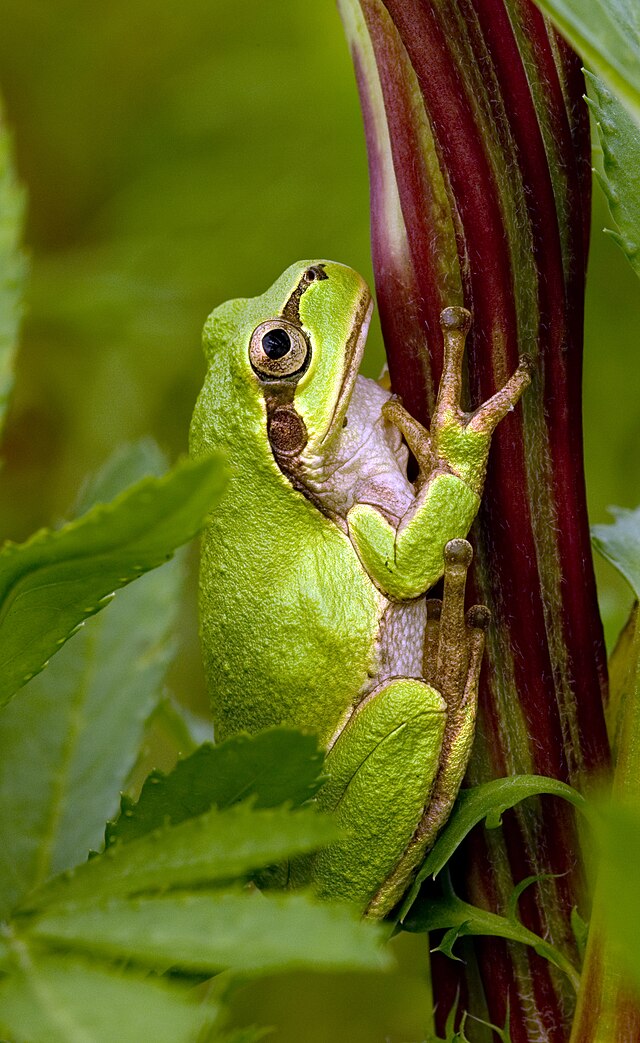 © Piranhapirate / CC BY-SA 3.0
Japanese Tree Frog
Dryophytes japonicus
Japans most common frog. Vivid green body and charming face. Calling on rainy days is a Japanese tradition. Familiar amphibian.
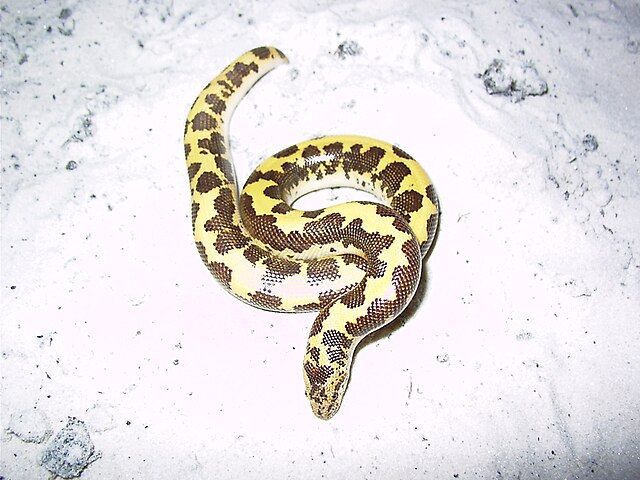
Kenyan Sand Boa
Eryx colubrinus
A small boa living buried in sand. Gentle and space-efficient beginner snake.
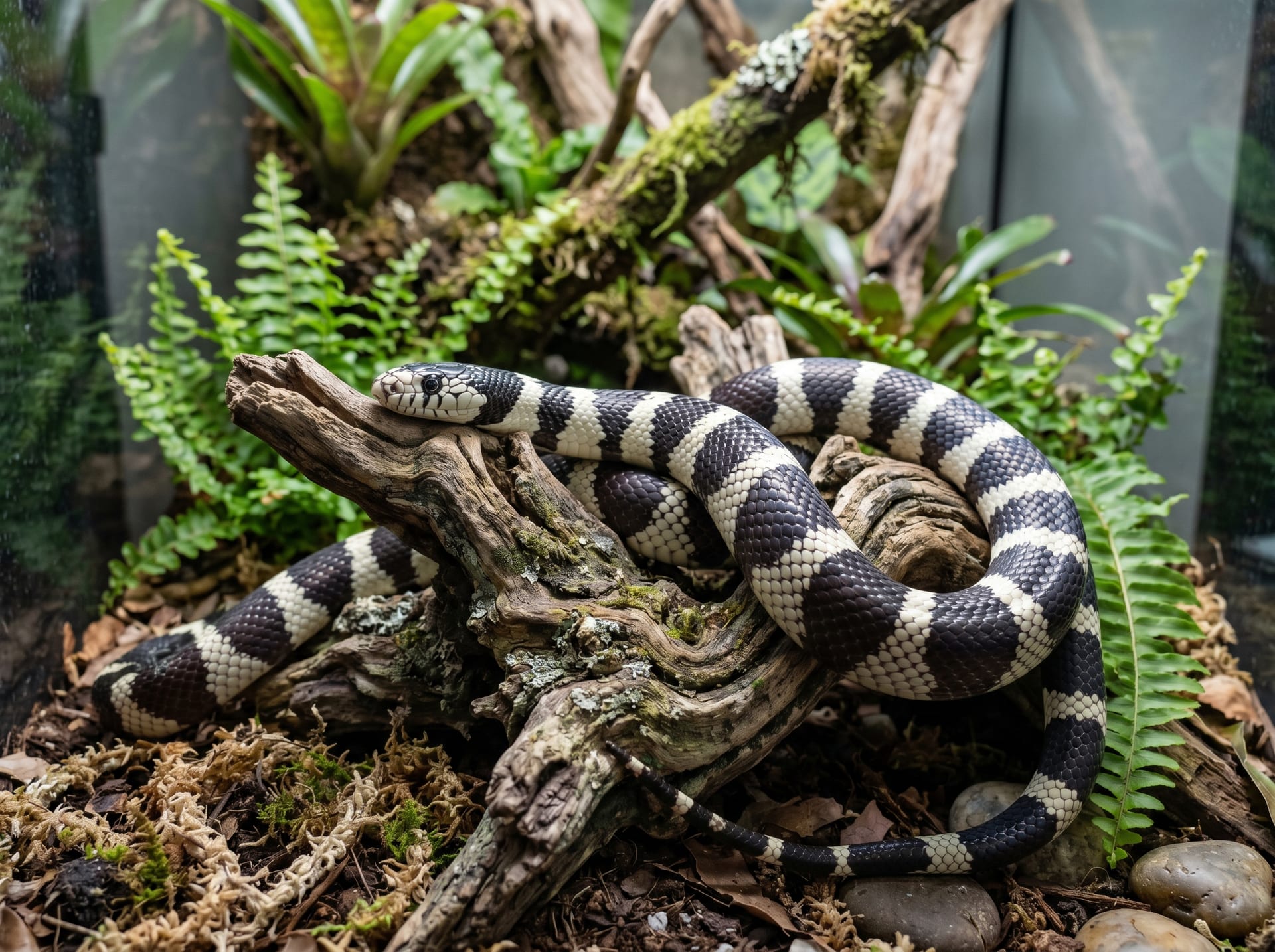
Kingsnake
Named King for preying on other snakes. California Kingsnake is the most common. Hardy and easy to keep.
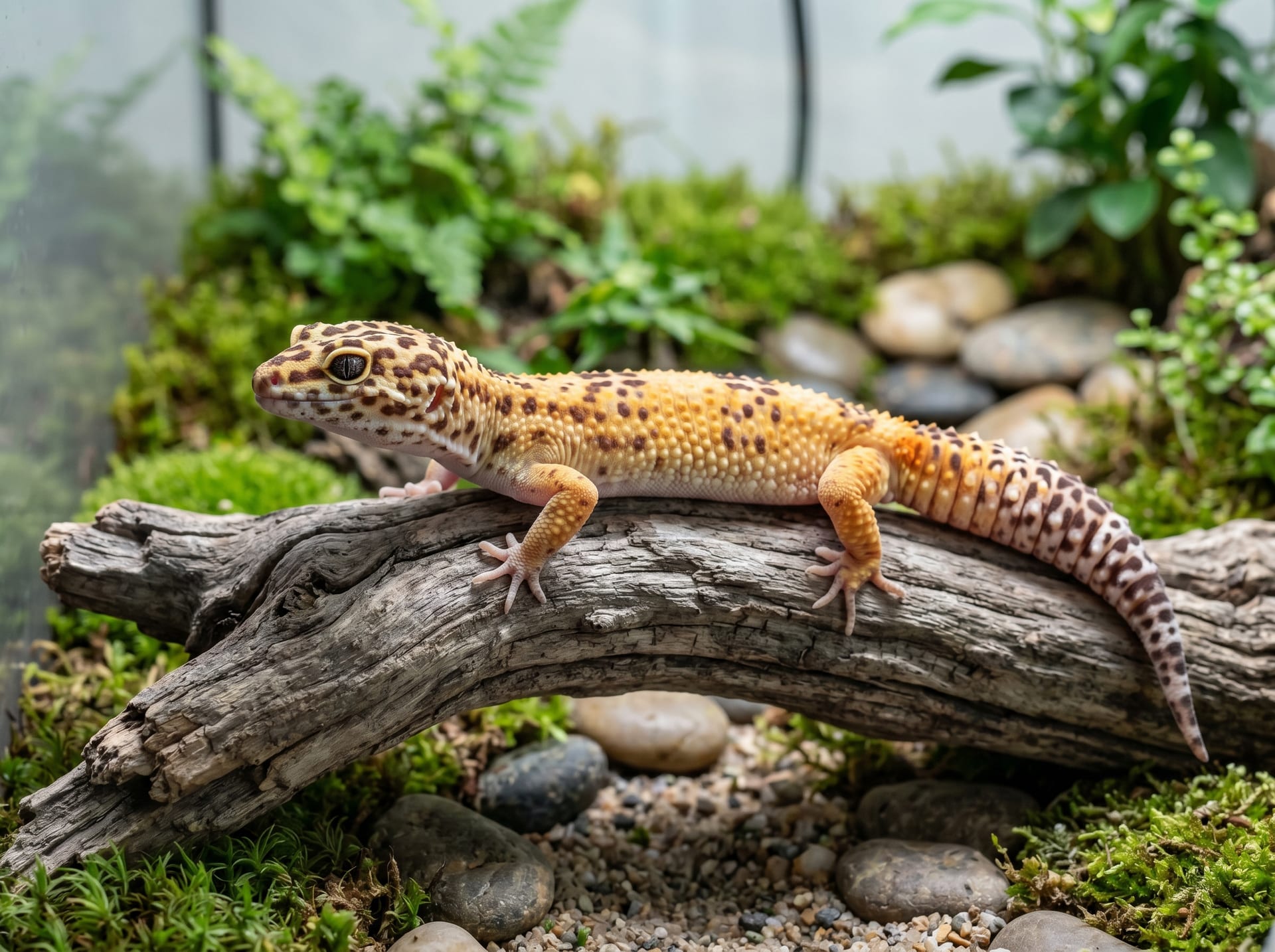
Leopard Gecko
Eublepharis macularius
Perfect entry-level gecko with a docile temperament, minimal space requirements, and extensive morph variety.
 © Signey / Public domain
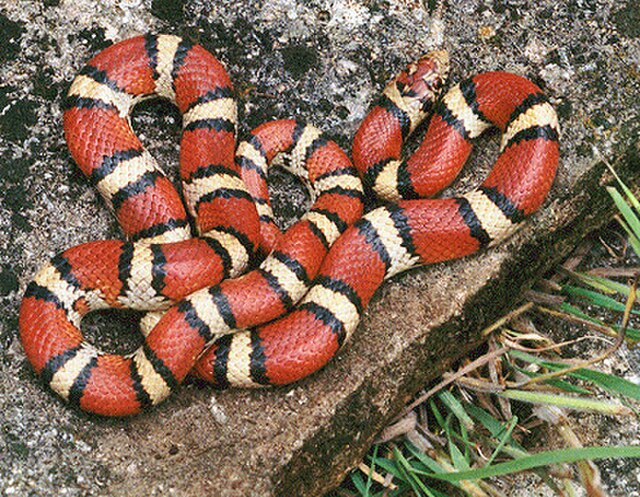
Milk Snake
Lampropeltis triangulum
Beautiful snake with vivid red, black, and white/yellow banding. Related to kingsnakes, docile and easy to keep.
 © Blueag9 / CC BY-SA 3.0
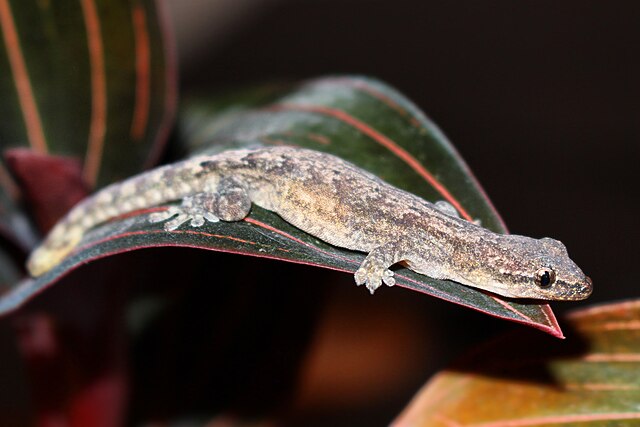
Mourning Gecko
Lepidodactylus lugubris
A gecko that reproduces by parthenogenesis (females only). Ultra-small, surging in popularity for terrariums.
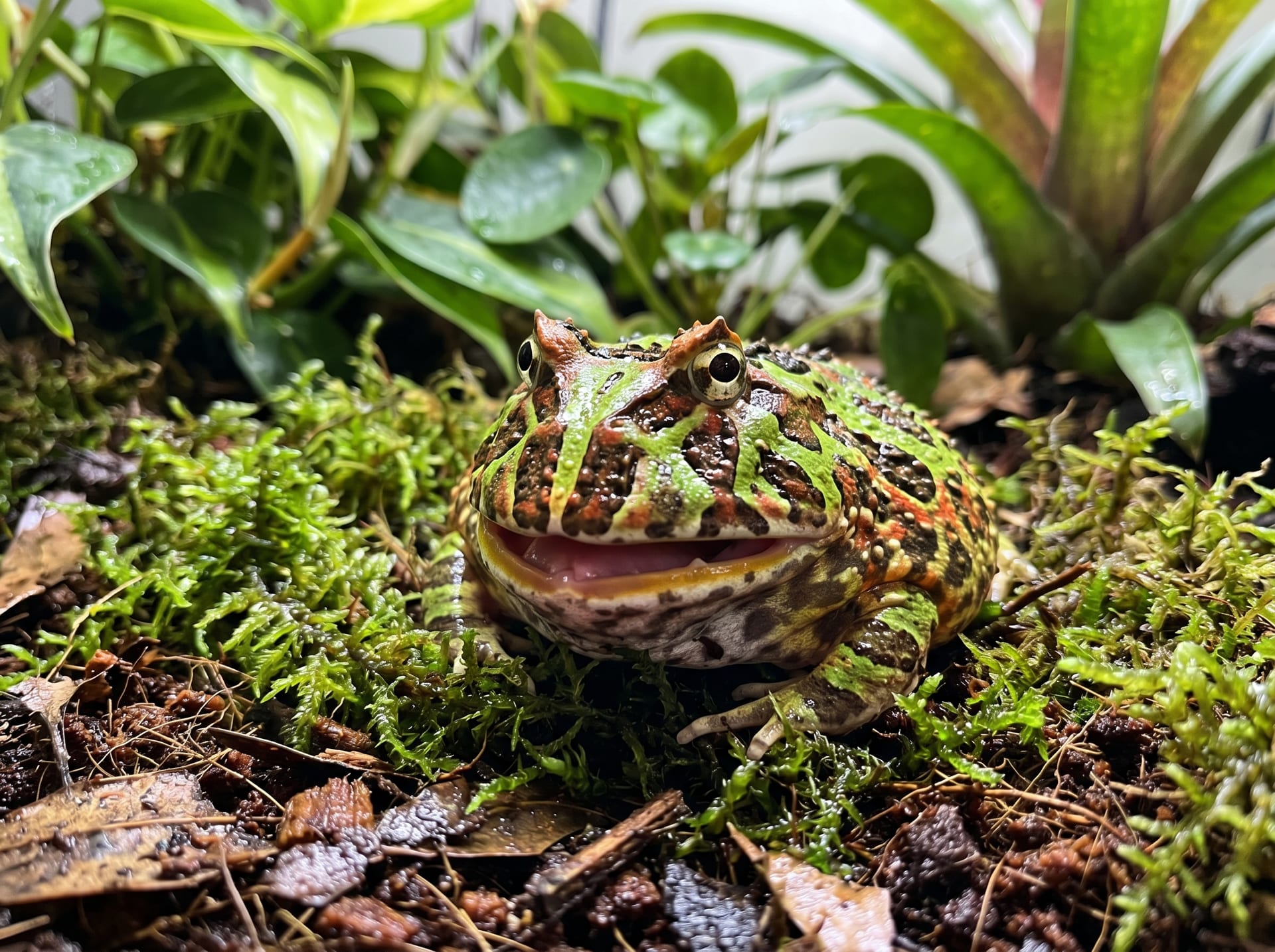
Pacman Frog
Ceratophrys ornata
Popular frog with round body and large mouth resembling Pac-Man. Ambush predator that burrows and waits. Colorful with many morphs. Barely moves — very space-efficient.
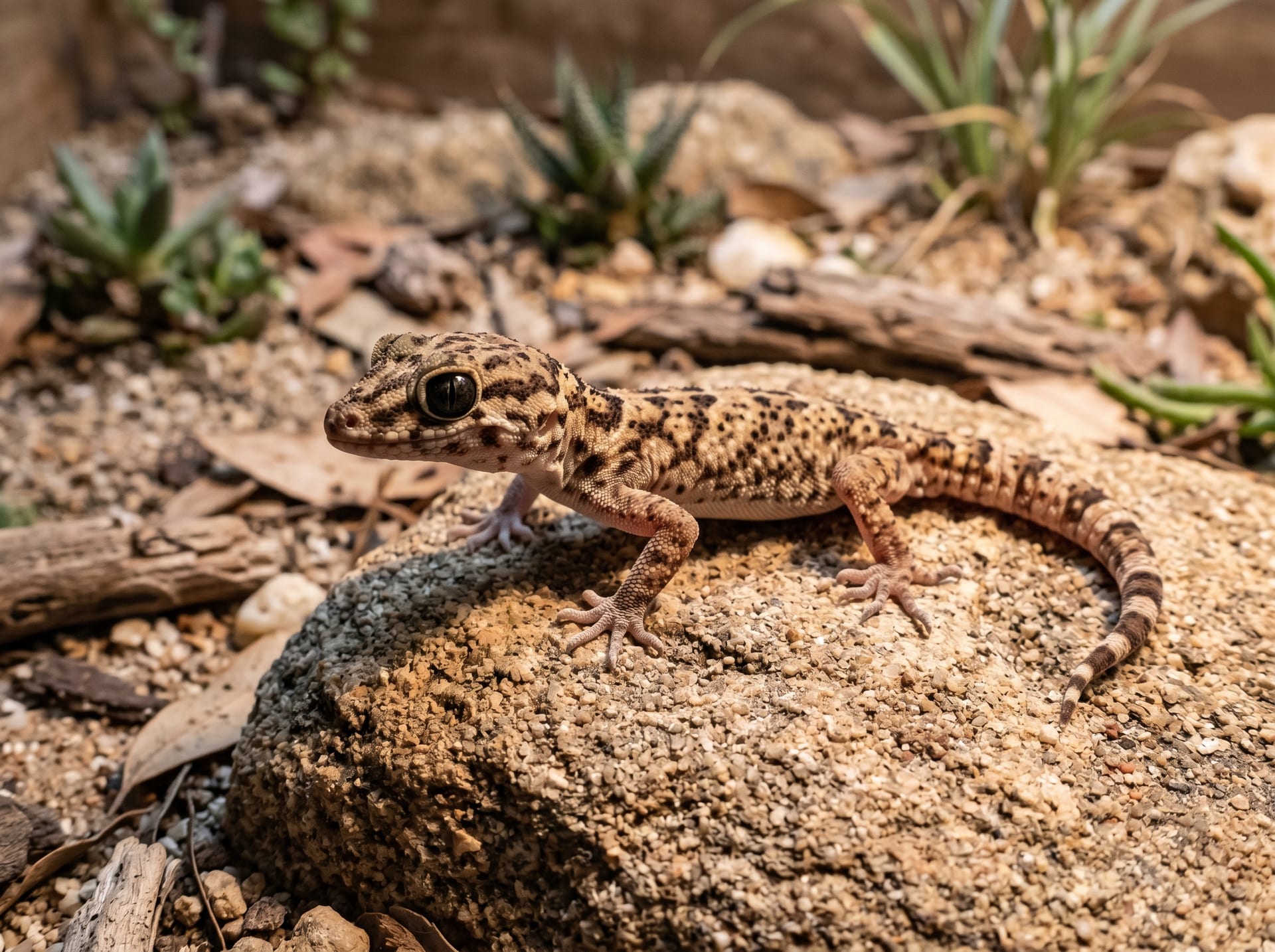
Panther Gecko
Paroedura picta
A ground gecko with panther-like spotted pattern on small body. Hardy and can be kept in small space.
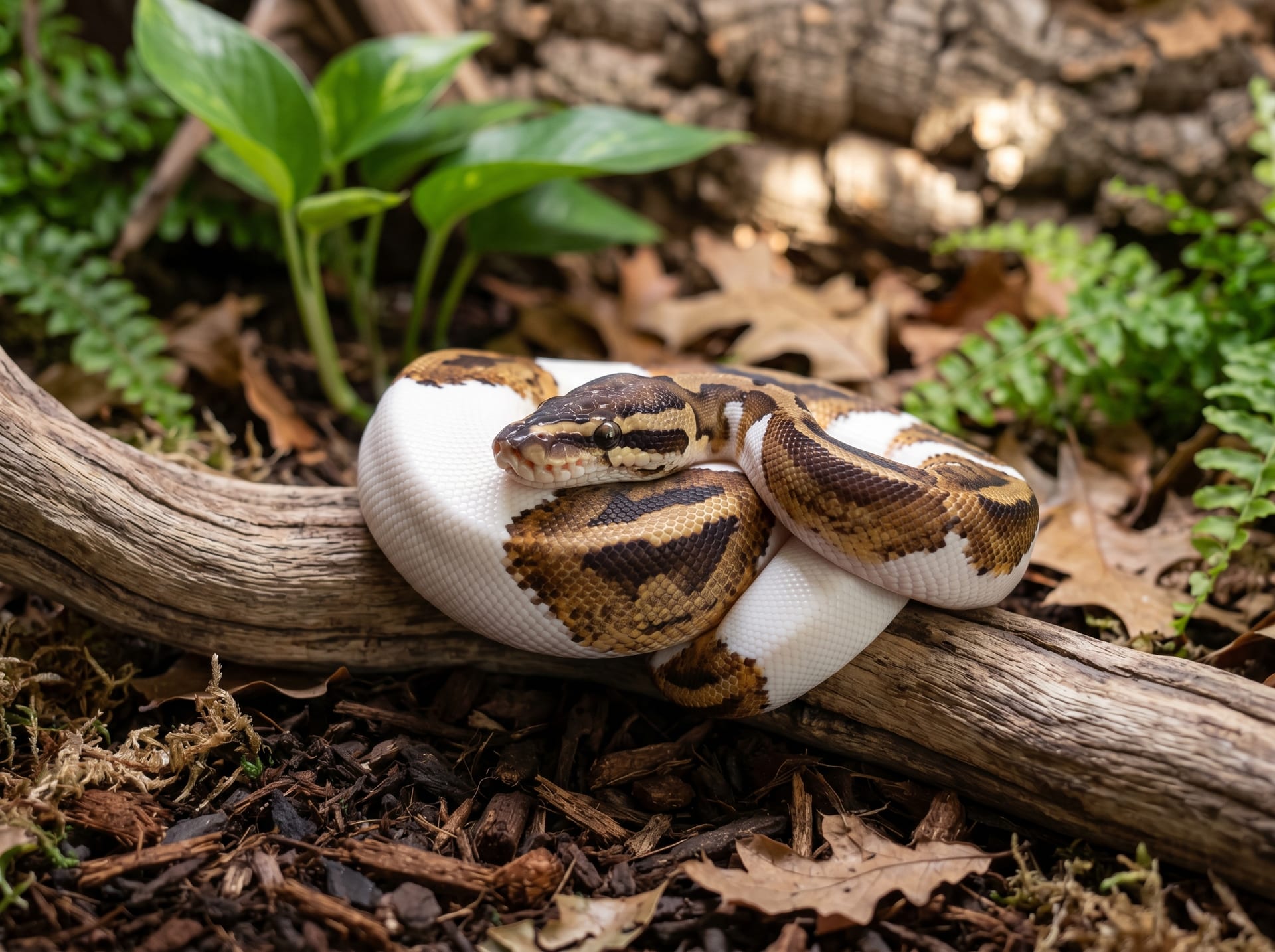
Pied Ball Python
Python regius
A ball python morph with beautiful white-brown patchwork pattern. One of most popular color mutations.
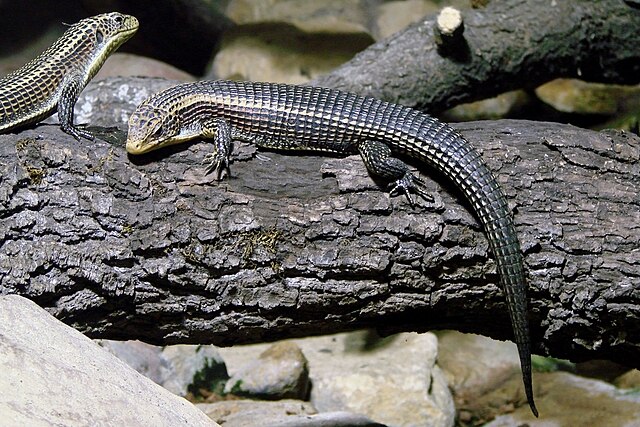 © Bloopityboop / CC BY-SA 4.0
Plated Lizard
An African lizard covered in plate-like large scales. Hardy, tames easily, and easy to keep.
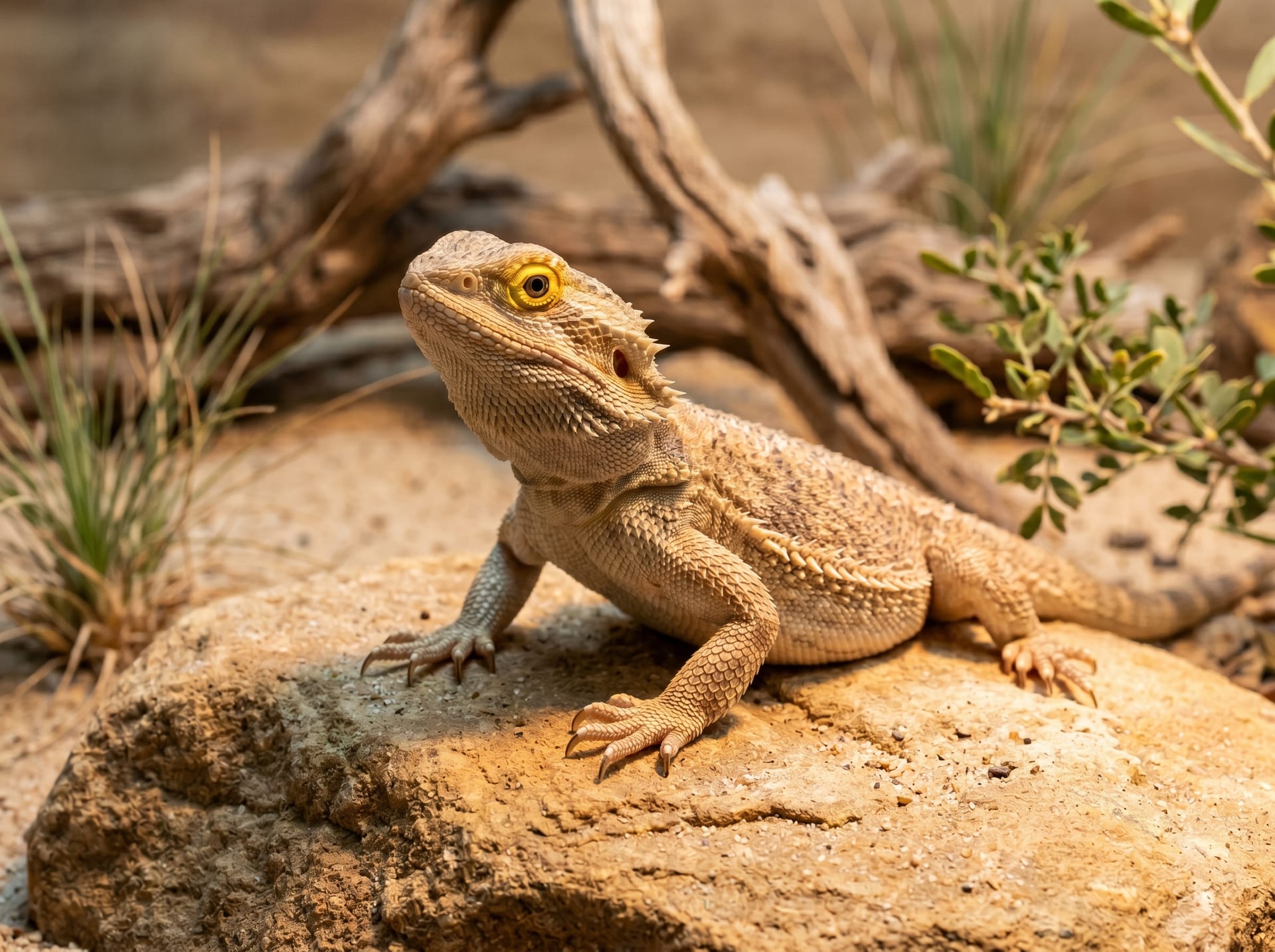
Rankin's Dragon
Pogona henrylawsoni
Close relative of bearded dragon, one size smaller — 'mini bearded dragon'. Equally docile and tames easily. Appealing space-efficient keeping.
Related Content
Reptile & Amphibian FAQ
- Can beginners keep reptiles?
- Leopard geckos, corn snakes, and bearded dragons are hardy and easy to care for, making them popular beginner reptiles. Once you learn temperature and humidity management, long-term care is achievable.
- How much do reptiles cost?
- Leopard geckos cost 5,000-30,000 yen, ball pythons 10,000-100,000+ yen, and bearded dragons 10,000-40,000 yen, varying greatly by morph (variety).
- How long do reptiles live?
- Leopard geckos live 15-20 years, ball pythons 20-30 years, bearded dragons 8-12 years, and some tortoises 50+ years. Be prepared for long-term commitment.
- What equipment is needed for reptiles?
- Basic equipment includes an enclosure, heat sources (heat mat/heat lamp), thermometer-hygrometer, UVB light (species-dependent), water dish, and substrate. Proper temperature gradient is most important.
- What should I check when buying reptiles?
- Check that the animal is active, has clear eyes, no stuck shed, and is eating well. Captive-bred (CB) specimens adapt better to captive environments.