AI-generated image
Japanese Fire-Bellied Newt
BeginnerCynops pyrrhogaster
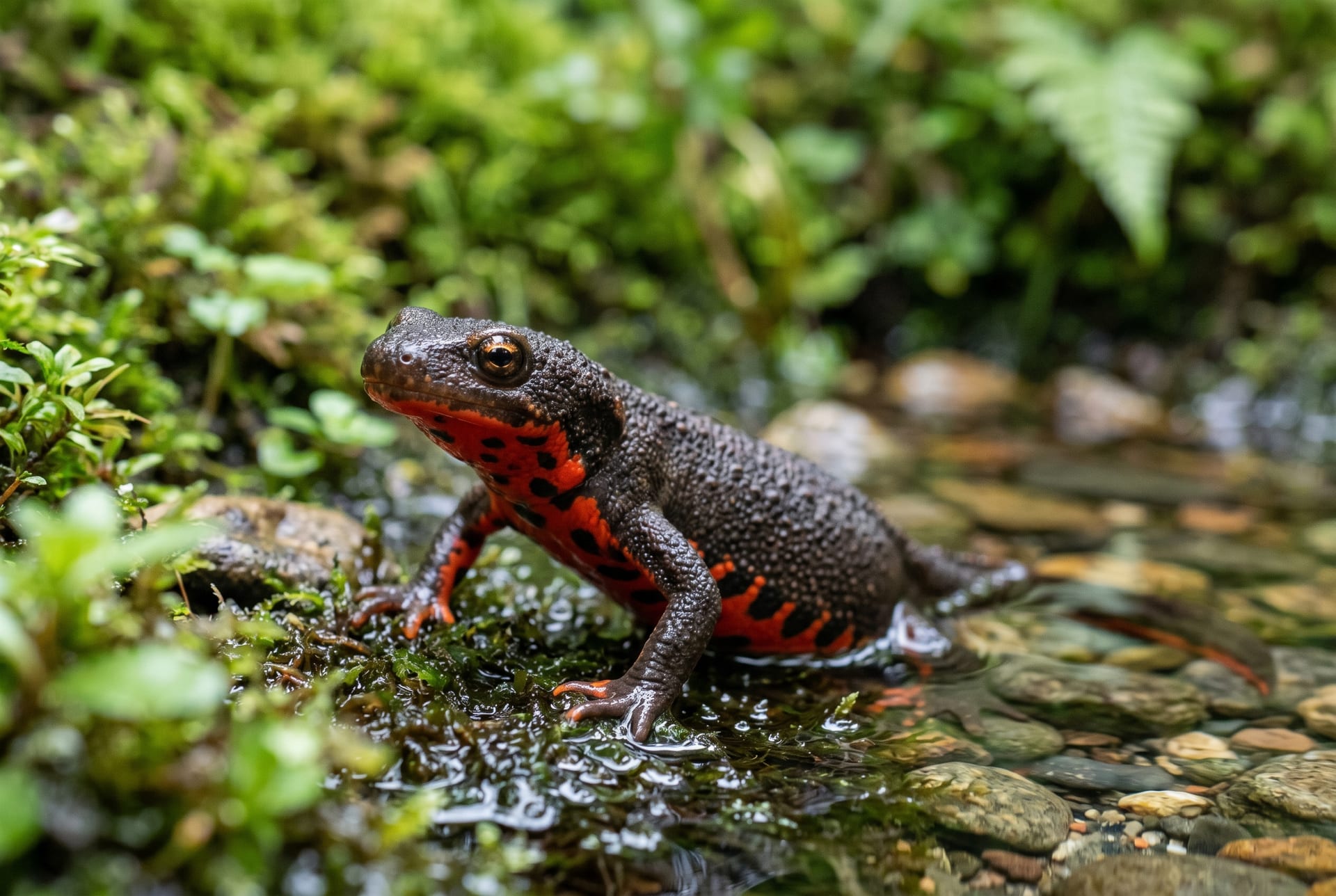
A newt endemic to Japan, admired for the striking contrast between its dark-brown back and vivid red belly. Hardy, long-lived, and kept mainly in water, it is a great beginner amphibian. Wash hands after handling, as its skin is toxic.
Difficulty
Beginner
Temperature
18〜26℃
Lifespan
20-30 years
Size
8-13cm
Humidity
—(水中飼育)
Diet
Carnivore (frozen bloodworms, tubifex, pellets)
About
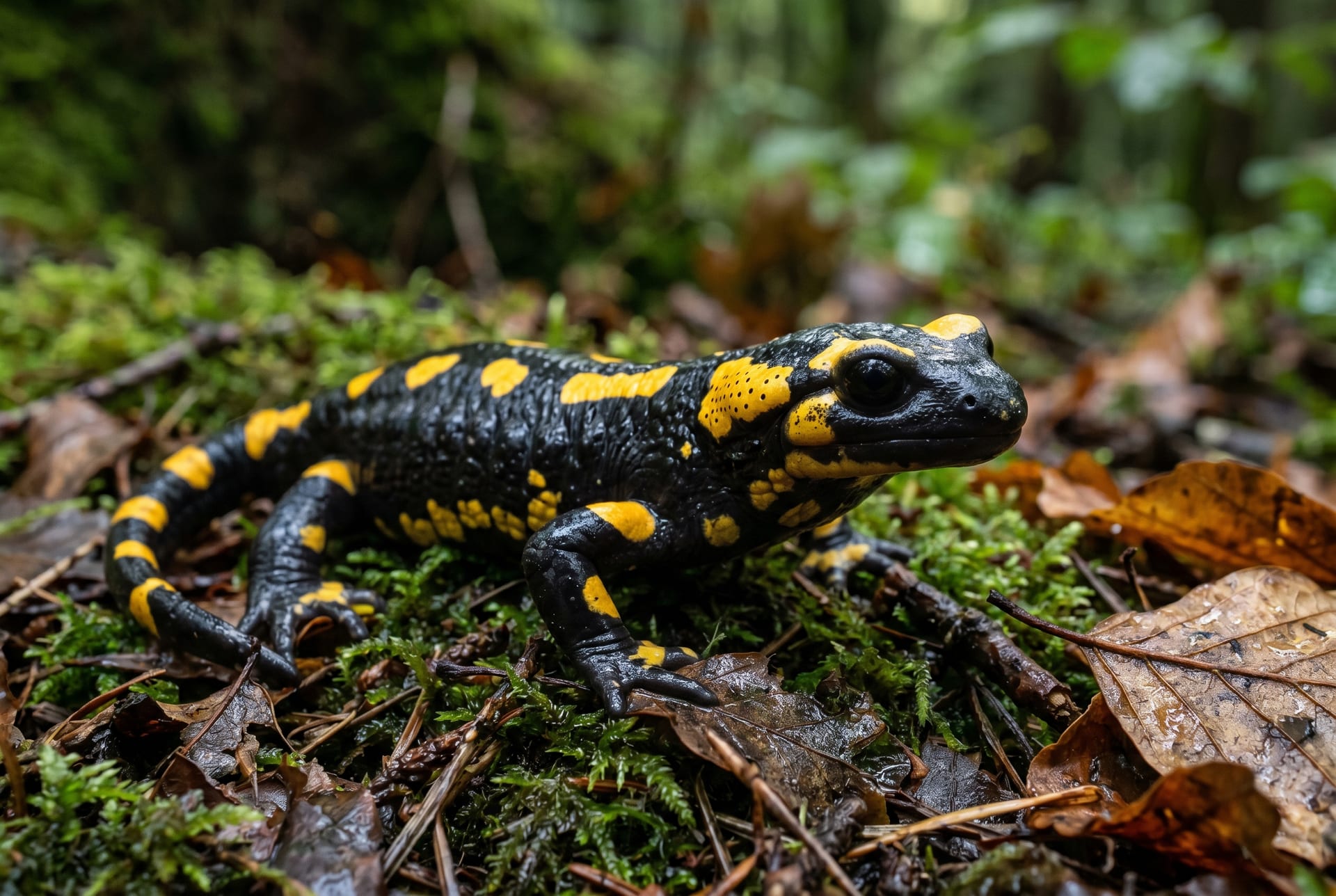
The Japanese fire-bellied newt (Cynops pyrrhogaster) is a salamander endemic to Japan, found in still waters such as rice paddies, ponds, and slow streams across Honshu, Shikoku, and Kyushu. Its rough dark-brown back contrasts with a vivid red-to-orange belly marked with black blotches, warning coloration that advertises the tetrodotoxin in its skin. Small (8-13 cm) but remarkably long-lived, it can exceed 20 years in good care. Wash hands after handling, and never release captive animals into the wild, as regional populations are genetically distinct.
Source: Wikipedia (CC BY-SA 4.0)
Lifespan of the Japanese Fire-Bellied Newt
The Japanese Fire-Bellied Newt lives 20-30 years.
Size of the Japanese Fire-Bellied Newt
The Japanese Fire-Bellied Newt grows to 8-13cm.
Temperature & humidity for the Japanese Fire-Bellied Newt
The ideal temperature for the Japanese Fire-Bellied Newt is 18〜26℃.
It is kept mainly in water with a haul-out island at 18-26°C, and a tight lid is essential because it is an expert climber.
Basic Info
Origin
Japan (Honshu, Shikoku, Kyushu and nearby islands)
Lifespan
20-30 years
References & Sources
Edited & verified by: BreederDirect editorial team
The taxonomic, regulatory, and husbandry data on this page are compiled and verified against the authoritative primary sources below.
Taxonomy & Authority
Accepted name: Cynops pyrrhogaster (Boie, 1826)
Authority databases: AmphibiaWeb
Nomenclature follows global taxonomic authority databases.
Regulations & Conservation Status
Not CITES-listed
Endemic to Japan. Listed as Near Threatened (NT) on the Ministry of the Environment Red List, but not a designated species under the Species Protection Law, and captive breeding and trade are legal. Genetic differentiation exists among regional populations, and release of captive individuals into the wild is strictly prohibited due to concerns about genetic disturbance from reintroduction. The skin contains tetrodotoxin (neurotoxin).
Sources: Ministry of the Environment Red List / CITES Checklist (not listed)
Regulations may change. Always verify the latest information with the relevant authorities.
Japanese Fire-Bellied Newt Listings
Loading latest listingsFind listings for this species