What is the Fire Salamander
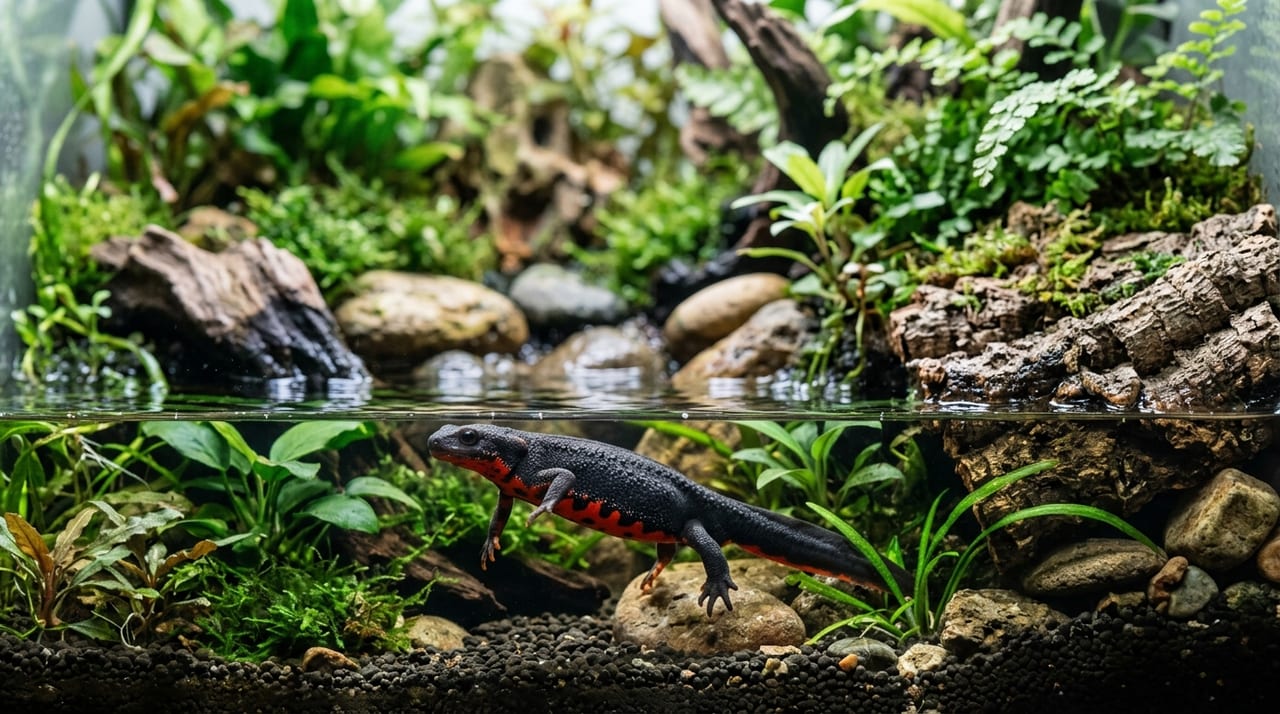
The Fire Salamander (Salamandra salamandra) is a caudatean amphibian native to the forests of central to southern Europe (Germany, Czech Republic, France, Italy, Spain, etc.).
Its glossy black body is characterized by vibrant yellow to orange spotting, which serves as aposematism—a warning coloration indicating that the animal is toxic. The name "Fire" salamander originates from an old belief that the species emerged from fire, as people would sometimes discover them emerging from firewood piles.
Adult Fire Salamanders reach a length of 15–25 cm and are long-lived, with captive specimens often living more than 15–20 years.
Must Understand Before Keeping: Samandarin Skin Toxin
The Fire Salamander's skin contains samandarin, an alkaloid-based toxin secreted by the parotoid glands and dorsal skin glands, serving as a defense against predators.
Handling Precautions
- Always wash your hands thoroughly with soap after handling
- Contact with mucous membranes (eyes, mouth, nose) can cause intense irritation and inflammation
- Minimize handling (this species does not tolerate it well)
- Children should always be supervised when handling
- Do not use the same containers or equipment with other aquatic animals (risk of toxin contamination)
While serious poisoning from brief contact is unlikely, individuals with allergies should exercise particular caution.
Proper Housing Environment
Temperature Management (Critical)
The Fire Salamander is a temperature-sensitive species requiring cool environments.
| Temperature Range | Condition |
|---|
| 14–20°C (Optimal) | Active, good feeding |
| 20–24°C | Reduced activity, caution advised |
| 25°C and above | Heat stress, high mortality risk, absolutely prohibited |
| 5–8°C (Winter) | Hibernation mode |
Japan's summer (June–September) presents the greatest challenge. Air conditioning (maintaining room temperature at 20°C or below) or a dedicated cooling enclosure is necessary. Some keepers use wine coolers or refrigerator-modified cooling systems.
Hibernation is optional. While wild populations enter dormancy during cold periods (5–10°C), captive specimens can be kept year-round at appropriate temperatures (15–18°C) without hibernation. Beginners will find management easier by omitting hibernation.
Enclosure Design
| Item | Details |
|---|
| Enclosure Size | 1–2 adults: minimum 60×40×30 cm (prioritize floor area) |
| Type | Glass aquarium (with lid and ventilation) or plastic enclosure |
| Substrate | Mixed substrate of coconut husk, leaf mold, and oak bark (5–8 cm depth) |
| Humidity | 70–90% (dryness causes skin problems) |
| Water | Shallow water container with escape exit (to prevent drowning) |
| Hideouts | Multiple cork bark, rocks, or broken flower pot pieces |
| Lighting | Not necessary (avoid direct sunlight; weak indirect light is acceptable) |
Substrate and Humidity Management
- Keep the substrate moist but not waterlogged (waterlogging causes mold and skin disease)
- Mist 1–2 times every other day
- Providing one completely dry area allows the salamander to regulate moisture
Feeding
Fire Salamanders are carnivorous and respond to live prey.
Primary Prey Items
| Food Type | Frequency & Notes |
|---|
| Earthworms (Lumbricus) | Best staple food, 2–3 times per week |
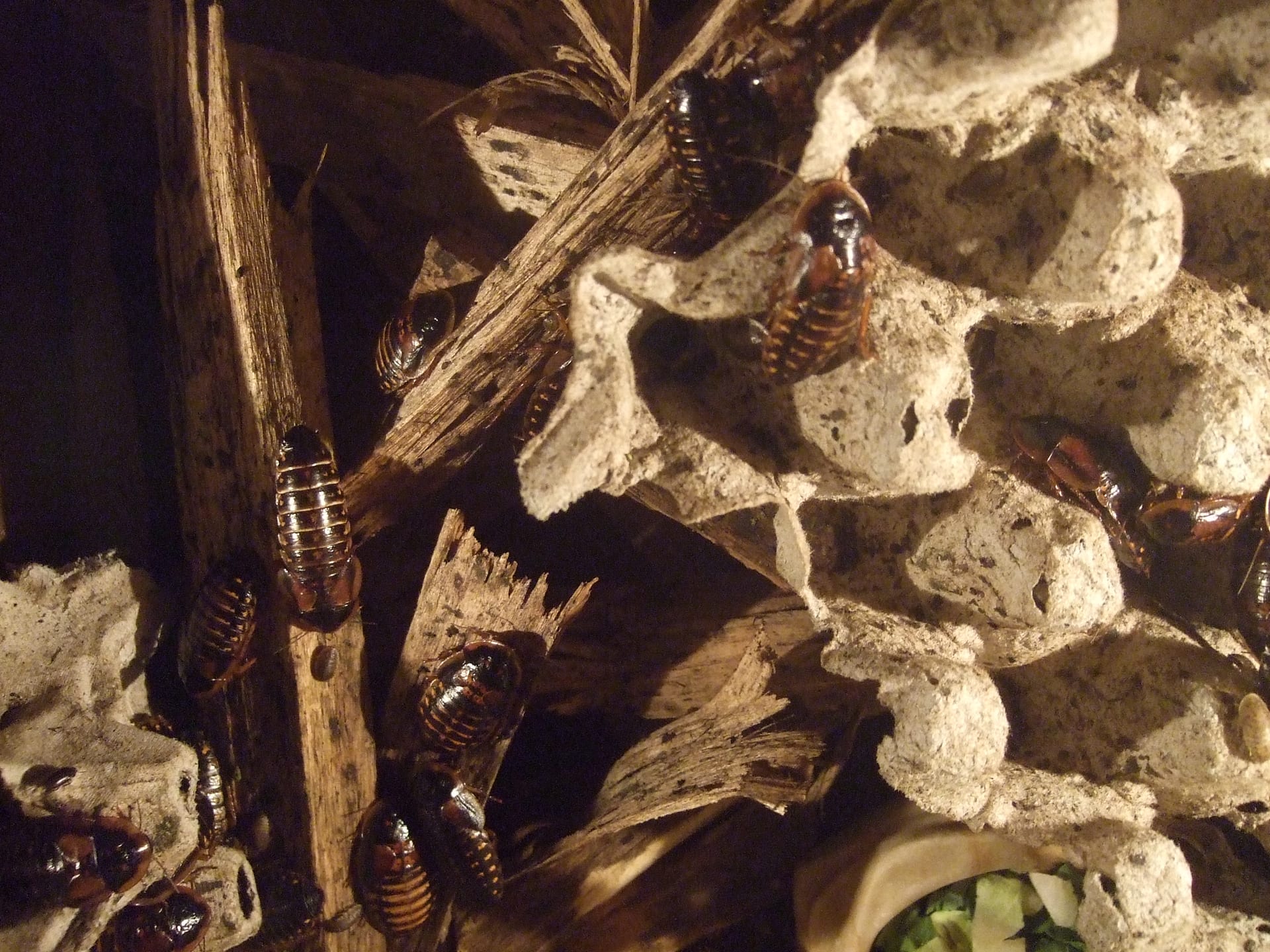
| Crickets (Dubia) | Dust with calcium powder before feeding |
| Mealworms & Honeyworms | High fat content → feed sparingly as treats |
| Pinkie Mice (small) | Adults only, 1–2 times per month |
Note: Do not feed goldfish or tropical fish (risk of salmonella infection and poor nutritional balance).
Feeding Frequency
- Young individuals (1–3 years): 3–4 times per week (more frequent during growth phase)
- Adults (3+ years): 2–3 times per week
- Winter (October–March): Reduced appetite is normal; do not force feeding
Feed using tweezers or place food in a container in the enclosure. Always remove uneaten food by the next day.
Larval to Adult Transition Management
The Fire Salamander is viviparous, giving birth to fully metamorphosed juveniles (4–5 cm) from the mother (some subspecies bear aquatic larvae).
Juveniles of terrestrial subspecies are already terrestrial from birth and can immediately transition to standard adult housing.
For aquatic larvae (S. s. bernardezi and related subspecies):
- Rear in shallow water containers (3–5 cm depth)
- Observe metamorphosis (hind legs → front legs → gill resorption)
- Transition to semi-aquatic environment with expanded land area after metamorphosis completion
- Transfer to fully terrestrial enclosure once completely terrestrial (gills fully resorbed)
Health Management and Common Issues
Skin Disease (Red Leg Syndrome & Bacterial Infection)
Red coloration (red leg syndrome) can appear due to high temperatures, dry conditions, and unsanitary substrate.
Response:
- Replace substrate with fresh, clean leaf mold
- Lower temperature to optimal range
- For severe cases, consult an amphibian veterinarian (topical antibiotics may be needed)
Appetite Loss
Appetite loss outside normal winter decline may indicate heat stress, parasitic infection, or stomatitis (mouth rot). If the salamander refuses food for 2+ weeks, seek veterinary care.
Internal Parasites
Wild-caught specimens frequently carry nematodes and protozoan infections. Even for CB (captive-bred) specimens, an initial fecal check is recommended.
Choosing Breeder & Imported Specimens
The Fire Salamander is listed on CITES Appendix III (some subspecies on Appendix II). Import requires documentation, and smuggling wild-caught individuals is illegal.
Sourcing CB (captive-bred) specimens from within Japan is the safest option. CB individuals offer:
- Lower parasitic infection risk
- Faster adaptation to captive conditions
- No legal issues
Summary
The Fire Salamander is a striking amphibian with beautiful aposematic coloring that can live 15+ years in proper conditions. The most critical management factor is summer cooling. Success hinges on maintaining temperatures that never exceed 25°C.
If you can meet this requirement, you can enjoy these quiet and beautiful salamanders long-term with relatively simple care—daily feeding and occasional misting.