Source: Wikimedia Commons
Waxworm
BeginnerGalleria mellonella
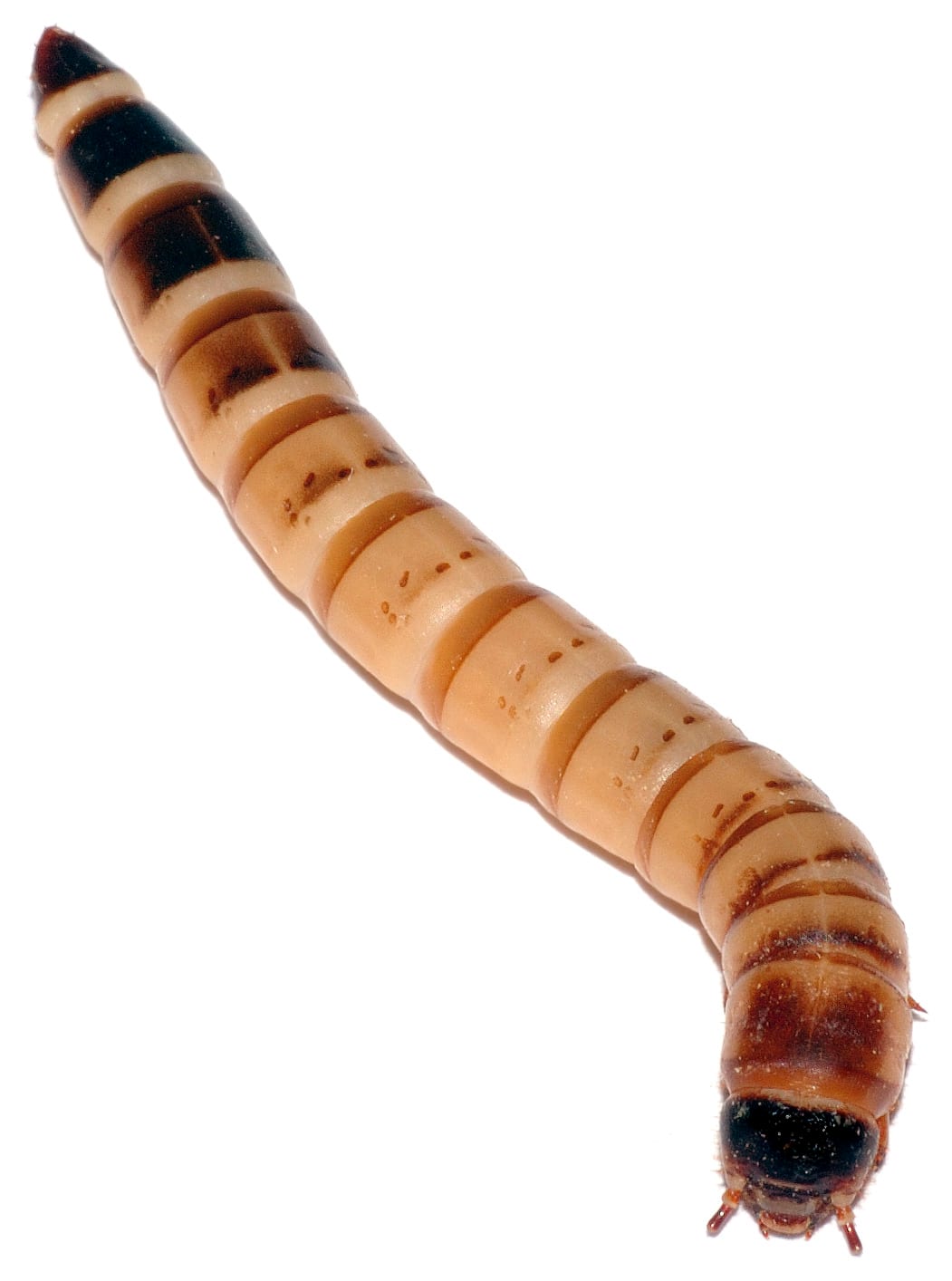
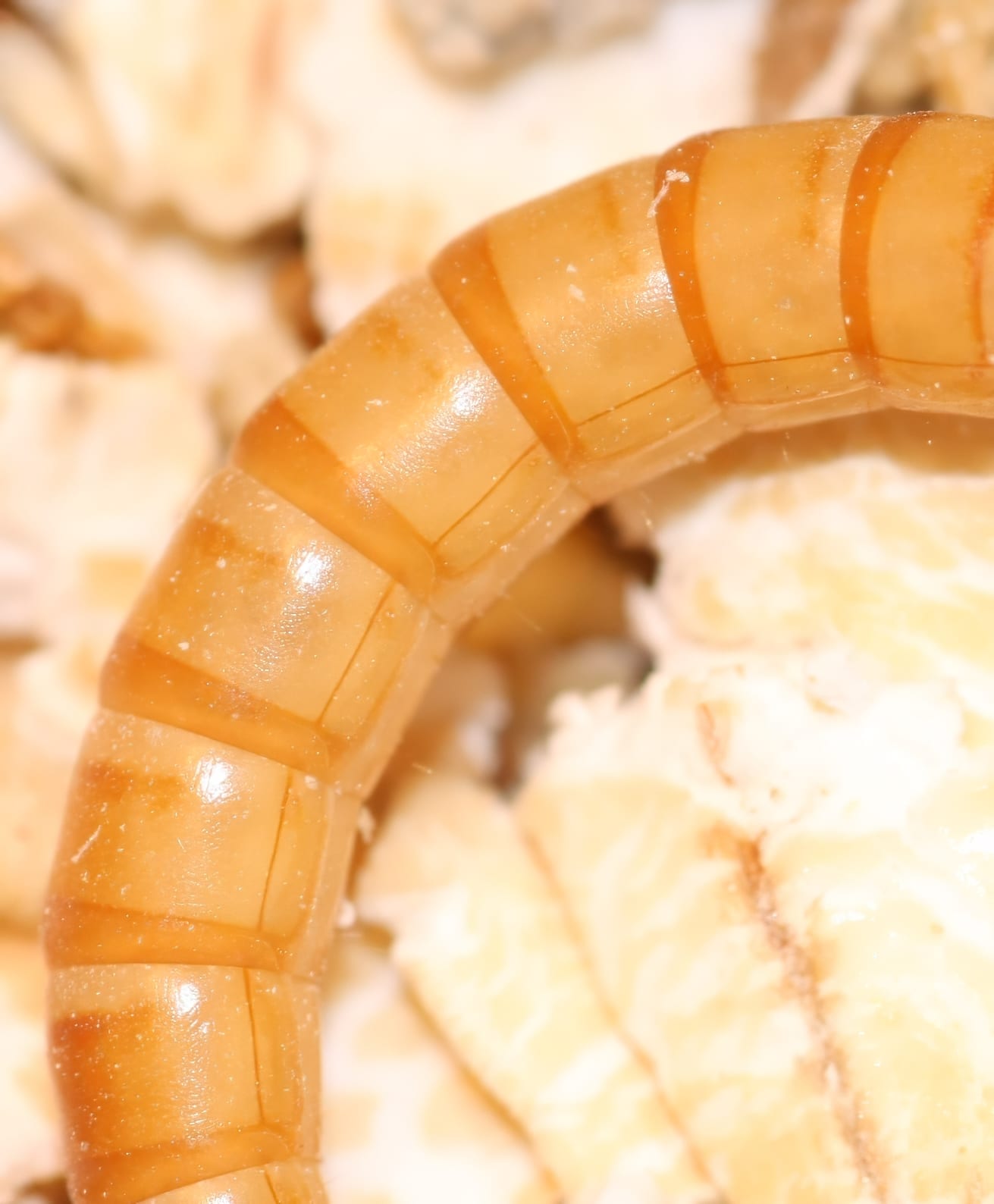
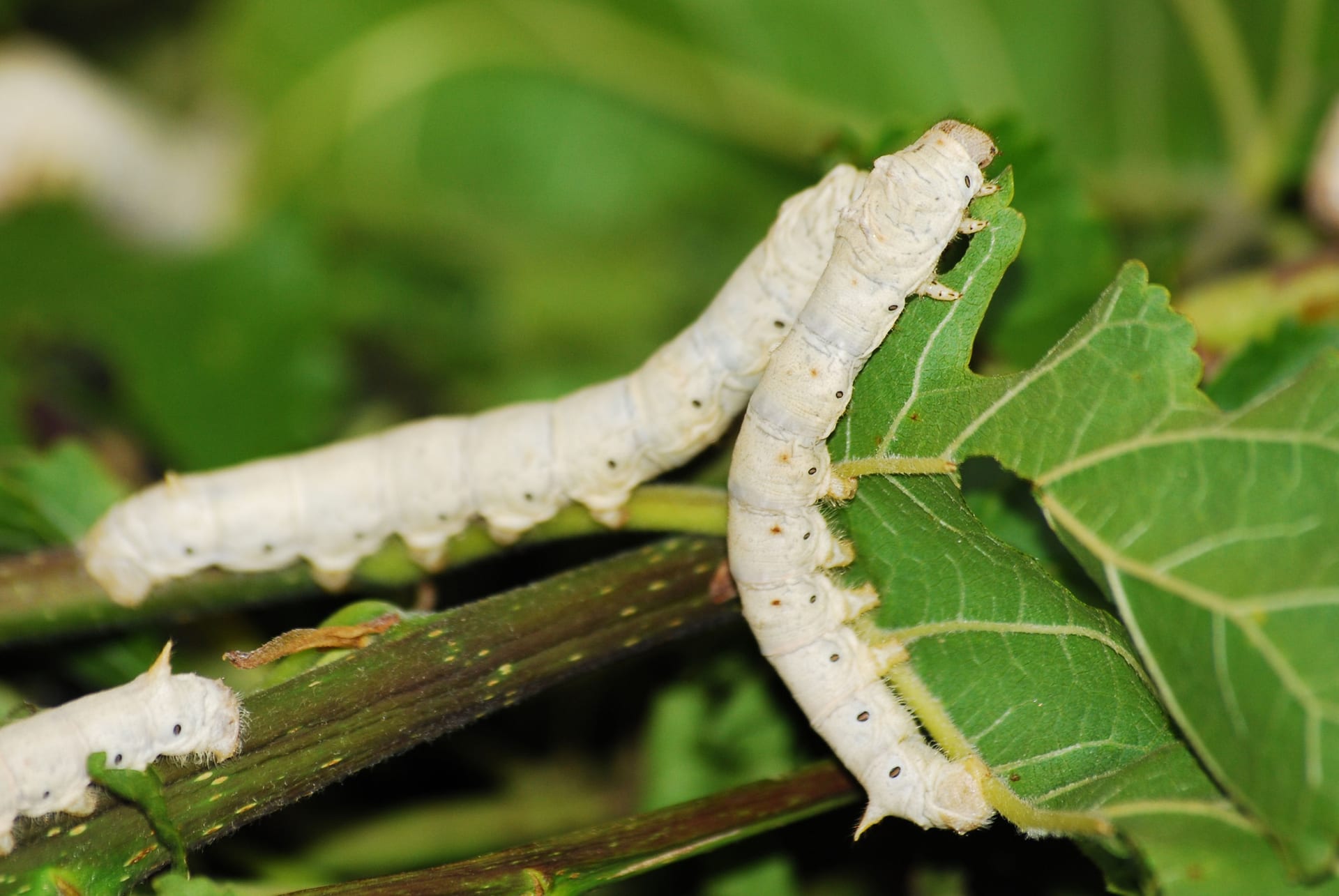
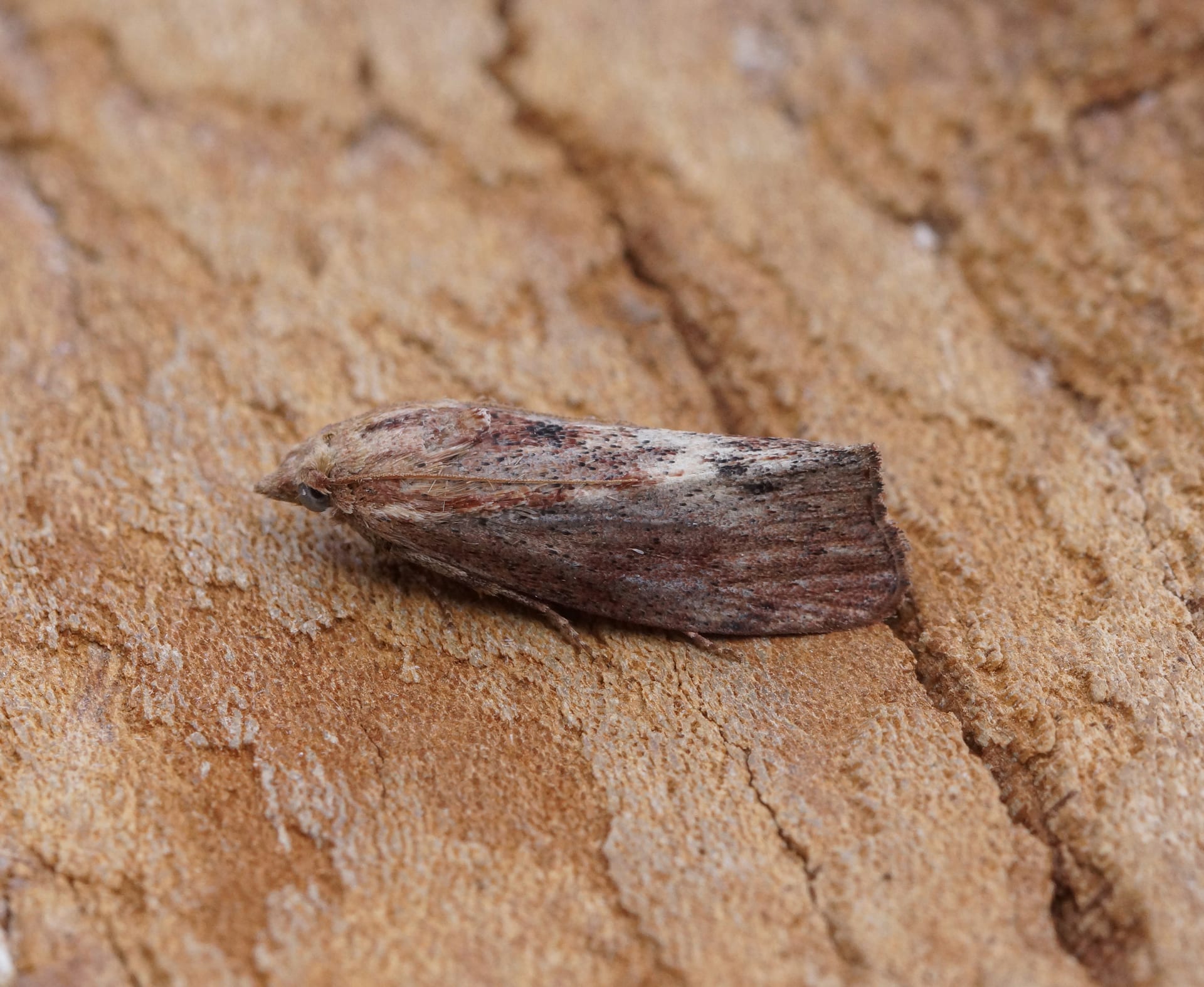
Larva of the greater wax moth, a pest of honeybee combs. A soft white to greyish grub up to 30mm, traded as a high-fat, highly palatable live food and fishing bait. Adults are small brown moths.
Difficulty
Beginner
Temperature
29〜33℃
Lifespan
Egg to adult 45 days at 33C or 98 days at 20C; adults live 1-3 weeks
Size
Larvae 3-30mm; adult wingspan 14-23mm (male), 20-35mm (female)
Humidity
60〜80%
Diet
Comb wax, honey and pollen; in culture an artificial diet of bran and honey
About
The honey worm is the larva of the greater wax moth (Galleria mellonella), a comb pest in beekeeping that is nevertheless easy to culture and is farmed as a substitute for grape-borer fishing bait and as live food for reptiles and amphibians. Larvae are white to greyish and 3-30mm; adults are small brown moths with wingspans of 14-23mm (males) and 20-35mm (females). It occurs worldwide, and in Japan from Honshu to Okinawa and the Ogasawara Islands. Larvae digest comb wax with the help of gut microbes and also eat honey, pollen and dead bees; an artificial diet of bran with yeast, flour and honey outperforms natural food. Development is temperature-dependent: egg to adult takes as little as 45 days at 33C and 98 days at 20C, the pupal stage about 10 days at 30C or 20 days at 20C, and adult females live only 9 days at 30C or 19 days at 20C and do not feed. Breeding is best at 29-33C, while larvae kept as feeders are held at 7-10C in a vegetable drawer to delay pupation. High fat and low calcium make them a treat rather than a staple, and they spin silk and escape through small gaps. Escaped adults become a beekeeping pest, so keep containers sealed.
Source: Wikipedia (CC BY-SA 4.0)
Lifespan of the Waxworm
The Waxworm lives Egg to adult 45 days at 33C or 98 days at 20C; adults live 1-3 weeks.
Size of the Waxworm
The Waxworm grows to Larvae 3-30mm; adult wingspan 14-23mm (male), 20-35mm (female).
Temperature & humidity for the Waxworm
The ideal temperature for the Waxworm is 29〜33℃.
Basic Info
Origin
Care Specifications
PeacefulGroupBreeding: Easy
Sources: Wikipedia (ja): Galleria mellonella / Wikipedia (en): Galleria mellonella / Chameleon With: waxworm guide (storage temperature)
References & Sources
Edited & verified by: BreederDirect editorial team
The taxonomic, regulatory, and husbandry data on this page are compiled and verified against the authoritative primary sources below.
Taxonomy & Authority
Accepted name: Galleria mellonella (Linnaeus, 1758)
Synonyms: Phalaena mellonella, Tinea cerella, Galleria cerealis
Authority databases: GBIF
Nomenclature follows global taxonomic authority databases.
Regulations & Conservation Status
Not CITES-listed
Sources: CITES Appendices (species not listed)
Regulations may change. Always verify the latest information with the relevant authorities.
Waxworm Listings
Loading latest listingsFind listings for this species