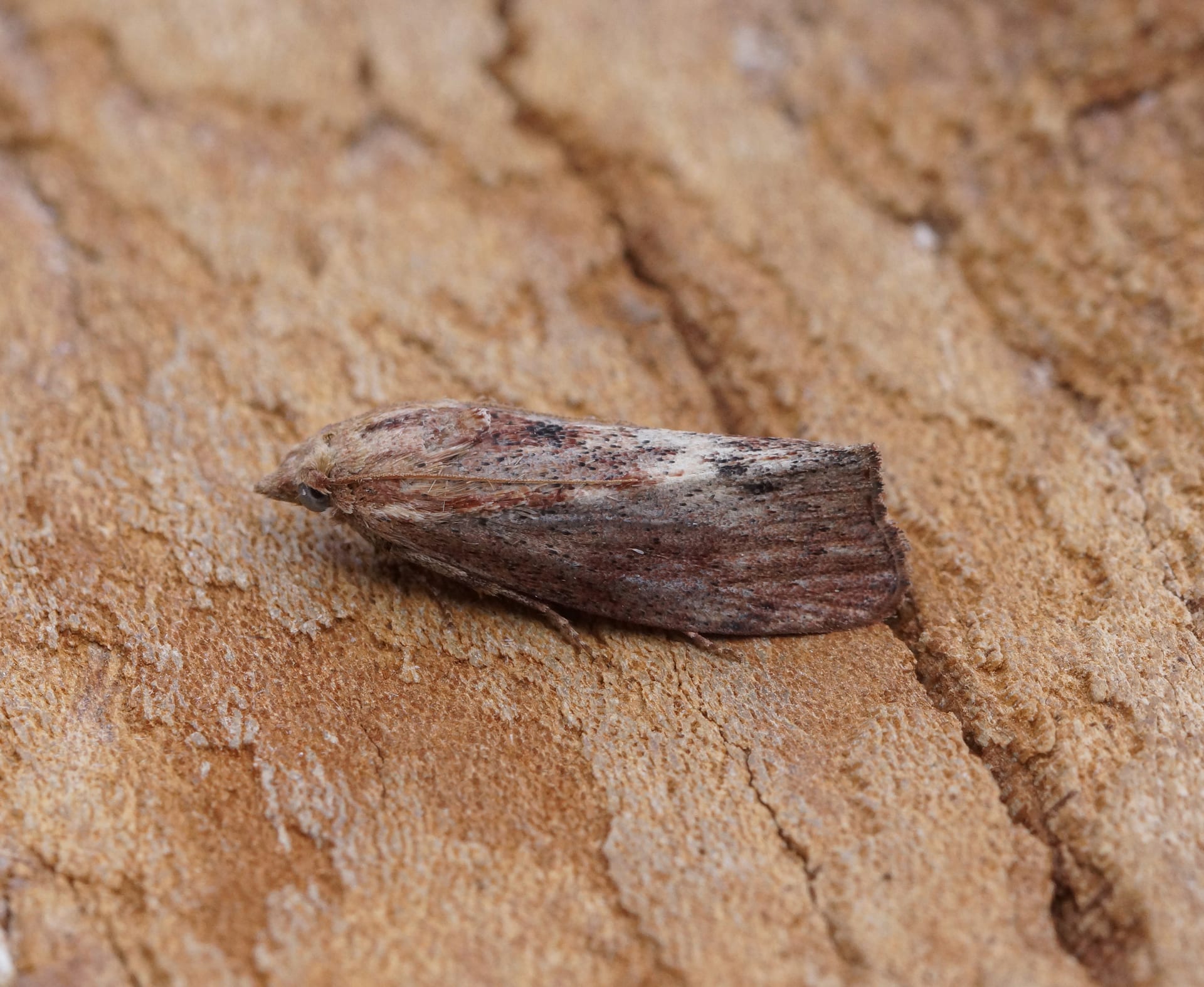
 © Ben Sale / CC BY 4.0
Waxworm
Waxworms are the larvae of the lesser wax moth (Galleria mellonella), a moth whose caterpillars feed on honeycomb inside beehives. They're soft, plump grubs that range from white to grayish in color and grow to about 30mm at most, making them easy to handle. Thanks to their high fat content and strong palatability, waxworms are a popular live food for reptiles, amphibians, and small mammals, and they're also a well-known fishing bait. They move slowly, have no venom or strong odor, and are considered beginner-friendly, making them an approachable choice even for those handling feeder insects for the first time.
View Waxworm encyclopedia →0% commission on your first sales!Register by September 30, 2026 and your first 2 sales are commission-free!
Breeder Wanted!
List on BreederDirect and sell directly to customers nationwide!
BreederDirect's 6 Transparency Commitments
When listing Insects, Breeders disclose the following. We guarantee transparency on growth stage and breeding unit.
- Life Stage Clarity
- Generation Info
- Real Photos
- Breeding Unit
- Country of Origin
- Body Length (mm)
Browse all 336 breeds
Verified breeders wanted for Insects
Breeders are signing up now ahead of launch. Subscribe to be notified when new listings go live.
Getting alerts is free with a member account. When new listings match your saved search, we'll notify you by email and in-app.
Browse other categories
Verified breeders (preview)
Waxworm key facts
- Care level
- Beginner-friendly
- Lifespan
- Egg to adult 45 days at 33C or 98 days at 20C; adults live 1-3 weeks
- Size
- Larvae 3-30mm; adult wingspan 14-23mm (male), 20-35mm (female)
- Temperature
- 29-33°C (breeding); store at 7-10°C
- Diet
- Comb wax, honey and pollen; in culture an artificial diet of bran and honey
- Temperature & Humidity
- Breed at 29-33C; warmer is faster. To hold larvae as feeders, keep at 7-10C in a vegetable drawer to delay pupation, but full refrigerator cold kills them.
- Breeding & Egg-laying
- Adults lay egg clusters in crevices; eggs hatch in 7-8 days at 33C. Colonies run on an artificial diet of bran, flour and honey.
- Cohabitation
- Kept in groups. Moulting larvae are cannibalised when food runs short, so never let the diet run out.
- Lifespan & Rearing Period
- Egg to adult takes 45 days at 33C or 98 days at 20C. Adults do not feed and die within 1-3 weeks.
- Health & Notes
- They spin silk and escape through tiny gaps; escaped adults attack honeybee combs, so use sealed containers. High in fat, so feed sparingly.
About Waxworm
Waxworms are soft, high-fat larvae of the lesser wax moth, popular as live feeder insects and fishing bait. They grow up to 30mm and are considered beginner-friendly to keep.
7 things to know before welcoming a Waxworm
1A high-fat, highly palatable feeder
Waxworms are plump, white-to-grayish grubs prized as live food for reptiles, amphibians, and small mammals thanks to their high fat content and strong palatability. At up to about 30mm long, they're an easy size to offer to smaller pets.
2Growth speed depends on temperature
The time from egg to adult moth varies a lot with temperature — roughly 45 days at around 33°C, but about 98 days at around 20°C. Adjusting the storage temperature lets you control roughly how long they stay in the larval stage.
3Don't overfeed them to your pet
Because waxworms are high in fat, they're best used as an occasional treat or supplement rather than a staple food. Feeding them too often can throw off a pet's nutritional balance, so keep portions and frequency in check.
4Keep them in a lidded container
Left alone, waxworms will pupate and emerge as small brown moths that can fly around. Take out only what you need to feed and store the rest in a securely lidded container.
5Adults are small brown moths
Once they emerge, adult moths measure roughly 14–23mm across in males and 20–35mm in females, both brown in color. Their appearance changes dramatically from the larval stage, so it helps to know what to expect.
6Calmer and easier to handle than they look
The larvae move slowly, aren't aggressive, and don't produce venom or irritating secretions, making them easy to handle. They're considered beginner-friendly, so they're a good entry point even for first-time feeder-insect keepers.
7Best used up before they pupate
Waxworms don't stay in the larval stage forever — pupation and emergence happen on their own schedule. After bringing them home, it's a good idea to plan to use them fairly soon, whether as feeder insects or for observation.
Frequently asked questions about Waxworm
- Q.What animals are waxworms fed to?
- A.Waxworms are widely used as live food for reptiles, amphibians, and small mammals. Their high fat content and strong palatability make them a favorite among picky eaters, though they're best given as a supplement rather than a staple diet.
- Q.What happens when they become adults?
- A.After pupating, waxworms emerge as small brown moths, with males spanning roughly 14–23mm and females 20–35mm. Their appearance is very different from the larval stage, but they pose no danger.
- Q.How long can I keep them as larvae before use?
- A.It depends on temperature: at around 33°C it takes about 45 days from egg to adult, while at around 20°C it takes about 98 days. Keeping them cooler helps extend the time they stay usable as larvae.
- Q.Are they manageable for a first-time feeder-insect keeper?
- A.Yes — waxworms are considered a beginner-friendly species and move slowly, making them easy to handle. They don't require special equipment, so they're a good starting point for anyone new to keeping feeder insects.
- Q.Do they have a strong smell or unpleasant appearance?
- A.The larvae are soft-bodied and white to grayish in color, relatively clean as feeder insects go. They don't give off a strong odor, so even first-timers generally find them easy to handle.
Useful tools for Waxworm care
Learn more about Waxworm in the encyclopedia
View Waxworm encyclopedia entry →
Care difficulty, lifespan, size and diet — all basics covered.
More in this category
Can't find the one you're looking for?
Post your wishes for free and breeders with matching animals will contact you with introductions.