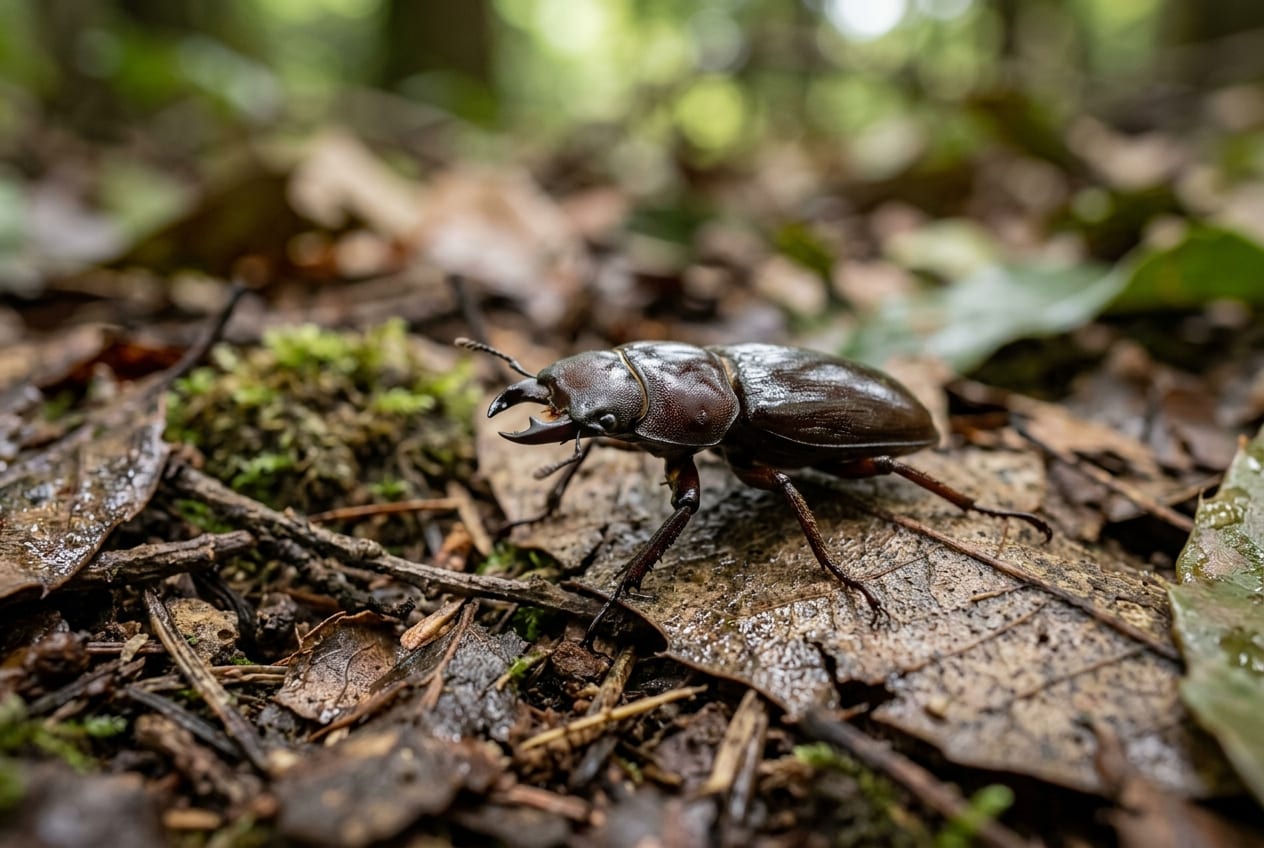
Korean Flat Stag Beetle
The Korean Flat Stag Beetle is a small flat stag beetle species found in Japan only on Tsushima Island in Nagasaki Prefecture. It spends most of its life close to the ground and rarely takes flight, so unlike many stag beetles it almost never turns up at lights at night. Because the larger Tsushima Flat Stag Beetle dominates much of the same habitat, this species survives in scattered, localized pockets, which makes every encounter feel special. Individuals tend to be calm and unhurried, and while the body is compact, mandible shape varies noticeably between individuals, rewarding close observation. It's an approachable choice even for first-time keepers of Tsushima's native stag beetles, with a quiet, understated charm all its own.
View Korean Flat Stag Beetle encyclopedia →0% commission on your first sales!Register by September 30, 2026 and your first 2 sales are commission-free!
Breeder Wanted!
List on BreederDirect and sell directly to customers nationwide!
6 Transparency Standards You Can Trust
When listing Insects, Breeders disclose the following. We guarantee transparency on growth stage and breeding unit.
- Life Stage Clarity
- Generation Info
- Real Photos
- Breeding Unit
- Country of Origin
- Body Length (mm)
Browse all 296 breeds
Verified breeders wanted for Insects
Breeders are signing up now ahead of launch. Subscribe to be notified when new listings go live.
Getting alerts is free with a member account. When new listings match your saved search, we'll notify you by email and in-app.
Browse other categories
Verified breeders (preview)
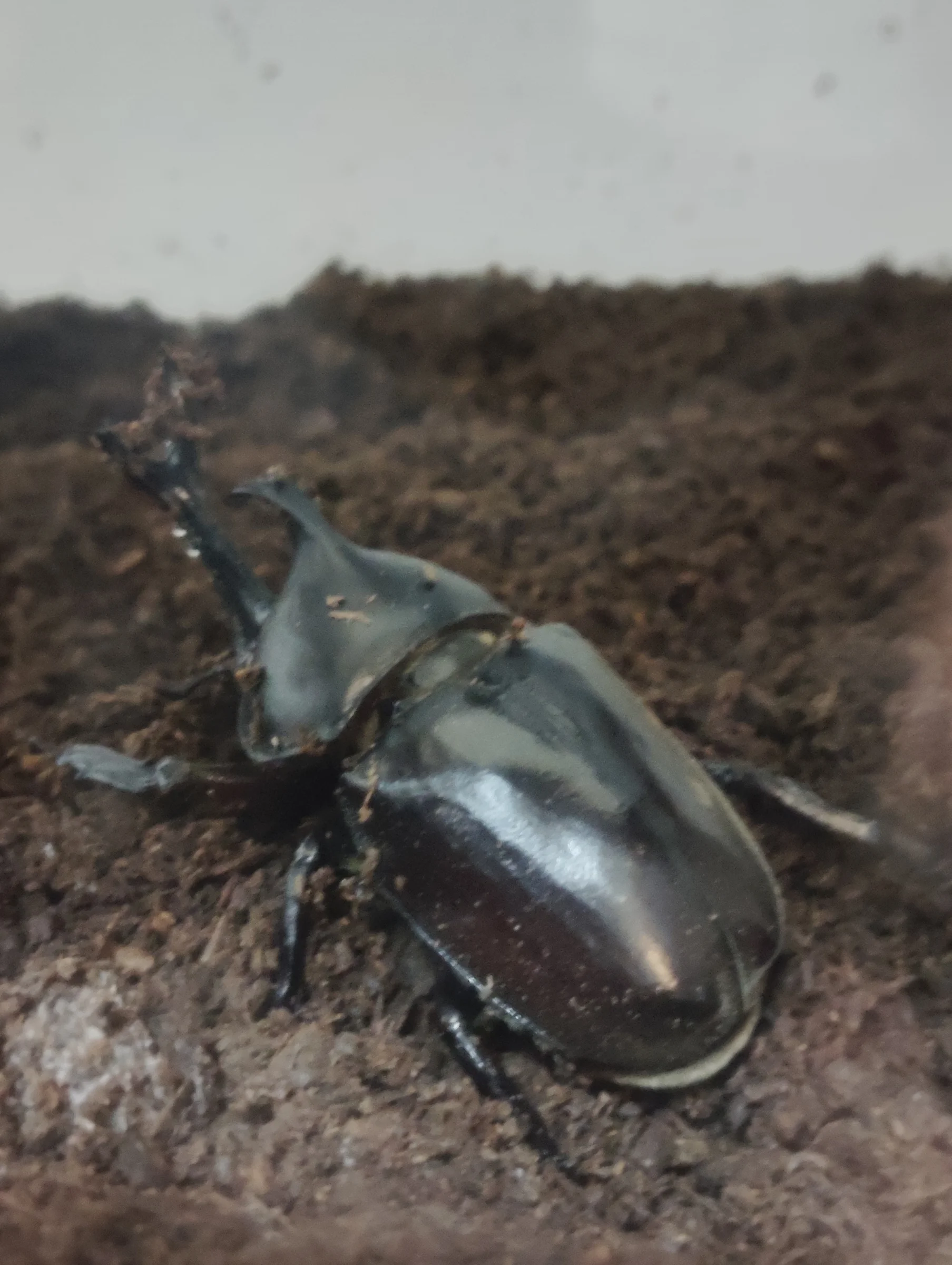
Korean Flat Stag Beetle key facts
- Care level
- Intermediate
- Lifespan
- Adults 6 months to 2 years
- Size
- Males 24.3-62.5 mm / females 20-29 mm (the nominate subspecies on Tsushima: males 24.3-53.9 mm, females 20-26 mm)
- Temperature
- 18〜24℃
- Diet
- Tree sap (sawtooth oak, konara oak, Castanopsis and others), beetle jelly
- Temperature & Humidity
- Published rearing reports use 18-24 C or 22-24 C, and there is an egg-laying report at ambient room temperature. Keep the substrate lightly moistened and never dry, and avoid extreme heat, as this is a lowland Tsushima species.
- Breeding & Egg-laying
- For egg-laying, pack lightly moistened fermented substrate about 10 cm deep in the base of the container and add footholds. One report records 33 eggs from a two-week set begun in early May. In captivity laying is confined to April through June and beetles do not lay in the year they emerge, only after overwintering, so allow a long maturation period for this reluctant breeder.
- Cohabitation
- House singly, as with stag beetles generally. It competes with Dorcus titanus castanicolor on Tsushima and two hybrids between the two have been reported, so never house it with other species or subspecies.
- Lifespan & Rearing Period
- Adults live from six months to two years. The larval stage lasts about a year: a pupal cell is built in spring, pupation takes about a month, emergence about another month, and the adult leaves the cell roughly two months after emerging. One report records a 50.3 mm male raised in a single 350 cc fungus bottle.
- Health & Notes
- The Tsushima population is scarce and local, so captive stock must never be released. Chinese stock belongs to the separate subspecies D. c. akahorii, so do not breed beetles of different origins together.
About Korean Flat Stag Beetle
A small flat stag beetle found only on Tsushima Island, Japan. It stays close to the ground and rarely comes to light, suited to intermediate keepers, with adults living six months to two years.
7 things to know before welcoming a Korean Flat Stag Beetle
1Habitat Setup and Substrate
Since this species lives close to the ground, use a container with a generous layer of insect mat or leaf-mold substrate. Avoid excess moisture, but add a piece of driftwood or charcoal so it has somewhere to settle in comfortably.
2Feeding: Insect Jelly
Commercial insect jelly works well as its main food. Appetite varies between individuals, so check how much has been eaten and replace the jelly every few days.
3Don't House Males Together
As with other flat stag beetles, keeping two males in the same enclosure can lead to fights and injuries from their mandibles. If you're keeping more than one, give each male its own container.
4Keep It Cool, Not Humid
Maintaining a climate similar to Tsushima's, without extreme heat, helps it live longer. In summer, keep the enclosure out of direct sunlight in a well-ventilated spot.
5A Locally Restricted Species
It lives only on Tsushima Island and shares its habitat with the larger Tsushima Flat Stag Beetle, so wild encounters are limited to a small area. Keeping one at home is a rare chance to observe a species most people will never see in the wild.
6Calm and Rarely Flies
It almost never takes flight and doesn't come to lights, so it tends to stay relatively still inside its enclosure. It's not easily startled into frantic movement, making it pleasant to simply watch.
7What to Prepare Beforehand
Have an enclosure, insect mat, insect jelly, and a piece of driftwood ready before bringing one home. With a lifespan of six months to two years, plan to care for it over the long term.
Frequently asked questions about Korean Flat Stag Beetle
- Q.Where does the Korean Flat Stag Beetle live in the wild?
- A.In Japan, it's found only on Tsushima Island in Nagasaki Prefecture. It shares that habitat with the larger Tsushima Flat Stag Beetle, so its range is quite localized.
- Q.How long do they typically live?
- A.Adults typically live from six months to about two years. Lifespan varies with care, so keeping temperature and humidity well managed helps them live longer.
- Q.How big do they get?
- A.Males range from about 24.3 to 62.5 mm and females from about 20 to 29 mm. The nominate subspecies native to Tsushima runs slightly smaller, with males around 24.3-53.9 mm and females around 20-26 mm.
- Q.Is this a good beetle for beginners?
- A.It's generally considered suited to intermediate keepers rather than complete beginners. Much of its care overlaps with other flat stag beetles, though it helps to mimic Tsushima's mild climate.
- Q.Does it fly toward lights at night?
- A.It rarely flies and almost never comes to lights. It's a ground-dwelling species that spends most of its time walking near the surface.
Useful tools for Korean Flat Stag Beetle care
Learn more about Korean Flat Stag Beetle in the encyclopedia
View Korean Flat Stag Beetle encyclopedia entry →
Care difficulty, lifespan, size and diet — all basics covered.
More in this category
Can't find the one you're looking for?
Post your wishes for free and breeders with matching animals will contact you with introductions.