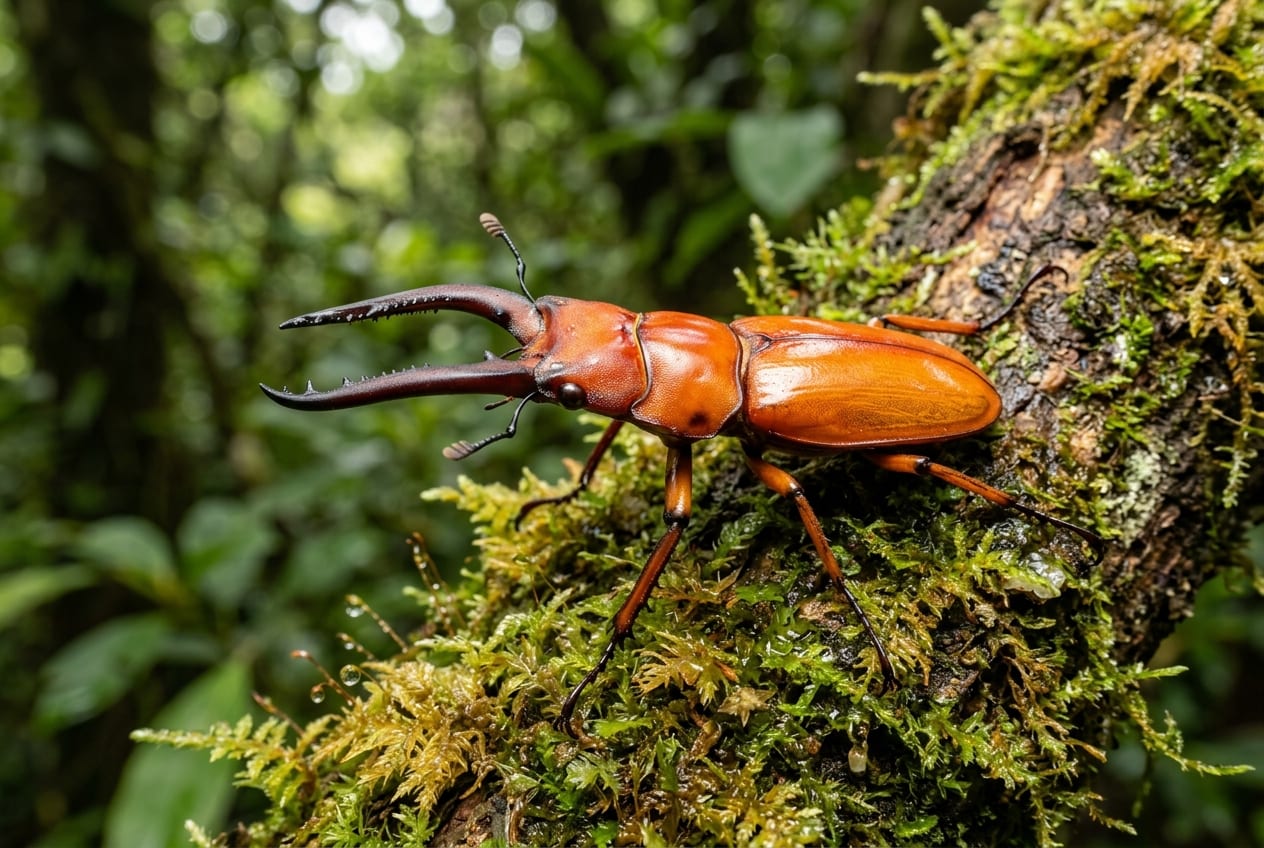
Tokara Saw Stag Beetle
Endemic to the Tokara Islands, this subspecies of the Amami saw stag beetle stands out for its striking color range, from bright orange to jet black. Its body is somewhat slimmer than the nominate subspecies, and while wild individuals tend to be small, captive-bred beetles often grow noticeably larger. It's considered beginner-friendly and generally easy to keep. Adults live for roughly a year once they begin feeding, and since newly emerged beetles rest for about a year before becoming active, there's no rush getting your setup ready.
View Tokara Saw Stag Beetle encyclopedia →0% commission on your first sales!Register by September 30, 2026 and your first 2 sales are commission-free!
Breeder Wanted!
List on BreederDirect and sell directly to customers nationwide!
6 Transparency Standards You Can Trust
When listing Insects, Breeders disclose the following. We guarantee transparency on growth stage and breeding unit.
- Life Stage Clarity
- Generation Info
- Real Photos
- Breeding Unit
- Country of Origin
- Body Length (mm)
Browse all 296 breeds
Verified breeders wanted for Insects
Breeders are signing up now ahead of launch. Subscribe to be notified when new listings go live.
Getting alerts is free with a member account. When new listings match your saved search, we'll notify you by email and in-app.
Browse other categories
Verified breeders (preview)
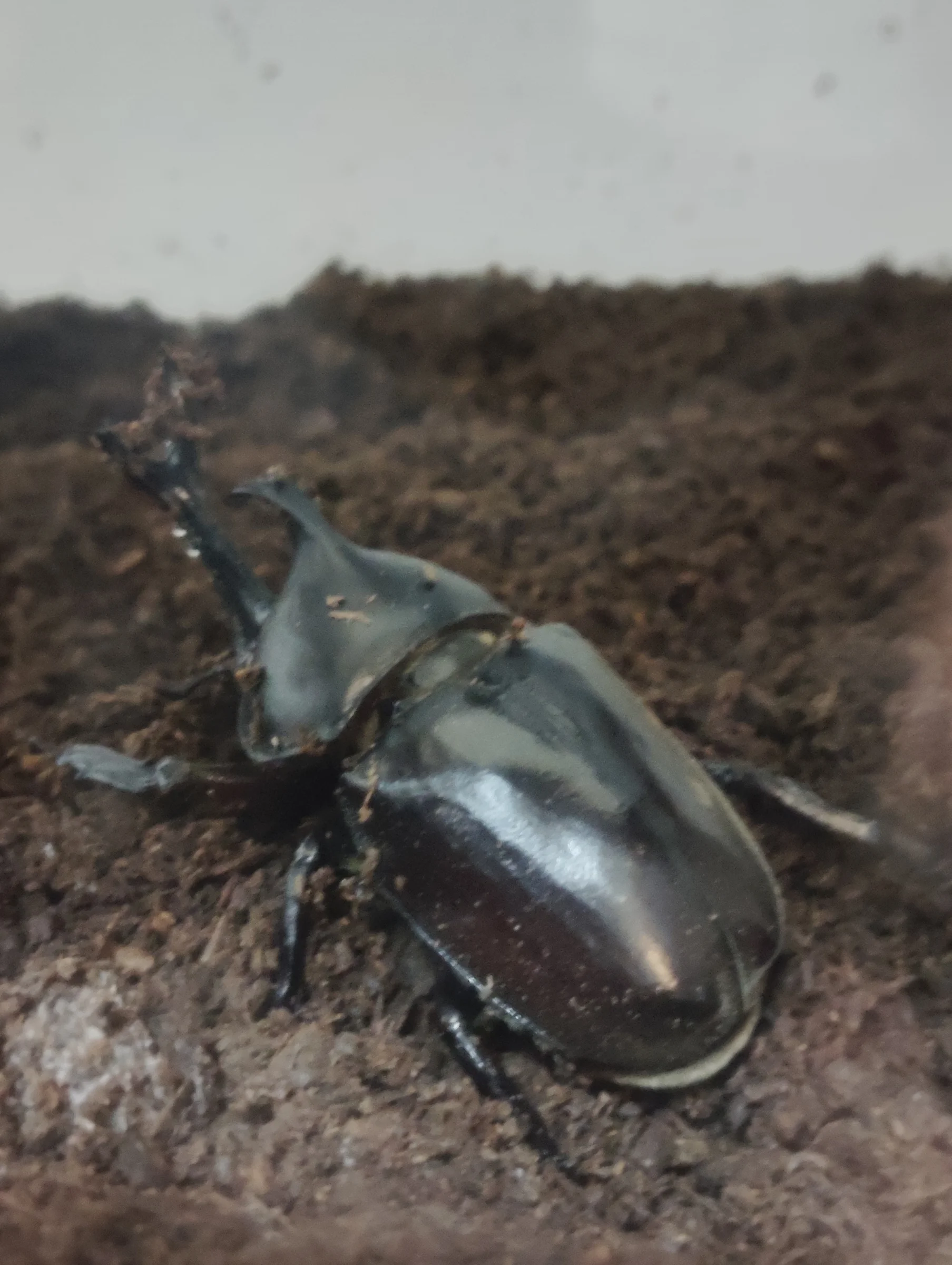
Tokara Saw Stag Beetle key facts
- Care level
- Beginner-friendly
- Lifespan
- About a year from the start of feeding, after roughly a year of dormancy following emergence
- Size
- Males 22.7-76.6 mm (including captive; the wild record is 74.2 mm) / females 24.5-35 mm
- Diet
- Sap of broadleaf trees such as Mallotus, Machilus and Castanopsis; beetle jelly
- Temperature & Humidity
- Although it comes from subtropical islands, keep it like the mainland Japanese saw stag. Avoid extreme cold in winter and keep the substrate moist enough to clump when squeezed. Larval substrate does best kept on the damp side.
- Breeding & Egg-laying
- She lays in substrate, but along the walls and floor of the box or against a log rather than in the middle of it. Pack black soil or fully fermented fine substrate firmly. Eggs hatch in about a month and larvae take one to two years. Slightly damp fermented substrate suits them best; fungus bottles work but offer little advantage.
- Cohabitation
- Males are very aggressive: where the mainland saw stag mostly postures, this group grabs straight away. Females are often killed during pairing, so keep the beetles singly, house them together only a few days and separate them once mating is seen.
- Lifespan & Rearing Period
- It lives about a year from the start of feeding, after roughly a year of dormancy following emergence, though depending on the season it sometimes skips the dormancy. In captivity beetles that emerge by August become active after some two months, while later ones usually stay dormant even under temperature control. The flight season is June to August.
- Health & Notes
- Males of this group cannot chew an exit hole through wood, so the larva usually leaves the log and builds its pupal cell in the soil; give it a deep layer of substrate. Collecting is prohibited in the Tokara Islands, so stock comes from captive-bred beetles. Colour and size differ between islands, so never cross localities and never release captive beetles.
About Tokara Saw Stag Beetle
A stag beetle subspecies endemic to Japan's Tokara Islands, prized for its wide color range from orange to black and its potential for large size when captive-bred. Beginner-friendly and long-lived once feeding begins.
7 things to know before welcoming a Tokara Saw Stag Beetle
1Highly Variable Coloration
Individuals range from bright orange to solid black, so no two beetles look quite the same. This variability is part of what makes the subspecies appealing to collectors.
2Grows Larger in Captivity
Wild individuals tend to run small, but captive rearing often produces larger adults. Males range from 22.7 to 76.6mm, so size varies considerably depending on how they're raised.
3About a Year of Post-Emergence Dormancy
Newly emerged beetles don't become active right away — they typically rest for about a year before starting to feed. Don't be alarmed if your beetle stays still at first; this is normal.
4Roughly a One-Year Adult Lifespan
Once feeding begins, adults typically live for about a year. Combined with the dormancy period beforehand, you'll spend a long time with your beetle overall, so make the active feeding period count with good care.
5Beginner-Friendly Care
This subspecies is considered easy to keep for beginners. With basic beetle-keeping supplies — a rearing case, insect mat substrate, and jelly food — you can get started without much difficulty.
6Notable Size Difference Between Sexes
Males show a wide size range from 22.7 to 76.6mm, while females are more consistently smaller at 24.5 to 35mm. Keep this difference in mind when sizing your rearing case for males versus females.
7Prepare Your Setup Before Bringing One Home
Before your beetle arrives, it's smart to have the basics ready: a rearing case, substrate, a climbing branch, and jelly food. Also decide on a quiet spot for the case in advance, since it will need calm surroundings during its dormancy period.
Frequently asked questions about Tokara Saw Stag Beetle
- Q.Is the Tokara Saw Stag Beetle regulated under CITES?
- A.No, this species is not subject to CITES.
- Q.Is it normal for a newly acquired beetle not to move much?
- A.This is normal. Newly emerged beetles rest for about a year before they begin feeding, so limited activity at first is expected rather than a cause for concern.
- Q.How large does this beetle typically grow?
- A.Males range from 22.7 to 76.6mm and females from 24.5 to 35mm. Wild individuals tend to be smaller, while captive-bred beetles can grow noticeably larger.
- Q.How difficult is this species to keep?
- A.This species is considered beginner-friendly. With standard beetle-keeping supplies, most people can get started without difficulty.
- Q.How long does this beetle live?
- A.Adults live for roughly a year once they begin feeding. Including the dormancy period after emergence, you can expect a long relationship with your beetle overall.
Useful tools for Tokara Saw Stag Beetle care
Learn more about Tokara Saw Stag Beetle in the encyclopedia
View Tokara Saw Stag Beetle encyclopedia entry →
Care difficulty, lifespan, size and diet — all basics covered.
More in this category
Can't find the one you're looking for?
Post your wishes for free and breeders with matching animals will contact you with introductions.