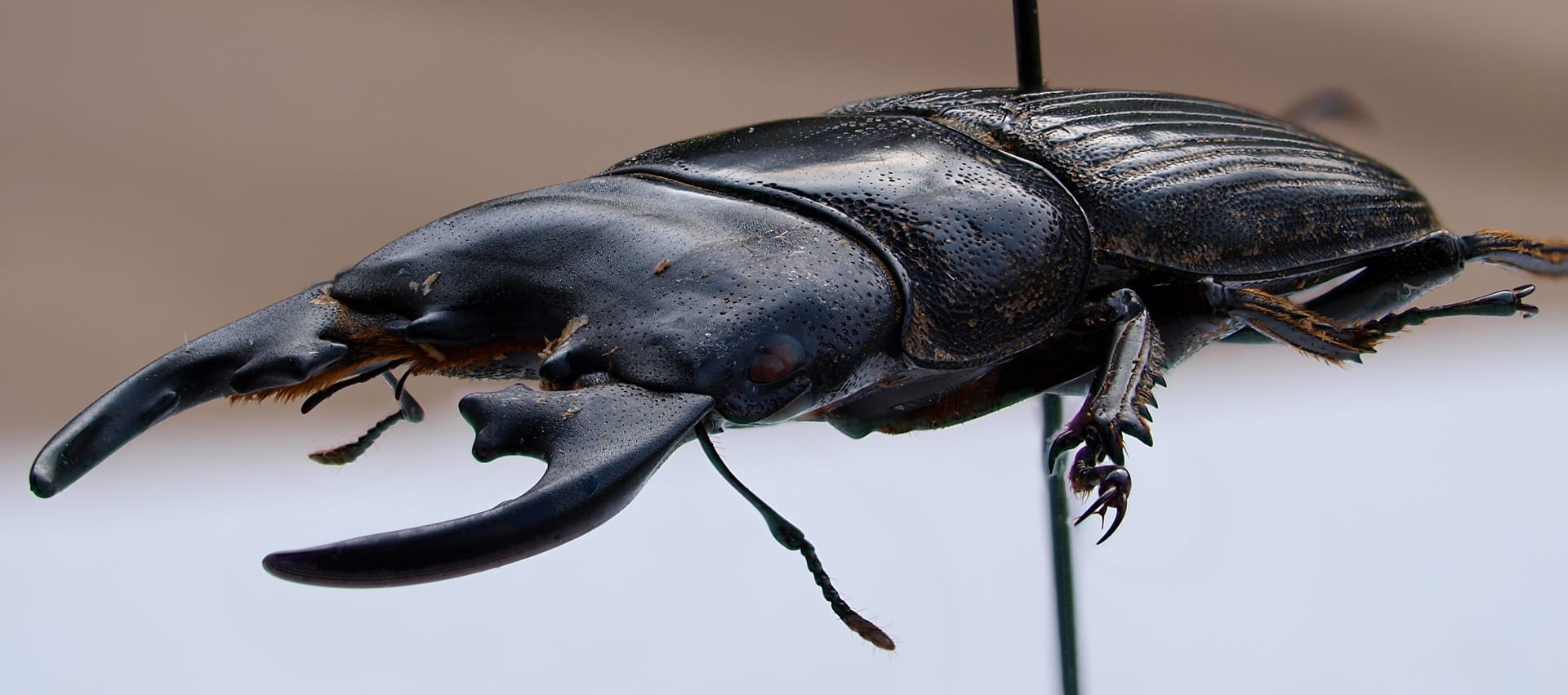
 © JohnSka / CC BY-SA 3.0
Platyodon Stag Beetle
The Platyodon Stag Beetle is one of the larger species within its genus of stag beetles. Its most distinctive feature is the star-shaped inner tooth on the male's mandibles, a shape rarely seen in other stag beetles. Like others in its genus, it has thick longitudinal ridges running down its elytra and a thick mandible base, giving it a solid, robust look. The larvae feed on soil-like humus that has been broken down by termites, a very different diet from stag beetles that simply eat rotting wood. Captive-bred males have reached around 57.3mm, noticeably larger than wild-caught specimens, making this a rewarding species to raise from larva through to adulthood.
View Platyodon Stag Beetle encyclopedia →0% commission on your first sales!Register by September 30, 2026 and your first 2 sales are commission-free!
Breeder Wanted!
List on BreederDirect and sell directly to customers nationwide!
6 Transparency Standards You Can Trust
When listing Insects, Breeders disclose the following. We guarantee transparency on growth stage and breeding unit.
- Life Stage Clarity
- Generation Info
- Real Photos
- Breeding Unit
- Country of Origin
- Body Length (mm)
Browse all 296 breeds
Verified breeders wanted for Insects
Breeders are signing up now ahead of launch. Subscribe to be notified when new listings go live.
Getting alerts is free with a member account. When new listings match your saved search, we'll notify you by email and in-app.
Browse other categories
Verified breeders (preview)
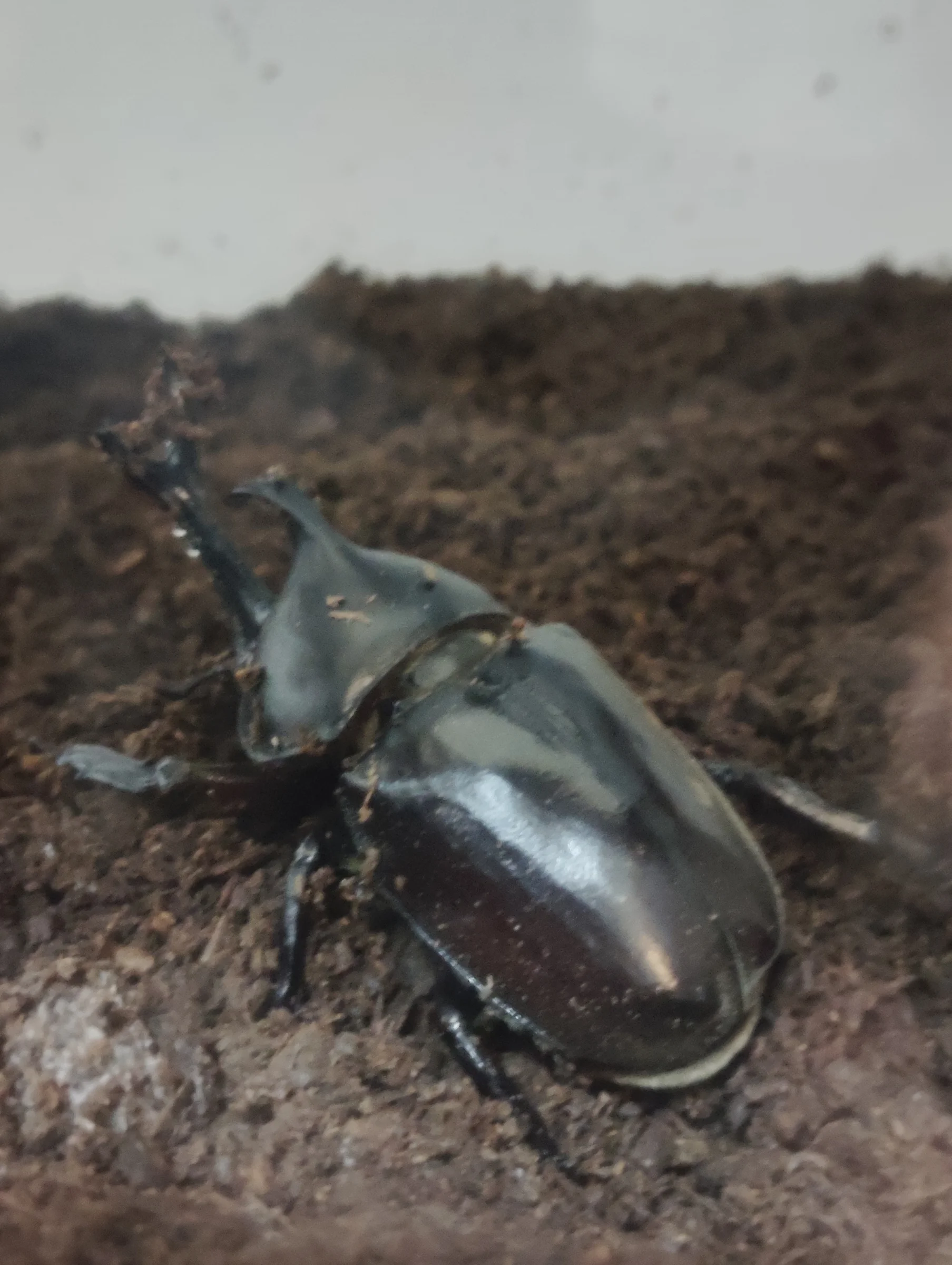
About Platyodon Stag Beetle
A guide to the Platyodon Stag Beetle, a large member of its genus known for the male's star-shaped mandible teeth. Suited to intermediate keepers; adults live one to several months after eclosion.
7 things to know before welcoming a Platyodon Stag Beetle
1Star-Shaped Mandible Teeth
The male's most striking feature is the star-shaped tooth on the inner edge of the mandibles. Combined with the thick ridges on the elytra and a heavy mandible base typical of its genus, mature males have real presence.
2Best Suited to Intermediate Keepers
This species calls for some experience with temperature, humidity, and substrate selection. First-time beetle keepers may want to build up basic care knowledge before taking one on.
3A Lifespan of Just a Few Months
Adults typically live from one to several months after emerging from the pupa, so this isn't a species kept for the long haul. Make the most of that active period with attentive feeding and enclosure care.
4Larvae Feed on Termite-Processed Humus
Unlike stag beetles that simply eat rotting wood, the larvae of this species feed on soil-like humus that termites have already broken down. In captivity, choosing substrate suited to this diet — well-fermented material rather than standard flake soil — matters.
5A Guide to Adult Size
Captive-bred males have reached 57.3mm for the nominate subspecies and 56.8mm for subspecies leopoldi, both larger than wild-caught records of 51.2mm and 54.5mm. Individual variation is significant, so treat these figures as a general guide.
6Temperature and Humidity Are Key
This species tends to be sensitive to heat and dryness, so keep the enclosure out of direct sunlight in a spot with stable temperature and humidity. Pay extra attention during seasonal transitions.
7Prepare Your Setup Before Bringing One Home
Including the larval stage, the overall keeping period runs fairly long, so it helps to have your enclosure and substrate ready in advance. Planning to raise one from larva to adult, not just keep an adult, is a great way to appreciate this species fully.
Frequently asked questions about Platyodon Stag Beetle
- Q.How difficult is it to keep the Platyodon Stag Beetle?
- A.It's considered suited to intermediate keepers. Because it calls for some knowledge of temperature, humidity, and substrate selection, it's best approached after gaining basic stag beetle keeping experience.
- Q.How long do adults live?
- A.Adults typically live from one to several months after emerging from the pupa. Since this isn't a species kept over the long term, it's worth focusing on careful care during that active period.
- Q.What do the larvae eat?
- A.The larvae feed on soil-like humus that has already been broken down by termites. This differs from stag beetles that eat rotting wood directly, so keepers should use substrate suited to this diet.
- Q.How large do adults grow?
- A.Captive-bred males have reached 57.3mm for the nominate subspecies and 56.8mm for subspecies leopoldi, larger than wild-caught records of 51.2mm and 54.5mm. Keep in mind that individual variation can be considerable.
- Q.Is this species subject to CITES?
- A.The Platyodon Stag Beetle is not subject to CITES.
Useful tools for Platyodon Stag Beetle care
Learn more about Platyodon Stag Beetle in the encyclopedia
View Platyodon Stag Beetle encyclopedia entry →
Care difficulty, lifespan, size and diet — all basics covered.
More in this category
Can't find the one you're looking for?
Post your wishes for free and breeders with matching animals will contact you with introductions.