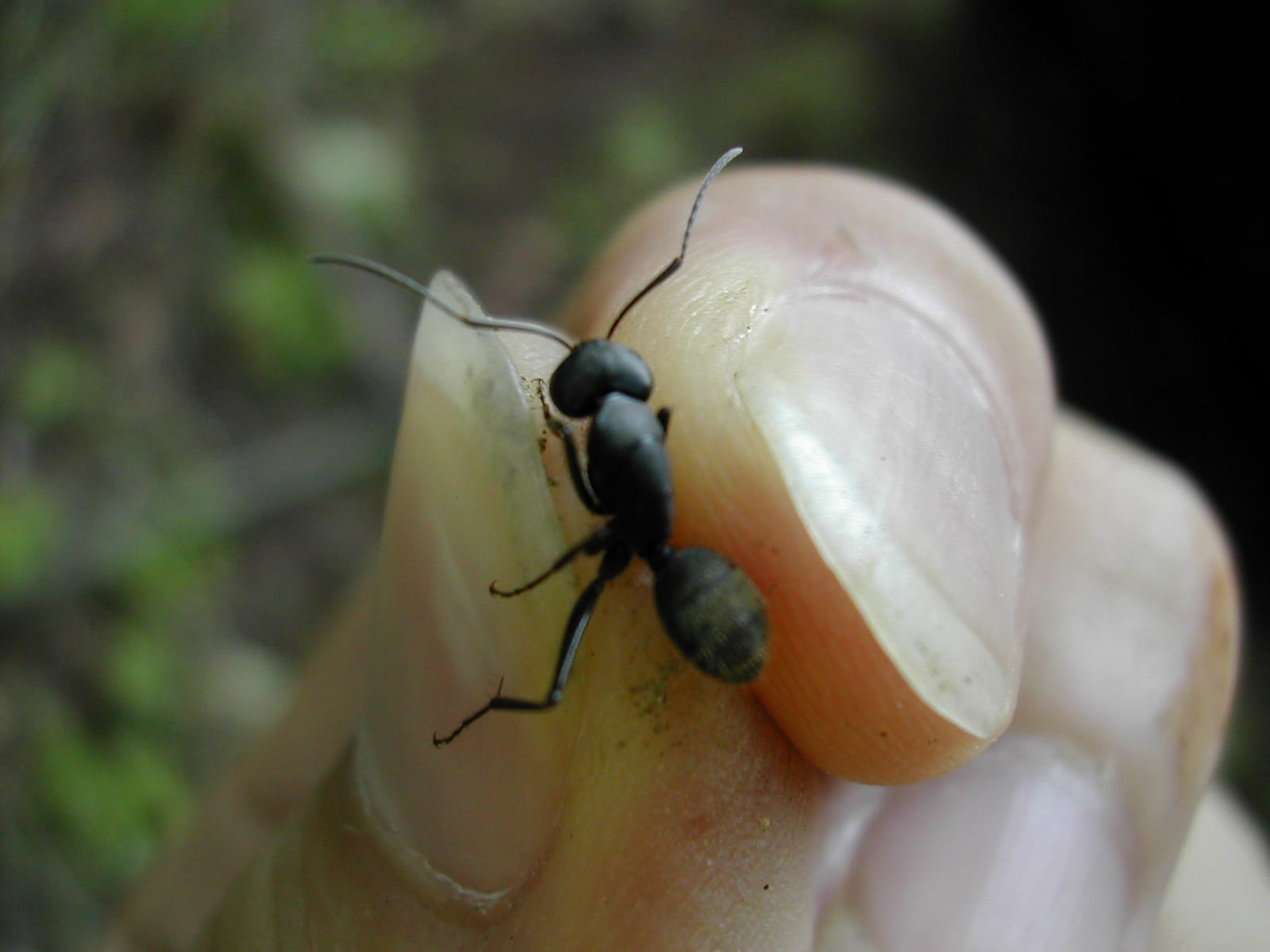
 © Imuzak / Public domain
Japanese Carpenter Ant
The Japanese carpenter ant is one of Japan's largest black ants and a longtime staple for ant keepers. It naturally nests in open, dry ground, and new queens become available after completing their nuptial flight in early summer, letting keepers raise a colony from its very start. Hardy and low-maintenance, it offers dynamic, easy-to-observe behavior. Queens are said to live around 20 years in captivity, making this a great choice for anyone who wants to watch a colony grow over the long term.
View Japanese Carpenter Ant encyclopedia →0% commission on your first sales!Register by September 30, 2026 and your first 2 sales are commission-free!
Breeder Wanted!
List on BreederDirect and sell directly to customers nationwide!
6 Transparency Standards You Can Trust
When listing Insects, Breeders disclose the following. We guarantee transparency on growth stage and breeding unit.
- Life Stage Clarity
- Generation Info
- Real Photos
- Breeding Unit
- Country of Origin
- Body Length (mm)
Browse all 296 breeds
Verified breeders wanted for Insects
Breeders are signing up now ahead of launch. Subscribe to be notified when new listings go live.
Getting alerts is free with a member account. When new listings match your saved search, we'll notify you by email and in-app.
Browse other categories
Verified breeders (preview)
About Japanese Carpenter Ant
Japan's largest black carpenter ant, easy for beginners to keep. A classic ant-keeping species raised from new queens available in early summer.
7 things to know before welcoming a Japanese Carpenter Ant
1Housing and Environment
Since this species naturally nests in open, dry ground, an ant-keeping enclosure that stays on the drier side suits it well. Keeping the nesting chamber dark and separate from the foraging area makes both observation and care easier.
2Adult Size
Workers grow to about 7-12mm, making this one of the larger ant species found in Japan. Colonies contain workers of varying sizes, and watching that size variation is one of the pleasures of keeping them.
3Why It Suits Beginners
This species is considered suitable for beginners, being hardy and relatively tolerant of environmental changes. It's an accessible first choice for anyone new to ant keeping.
4Starting From a New Queen
New queens that have completed their nuptial flight in early summer become available, letting you watch the process from egg-laying and hatching through to a growing worker population from the very beginning. Observing the queen alone during the colony's founding stage is part of the appeal.
5Temperament and Handling
Despite its large size, this ant shows disciplined, organized behavior within the colony, making it well suited to observation-focused keeping. Keeping the enclosure in a quiet environment without excessive disturbance is key to long-term care.
6Planning Around Its Lifespan
Queens are said to live around 20 years in captivity, meaning this is a very long-term commitment. It's worth thinking ahead about a stable placement and ongoing care arrangement before bringing one home.
7Basic Care Routine
Daily care such as feeding and managing humidity in the nest is required, but this isn't an especially demanding species overall. Set up an environment where you can comfortably keep up with observation and care at a sustainable pace.
Frequently asked questions about Japanese Carpenter Ant
- Q.Is the Japanese carpenter ant subject to CITES?
- A.The Japanese carpenter ant is not subject to CITES. We don't address any other regulatory matters here.
- Q.Can a first-time keeper raise this species?
- A.This species is considered suitable for beginners and is a popular first choice for people new to ant keeping. As long as you can maintain basic ongoing care, it's an approachable species to start with.
- Q.How large do they grow?
- A.Workers grow to roughly 7-12mm, placing them among the larger ant species in Japan. You'll see individuals of varying sizes within the same colony.
- Q.How long does the queen live?
- A.In captivity, queens are said to live around 20 years. It's best to bring one home with the expectation of long-term, ongoing care.
- Q.When do new queens become available?
- A.New queens become available in early summer after completing their nuptial flight. From there, the colony gradually grows through a founding period in which the queen lays and raises her first brood alone.
Useful tools for Japanese Carpenter Ant care
Learn more about Japanese Carpenter Ant in the encyclopedia
View Japanese Carpenter Ant encyclopedia entry →
Care difficulty, lifespan, size and diet — all basics covered.
More in this category
Can't find the one you're looking for?
Post your wishes for free and breeders with matching animals will contact you with introductions.