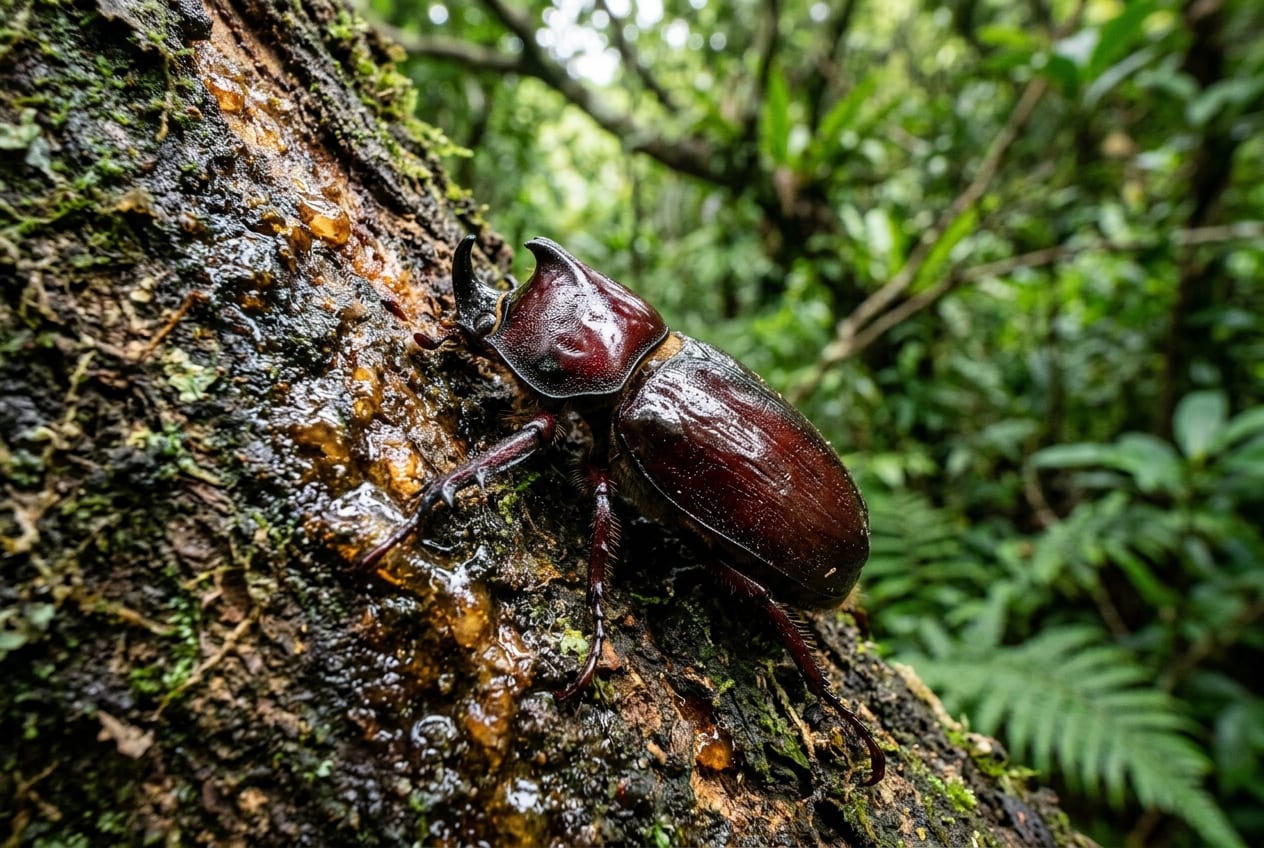
Okinawa Rhinoceros Beetle
The Okinawa rhinoceros beetle is a subspecies found only on the Okinawa Islands, noticeably smaller than its mainland Japanese relative, with males sporting a more modest horn. Males have a glossy sheen on their wing covers, while females are covered in fine yellowish-gray hairs, making the sexes easy to tell apart at a glance. In the wild, this beetle avoids open lowland areas, living only in forests that retain healthy natural growth. Because it suits keepers with some prior experience, and adults live for only about one to three months, paying close attention to temperature, humidity, and feeding during that short window is key to enjoying this species at its best.
View Okinawa Rhinoceros Beetle encyclopedia →0% commission on your first sales!Register by September 30, 2026 and your first 2 sales are commission-free!
Breeder Wanted!
List on BreederDirect and sell directly to customers nationwide!
6 Transparency Standards You Can Trust
When listing Insects, Breeders disclose the following. We guarantee transparency on growth stage and breeding unit.
- Life Stage Clarity
- Generation Info
- Real Photos
- Breeding Unit
- Country of Origin
- Body Length (mm)
Browse all 296 breeds
Verified breeders wanted for Insects
Breeders are signing up now ahead of launch. Subscribe to be notified when new listings go live.
Getting alerts is free with a member account. When new listings match your saved search, we'll notify you by email and in-app.
Browse other categories
Verified breeders (preview)
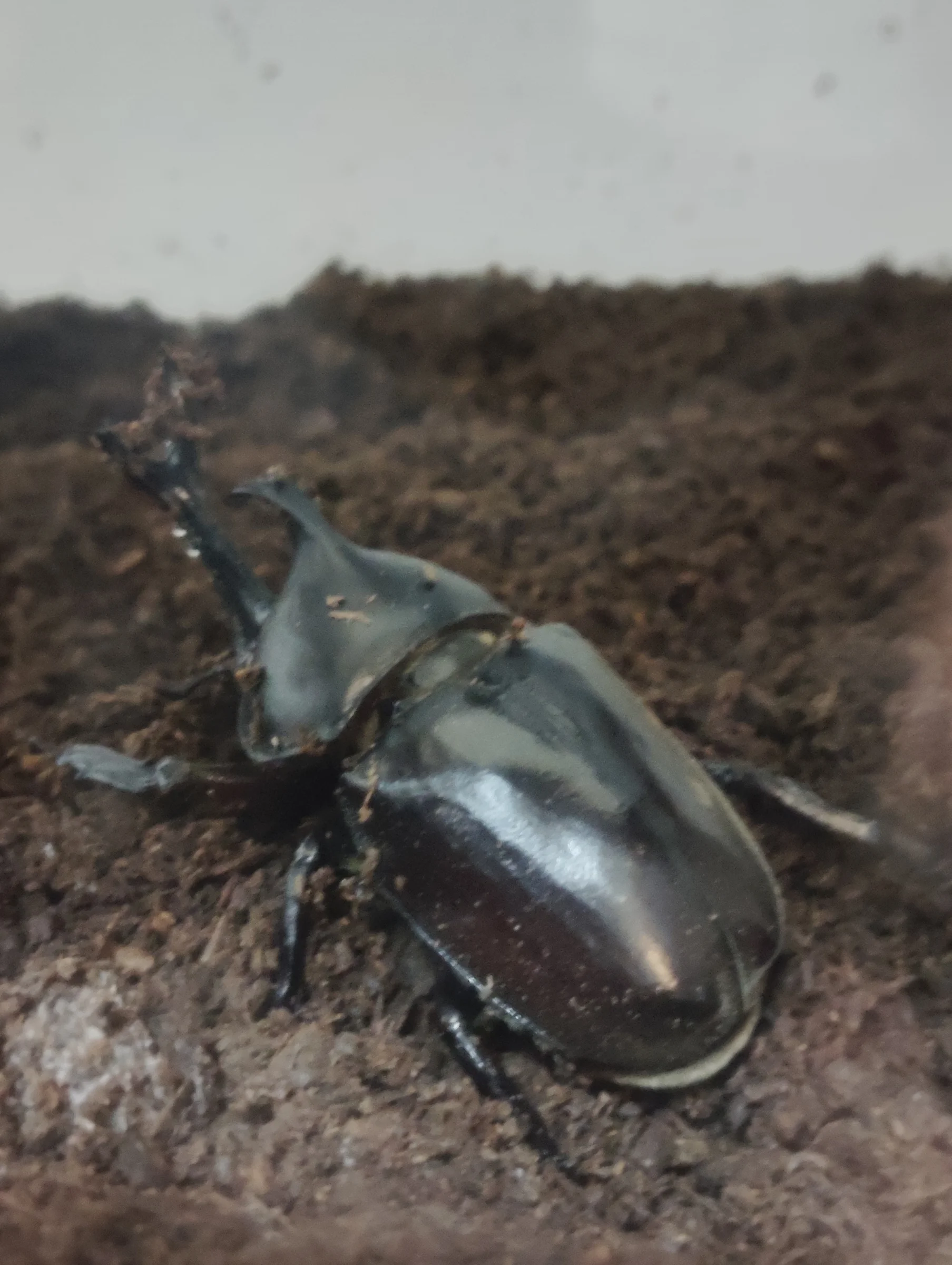
Okinawa Rhinoceros Beetle key facts
- Care level
- Intermediate
- Lifespan
- 1-3 months as an adult
- Size
- Males 30.3-50.1mm (excluding the head horn), females 35.2-47.6mm
- Diet
- Adults take sap of Castanopsis, Machilus, Mallotus and shikuwasa, plus beetle jelly; larvae feed on leaf mould
- Temperature & Humidity
- It lives in subtropical natural forest, and as with the mainland form the substrate should never be allowed to freeze solid. Kept warm all winter, however, the beetles mature early and eclose out of season.
- Breeding & Egg-laying
- Breeding is done in an egg-laying set of packed fermented substrate. In Okinawa the forest floor decomposes so fast that little humus layer forms, so in the wild the larvae live in pockets of humus in tree hollows and the like. They eat leaf mould and will not touch living wood or leaves that have not begun to break down.
- Cohabitation
- Males fight hard with their horns, so keep adults apart. Above all, do not house or cross this subspecies with the mainland form: mainland beetles brought to Okinawa for keeping have escaped and established themselves, and hybridisation with the endemic subspecies is a recognised concern.
- Lifespan & Rearing Period
- Adults appear from May to June, or from June to September. For about two weeks after eclosion they stay underground without feeding before coming to the surface. Adults live one to three months, a span that depends heavily on temperature and how much food is available.
- Health & Notes
- Hybrids with the mainland form are intermediate in most measurements but carry longer head horns than pure Okinawa beetles. Because the Okinawa subspecies is the weaker fighter, an increase in mainland beetles is expected to push it off sap sites and reduce its numbers. Do not release captive stock into the wild. Habitat is also being lost to farmland, dams and golf courses.
About Okinawa Rhinoceros Beetle
A subspecies unique to Okinawa, smaller than mainland rhinoceros beetles, with glossy-winged males and short-haired gray females. A forest-dwelling species suited to intermediate keepers, with adults living just one to three months.
7 things to know before welcoming a Okinawa Rhinoceros Beetle
1How It Differs From Mainland Beetles
The Okinawa rhinoceros beetle is a subspecies found only in the Okinawa Islands, smaller in body size than its mainland counterpart, with a shorter horn on males. Even though they're closely related, the size difference is worth knowing before you bring one home.
2Best Suited to Experienced Keepers
This species is considered better suited to keepers who already have some experience managing temperature, humidity, and feeding for beetles. If this is your first time keeping a beetle, it may help to start with an easier species first.
3Adult Life Span Is Short
Adults are only active for about one to three months. Keeping this in mind after bringing one home, and checking on it and its habitat regularly during that window, helps you enjoy it at its best for as long as possible.
4Telling Males From Females
Males have a notably glossy sheen on their wing covers, while females are covered all over in short, yellowish-gray hair. Looking at texture as well as horn size makes it easier to tell the sexes apart.
5Size Varies Between Individuals
Body length ranges from 30.3 to 50.1mm in males and 35.2 to 47.6mm in females, excluding the head horn, so there's some natural variation. Keep in mind the individual you bring home may look a bit different from others you've seen.
6A Beetle From Natural Forests
This beetle isn't found in open lowland areas — it lives only in forests that retain healthy natural growth. Providing well-ventilated, appropriately moist substrate in captivity helps recreate conditions closer to its natural habitat.
7What to Prepare Beforehand
Have a rearing case, insect substrate, and climbing branches or anti-flip materials ready before your beetle arrives. Since adults are only active for a short time, setting up a comfortable environment in advance lets it settle in right away.
Frequently asked questions about Okinawa Rhinoceros Beetle
- Q.Can it be kept together with mainland rhinoceros beetles?
- A.Since they're different types, housing them together in the same case isn't recommended. Keeping each type in its own enclosure helps avoid stress or fighting.
- Q.How long can I enjoy keeping one?
- A.Adults are only active for around one to three months. Because that window is limited, it helps to check in on your beetle regularly after bringing it home.
- Q.How do I tell males and females apart?
- A.Males stand out for the strong gloss on their wing covers. Females, on the other hand, are covered all over in short yellowish-gray hair, so you can tell them apart by texture as well as horn size.
- Q.Can beginners keep this species?
- A.It's generally considered suited to keepers with some prior experience, and having a basic understanding of beetle care helps. If it's your first time keeping a beetle, it's worth reviewing the basics of care beforehand.
- Q.Why is it smaller than mainland rhinoceros beetles?
- A.As a subspecies that evolved independently in the Okinawa Islands, it shows differences in body size and horn length. This is understood as a regional characteristic typical of the subspecies.
Useful tools for Okinawa Rhinoceros Beetle care
Learn more about Okinawa Rhinoceros Beetle in the encyclopedia
View Okinawa Rhinoceros Beetle encyclopedia entry →
Care difficulty, lifespan, size and diet — all basics covered.
More in this category
Can't find the one you're looking for?
Post your wishes for free and breeders with matching animals will contact you with introductions.