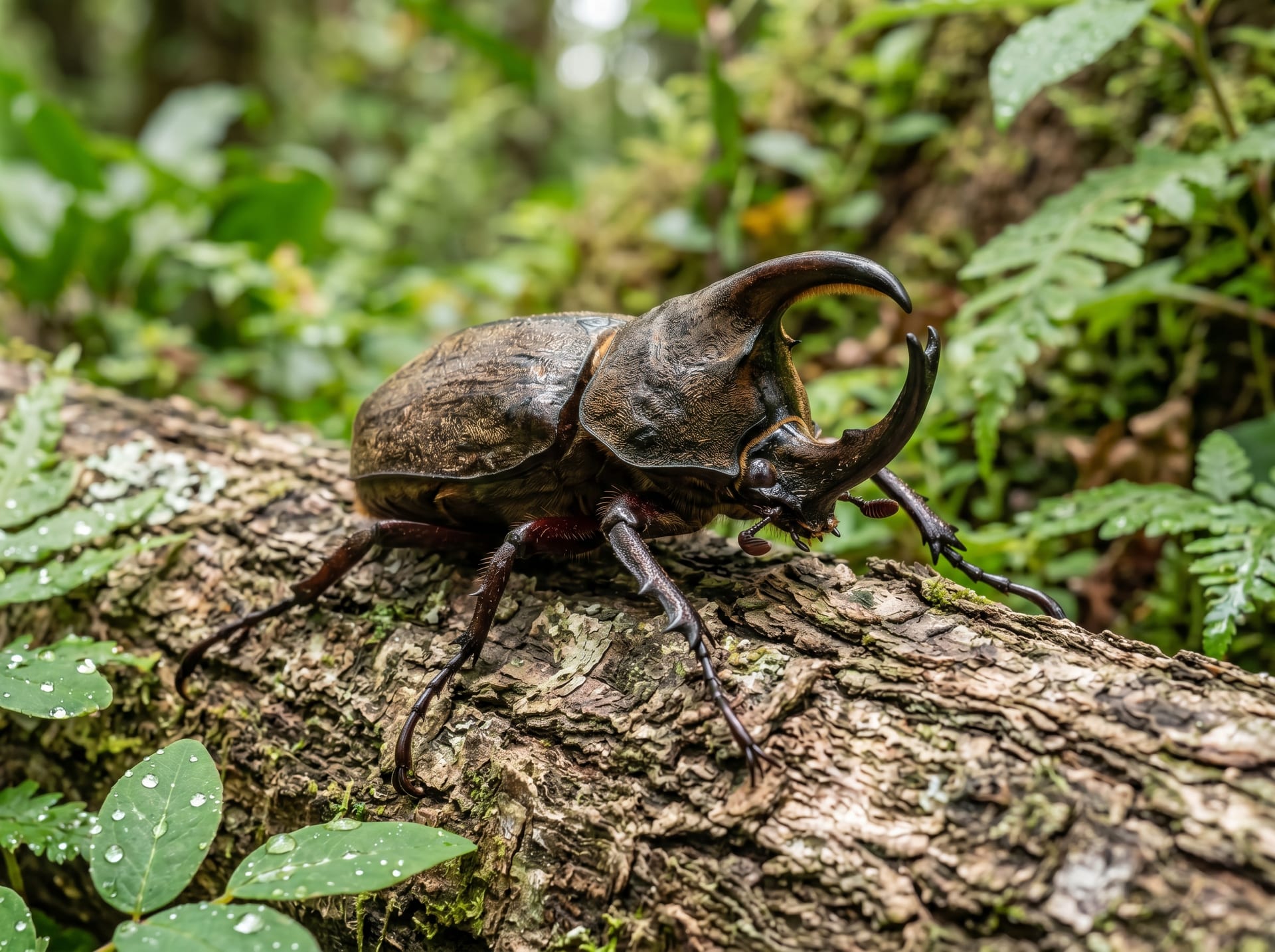
Elephant Beetle
The world's heaviest class of beetle. Stocky body and small horn reminiscent of an elephant.
View Elephant Beetle encyclopedia →0% commission on your first sales!Register by September 30, 2026 and your first 2 sales are commission-free!
Breeder Wanted!
List on BreederDirect and sell directly to customers nationwide!
6 Transparency Standards You Can Trust
When listing Insects, Breeders disclose the following. We guarantee transparency on growth stage and breeding unit.
- Life Stage Clarity
- Generation Info
- Real Photos
- Breeding Unit
- Country of Origin
- Body Length (mm)
Browse all 26 breeds
Verified breeders wanted for Insects
Breeders are signing up now ahead of launch. Subscribe to be notified when new listings go live.
Getting alerts is free with a member account. When new listings match your saved search, we'll notify you by email and in-app.
Browse other categories
Verified breeders (preview)
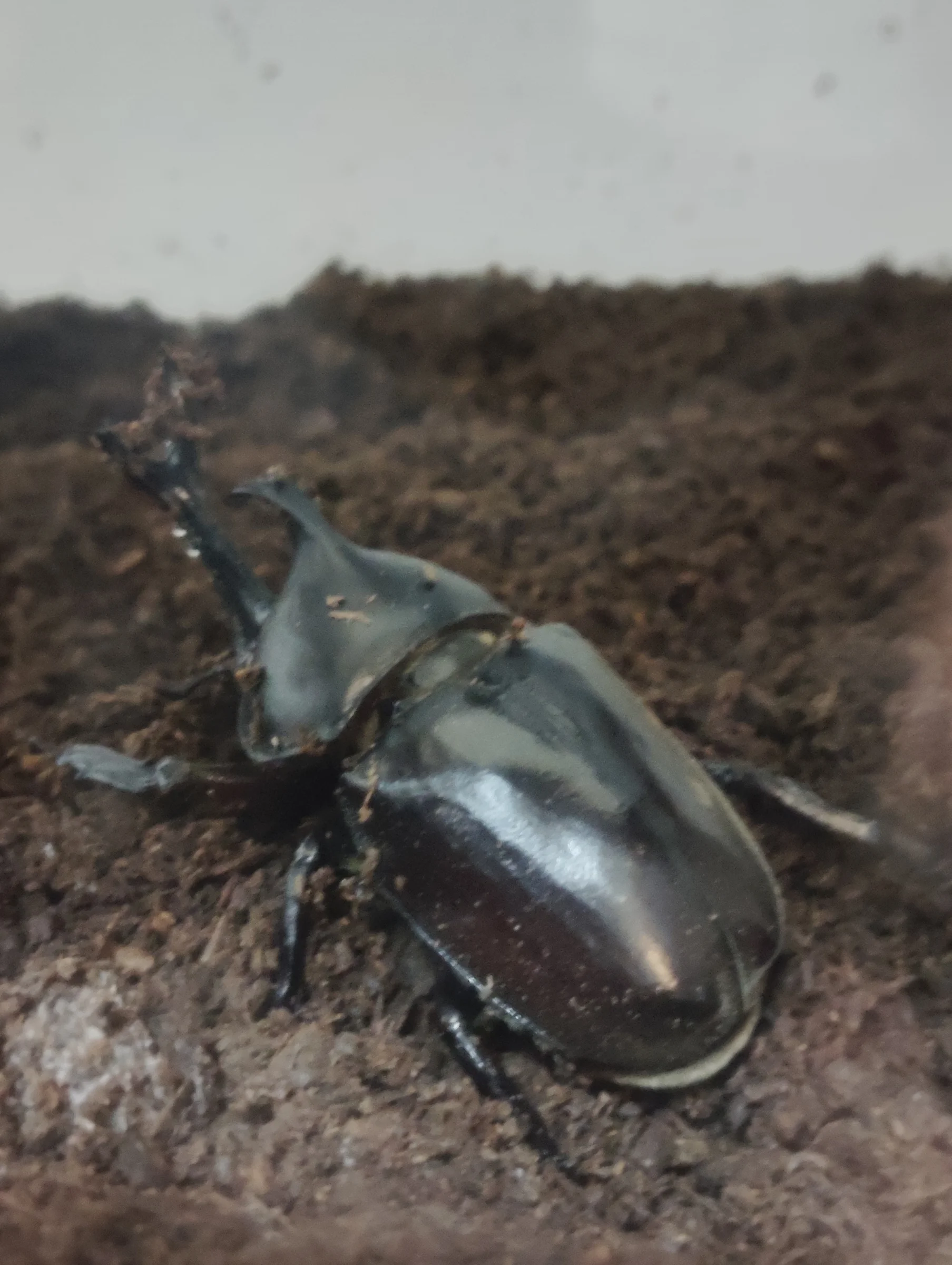
Elephant Beetle key facts
- Care level
- Intermediate
- Lifespan
- Adult 3-6 months
- Size
- 50-130mm
- Diet
- Insect jelly, Banana
- Housing
- Larvae grow very large, so a big container is essential
- Temperature & Humidity
- The ideal temperature is 22-27°C. As a rainforest species it dislikes dryness, so keep the substrate moist.
- Diet & Feeding
- Feed adults beetle jelly or banana. Adults live only about 3-6 months, so keep jelly available at all times.
- Breeding & Egg-laying
- Eggs are laid in substrate; prepare large amounts of leaf mold or fermented substrate. The larval period is a very long 18-36 months.
- Health & Cautions
- Adults are docile and easy to handle. Larvae can exceed 100g, so lay the substrate deep and plan for large replacement volumes.
About Elephant Beetle
The Elephas Rhinoceros Beetle (Megasoma elephas) inhabits tropical rainforests from Central America to northern South America and ranks among the heaviest beetles in the world. True to its name, it features a rounded, elephant-like body and short, thick horns, with a matte black-to-dark-brown surface that has an almost velvety texture. Males range widely from 50–130mm, and large specimens are truly impressive. Their temperament is relatively calm, and they adapt to handling fairly well, making them accessible for beginners. The larval stage lasts 1–2 years, but the satisfaction of raising a large adult makes the long wait worthwhile — this is one of the key appeals of keeping this species. Availability in Japan has improved in recent years, making them easier to acquire.
7 things to know before welcoming a Elephant Beetle
1Spacious Enclosure Needed
Due to their large body size, a container at least 60cm wide is ideal. Lining the bottom with 10cm or more of leaf mold or beetle mat accommodates their burrowing instinct. A cramped space can cause stress and injury.
2Warm and Humid Conditions
Originating from tropical rainforests, aim to maintain temperatures of 24–28°C and humidity around 70–80%. In winter, a heat mat or warm enclosure may be necessary. Low humidity causes the substrate to dry out and can affect the beetle's condition.
3Jelly and Fruit as Diet
High-protein or high-sugar insect jelly is the staple food, and ripe fruits like banana are also enjoyed. Replace fruit daily to prevent spoilage and keep the enclosure clean. A drop in appetite often signals an issue with temperature or humidity.
4Short Adult Lifespan: 3–6 Months
The adult stage typically lasts 3–6 months. After emerging, it may take several weeks before the beetle begins feeding for the first time. Proper environmental management and nutrition are key to supporting a full lifespan.
5Horns Are Decorative, Not Aggressive
The horns are small and rounded, not sharp, so handling is generally safe. The species tends to be relatively calm and not particularly aggressive, though sudden flight is possible. Be mindful of their strong tarsal claws when handling.
6Larval Stage Lasts 1–2 Years
If you plan to breed them, be prepared for a larval stage lasting 1–2 years. Larvae feed on fermented beetle mat or decayed hardwood. As a large species, the larvae are also sizable and are best raised individually.
7Check Import Regulations First
While keeping Elephas Elephant Beetles is permitted in Japan, importing live specimens may be subject to CITES regulations. It is recommended to obtain captive-bred individuals from reputable breeders or sellers. Regulations can change, so always verify current rules before purchasing.
Frequently asked questions about Elephant Beetle
- Q.Is it difficult to raise Elephas Beetles from larvae?
- A.With high-quality fermented substrate and proper temperature management, beginners can successfully raise them. The key is to check substrate moisture and condition regularly and replace it every 3–4 months.
- Q.How often should I replace food for adults?
- A.Ideally, replace insect jelly daily. In summer it spoils quickly, so swap it out once a day even if some remains. Fresh fruits like banana should be removed within half a day to one day.
- Q.Can males and females be housed together at all times?
- A.Constant cohabitation is not recommended. Repeated mating attempts by the male can significantly shorten the female's lifespan. For breeding, limit pairing to short supervised sessions, then house them separately.
- Q.Can they tolerate Japanese summer heat?
- A.Temperatures above 30°C are stressful and can shorten lifespan. Temperature management in summer is essential — use an air-conditioned room or cooling packs. Avoid placing the enclosure in direct sunlight.
- Q.How many eggs can I expect per clutch?
- A.Under good conditions, females can lay around 20–50 eggs per clutch. Not all eggs will hatch or develop successfully, so planning for multiple pairing sessions and providing ample laying space is a practical approach.
Useful tools for Elephant Beetle care
Learn more about Elephant Beetle in the encyclopedia
View Elephant Beetle encyclopedia entry →
Care difficulty, lifespan, size and diet — all basics covered.
Elephant Beetle related articles
See more Elephant Beetle articles →More in this category
Can't find the one you're looking for?
Post your wishes for free and breeders with matching animals will contact you with introductions.