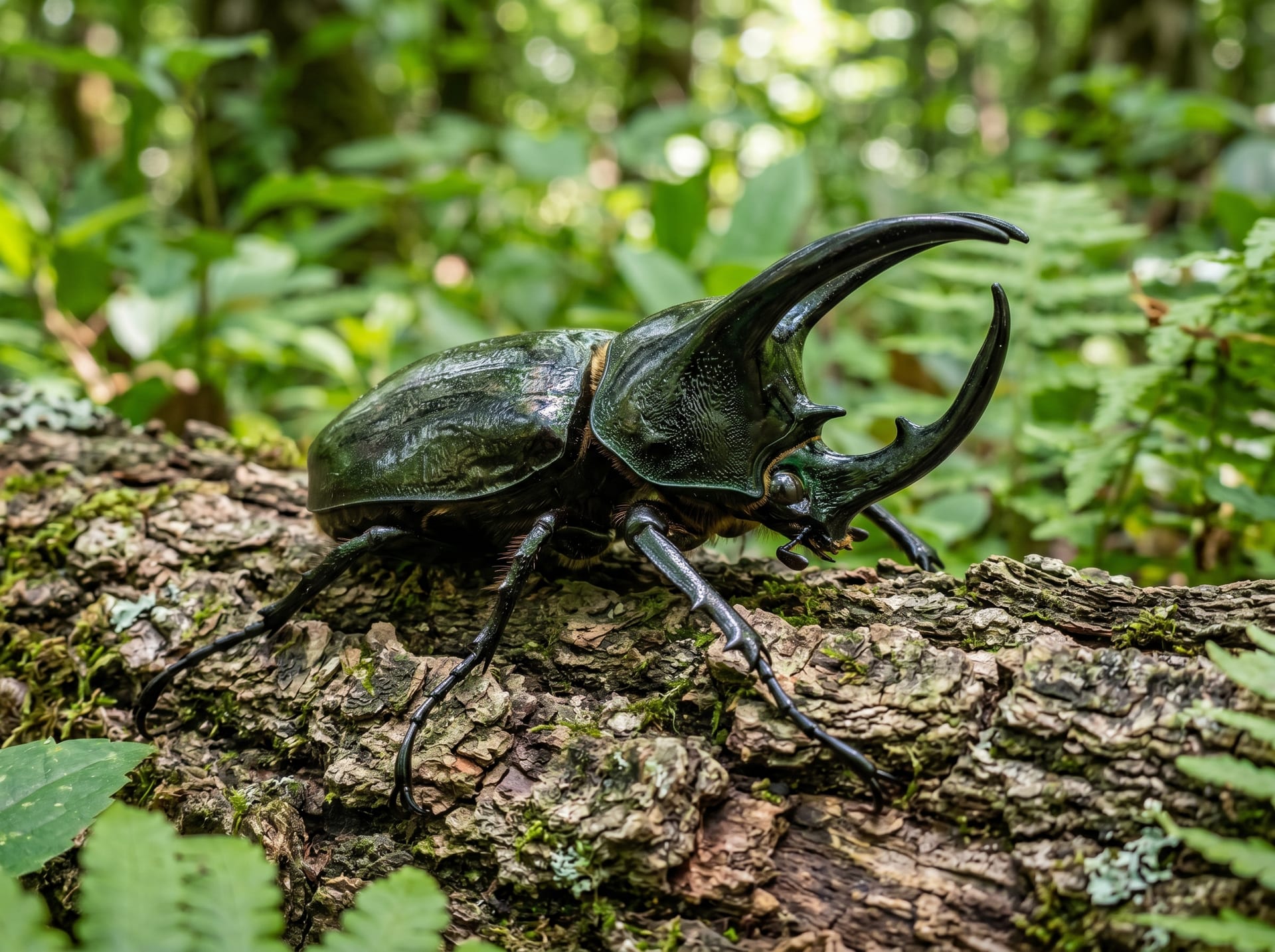
Caucasus Beetle
Largest beetle in Southeast Asia. Three long horns and aggressive nature. More accessible than Hercules and popular.
View Caucasus Beetle encyclopedia →0% commission on your first sales!Register by September 30, 2026 and your first 2 sales are commission-free!
Breeder Wanted!
List on BreederDirect and sell directly to customers nationwide!
6 Transparency Standards You Can Trust
When listing Insects, Breeders disclose the following. We guarantee transparency on growth stage and breeding unit.
- Life Stage Clarity
- Generation Info
- Real Photos
- Breeding Unit
- Country of Origin
- Body Length (mm)
Browse all 26 breeds
Verified breeders wanted for Insects
Breeders are signing up now ahead of launch. Subscribe to be notified when new listings go live.
Getting alerts is free with a member account. When new listings match your saved search, we'll notify you by email and in-app.
Browse other categories
Verified breeders (preview)
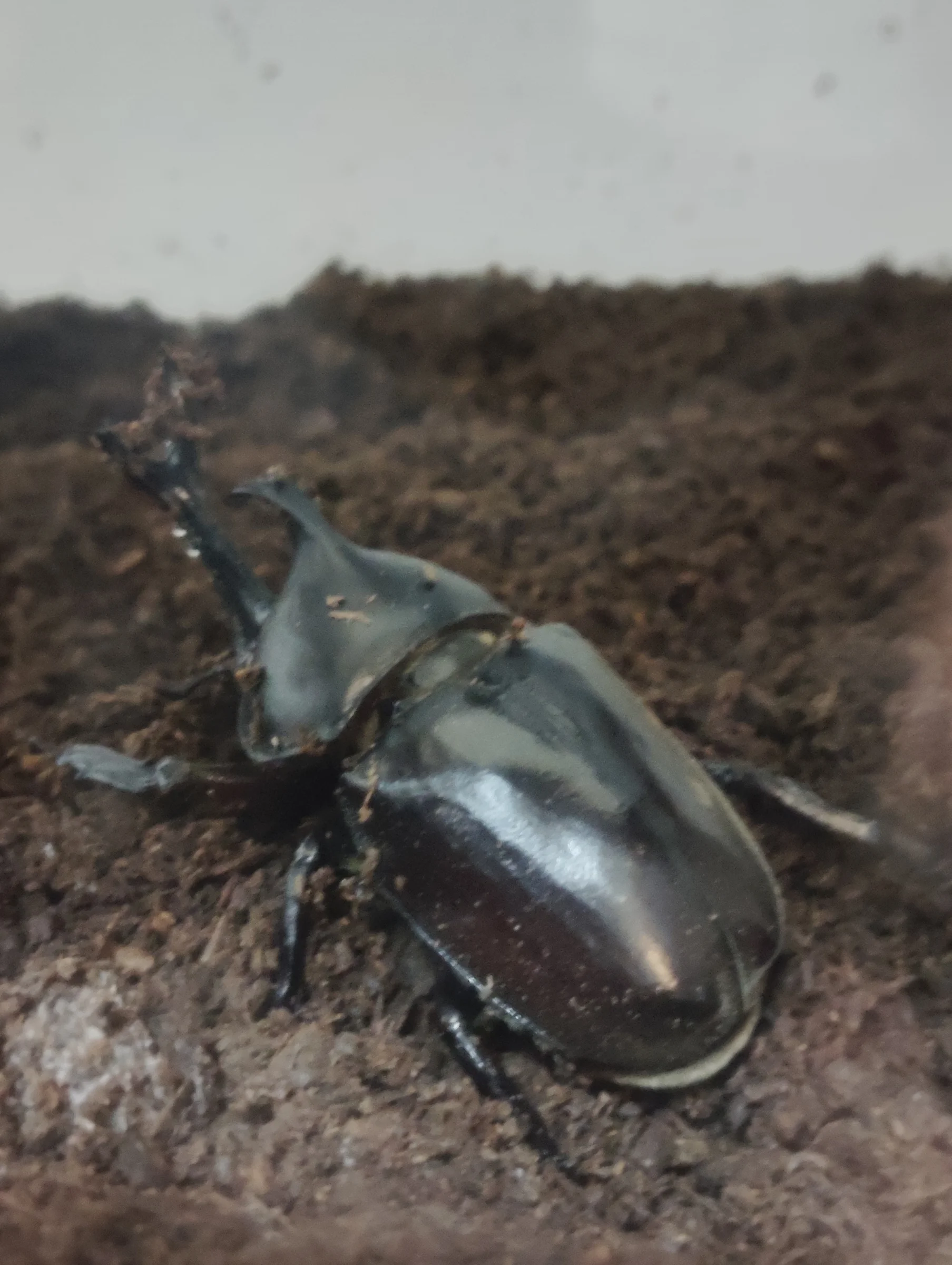
Caucasus Beetle key facts
- Care level
- Intermediate
- Lifespan
- Adult 3-6 months, larva 1 year
- Size
- Up to 130mm
- Diet
- Beetle jelly (adult), fermented substrate (larva)
- Temperature
- 18-25°C (very heat-sensitive)
- Temperament
- Very aggressive — handle with care
- Larvae
- Fermented substrate. High temperature forbidden
- Adult lifespan
- Shorter than other beetle species
- Notes
- Horn grip very strong — pinching is painful
About Caucasus Beetle
The Caucasus Beetle is one of the world's largest beetles, found in the tropical rainforests of Indonesia, Malaysia, Thailand, and surrounding regions of Southeast Asia. Its most distinctive feature is the set of three long horns — located on the head, thorax, and back — which inspired its name through a resemblance to the peaks of the Caucasus Mountains. Adults can reach up to 130mm in length, commanding immediate attention with their powerful, prehistoric appearance. This species is notably aggressive among horned beetles, capable of delivering a strong pinch and prone to intense fighting with other males, making solitary housing essential. Care requirements include a temperature range of 20 to 28°C, beetle jelly for adults, and well-fermented substrate for larvae. The larval stage lasts approximately one year, during which consistent nutrition and temperature control directly shape adult size. Compared to the Hercules Beetle, the Caucasus Beetle is more widely available and more affordable, making it an excellent entry point into large beetle keeping. Its sheer presence and the satisfaction of raising it through its full life cycle continue to attract enthusiasts and collectors worldwide.
7 things to know before welcoming a Caucasus Beetle
1The Role of Three Horns
The three horns of the Caucasus beetle are used in battles between males. Their grip strength is considerable, so be careful not to let your fingers get caught between the horns when handling. Cohabitation with females or other creatures can result in injury, so individual housing is generally recommended.
2Enclosure Size Matters
Since adults can reach up to 130mm, a well-sealed enclosure (such as a fly-proof container) at least 60cm wide is ideal. Place climbing wood and bark inside to allow the beetle to right itself if it tips over. A beetle left upside down for extended periods can exhaust itself and die.
3Temperature and Humidity
Native to Southeast Asia, this beetle thrives at 25–28°C. Japanese summers are generally suitable, but winter heating with a terrarium heater or greenhouse setup is necessary. Maintain humidity around 60–70% and mist the substrate regularly to prevent it from drying out.
4Larval Substrate Selection
The larval stage lasts about one year, and substrate quality directly affects adult size. Use high-quality twice-fermented beetle mat and replace it every 3–4 months. Fungal blocks (菌糸ビン) are not well-suited for this species; fermented mat rearing is the recommended approach.
5Adult Feeding and Nutrition
Feed adults insect jelly, preferably high-protein and high-calorie varieties. Fruits like banana or watermelon are accepted but spoil quickly and attract fruit flies, so jelly is the more hygienic choice. Replace food daily and promptly remove any uneaten portions.
6Health Check at Purchase
At purchase, check that all six legs are intact, horns are undamaged, and the body shows no wounds or discoloration. Individuals that move sluggishly or have a sunken abdomen may be in poor condition. Confirm the emergence date with the breeder and choose a beetle that emerged within the past 1–2 months for the longest possible enjoyment.
7Expected Costs
Adult pairs typically sell for several thousand to tens of thousands of yen, varying widely by origin, size, and lineage. Initial setup costs for enclosure, substrate, jelly, and temperature control equipment generally run 10,000–30,000 yen. If you plan to breed larvae yourself, ongoing substrate costs add up, so factor long-term expenses into your planning.
Frequently asked questions about Caucasus Beetle
- Q.Is the Caucasus Beetle easier to keep than the Hercules Beetle?
- A.The Caucasus Beetle is generally more widely available and more affordable than the Hercules Beetle. Care difficulty is broadly similar, though the Caucasus tends to be more aggressive, so careful handling is especially important.
- Q.How often should I feed jelly to adult beetles?
- A.Check daily and replace the jelly whenever it has been consumed. Even uneaten jelly begins to deteriorate within one to two days, so frequent changes help maintain a hygienic environment inside the enclosure.
- Q.Can I house a male and female together?
- A.Brief cohabitation for mating purposes is possible, but the pair should be separated immediately afterward. Prolonged housing together risks the male injuring the female, which can significantly shorten her lifespan.
- Q.How often should I change the larval substrate?
- A.As a guideline, replace the substrate every two to three months, or sooner if the mat becomes heavily soiled with frass. When changing the mat, excavate carefully to avoid injuring the larva, and mix a small amount of old substrate into the fresh mat to reduce environmental stress.
- Q.What are the typical startup costs for keeping this species?
- A.In addition to the cost of the adult beetle itself (typically a few thousand to around 10,000 yen), initial equipment including an enclosure, substrate, jelly, and thermometer generally runs another 5,000 to 10,000 yen. Raising from larvae reduces the individual cost but requires ongoing substrate purchases over approximately one year.
Useful tools for Caucasus Beetle care
Learn more about Caucasus Beetle in the encyclopedia
View Caucasus Beetle encyclopedia entry →
Care difficulty, lifespan, size and diet — all basics covered.
Caucasus Beetle related articles
Complete Guide to Raising Caucasus Beetles | Lifespan, Larval Period, Temperature, and Breeding Tips
Complete guide to raising Caucasus beetles. Learn lifespan and larval period estimates, adult and larval housing and temperature management, breeding tips, and how they differ from Atlas beetles—a complete guide to raising the world's most powerful beetles.
Exotic Beetle Comparison Guide | Breeding and Charm of Caucasus Beetles, Atlas Beetles, and Elephant Beetles
A comprehensive comparison of popular large exotic beetles other than Hercules—Caucasus beetles, Atlas beetles, and elephant beetles—covering their characteristics, breeding difficulty, and larval rearing methods. A beginner's guide to exotic beetle keeping.
Atlas Beetle Care Guide | How to Raise the Southeast Asian Rhinoceros Beetle with Three Horns
Guide to raising the large Southeast Asian rhinoceros beetle "Atlas Beetle (Chalcosoma atlas)". Explains the differences from Caucasus Beetles, fermented substrate management for larvae, temperature and humidity settings, adult lifespan and tips for activation, and detailed larval management techniques to maximize size.
More in this category
Can't find the one you're looking for?
Post your wishes for free and breeders with matching animals will contact you with introductions.