Eastern Hercules Beetle
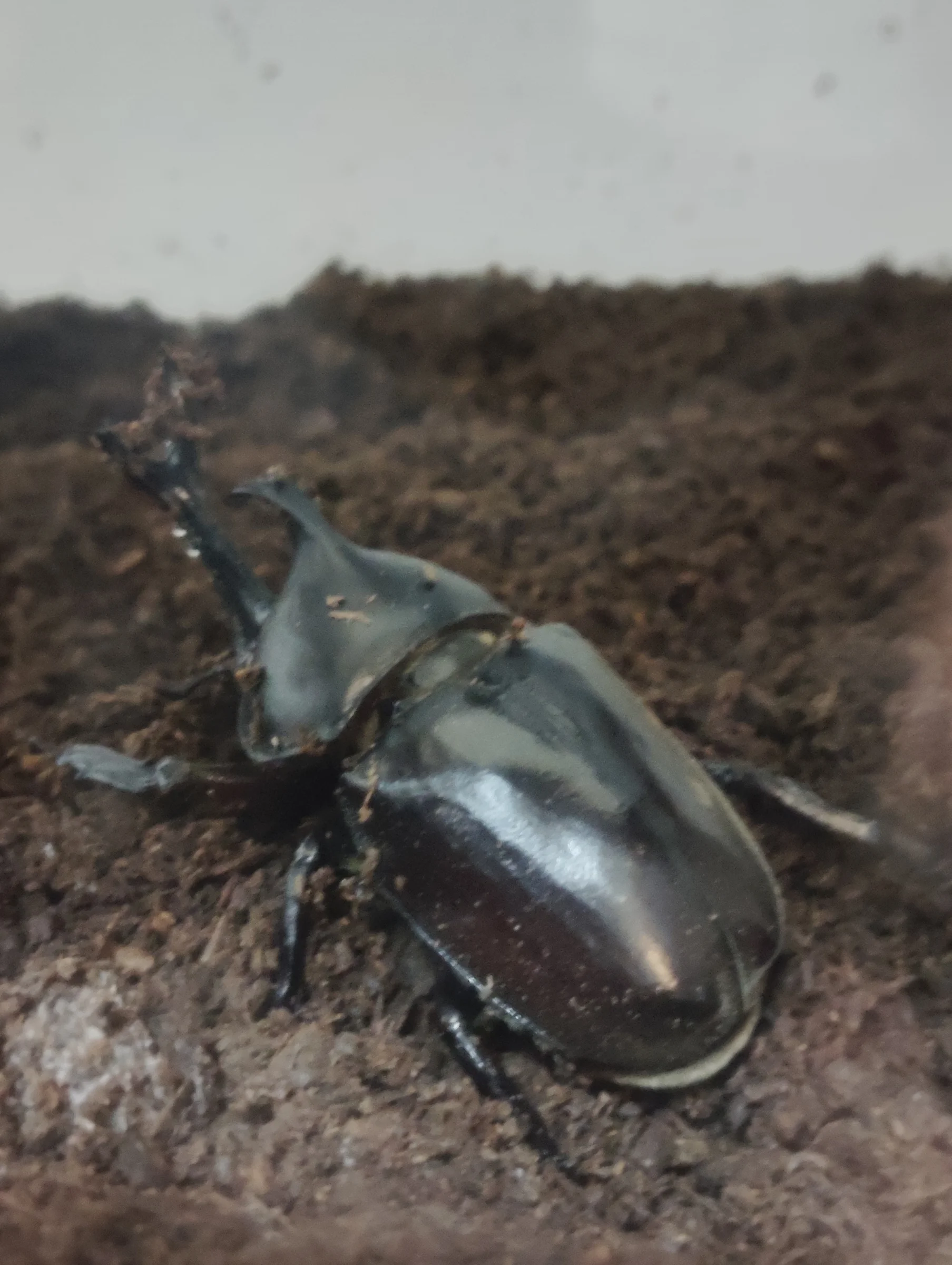
The Eastern Hercules Beetle is one of North America's largest beetles, instantly recognizable by its olive-green elytra dotted with black spots. Uniquely, its coloring can shift with humidity levels, adding an extra layer of interest for keepers. Adults can reach up to 65mm in length, and their prominent horns give them an impressively bold appearance. They tend to have a calm, easy-going temperament, making them approachable once basic care routines are in place. Considered an intermediate-level species, this beetle suits keepers who already have some experience with temperature and humidity management and are ready for a more substantial rearing project.
View Eastern Hercules Beetle encyclopedia →0% commission on your first sales!Register by September 30, 2026 and your first 2 sales are commission-free!
Breeder Wanted!
List on BreederDirect and sell directly to customers nationwide!
6 Transparency Standards You Can Trust
When listing Insects, Breeders disclose the following. We guarantee transparency on growth stage and breeding unit.
- Life Stage Clarity
- Generation Info
- Real Photos
- Breeding Unit
- Country of Origin
- Body Length (mm)
Browse all 26 breeds
Verified breeders wanted for Insects
Breeders are signing up now ahead of launch. Subscribe to be notified when new listings go live.
Getting alerts is free with a member account. When new listings match your saved search, we'll notify you by email and in-app.
Browse other categories
Verified breeders (preview)
About Eastern Hercules Beetle
A guide to the Eastern Hercules Beetle, North America's largest beetle — humidity-shifting colors, up to 65mm in size, and tips for intermediate-level care.
7 things to know before welcoming a Eastern Hercules Beetle
1Color Shifts With Humidity
The Eastern Hercules Beetle has a distinctive trait: its elytra color can shift depending on surrounding humidity. It tends to look more yellowish in drier conditions and darker when humidity is higher, which can even serve as a rough visual cue for your enclosure's moisture level.
2One of North America's Largest
Adults can reach up to 65mm, making this one of the largest beetle species found in North America. Males with their impressive horns are especially striking, giving keepers a rewarding beetle to raise and observe.
3Intermediate-Level Care
This species is considered suitable for intermediate keepers, and prior experience managing temperature and humidity helps things go smoothly. First-time insect keepers may want to build up some basic knowledge before bringing one home.
4Larvae Need Fermented Mat
During the larval stage, beetles are raised primarily on fermented mat substrate. Since the mat's condition affects growth, it should be checked regularly and replaced promptly if it dries out or breaks down.
5Adults Eat Insect Jelly
Once they reach adulthood, insect jelly becomes their main food source. Because commercial insect jelly is easy to find and prepare, day-to-day feeding is relatively low-effort.
6Plan Around Their Lifespan
Adults typically live 3 to 6 months, while the larval stage lasts around 1 to 2 years. Since the adult stage is relatively short, it helps to plan when to bring one home with that limited observation window in mind.
7Calm and Easy to Handle
Many individuals have a fairly calm temperament and low aggression. That said, males with horns are quite strong, so handle them gently to avoid causing stress or injury during observation.
Frequently asked questions about Eastern Hercules Beetle
- Q.Is the Eastern Hercules Beetle listed under CITES?
- A.No, the Eastern Hercules Beetle is not listed under CITES.
- Q.Why does its body color seem to change?
- A.This is a natural trait tied to surrounding humidity — the elytra can look different in drier versus more humid conditions. It's simply a characteristic of the species, not a sign of poor health.
- Q.How large does it grow?
- A.Adults can reach up to about 65mm in length. That makes it one of the larger beetle species found in North America.
- Q.Can beginners keep this beetle?
- A.This species is generally considered suitable for intermediate keepers. It helps to have some prior experience with temperature and humidity management before bringing one home.
- Q.What should I feed it?
- A.Larvae are raised mainly on fermented mat substrate, while adults are fed insect jelly. Providing the right food for each life stage is important for healthy growth.
Useful tools for Eastern Hercules Beetle care
Learn more about Eastern Hercules Beetle in the encyclopedia
View Eastern Hercules Beetle encyclopedia entry →
Care difficulty, lifespan, size and diet — all basics covered.
More in this category
Can't find the one you're looking for?
Post your wishes for free and breeders with matching animals will contact you with introductions.